Ayatollah Ali Khamenei acknowledged on Saturday that “thousands” died during more than two weeks of anti-government protests in Iran and blamed U.S. President Donald Trump for encouraging demonstrators. Witnesses and rights groups say security forces used lethal force; HRANA estimates more than 3,000 deaths and over 24,000 arrests, figures CNN could not independently verify. Iran’s internet blackout has left connectivity at roughly 2% of normal levels, and authorities have warned of prosecutions for participants in the unrest.
Khamenei Says ‘Thousands’ Died in Iran Protests, Blames Trump as Crackdown and Internet Blackout Continue

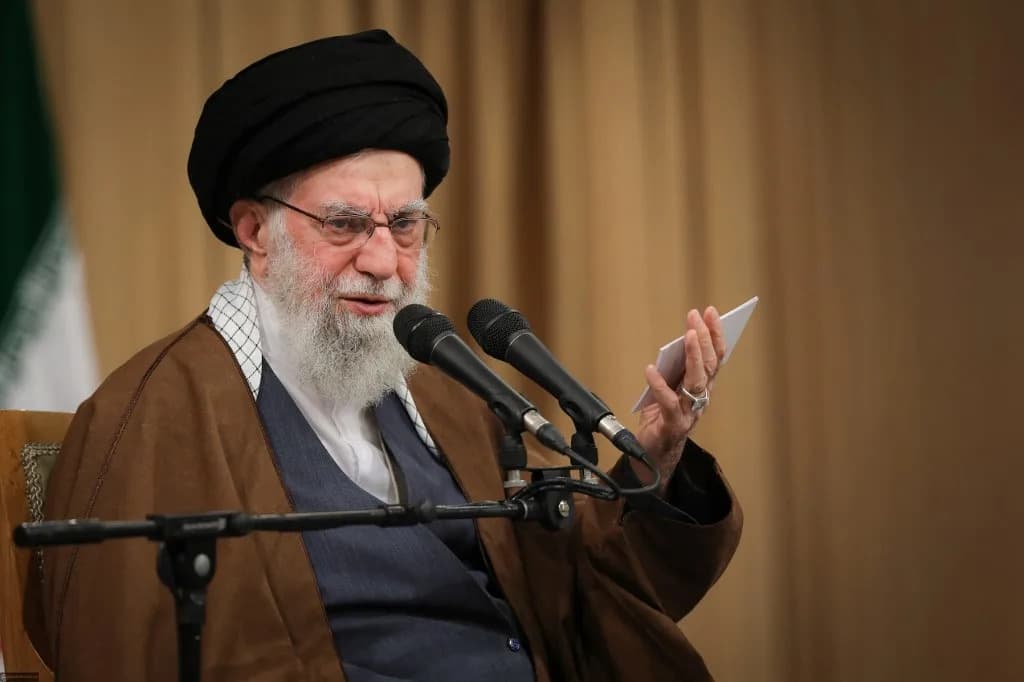
Iran's supreme leader, Ayatollah Ali Khamenei, speaks during a meeting in Tehran on Saturday. - Office of the Iranian Supreme Leader/Wana News Agency/Reuters
Iran’s supreme leader, Ayatollah Ali Khamenei, acknowledged on Saturday that “thousands” of people died during more than two weeks of anti-government unrest, attributing much of the responsibility to U.S. President Donald Trump for what he described as encouragement of demonstrators by promising U.S. “military support.”
Khamenei’s Remarks
In an address published on his official website, Khamenei called Mr. Trump a “criminal” and said the U.S. deserved blame “both for the casualties and the damage” sustained during protests that began in late December amid deep economic grievances. He categorized those involved as either foreign-backed operatives or young people he said had been manipulated by outside ringleaders, and he accused some demonstrators of damaging public infrastructure and private property.
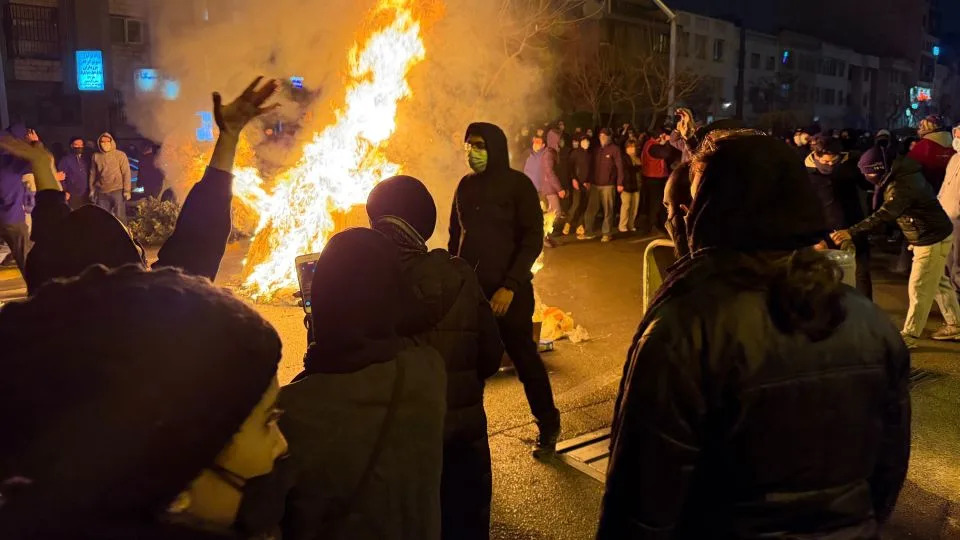
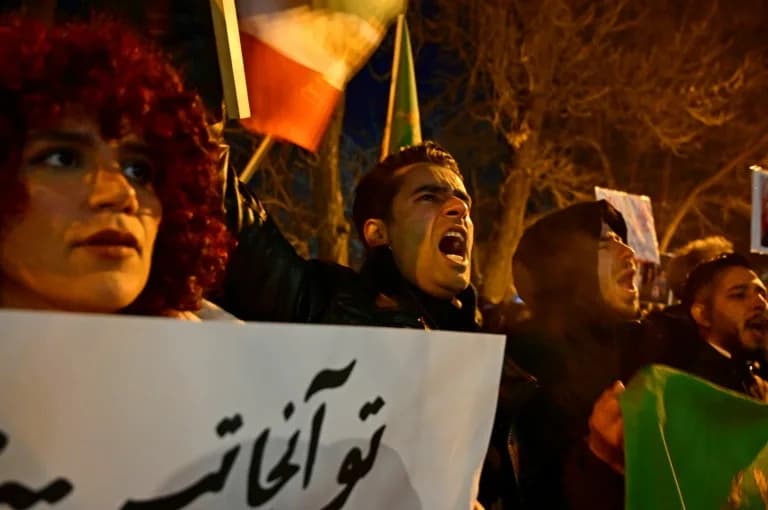
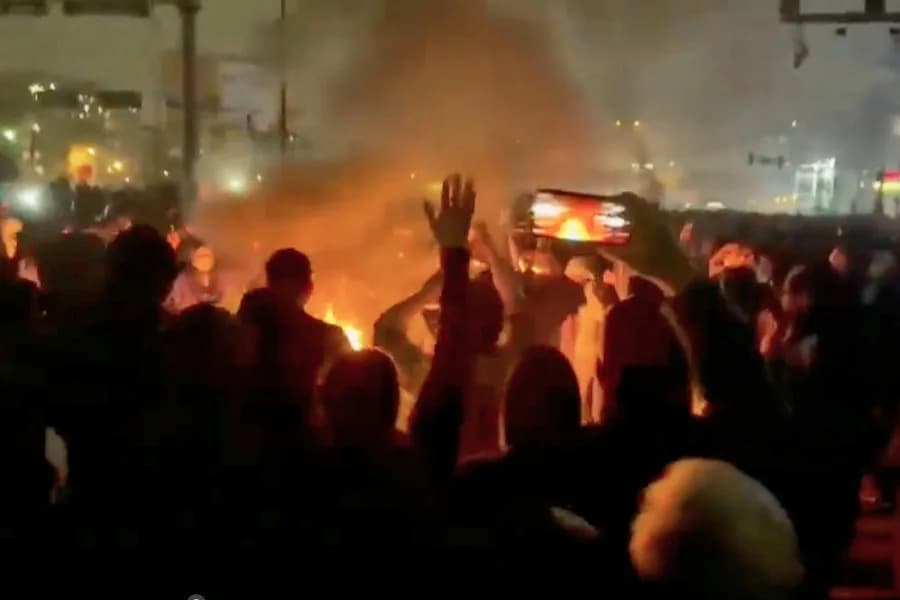
In this photo obtained by The Associated Press, Iranians attend an anti-government protest in Tehran, Iran, on January 9, 2026. - UGC/AP
“By harming the people, they (the ‘rioters’) killed several thousand of them. Some were killed with a force that was inhuman … completely savagely,” Khamenei said, according to excerpts on his website.
Eyewitness Accounts and Rights Group Reports
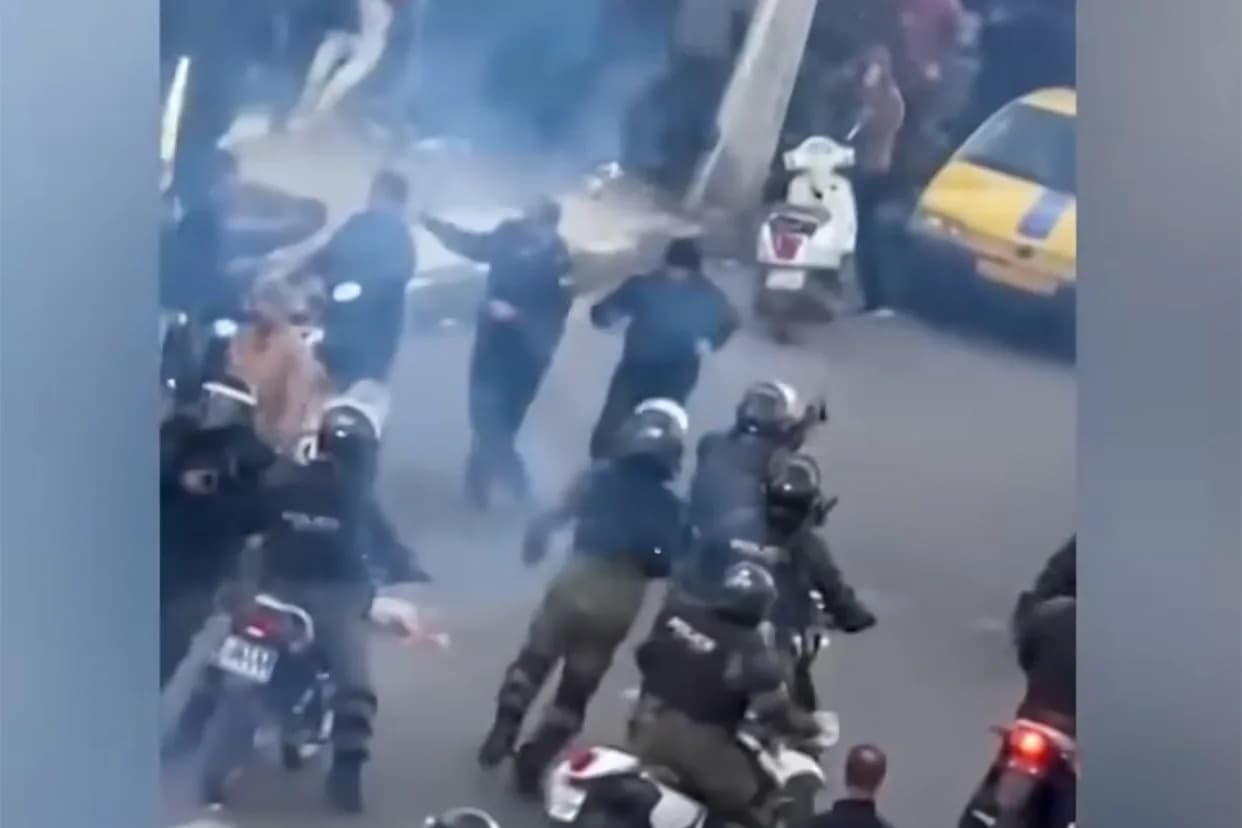
Witnesses and human rights organizations reported that security forces used lethal force against protesters. An anonymous Tehran demonstrator told CNN that groups of unarmed people filled the streets while security forces fired from rooftops and military drones hovered overhead.
“They were aiming with lasers and shooting people in the face… They massacred people… They killed our most beautiful, most gorgeous and bravest, our kids,” the eyewitness said.
The U.S.-based Human Rights Activists News Agency (HRANA) estimated more than 3,000 deaths and over 24,000 arrests; CNN has not independently verified those figures.
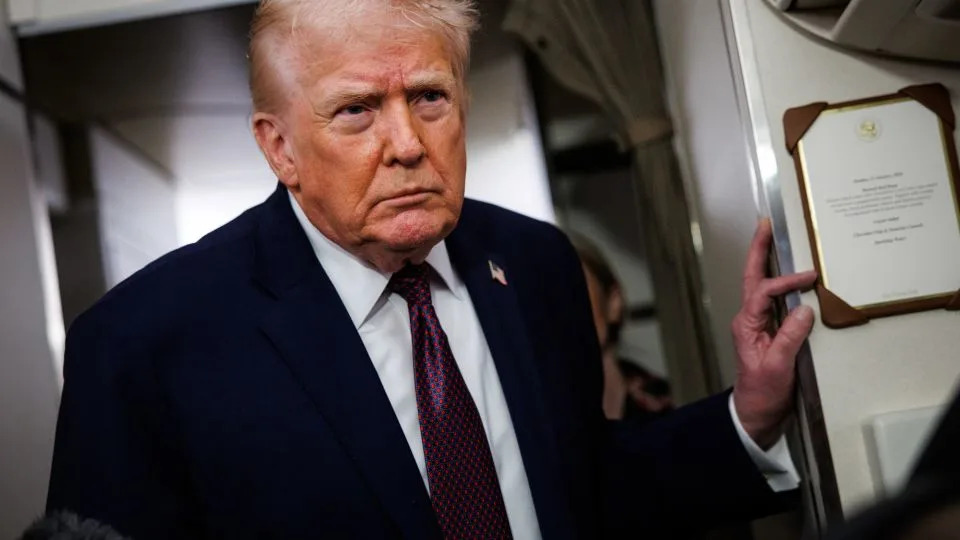
President Donald Trump takes questions from reporters aboard Air Force One on January 11, en route back to the White House from Palm Beach, Florida. - Samuel Corum/Getty Images
Government Response And Legal Threats
Iranian authorities have frequently accused foreign actors of instigating unrest but have not published evidence supporting those claims. Iranian officials including Foreign Minister Abbas Araghchi disputed reports that thousands died, telling Fox News the toll was in the hundreds and alleging a misinformation campaign. Tehran’s prosecutor warned that some detainees could face heavy penalties, and international reports raised fears about possible death sentences for some protesters.
International Reaction and U.S. Statements
During the unrest, President Donald Trump publicly encouraged demonstrators to keep protesting and suggested the United States would offer support, comments Khamenei cited in blaming the U.S. Trump responded by calling for new leadership in Iran and criticizing Khamenei personally. In turn, Iranian officials warned that attacks on the supreme leader would be treated as an attack on the nation.
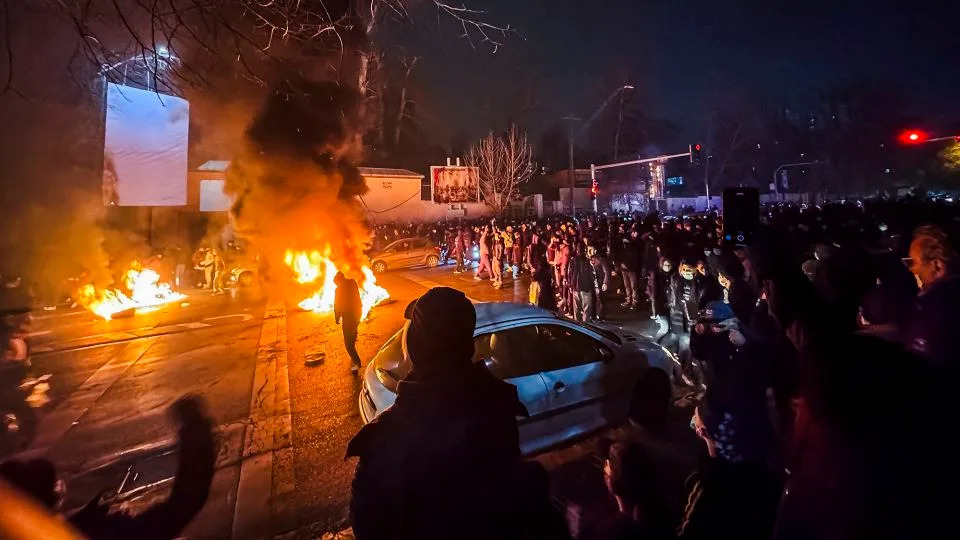
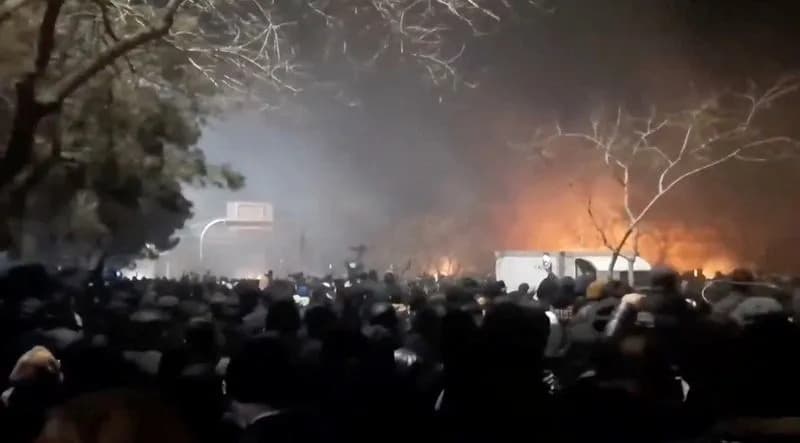
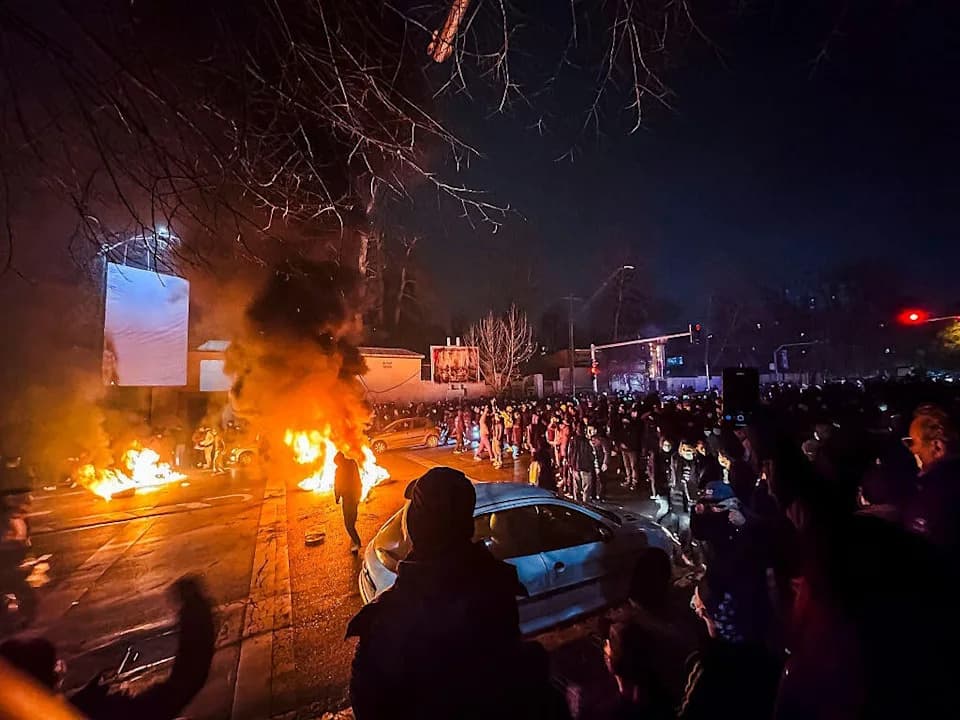
Iranians gather while blocking a street during a protest in Tehran on January 9. - MAHSA/Middle East Images/AFP/Getty Images
Internet Blackout and Communications
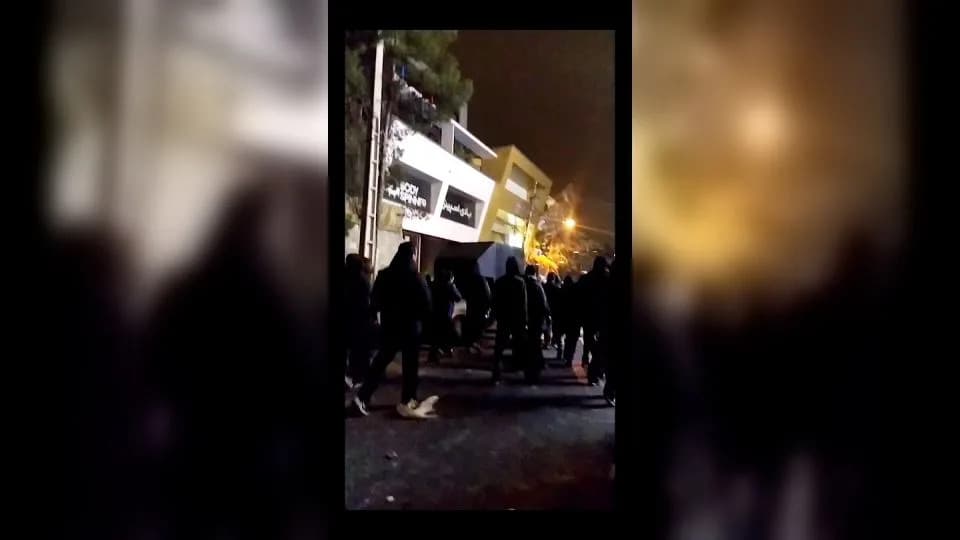
Iran imposed a near-total internet shutdown on Jan. 8 amid the unrest. Cybersecurity monitor NetBlocks reported a small uptick in connectivity on Saturday but said overall access remained at roughly 2% of ordinary levels. State-linked media said service was partially restored for some subscribers and defended the blackout as necessary to curb what it called "terrorist unrest." Some residents reported intermittent restoration of international landlines and local SMS.
What’s Next
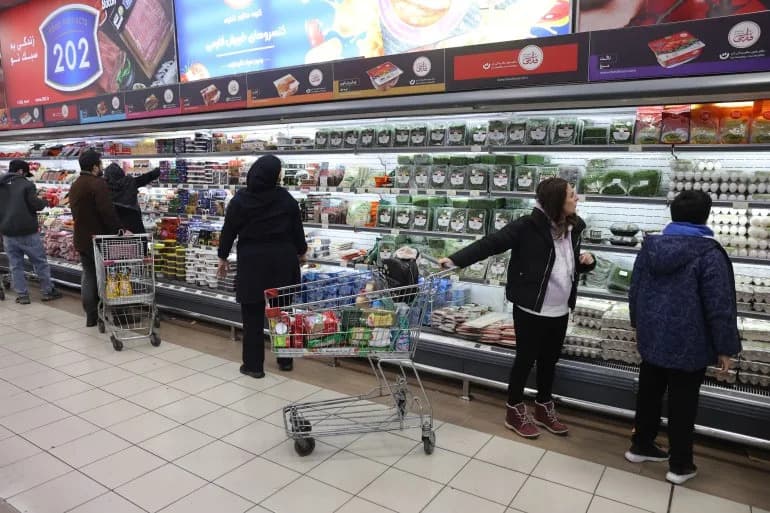
Khamenei vowed to hold those he called “domestic criminals” and “international criminals” accountable while calling on the population to unite in defense of the Islamic system. He also urged officials to prioritize the supply of essential goods amid severe economic pressure. The government’s next steps — including prosecutions and any potential sentences — remain a focus for domestic and international observers.
Reporting credits: CNN’s Billy Stockwell, Kareem El Damanhoury and Christian Sierra contributed to this report.
Help us improve.