Analyses of six Neanderthal individuals from Goyet cave (about 45,000 years old) reveal cut marks and other modifications consistent with butchery. DNA and skeletal data show the victims — four young adult females and two male children — were Neanderthals who were not closely related to those who processed their remains. Researchers say Neanderthal-on-Neanderthal cannibalism is the simplest explanation, though early Homo sapiens in the region cannot be completely excluded. The bones show no clear burning, but some forms of cooking remain possible.
Goyet Cave Bones Suggest Cannibalism — Neanderthal Infants and Young Women Among Victims
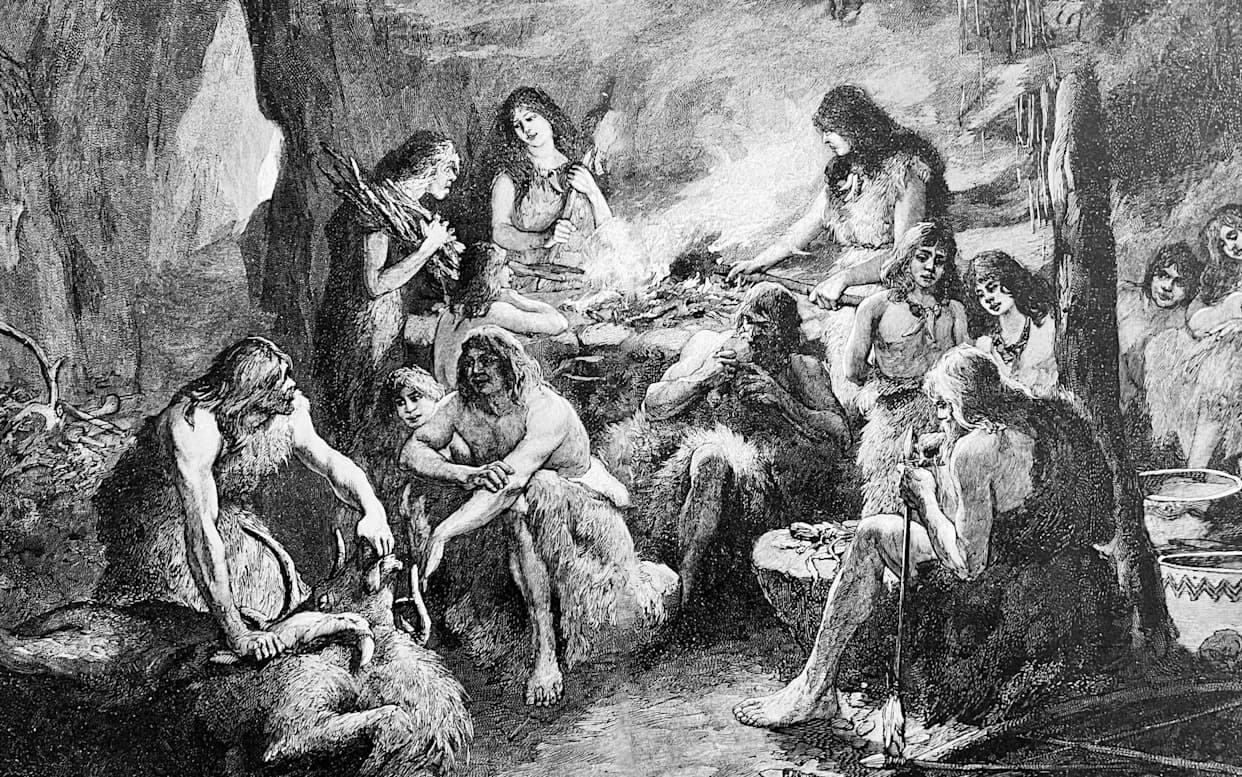
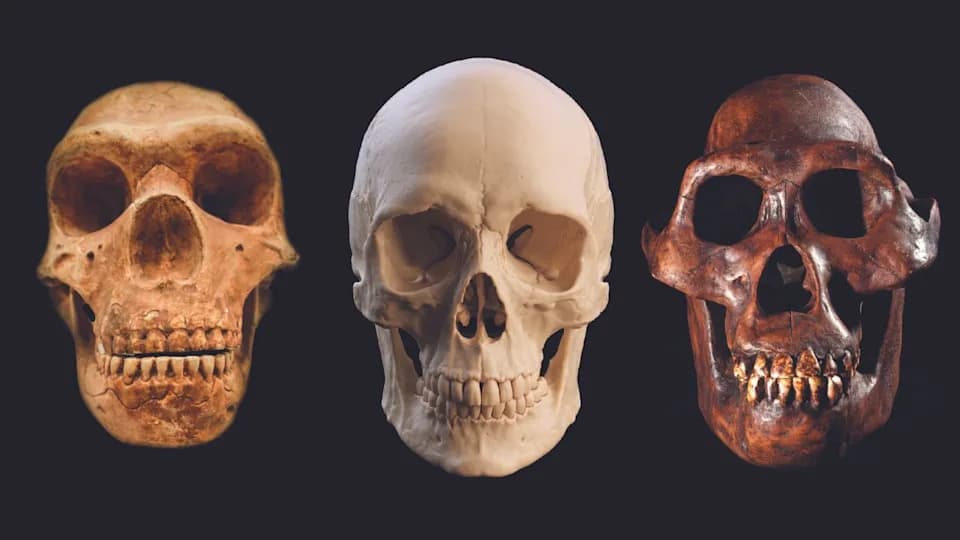
Fragments of Neanderthal bones found in a cave show that one group cannibalised women and children from another group - Digital Vision Vectors
New analyses of Neanderthal remains from Goyet cave in central Belgium, dated to roughly 45,000 years ago, reveal cut marks and other modifications consistent with butchery. The study examined six individuals — four young adult females and two male children, one as young as around six — and concludes that the bones were processed by a group distinct from the victims.
Evidence and Analyses
DNA sequencing and skeletal analysis confirm the victims were Neanderthals. Genetic and structural data indicate the processed individuals were not closely related to those who handled their remains and likely originated from a different region than the group that processed them.
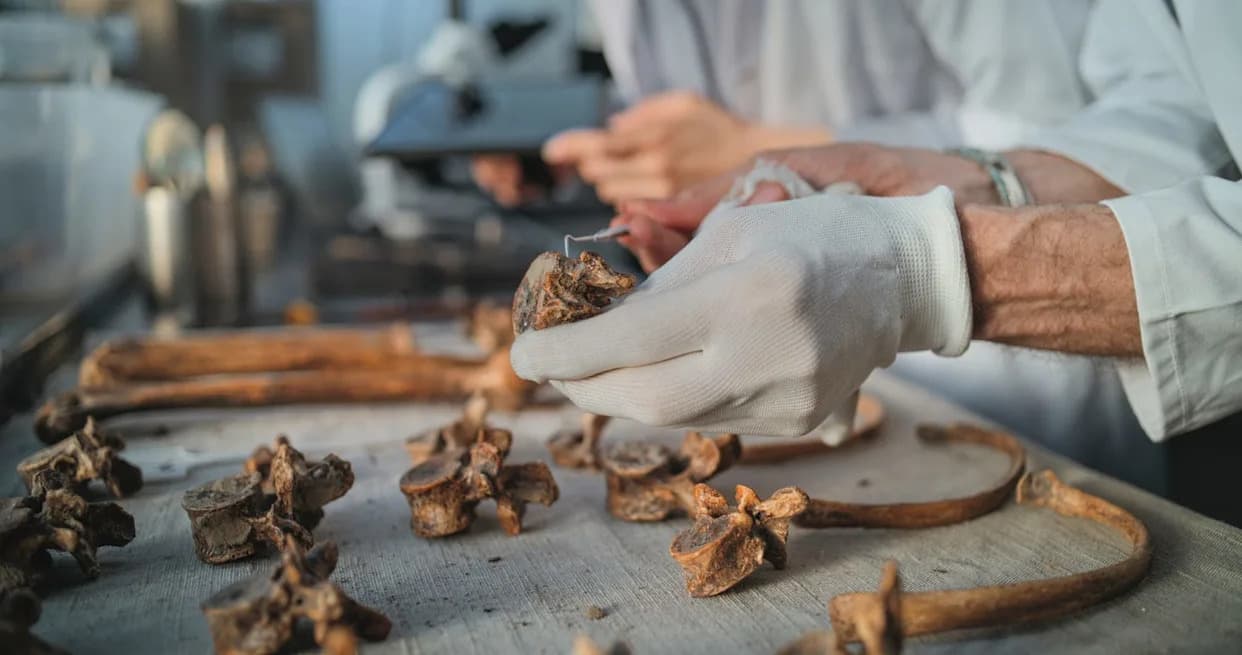
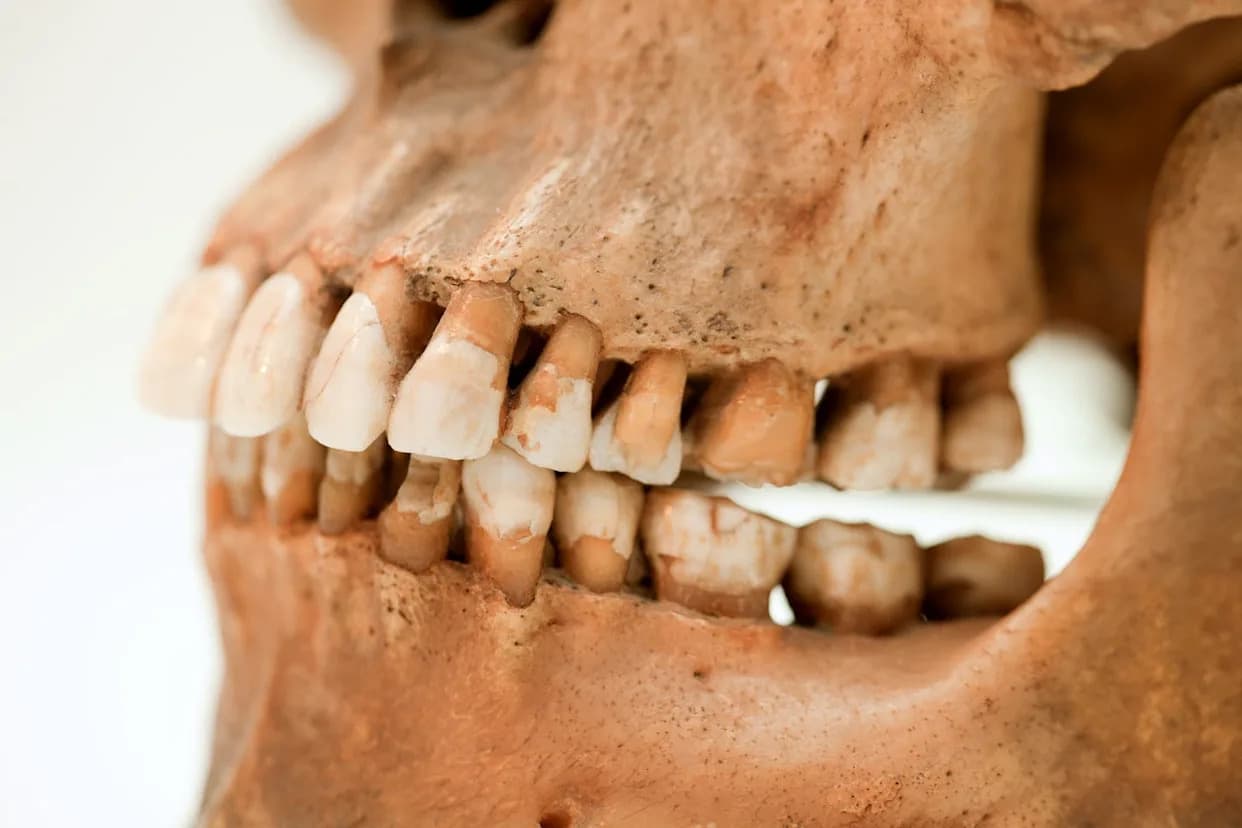
Many bones show cut marks in locations consistent with flesh removal and disarticulation; for example, marks on a child’s clavicle indicate use of a blade to cut soft tissue. Although the bones show no obvious signs of burning, the researchers note that cooking methods such as boiling or light roasting cannot be completely excluded.
How It Might Have Happened
The authors propose two main scenarios. One is a raid-and-capture model, in which a group seized women and children and carried them back to a base camp for processing. The other is in-situ killing and initial butchery at a kill site, with only transportable, edible portions carried back to the cave.
Dr Isabelle Crevecoeur, lead author and director of research at the CNRS, says the most parsimonious explanation is Neanderthal-on-Neanderthal cannibalism based on the archaeological and behavioural evidence, though early Homo sapiens cannot be entirely ruled out.
Co-author Dr Quentin Cosnefroy highlights that the processing patterns at Goyet are consistent with other documented Neanderthal-on-Neanderthal cannibalism sites and differ from later assemblages associated with Homo sapiens. Prof Chris Stringer of the Natural History Museum commented that Homo sapiens in western Europe at the time is possible but that current evidence does not firmly place them at Goyet; comparable Homo sapiens sites have been reported roughly 370 miles east at Ranis, Germany.
The research, led by scientists at the French National Centre for Scientific Research (CNRS) with collaborators, is published in Scientific Reports. The findings add to our understanding of violence, resource stress, and social behaviour among Pleistocene hominins while leaving key questions about perpetrators and motivations open.
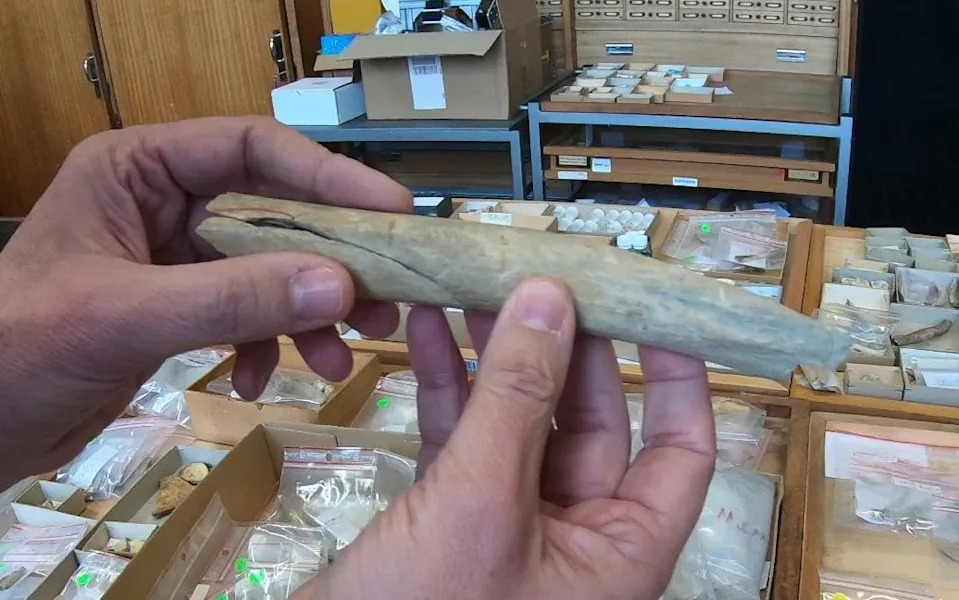
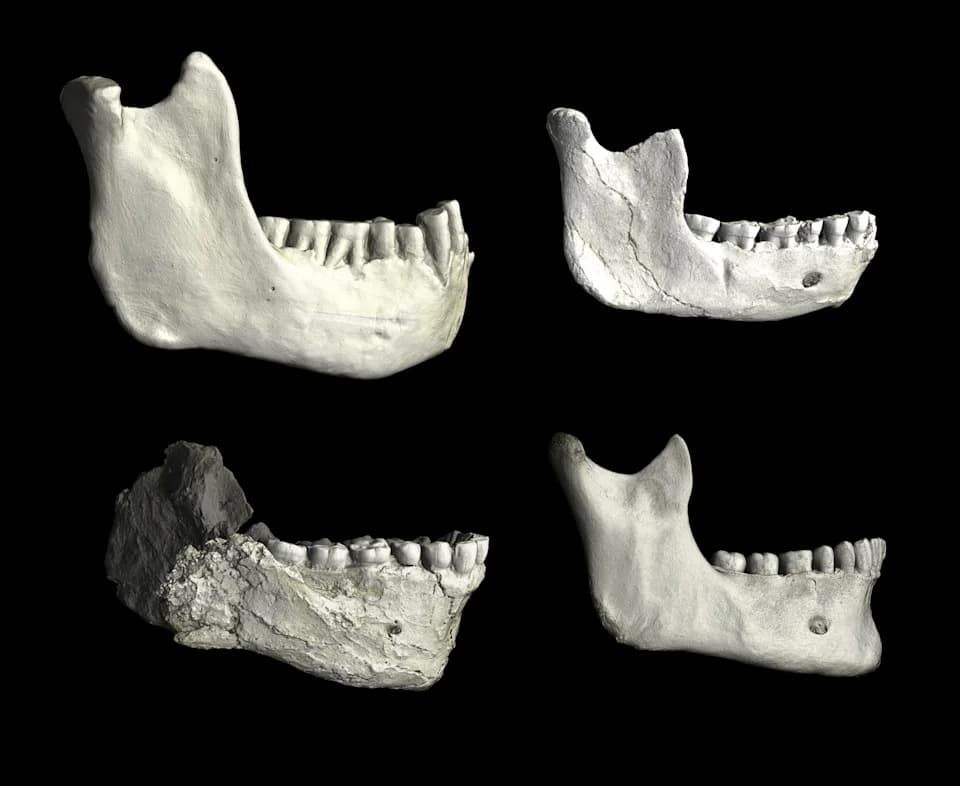
Nuclear DNA revealed that the two children, an infant and a child aged between 6.5 and 12.5 years, were boys - Belgian Institute of Natural Sciences
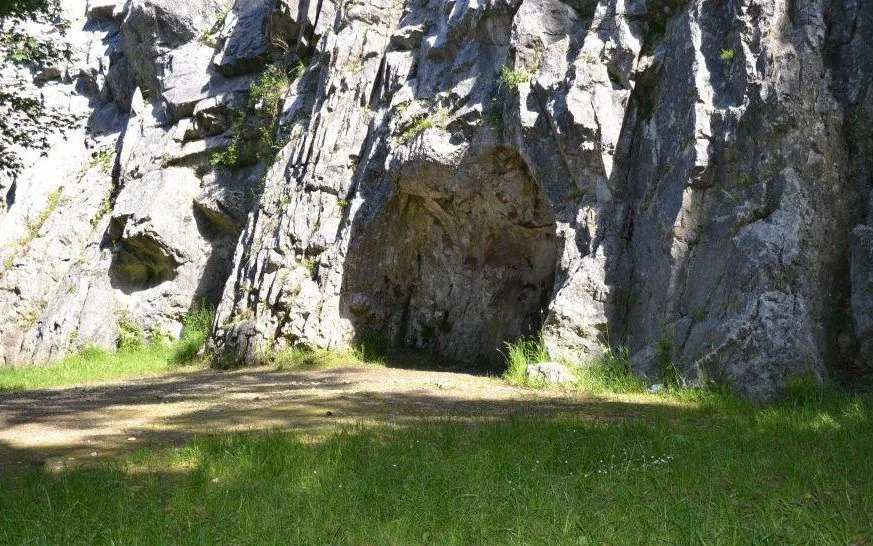
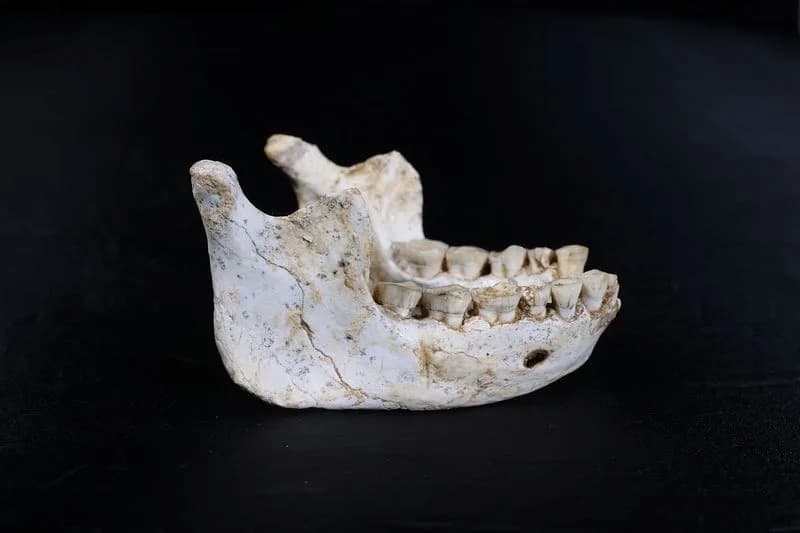
The Goyet caves contain the most significant collection of Neanderthal remains found in Northern Europe - Belgian Institute of Natural Sciences
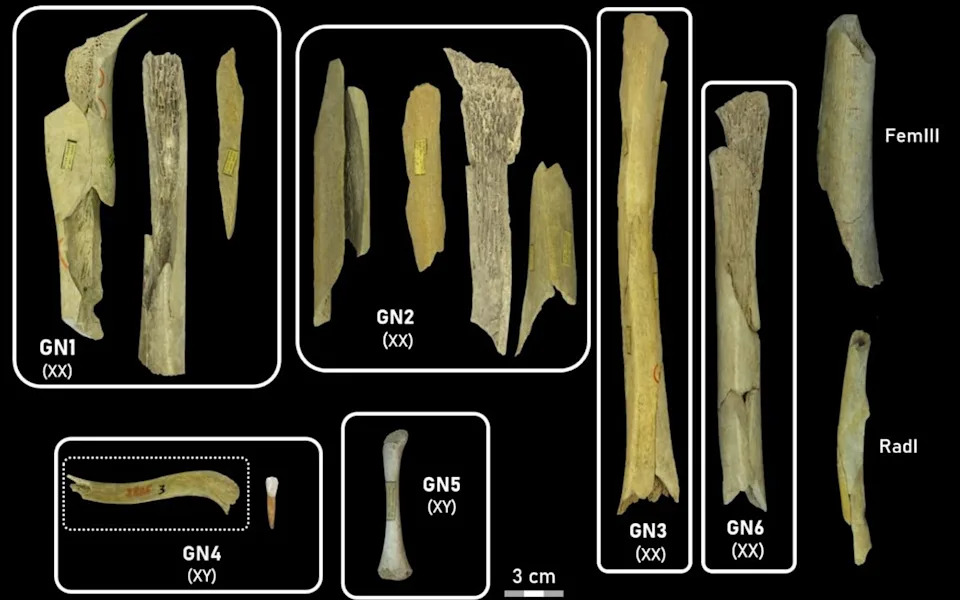
Researchers combined genetics, isotope analysis and morphology to build a picture of the victims - Belgian Institute of Natural Sciences
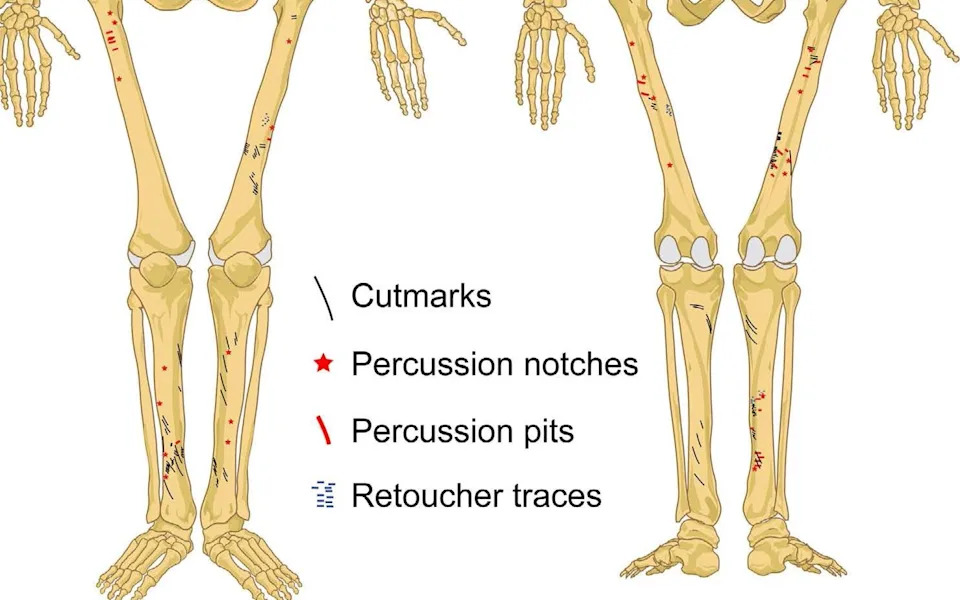
A third of the bones - mainly from the lower limbs - show traces of cannibalism including cut marks - Belgian Institute of Natural Sciences
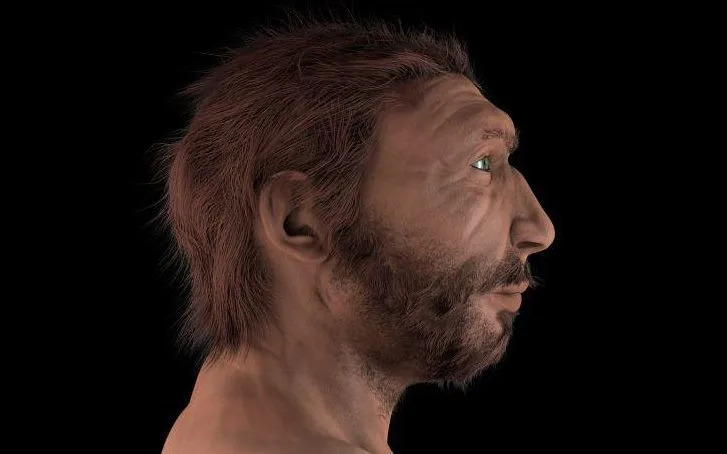
Researchers have not ruled out Homo sapiens being the cannibals, but believe the most likely culprits are other Neanderthals - Belgian Institute of Natural Sciences
Help us improve.