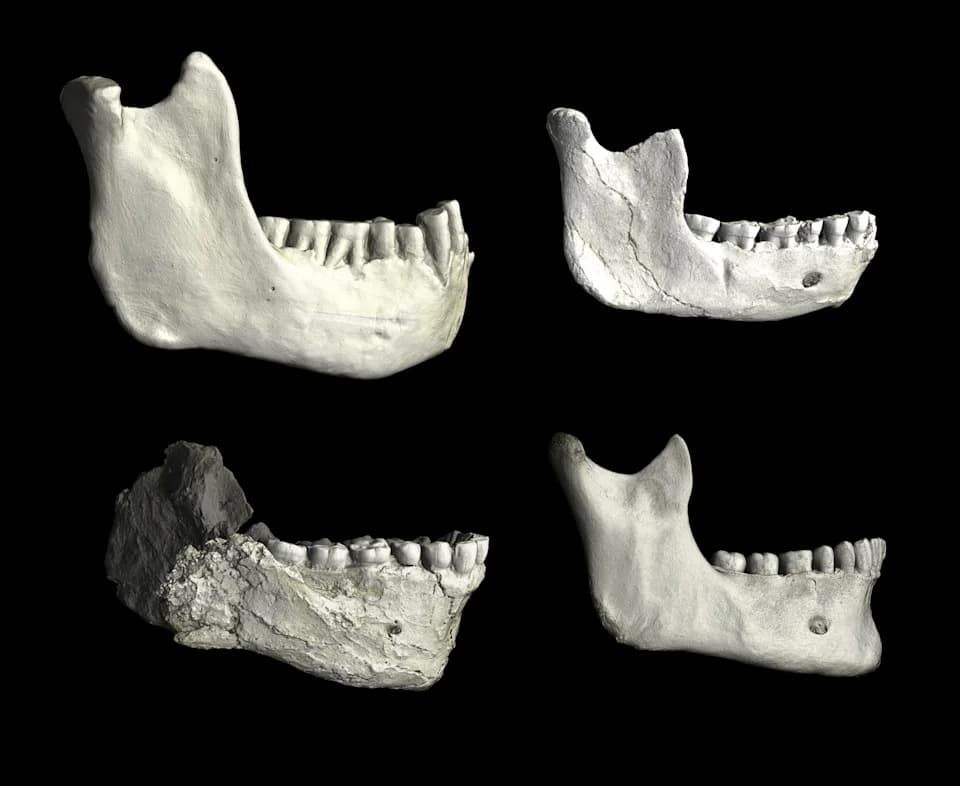
A 7,000-year-old megalithic cemetery at Wadi Nafūn in Oman shows Neolithic communities hunted and processed sharks and stingrays. Excavations by ARÚ Prague since 2020 uncovered more than 70 burials, shark-tooth ornaments and stingray barbs. Isotope analysis of bone bioapatite found nitrogen values consistent with top-tier marine predators, while strontium and oxygen signatures indicate some individuals originated over 30 miles inland. Together the evidence points to sustained, specialized marine hunting and strong coastal–inland connections.
7,000-Year-Old Omani Cemetery Reveals Neolithic Shark and Stingray Hunters
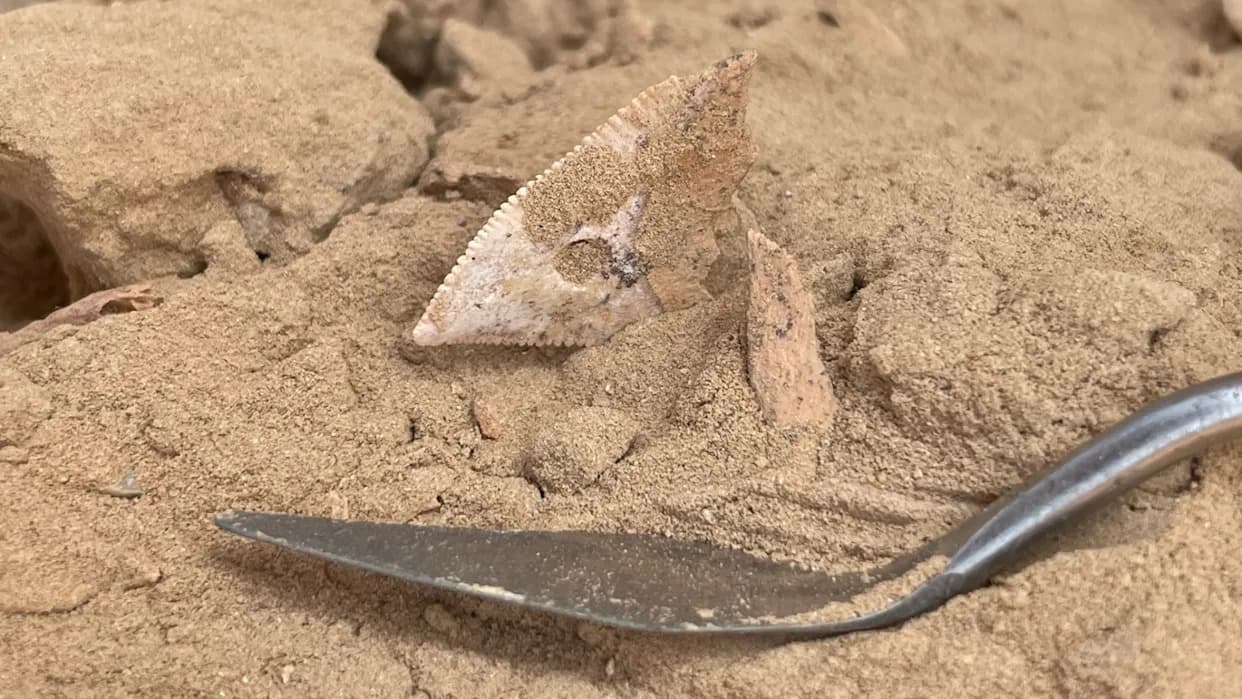
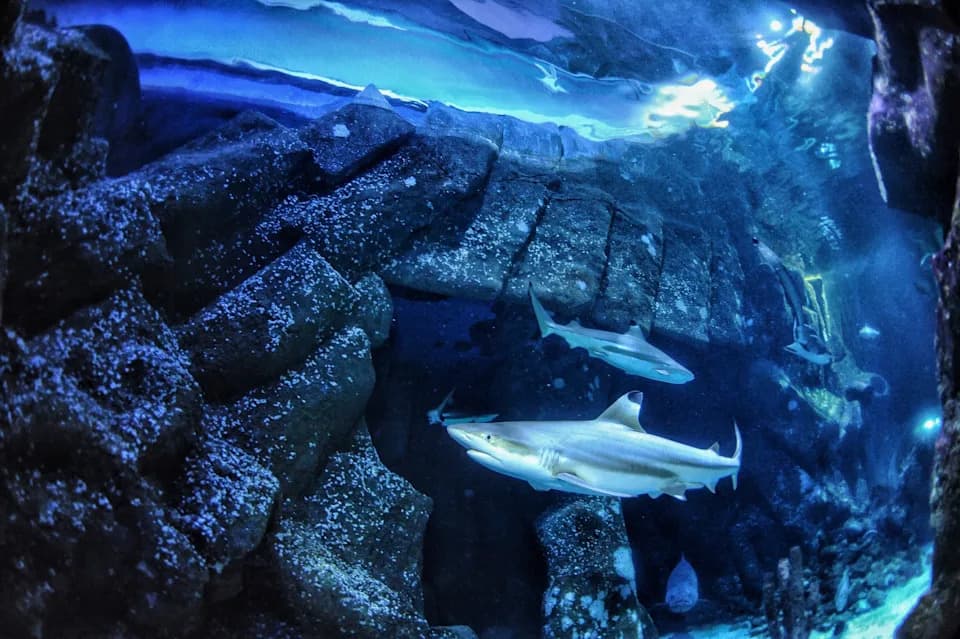
Sharks appear to have been a dietary staple for Neolithic communities in present-day Oman.
A 7,000-year-old megalithic cemetery at Wadi Nafūn in present-day Oman reveals that Neolithic communities in southern Arabia hunted and consumed large marine predators—including sharks and stingrays—to thrive in an arid environment.
Excavations and Context
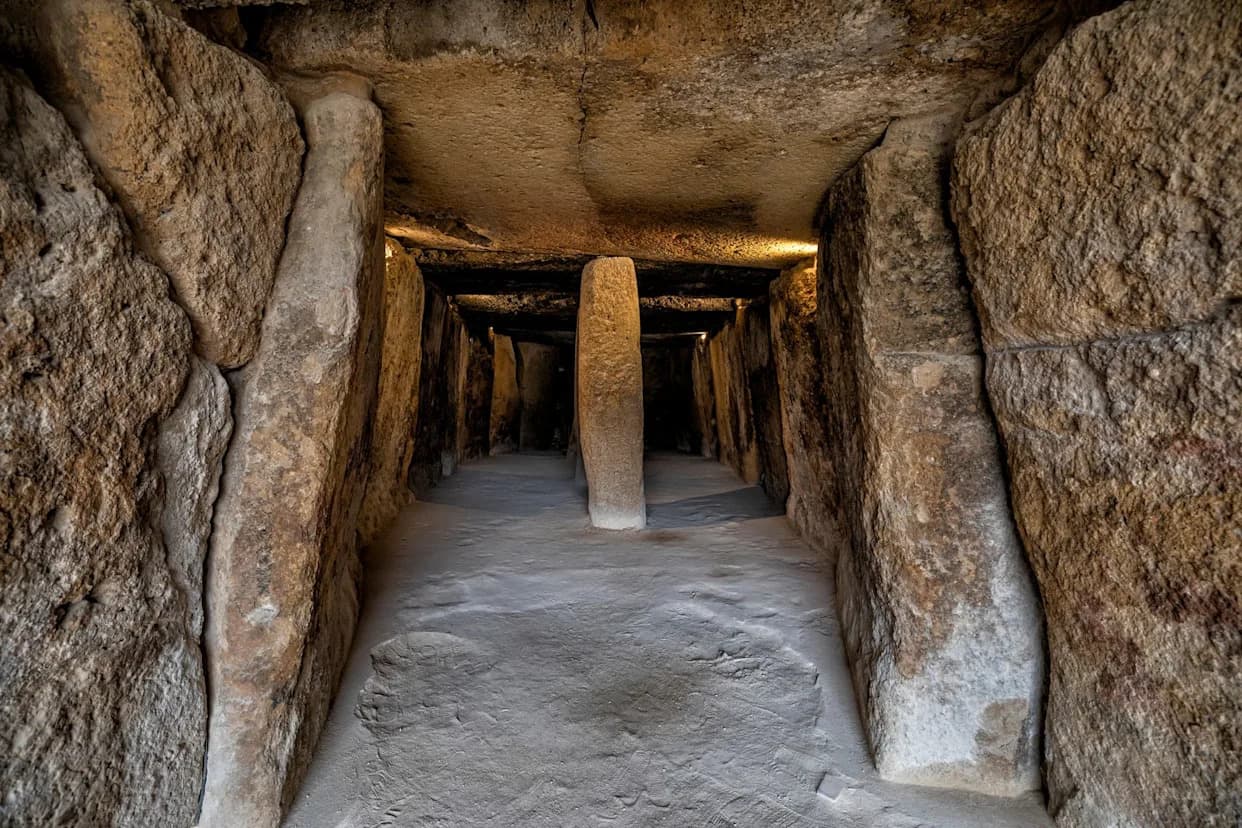
Since 2020, researchers from the Archaeological Institute of the Czech Academy of Sciences (ARÚ Prague) have been excavating Wadi Nafūn, a communal grave complex used by Neolithic groups during the 5th millennium BCE (roughly 7,000 years ago). The crypt contained more than 70 burials of men, women and children. Radiocarbon dates and the monument’s size indicate the site was used and maintained by a broader community over at least three centuries.
“This monument was not built by a single small group. It represents cooperation, shared beliefs, and repeated return to a common ceremonial landscape,” project director Danielisová said in a statement.
Scientific Methods
Because Oman’s arid climate typically degrades organic compounds in bone and teeth, the team shipped samples to laboratories in the Czech Republic to analyze bioapatite, a mineral residue that can survive long after collagen has gone. Scientists measured isotopes of carbon, oxygen and strontium to assess diet and mobility, and specific nitrogen isotope values to estimate trophic level—i.e., whether people were consuming organisms from high positions in the food chain.
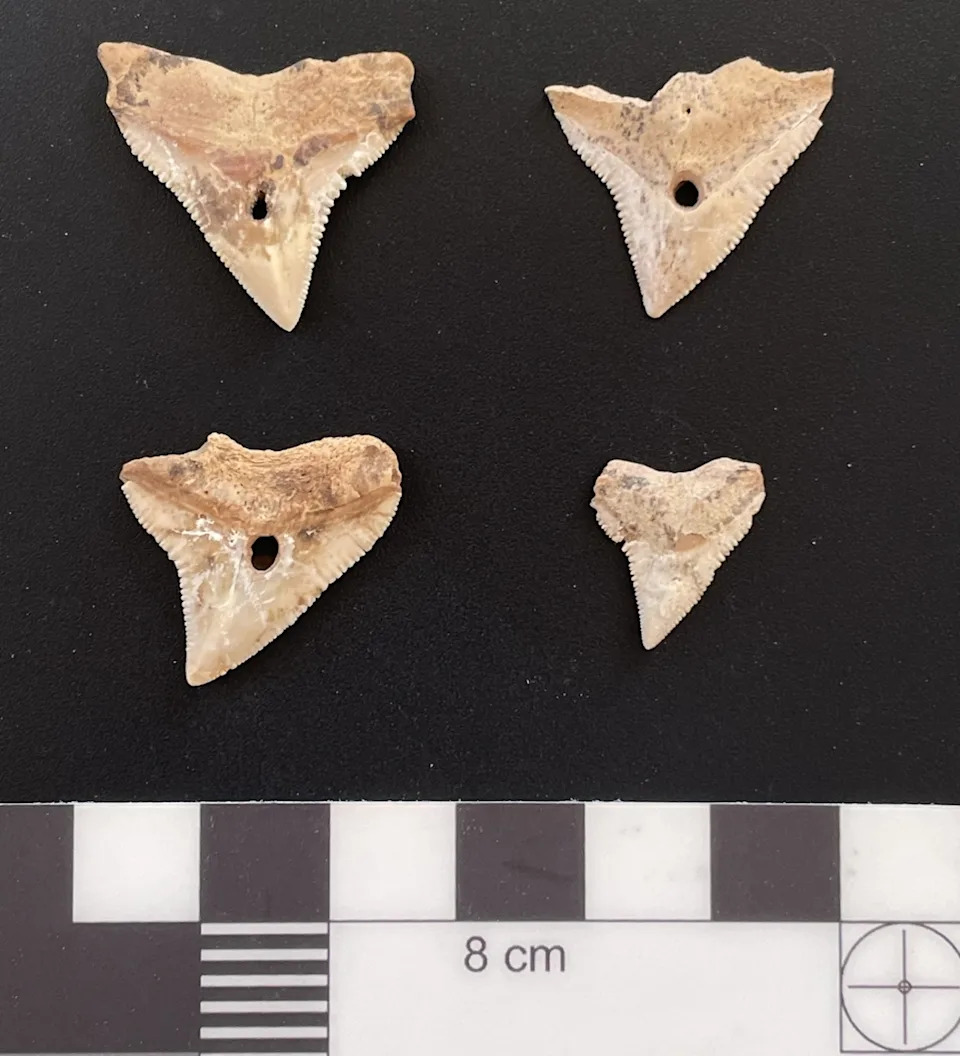
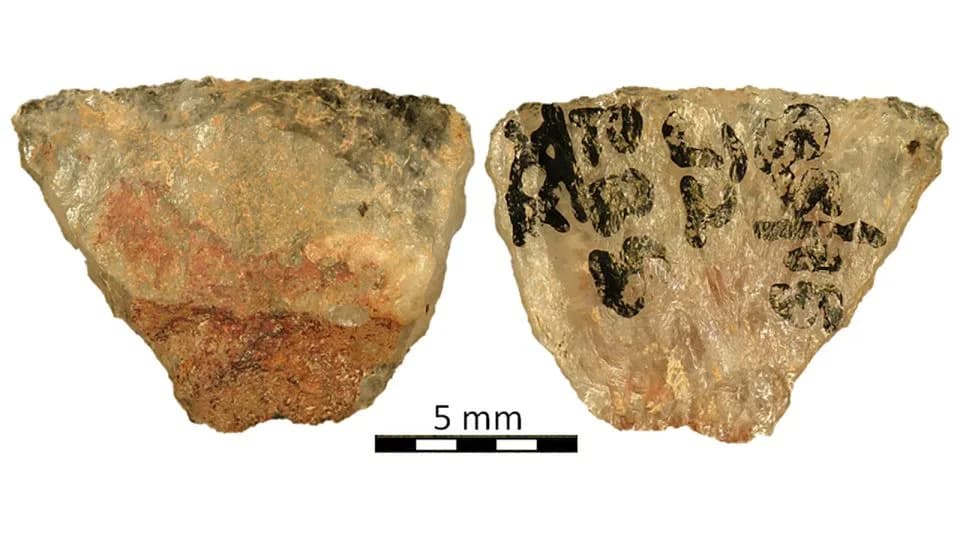
Neolithic hunters likely also wore shark teeth as pendants. Credit:ARÚ Prague
Evidence for Shark and Stingray Use
Multiple lines of evidence point to sustained exploitation of large marine predators. Isotopic signatures in bone bioapatite show nitrogen values consistent with consumption of top-tier marine species. Archaeologists also recovered shark-tooth ornaments and additional tiger shark teeth, fishing implements and stingray barbs across the site.
“We know that these were not just ordinary proteins, but proteins from the top of the food chain,” Danielisová said.
Behavioral and Mobility Insights
Osteological analysis revealed unusual dental wear patterns in the population, suggesting that people used their teeth as tools when processing catches—a behavioral signal that complements the material finds. Strontium and oxygen isotope values indicate that several adults buried at Wadi Nafūn spent their childhoods more than 30 miles inland, demonstrating regional mobility and connectivity between coastal and inland communities.
Taken together, the zooarchaeological and biochemical evidence portrays a mobile, resourceful and cooperative society that specialized, at least in part, in hunting and processing large marine predators as part of a diverse subsistence strategy in an arid environment.
“For the very first time, we were able to use natural science data to document specialized hunting of marine predators, directly by analyzing the local buried community,” Danielisová said. “The connection of this burial community with sharks is a new finding for prehistoric Arabia and other Neolithic cultures of arid zones.”
Help us improve.