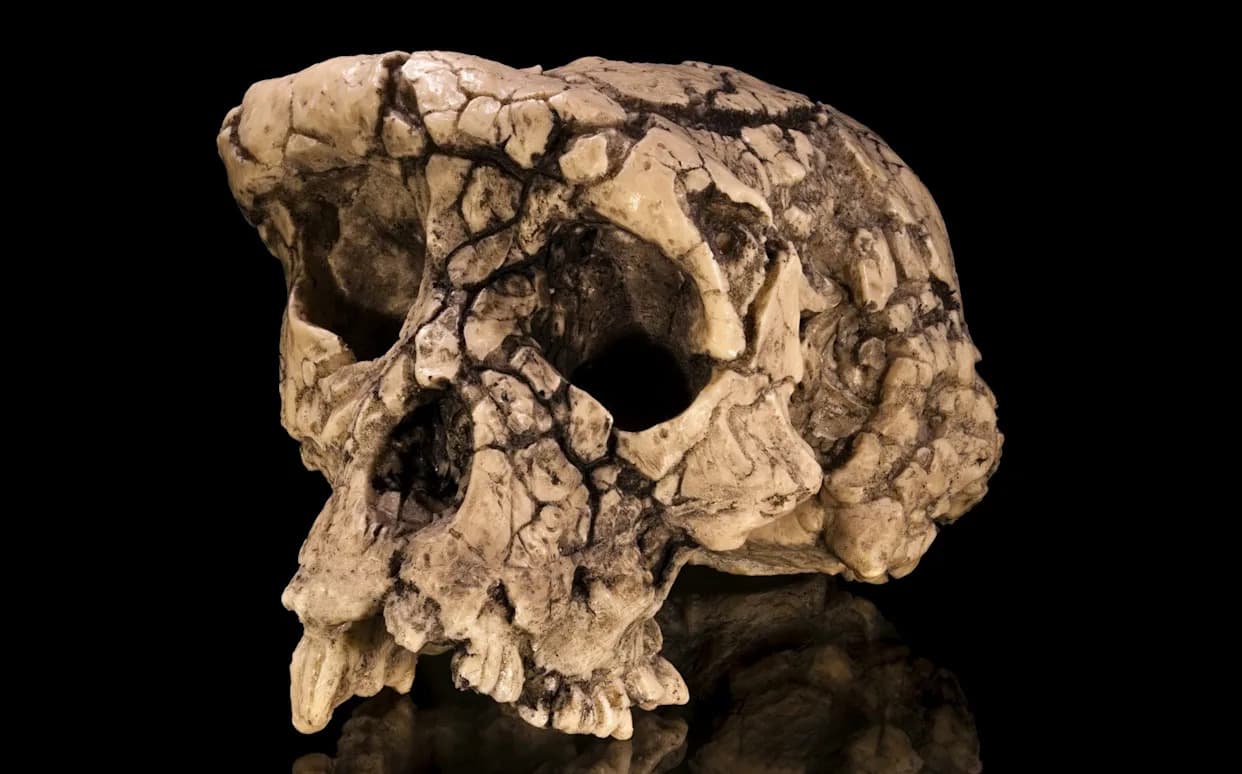
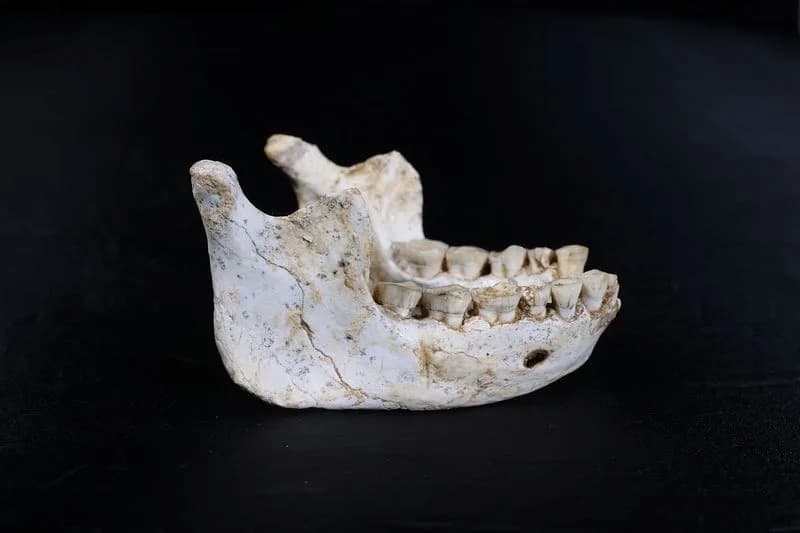
A new study identifies Australopithecus deyiremeda as a distinct species that lived alongside A. afarensis (Lucy) about 3.3–3.5 million years ago. Foot bones with an opposable big toe and additional dental and jaw fossils confirm the separate species. Isotope analysis of teeth shows A. deyiremeda ate mostly leaves, fruits and nuts, while A. afarensis had a more varied diet. The coexistence of multiple hominins suggests early human evolution was more branching and ecologically diverse than previously thought.
New Fossil Discovery: A Second Australopithecus Lived Alongside Lucy — The Human Family Tree Gets More Complex

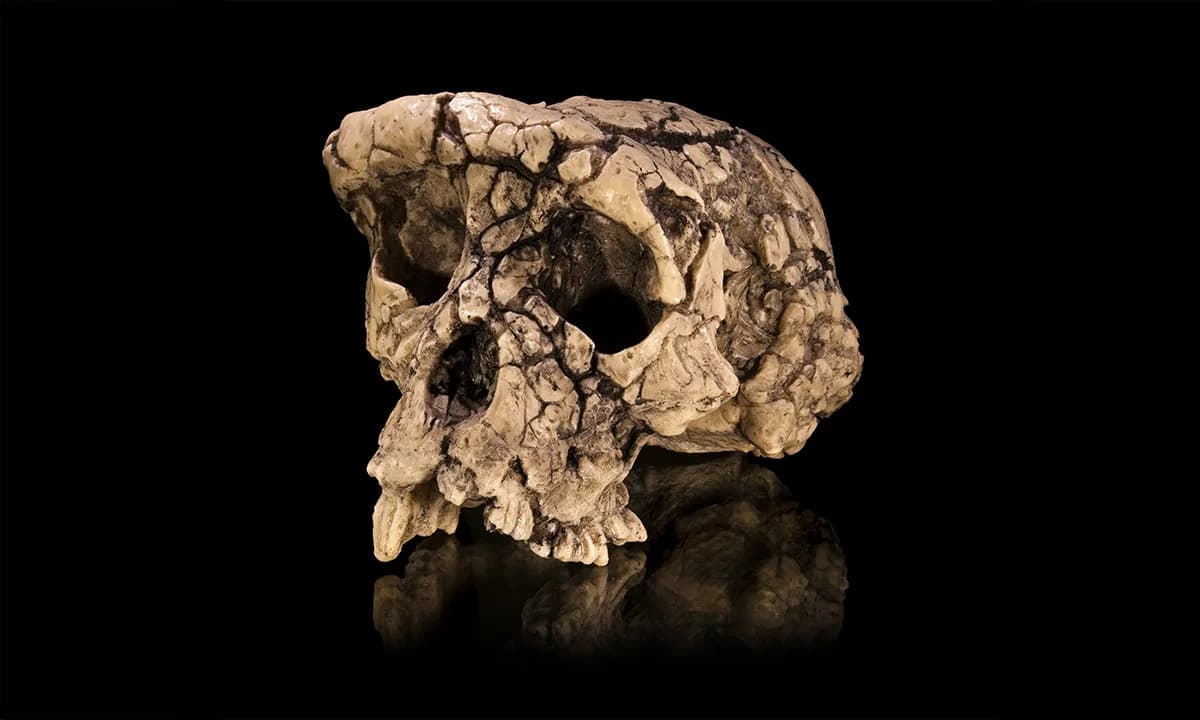
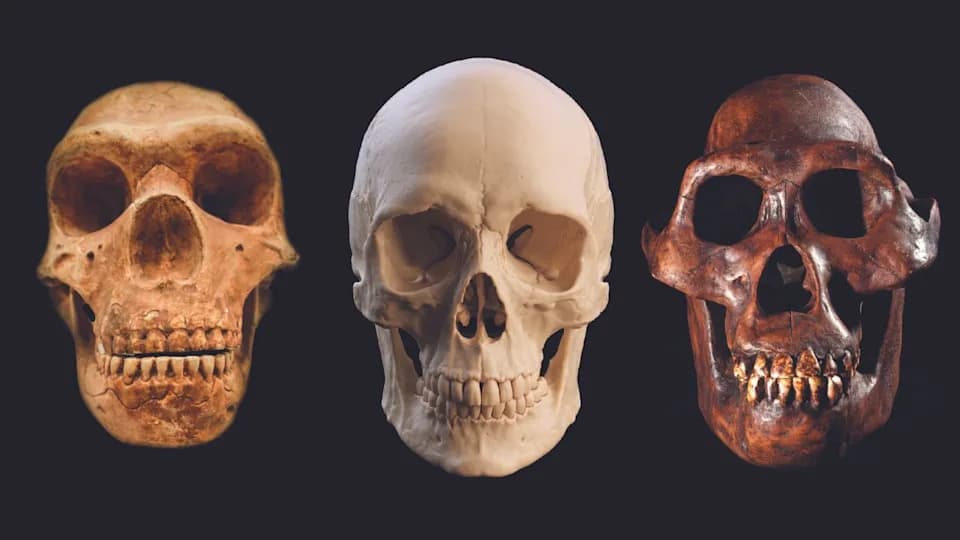
A recent study describes compelling new fossil evidence that a previously unrecognized hominin, Australopithecus deyiremeda, lived alongside the well-known Australopithecus afarensis (best represented by "Lucy") around 3.3–3.5 million years ago. The discovery deepens our understanding of early hominin diversity and suggests the evolutionary story that led to Homo was more branching than linear.
Key discoveries
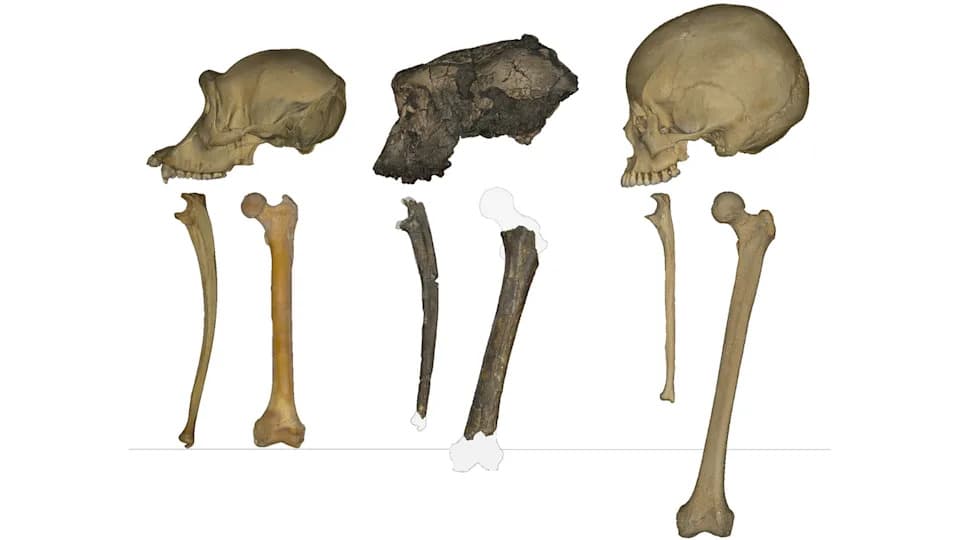
In 2009 researchers recovered eight foot bones that differed from A. afarensis. The foot included an opposable big toe well suited for climbing and other toes capable of hyperflexion, indicating an animal adapted both for moving in trees and for bipedal walking on the ground. Because naming a species usually depends on skulls, jaws and teeth, the team continued excavations to find additional material.
Confirming a new species
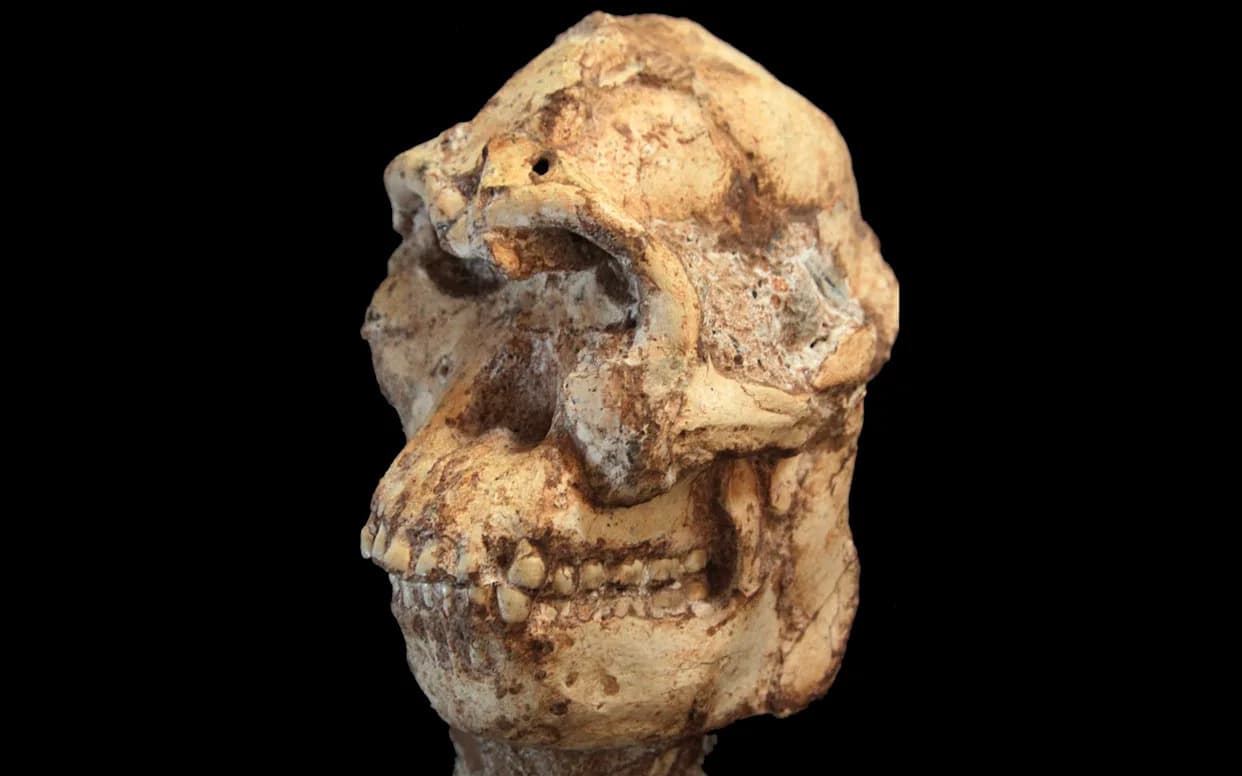
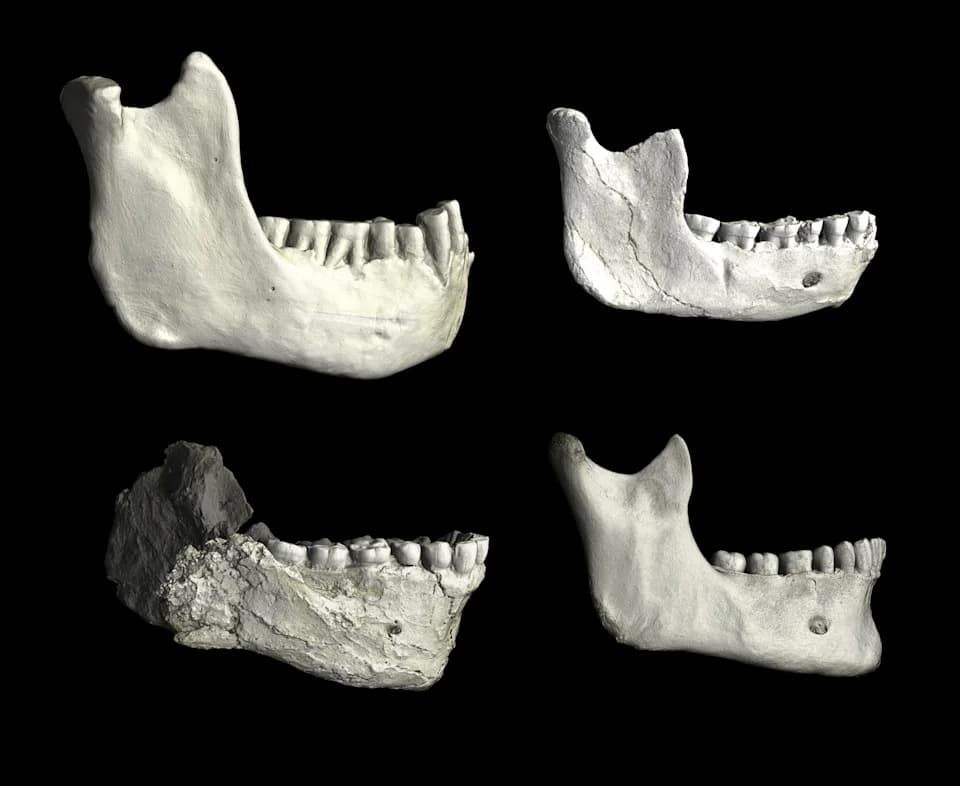
Subsequent finds—teeth and a juvenile jaw—confirmed the presence of a distinct species, now named A. deyiremeda. Comparative analysis suggests A. deyiremeda may be more closely related to the older A. anamensis than to A. afarensis, raising the possibility that A. anamensis was closer to the lineage that eventually led to Homo. If so, Lucy and her relatives might be evolutionary cousins rather than our direct ancestors.
Diet and ecology
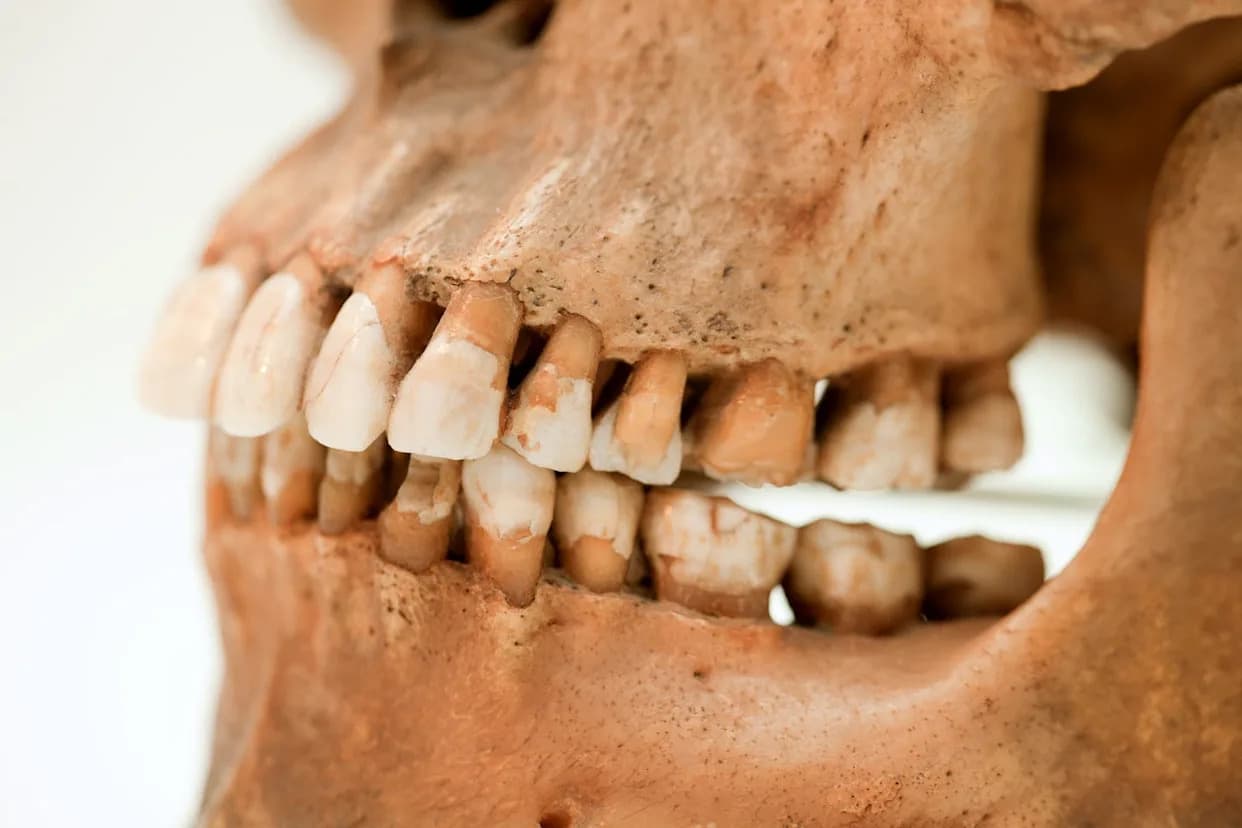
The team sampled eight teeth for isotopic analysis to investigate diet and ecological differences. The isotopic signatures indicate that A. deyiremeda consumed more leaves, fruit and tree nuts, while A. afarensis had a broader diet that included grasses and other lowland resources. The two species lived within a few miles of each other and during the same time interval, suggesting they occupied different ecological niches and reduced direct competition.
"When we found the foot in 2009 and announced it in 2012, we knew that it was different from Lucy's species, Australopithecus afarensis," said Yohannes Haile-Selassie, lead author of the study. "Crania, jaws and teeth are usually the elements used in species recognition, so we continued to search for those elements."
"I sample the tooth with a dental drill and a very tiny (<1mm) bit — the same kind of equipment dentists use," said co-author Naomi Levin. "I carefully remove small amounts of powder and analyze it for isotopic composition back in the lab."
Why it matters
The coexistence of multiple australopith species at this time demonstrates that human evolution was not a single straight line but a diverse branching process. Studying how these species adapted to changing environments can improve our understanding of past ecosystem responses to climate shifts—insights that researchers say are relevant to understanding and responding to modern climate change.
Researchers emphasize that more fossil discoveries are needed to clarify relationships, behavior and the precise role these species played in the emergence of later hominins.
Help us improve.