A new Nature paper links tooth and jaw fragments to the 3.4-million-year-old Burtele foot and assigns the material to Australopithecus deyiremeda. Some researchers argue this evidence makes A. anamensis (c. 4.2–3.8 Ma) a more likely ancestor of later hominins than Lucy's species, A. afarensis, while others call that conclusion premature. Experts remain divided — and even co-authors disagree — underscoring that human evolution was a complex, braided process rather than a single straight line. More fossils and analyses are needed to resolve the debate.
New Study Challenges 'Lucy' as Our Direct Ancestor, Sparking Fierce Scientific Debate

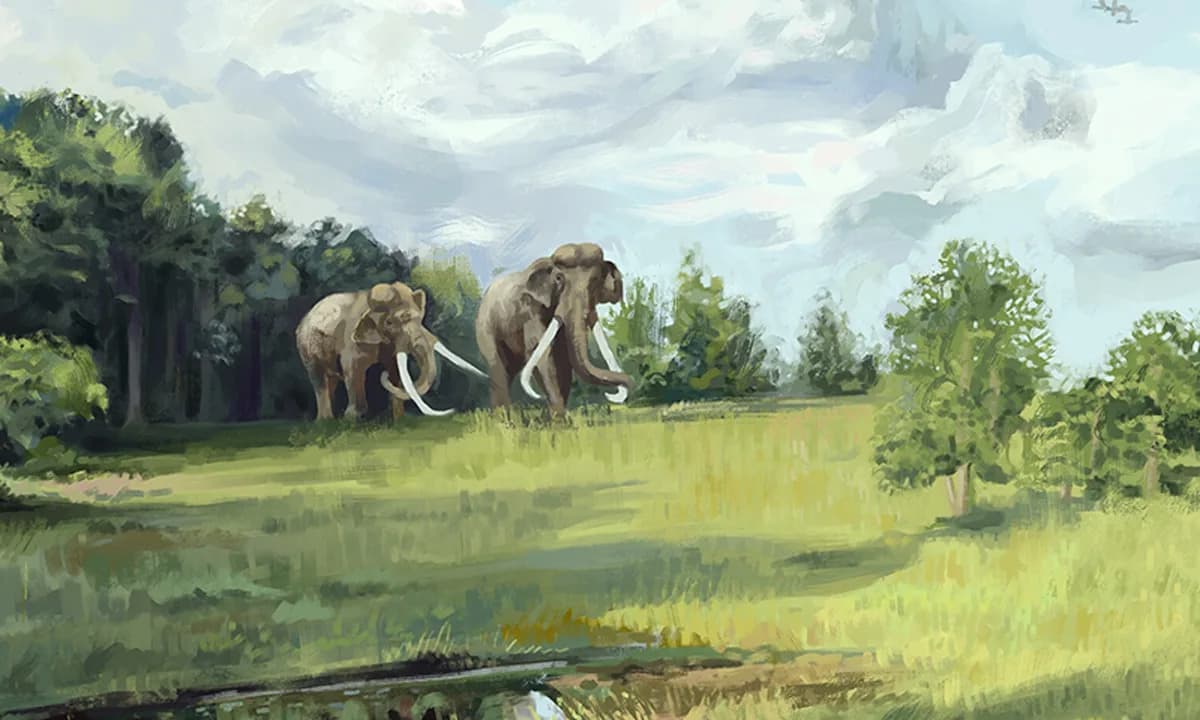
Many different ancient human relatives lived at the same, but that makes it tricky to know which one humans descended from. . | Credit: Jose A. Bernat Bacete via Getty Images
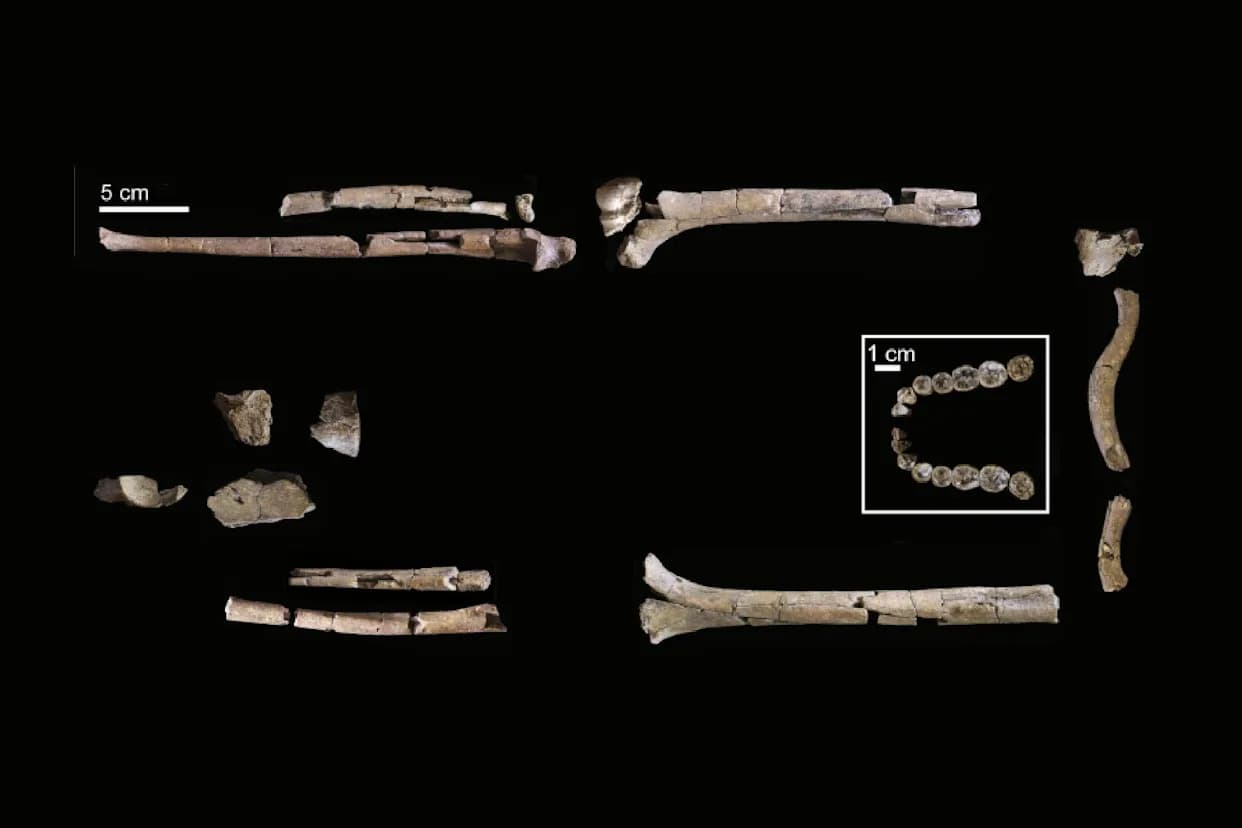
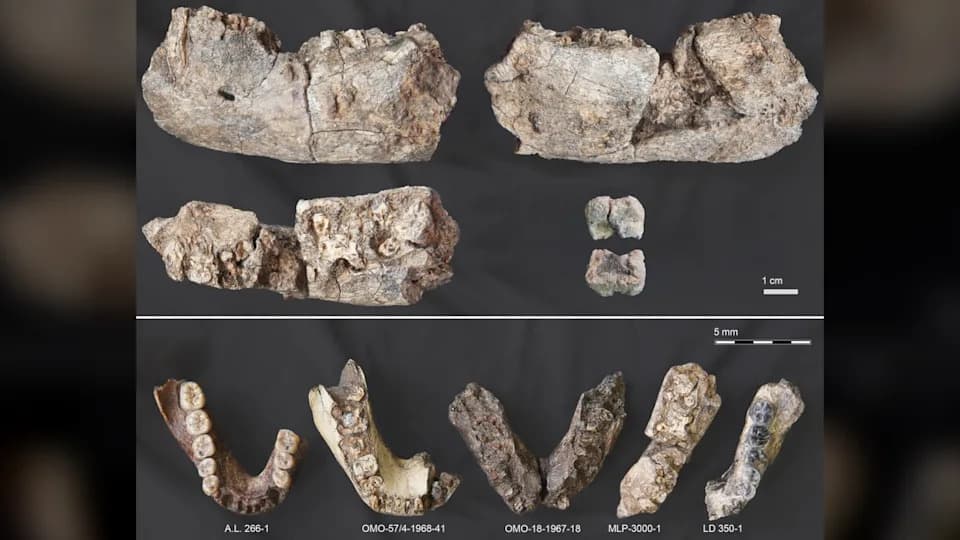
For decades the famous "Lucy" fossil—Australopithecus afarensis—has been widely portrayed as the most likely direct ancestor of later hominins, including the lineage that led to Homo. A recent paper in Nature, however, has reignited debate by linking newly found tooth and jaw fragments to the 3.4-million-year-old "Burtele foot" and assigning that material to the controversial species Australopithecus deyiremeda. Some researchers now argue this evidence could reposition an older species, A. anamensis, as the direct ancestor of later hominins rather than Lucy's species.
Why This Matters
The new material suggests A. deyiremeda and the South African A. africanus may be more closely related to each other than either is to A. afarensis. If that phylogenetic arrangement is correct, both could descend from the older East African species A. anamensis (c. 4.2–3.8 Ma), potentially making A. anamensis the ancestor of later hominins, including the Homo lineage.
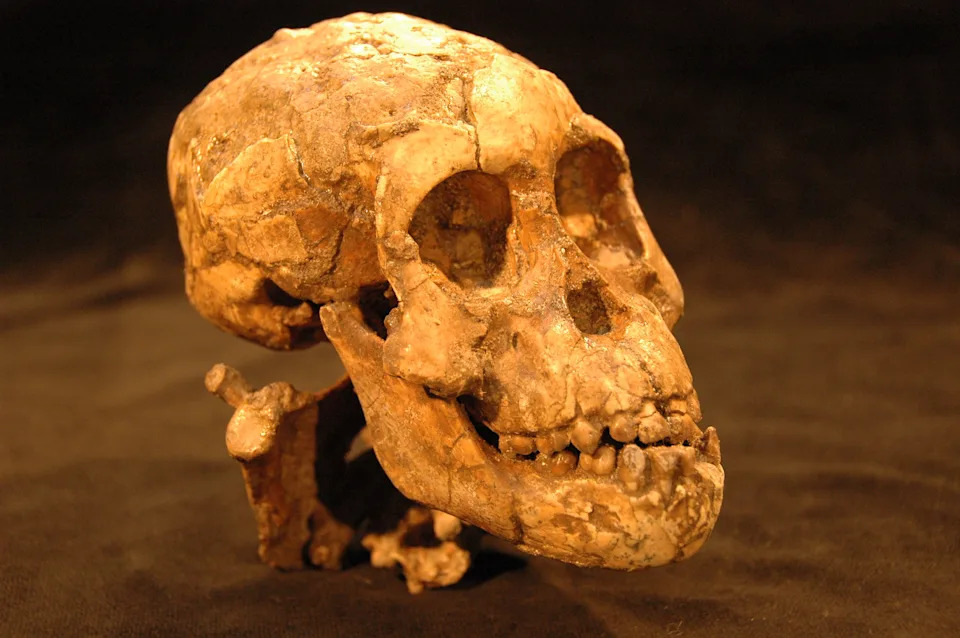
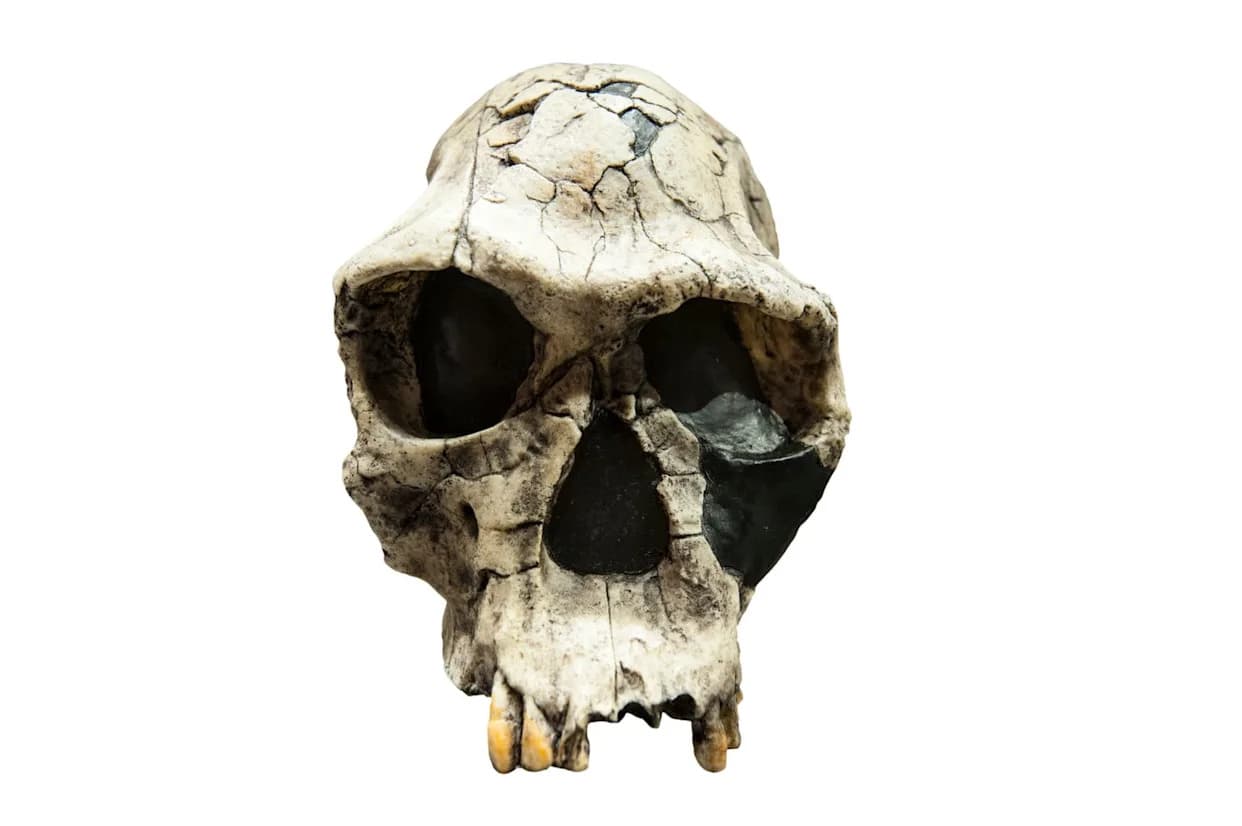
The skull of a 3-year-old femaleAustralopithecus afarensis, dated to 3.3 million years ago, discovered at the site of Dikika in Ethiopia. | Credit: Zeresenay Alemseged
Mixed Reactions From Experts
Responses to the study are sharply divided. Some researchers — including commentators not involved in the study — call the findings a strong challenge to Lucy's iconic status. Others describe the interpretation as speculative or premature, arguing that current evidence is insufficient to overturn longstanding views. Even members of the study team disagree on the broader implications: one co-author supports displacing A. afarensis, while the study's lead author maintains Lucy remains the best candidate to explain later hominins.
"This is not altering our picture of human evolution in any way, in my opinion," said Zeray Alemseged, a paleoanthropologist at the University of Chicago, illustrating the divide among experts.
Context: A Bushy, Braided Evolutionary History
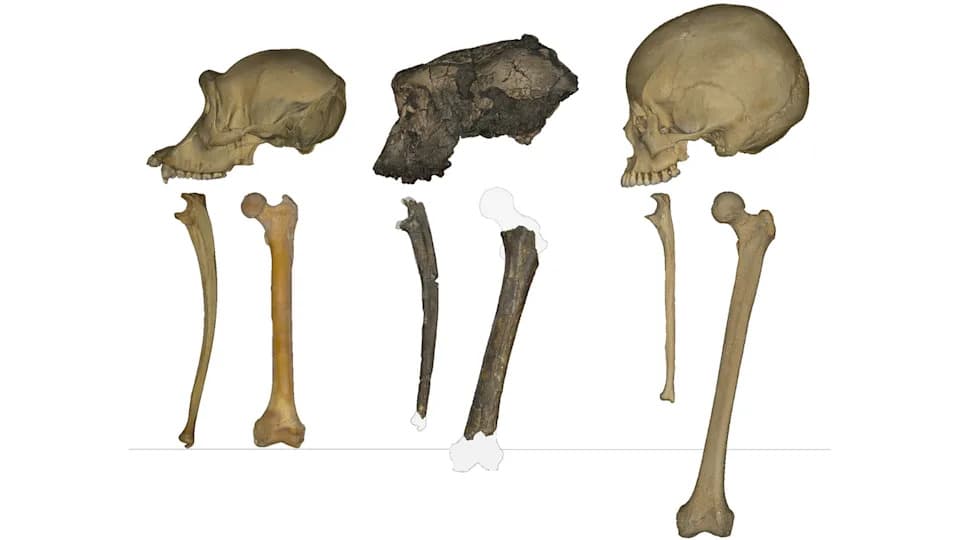
Human evolution in the period from roughly 3.5 to 2 million years ago appears to have been complex and reticulate, with multiple australopith species coexisting, diverging, and sometimes recombining across Africa. A. afarensis (c. 3.9–3.0 Ma) retains many attributes that make it a plausible ancestor—bipedalism, wide geographic range, dietary flexibility, and potential use of early tools—but convergent evolution could mean some humanlike traits evolved independently in different lineages.
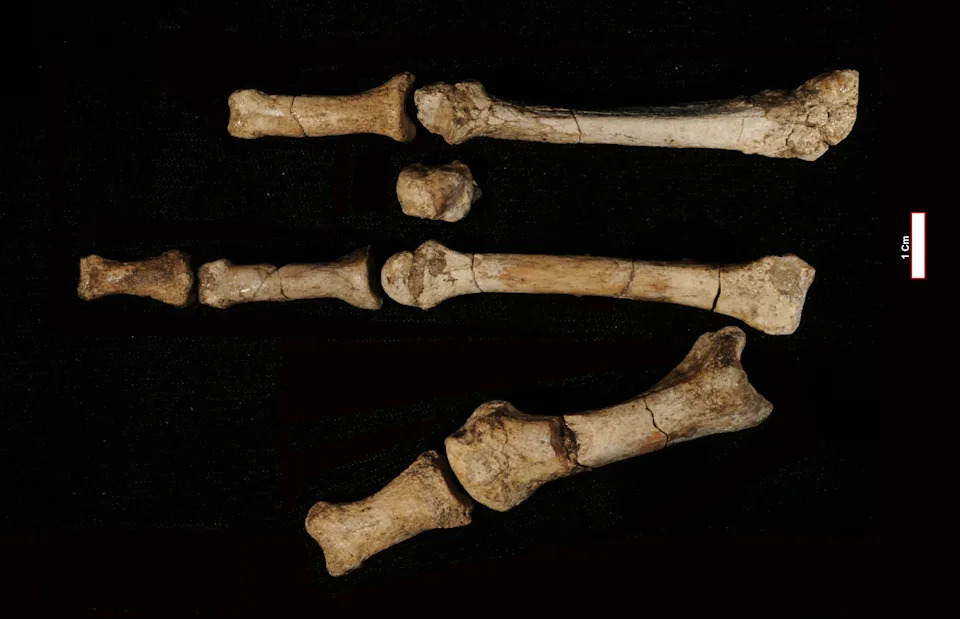
The Burtele foot is the right foot of an adultAustralopithecus deyiremeda, who lived around 3.5 million to 3.3 million years ago. | Credit: Yohannes Haile-Selassie
What We Still Don’t Know
Fossil coverage is uneven across regions and time, and the earliest known Homo fossil is a 2.8-million-year-old jaw from Ethiopia, though models push the origin of Homo earlier. Many researchers therefore favor an East African origin for our genus. Ultimately, experts warn that a single, definitive "smoking gun" identifying one direct ancestor may never be found; instead, ongoing discoveries will refine our picture of a diverse, braided evolutionary past.
Bottom line: The new Nature paper adds important evidence and fresh perspectives but does not yet deliver a consensus. It emphasizes how dynamic and contested the human family tree remains and underscores the need for additional fossils and rigorous analysis.
Help us improve.