New analysis of limb bones attributed to Sahelanthropus tchadensis strengthens the case that this 7-million-year-old species practiced some form of upright walking. Researchers identified a femoral tubercle — the iliofemoral ligament attachment seen in bipedal hominins — plus femoral torsion and muscle-attachment patterns that support hip stability. Although S. tchadensis had a small brain and relatively short legs, its femur proportions resemble later Australopithecus, suggesting early habitual (but not obligate) bipedalism and a gradual shift toward full-time upright walking.
New Limb-Bone Evidence Suggests 7-Million-Year-Old Ape Walked Upright
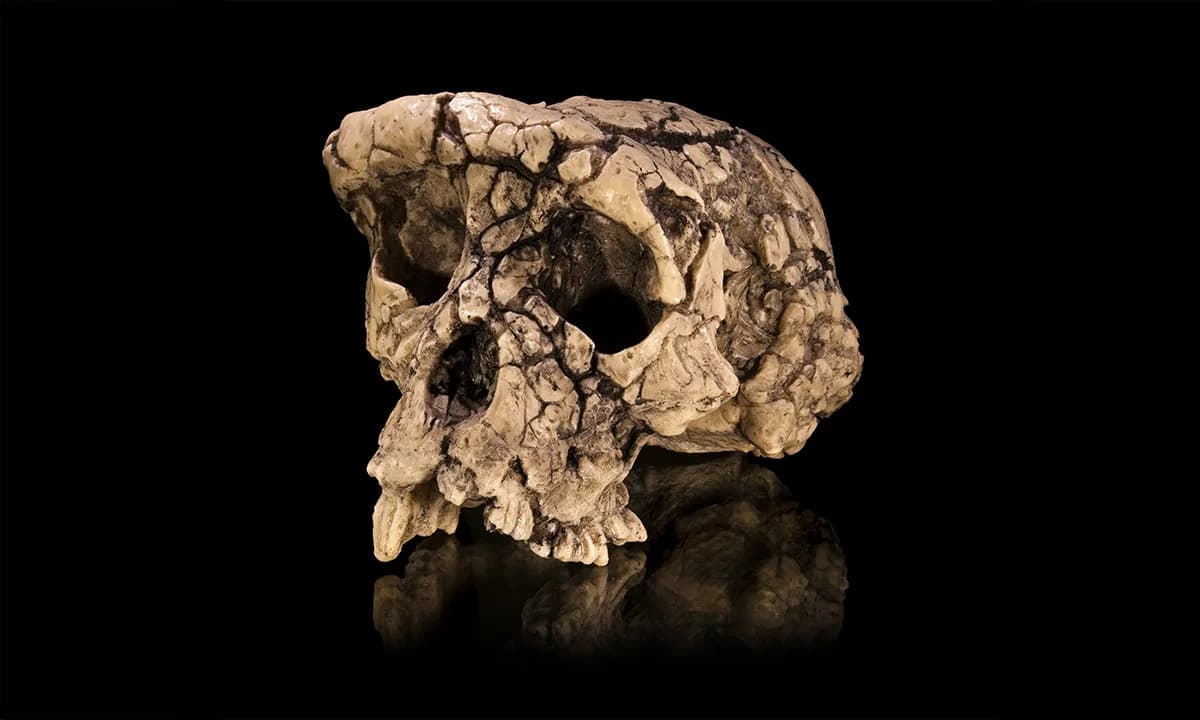
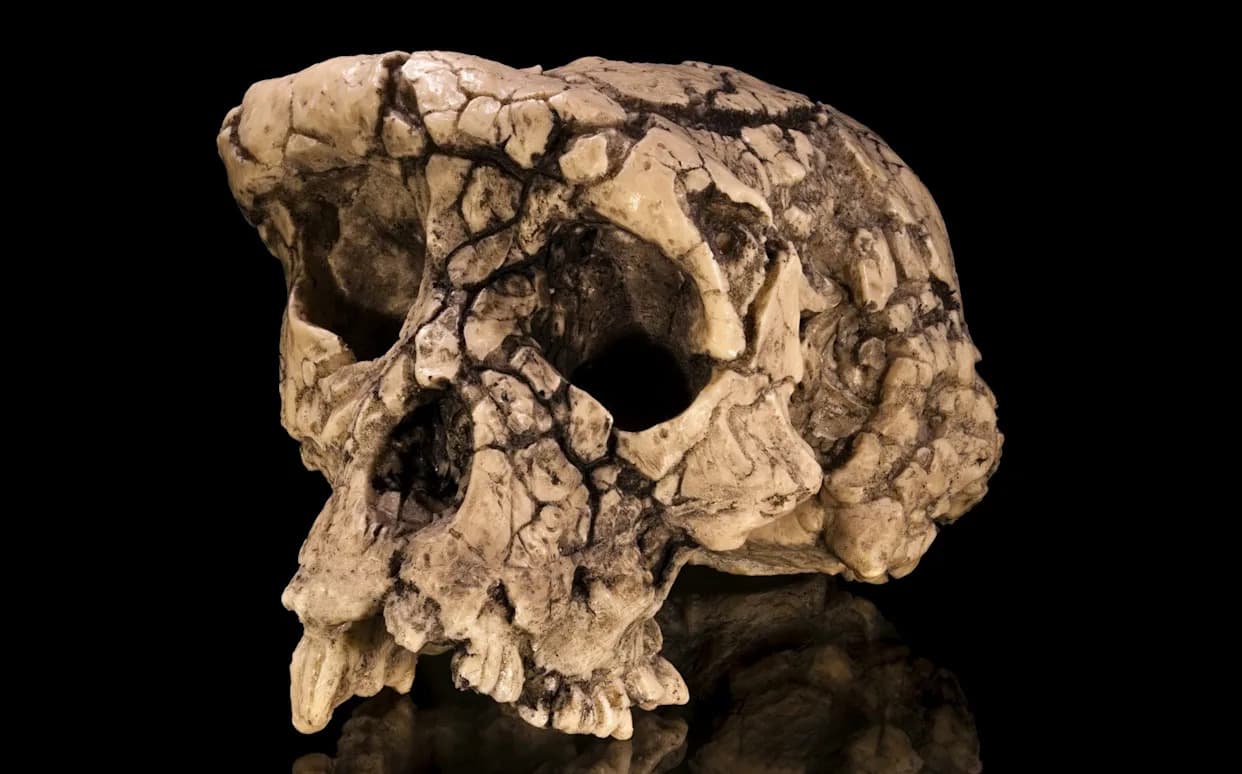
Lead image: Didier Descouens / Wikimedia Commons
Walking upright on two legs — bipedalism — is one of the key traits that distinguishes humans from other apes. New analysis of limb bones attributed to Sahelanthropus tchadensis strengthens the case that this roughly 7-million-year-old species practiced some form of upright walking, placing bipedalism near the root of the human lineage.
New Evidence From the Femur and Forearm
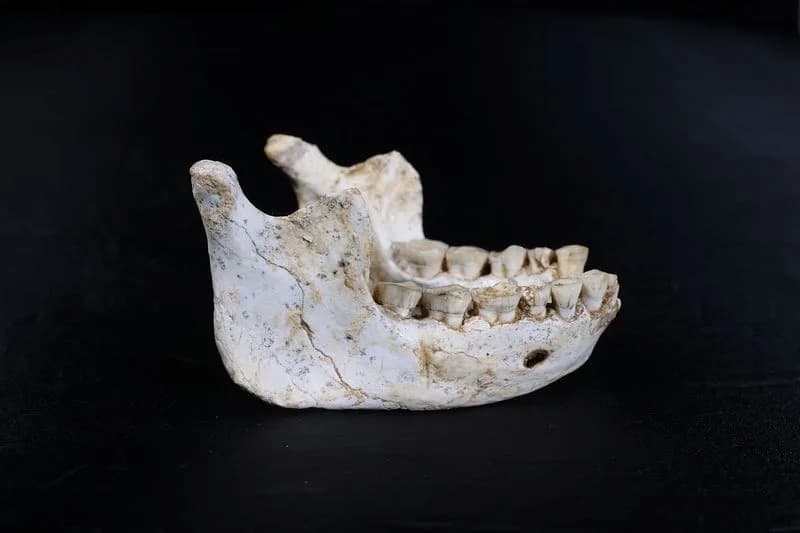
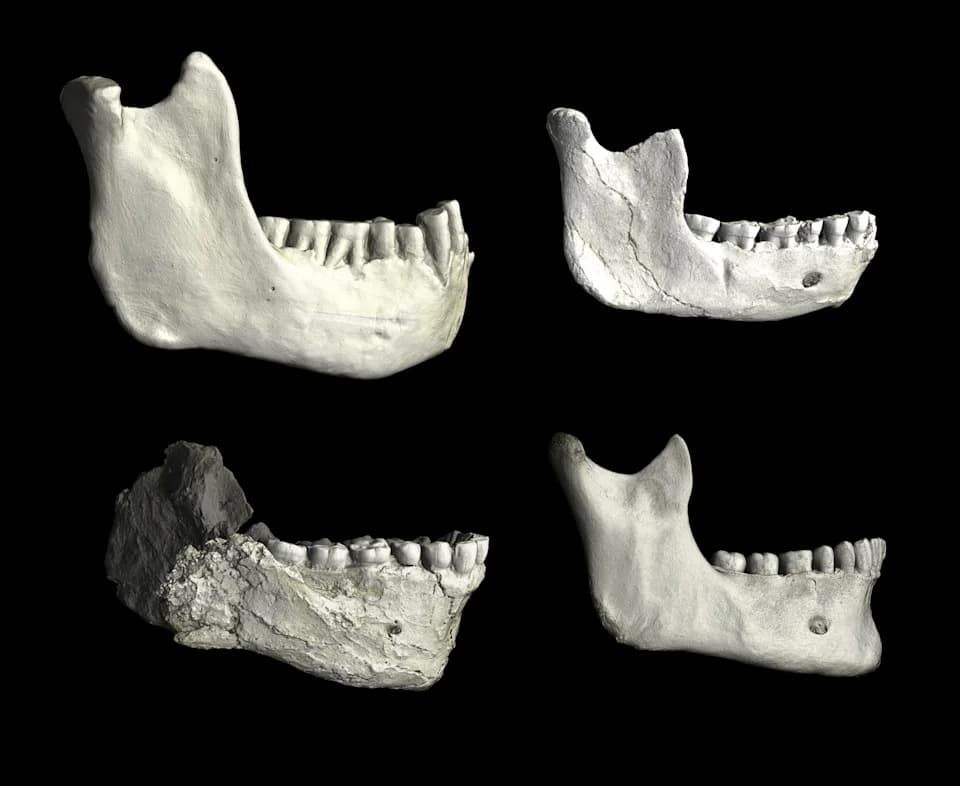
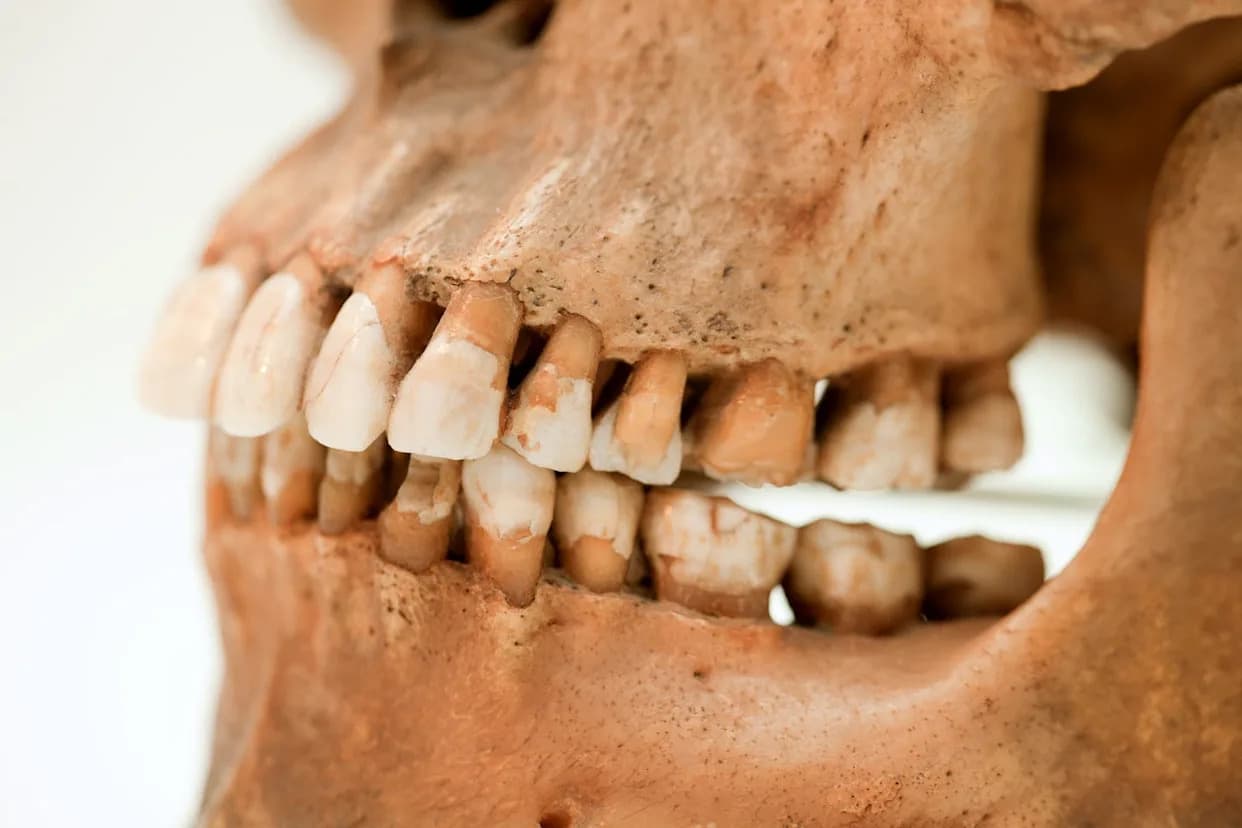
Initial finds of S. tchadensis included jaw fragments, teeth and most of a cranium recovered in what is now Chad. Later studies attributed postcranial fragments — two pieces of forearm (ulna) and part of a femur — to the same species. A U.S.-based team recently reanalyzed those limb bones and reported their results in Science Advances.
Key Anatomical Indicators of Bipedalism
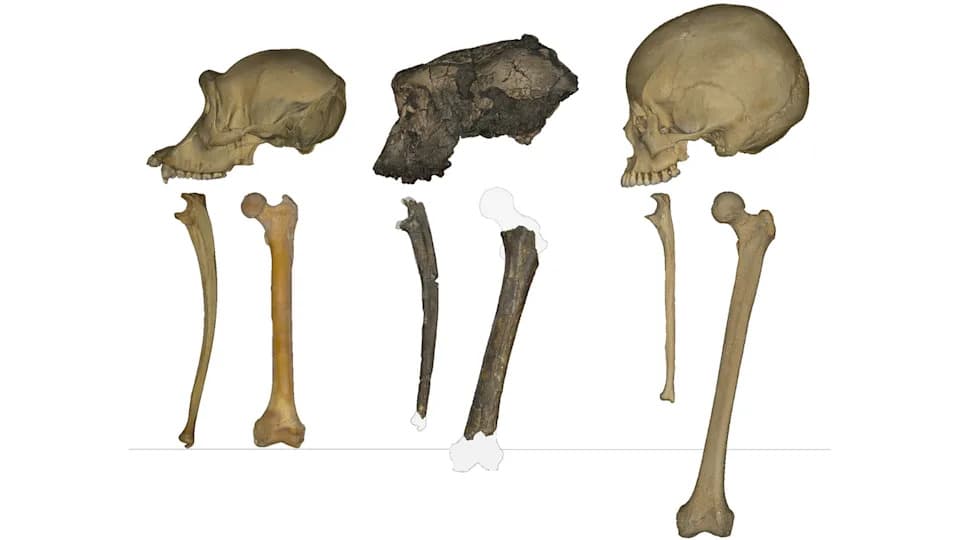
The researchers identified a femoral tubercle, a bony prominence on the femur where the iliofemoral ligament attaches. The iliofemoral ligament is the largest and most powerful ligament connecting pelvis and femur in humans, and the tubercle has previously been observed only in bipedal hominins. That makes it a compelling marker for upright posture during locomotion.
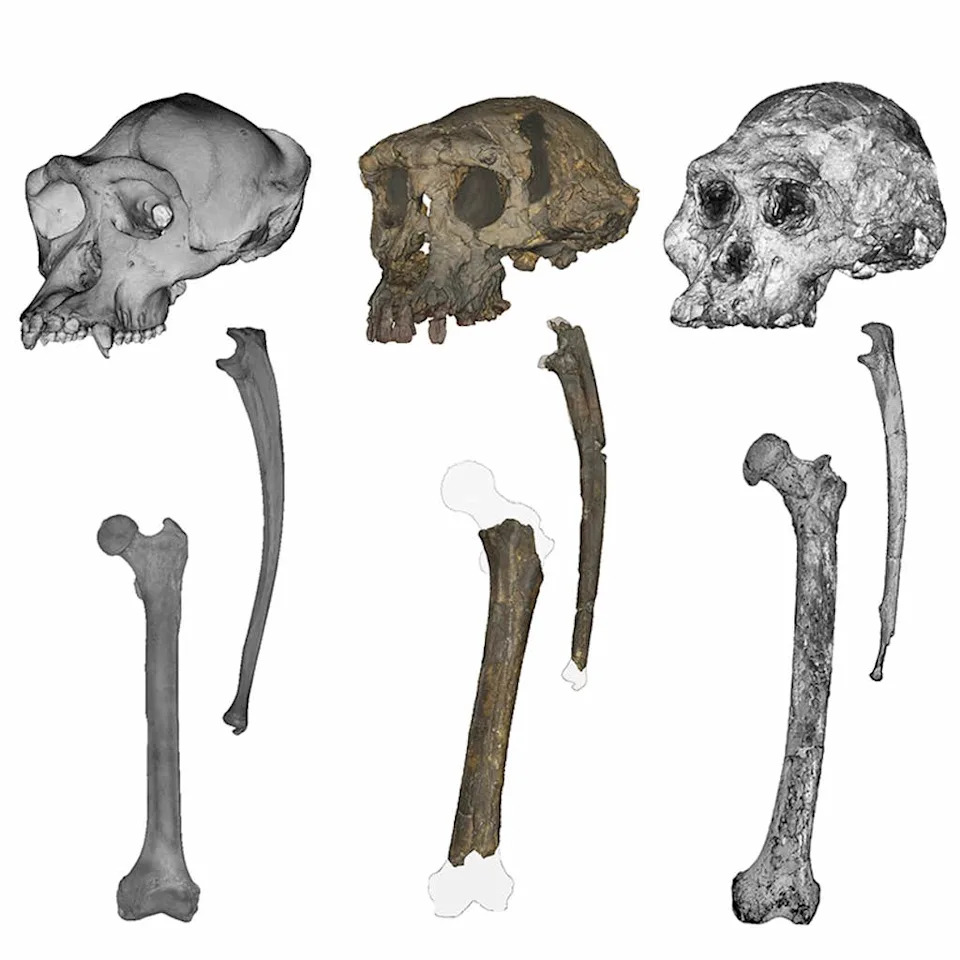
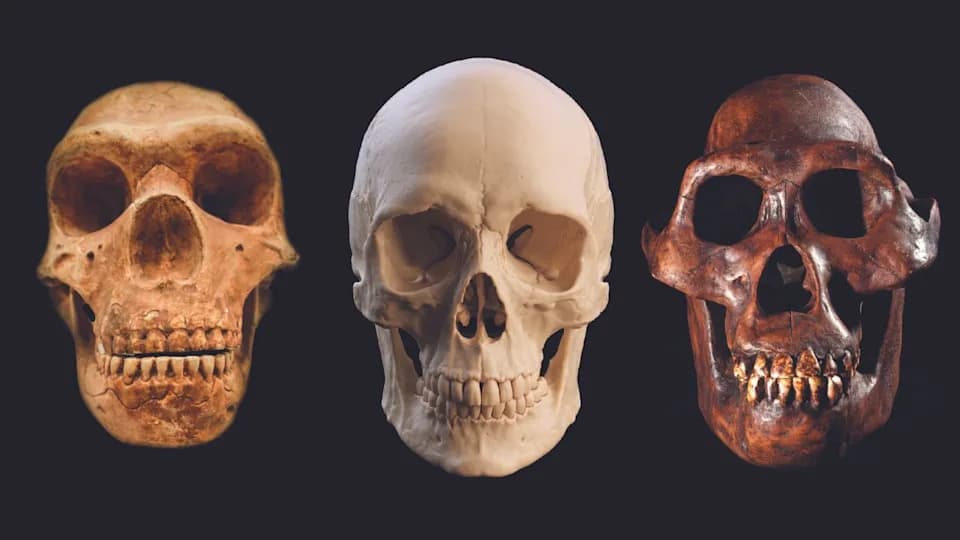
From left to right: The crania, ulnae, and femora from a chimpanzee,Sahelanthropus tchadensis, and Australopithecus.Credit: Scott Williams/NYU and Jason Heaton/University of Alabama Birmingham.
Additional hominin-like traits were also confirmed: a torsion (twist) in the femur that helps orient knees and feet forward, and muscle attachment patterns consistent with hip stabilization necessary for walking, standing and running. The femur is relatively long compared with the ulna, another anatomical hint favoring terrestrial locomotion.
What This Means for Early Hominin Evolution
Although S. tchadensis likely had shorter legs than modern humans and retained a chimpanzee-sized brain, the femur proportions are not dramatically different from Australopithecus specimens dated to around 4 million years ago. The authors interpret the evidence as indicating habitual, but not obligate, bipedalism — a mix of ground-based walking and time spent in trees.
Study co-author Scott Williams described S. tchadensis as 'essentially a bipedal ape that possessed a chimpanzee-sized brain,' suggesting that upright walking evolved early and gradually in our lineage.
These findings do not end the debate over whether S. tchadensis should be classified as a hominin, but they add important postcranial data that support the view that some form of bipedal locomotion was already present near the time humans and other apes diverged.
Bottom line: The femoral tubercle, femoral torsion and muscle attachment evidence together point to early habitual bipedalism in S. tchadensis, strengthening the idea that upright walking emerged gradually at the base of the hominin tree.
Help us improve.