The Burtele foot, found in northeastern Ethiopia and dated to about 3.4 million years ago, is now linked to Australopithecus deyiremeda. Its grasping, opposable big toe indicates a tree-climbing lifestyle, contrasting with Lucy’s species (A. afarensis), which spent more time on the ground. Dental evidence from a jaw with 12 teeth suggests A. deyiremeda ate leaves, fruit and nuts, implying niche separation rather than direct competition. Researchers say the find highlights early hominin diversity and the branching nature of human evolution.
Burtele Foot Suggests Lucy Had a Tree‑Climbing Neighbor: Australopithecus deyiremeda

Scientists report that a distinctive fossil foot discovered in northeastern Ethiopia belongs to a previously unrecognized early hominin that lived alongside the famous specimen known as Lucy. The fossil, known as the Burtele foot after its discovery site, dates to about 3.4 million years ago and was described in a recent paper published in the journal Nature.
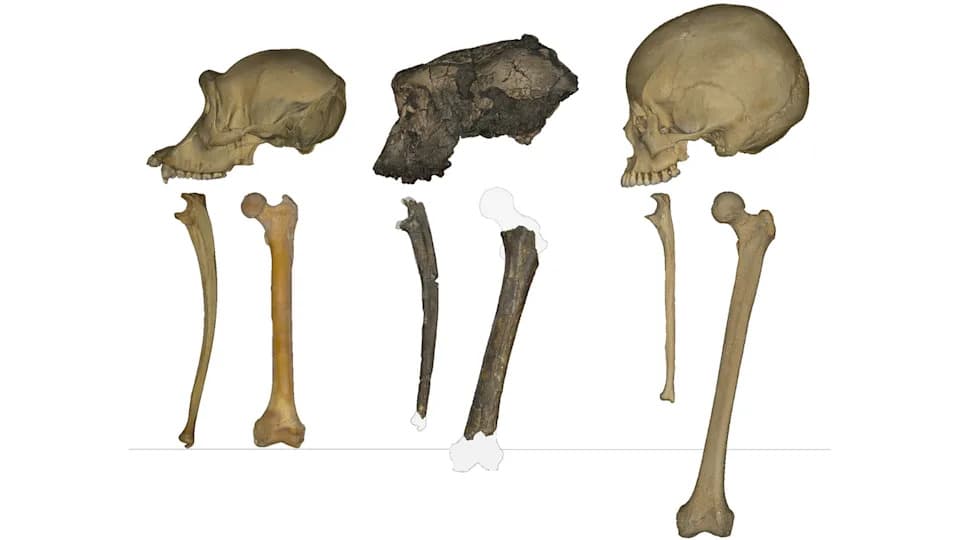
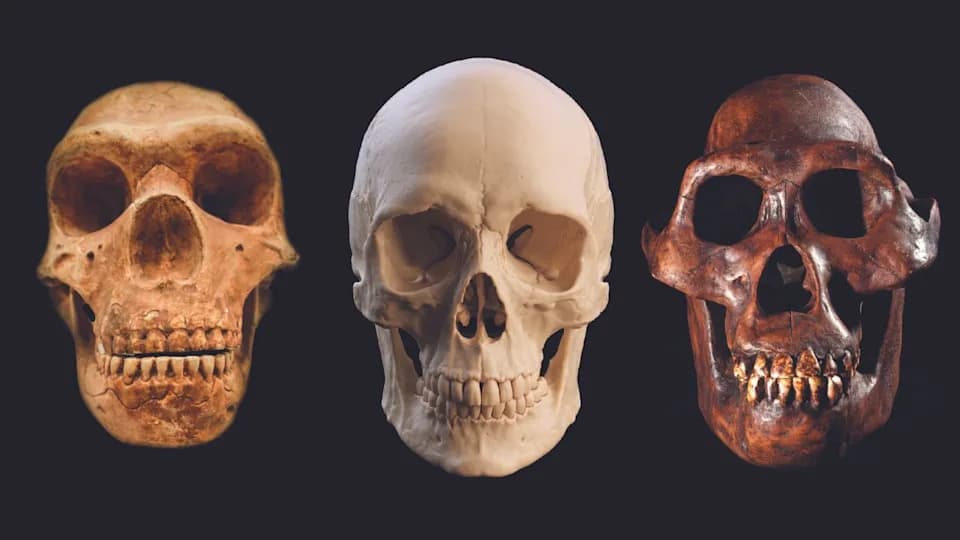
Although the Burtele foot is roughly contemporary with Lucy (the well-known specimen of Australopithecus afarensis), its anatomy is markedly different. The foot preserves a grasping, opposable big toe — a thumb-like hallux — suggesting the individual was an adept climber that spent substantial time in trees.
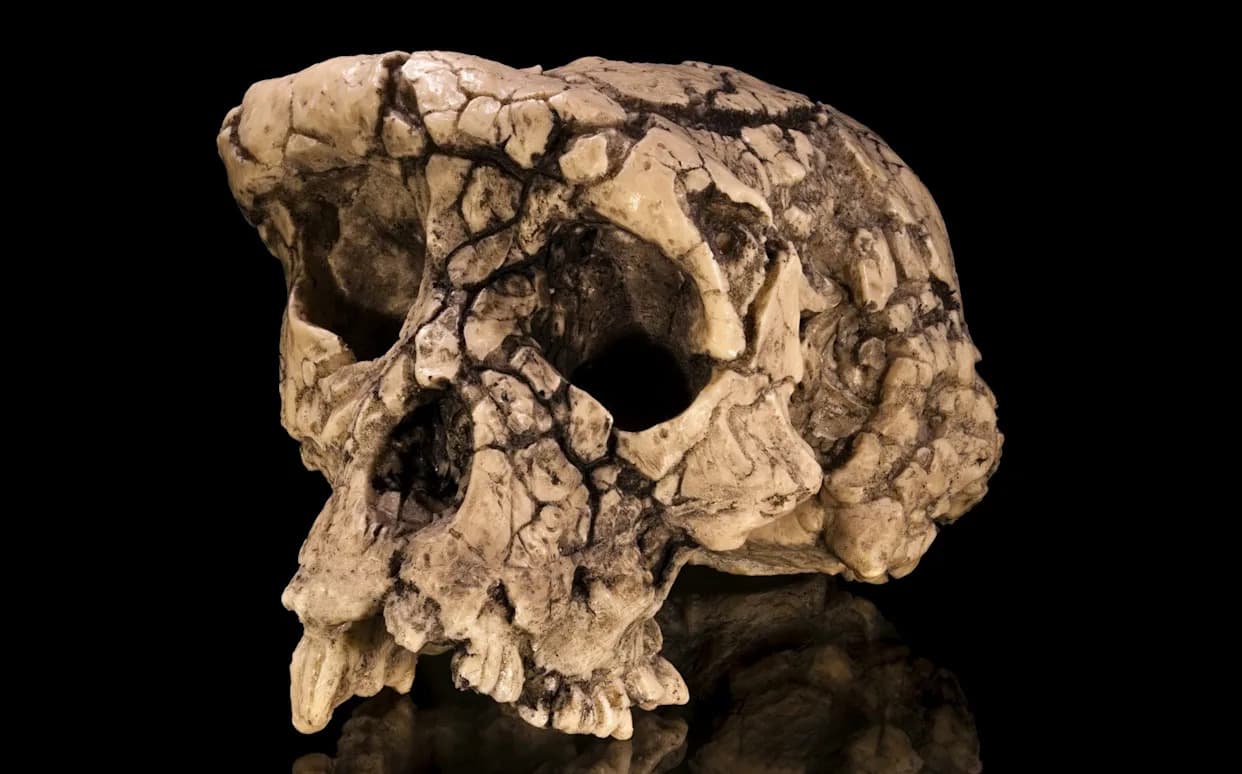
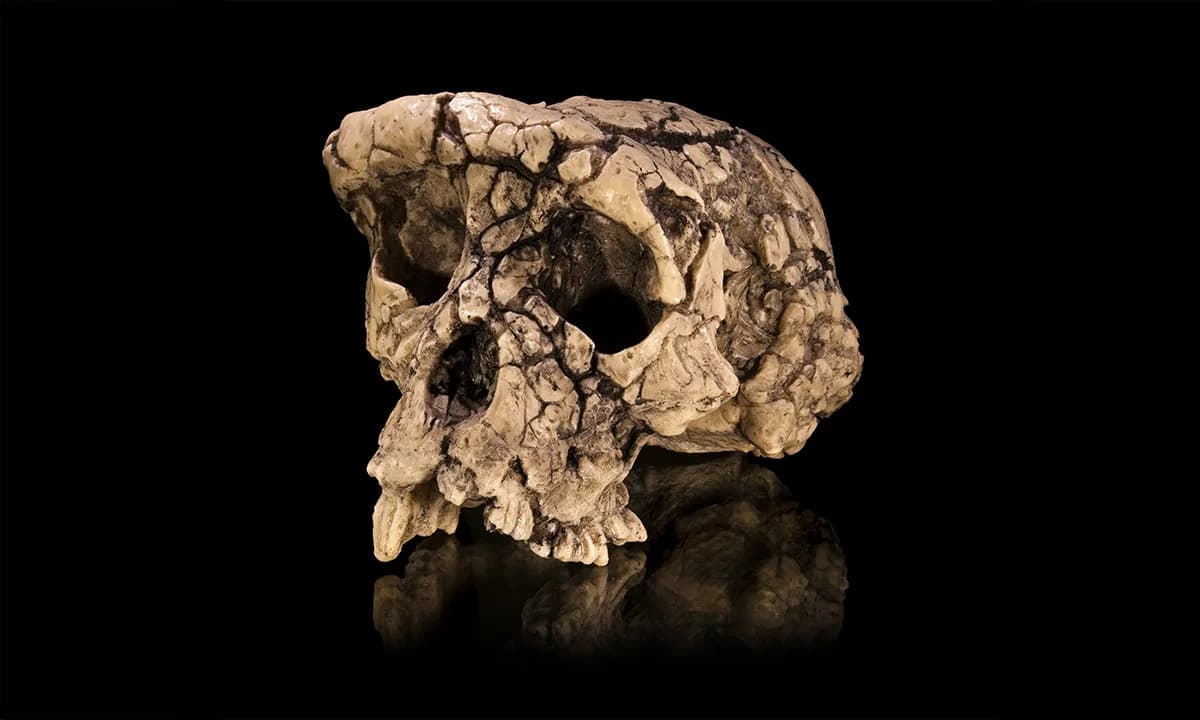
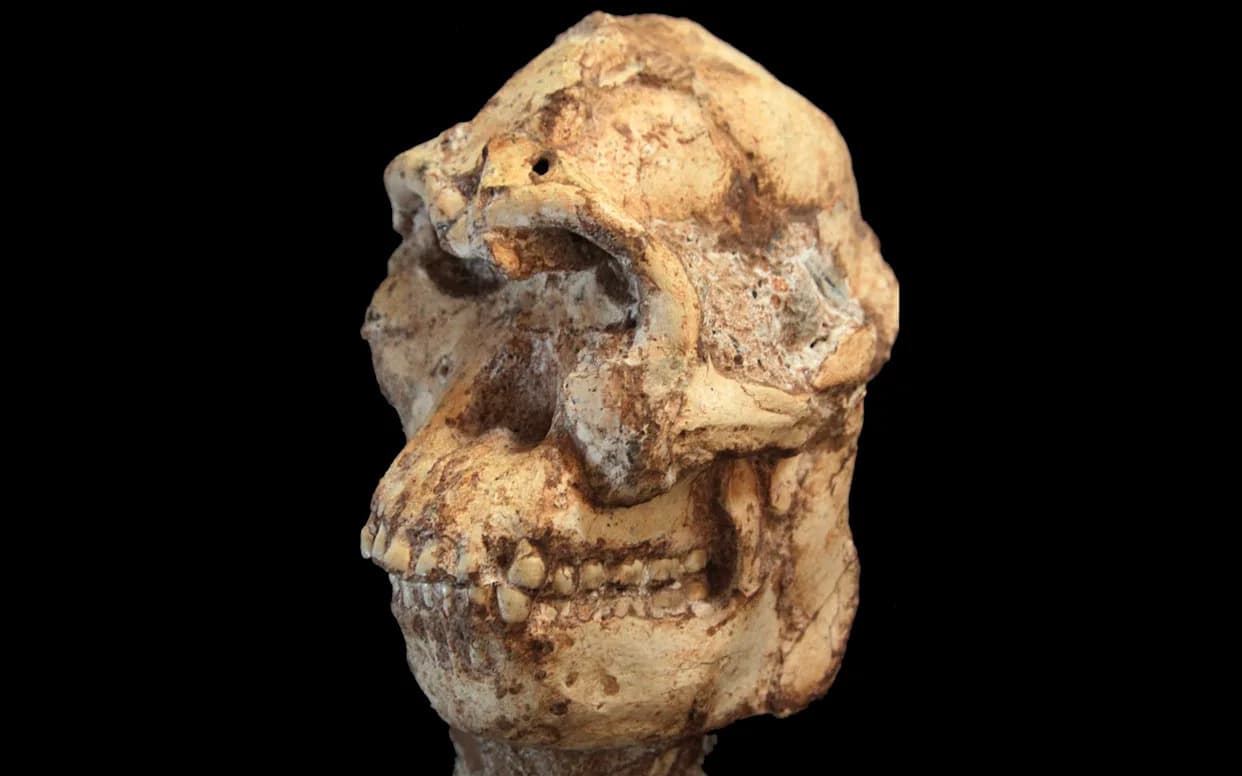
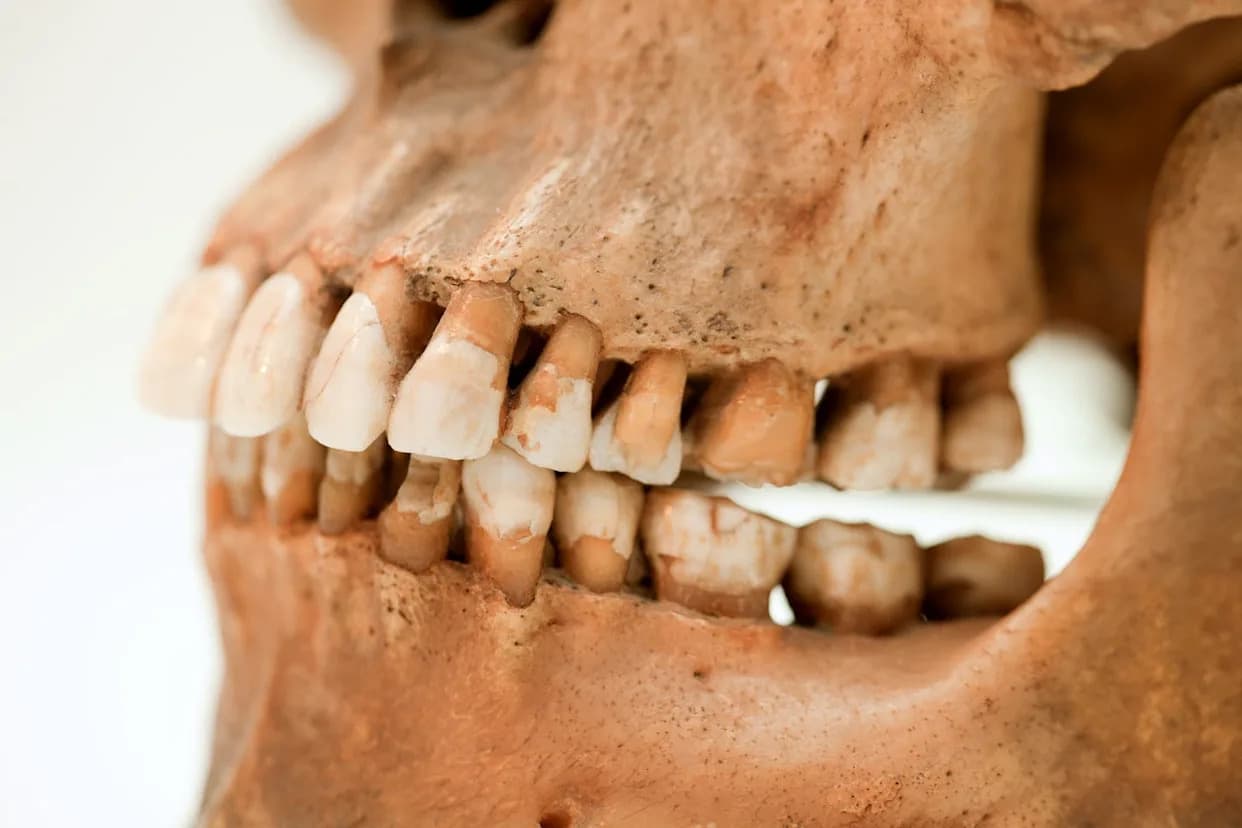
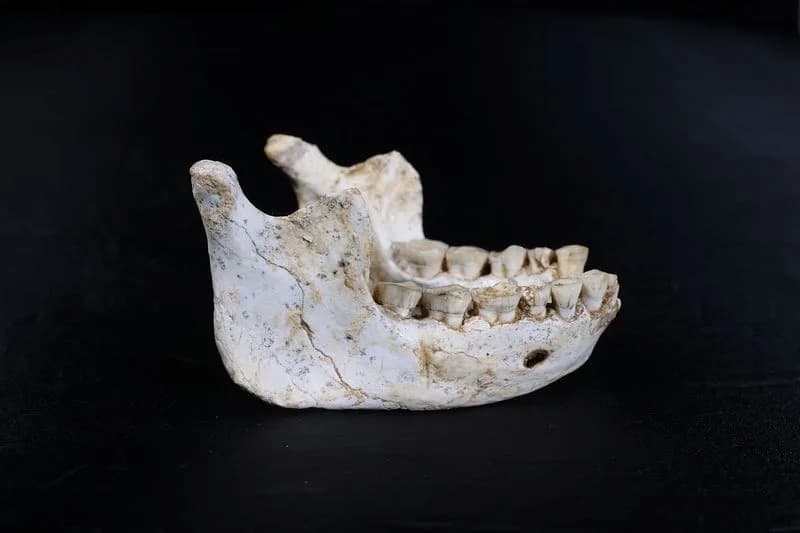
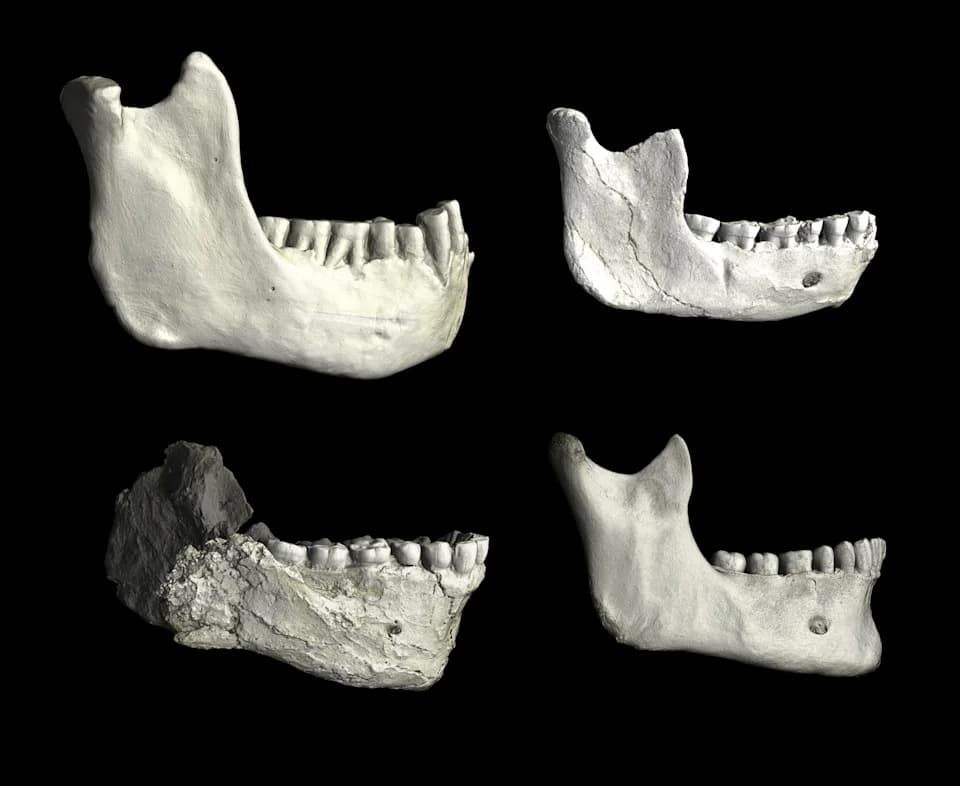
Researchers were cautious about assigning the foot to a new species until additional fossils were recovered at the same site. Among these was a lower jaw bearing 12 teeth. Dental and mandibular anatomy led the team to identify those remains as Australopithecus deyiremeda, and they concluded the Burtele foot can be attributed to the same species.
“Now we have much stronger evidence that, at the same time, there lived a closely related but adaptively distinct species,” said John Rowan, assistant professor in human evolution at the University of Cambridge, who was not part of the study.
The study’s authors, led by Yohannes Haile‑Selassie of Arizona State University, examined how the two species shared the same landscape. They argue that A. deyiremeda favored more wooded or forested habitats, using climbing adaptations to exploit trees, while A. afarensis — Lucy’s species — spent more time walking and foraging on the ground.
Microscopic and morphological analyses of the teeth suggest A. deyiremeda retained more primitive features than A. afarensis and likely consumed a diet of leaves, fruit and hard items such as nuts. Those dietary and anatomical differences imply the two species occupied distinct ecological niches and probably did not compete directly for identical resources.
“These differences meant that they were unlikely to be directly competing for the same resources,” said Ashleigh L.A. Wiseman, assistant research professor at the McDonald Institute for Archaeological Research, University of Cambridge.
Experts emphasize that the discovery reinforces a broader view of human evolution as a branching tree with multiple hominin 'cousins' coexisting and adapting in different ways. At the same time, they caution that species assignments should rest on multiple well-preserved skeletal elements from associated individuals; while the new evidence strengthens the case for A. deyiremeda, alternative interpretations have not been fully ruled out.
The Burtele foot thus adds an important piece to the puzzle of early hominin diversity: it suggests that, even 3.4 million years ago, several closely related species occupied overlapping landscapes but pursued different survival strategies.
Help us improve.