Summary: The 1974 discovery of a 3.2‑million‑year‑old skeleton nicknamed "Lucy" at Hadar, Ethiopia, by Donald Johanson and Tom Gray transformed paleoanthropology. Assigned to Australopithecus afarensis, Lucy demonstrated that habitual bipedalism preceded large brain size. Her discovery triggered searches that produced hundreds more A. afarensis fossils across East Africa and helped reshape human evolution into a complex, braided pattern of related lineages.
How 'Lucy' — the 3.2‑Million‑Year‑Old Skeleton Unearthed on Nov. 24, 1974 — Changed Our View of Human Evolution

Quick facts
Milestone: Fossil "Lucy" discovered
When: Nov. 24, 1974
Where: Hadar, Awash Valley, Ethiopia
Who: Donald Johanson and Tom Gray
More than half a century ago, field researchers working in the Awash Valley at Hadar, Ethiopia, noticed a glint of bone in a gully that soon proved to be one of the most important paleoanthropological discoveries of the 20th century.
Donald Johanson, then a curator at the Cleveland Museum of Natural History, and graduate student Tom Gray were surveying sediments where multi‑million‑year‑old stone tools had previously been found. What began as a single shiny fragment turned into an excavation that recovered parts of a single individual—portions of the skull, rib cage, pelvis and limb bones—scattered in the sediment.
That evening the team celebrated while the Beatles song "Lucy in the Sky with Diamonds" played at camp; colleague Pamela Alderman suggested the informal name "Lucy," and the moniker quickly stuck.
Why it mattered
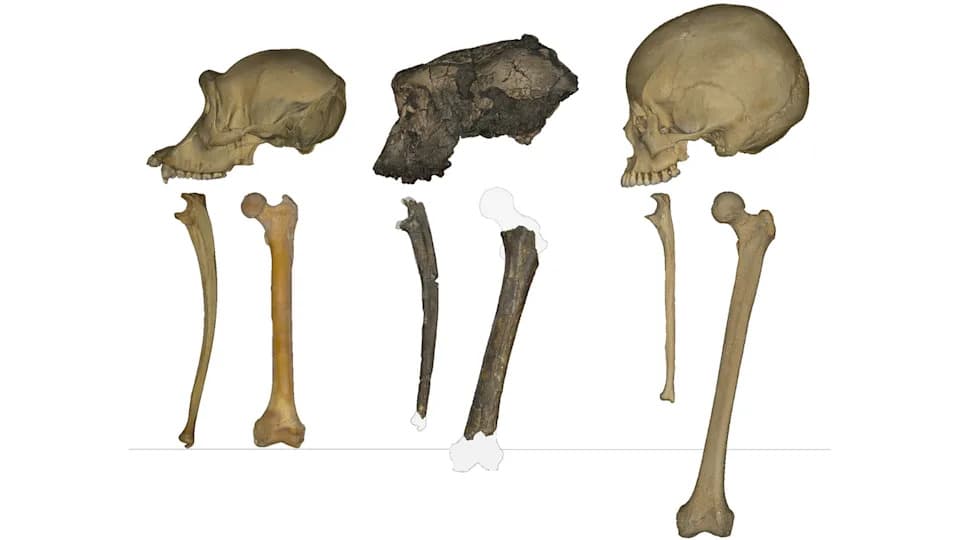
The skeleton was dated to about 3.2 million years old and was assigned to Australopithecus afarensis. At the time it was the oldest and most complete hominin skeleton known. Because so much of the anatomy was preserved, researchers could reconstruct locomotion and other aspects of biology: Lucy shows clear adaptations for upright, habitual bipedal walking, large leg muscles consistent with both walking and climbing, and a small braincase compared with later Homo species. These features strongly suggested that bipedalism preceded the evolution of a large brain.
Lucy arrived at a turning point in a long scientific debate. Before her discovery many scientists assumed large brains evolved before habitual bipedalism; the anatomy of A. afarensis provided compelling evidence that upright walking emerged earlier in our lineage than major brain enlargement.
Legacy and ongoing research
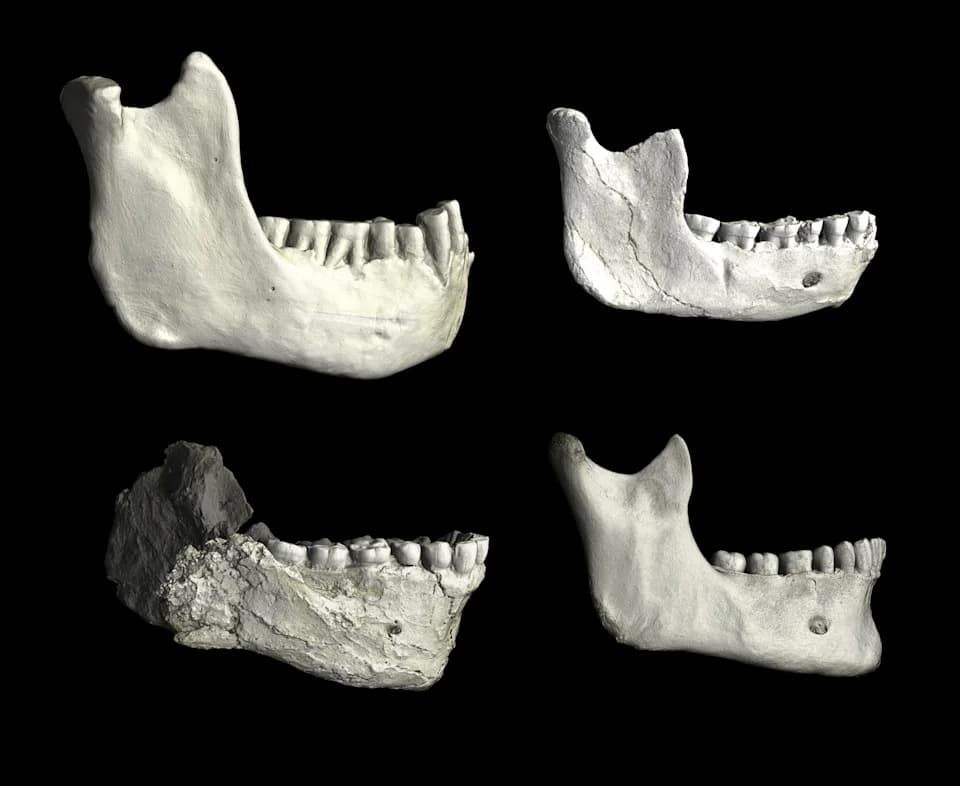
The discovery spurred searches in older sediments across Africa and helped pave the way for other landmark finds—such as Ardipithecus ramidus ("Ardi")—and a much deeper, more complex record of hominin evolution. Over the decades researchers have identified more than 500 A. afarensis specimens from Ethiopia, Kenya and Tanzania, spanning roughly a million years and providing a rich picture of variation, behavior and ecology.
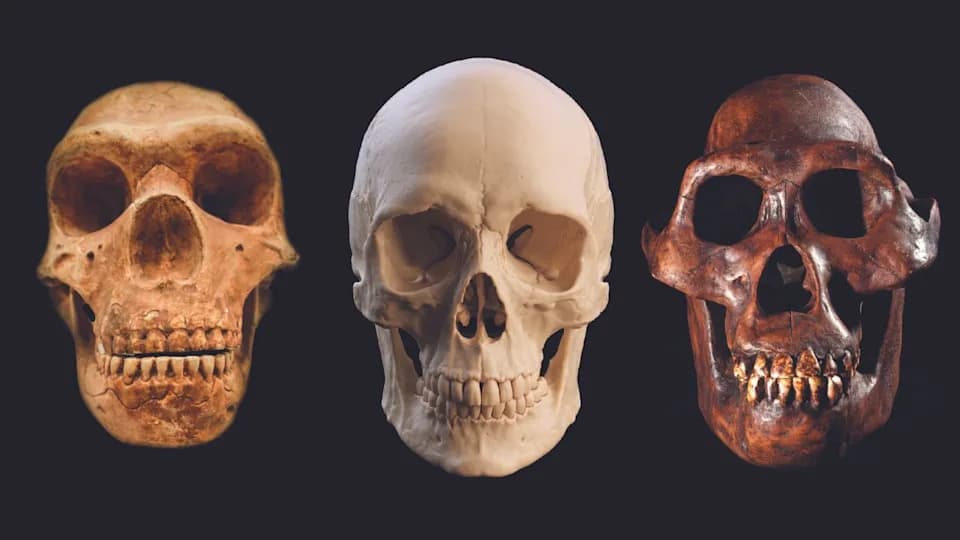
Fossils from Lucy's time also show multiple contemporary hominin lineages and related species. Rather than a simple branching tree, the pattern of human evolution increasingly looks like a braided stream of populations that diverge, interact and sometimes overlap.
What we still study
Scientists continue to refine Lucy's story: how she lived, how she moved through trees and on the ground, whether she and her kin used simple tools, and how environmental change influenced early hominins. Each new fossil and analytic technique adds detail to a dynamic and sometimes surprising picture of our deep past.
Help us improve.