The study by Matilda Brindle, Catherine F. Talbot and Stuart West, published online Nov. 19 in the Journal of Human Behavior and Evolution Society, estimates that the first instance of "kissing" occurred about 21.5–16.9 million years ago. The authors define kissing as directed, intraspecific oral–oral contact without food transfer and find it in most large apes and some Afro‑Eurasian monkeys. They conclude the trait is ancient and phylogenetically conserved among large apes and suggest further phylogenetic research to test adaptive explanations, including a tentative link to postcopulatory sexual selection.
Ancient Origins of Kissing: Study Traces First 'Kiss' to 21.5–16.9 Million Years Ago

A recent peer-reviewed study suggests that a behavior we call "kissing" originated long before humans existed. Published online Nov. 19 in the Journal of Human Behavior and Evolution Society, the paper by Matilda Brindle, Catherine F. Talbot and Stuart West uses comparative and phylogenetic methods to estimate that the earliest occurrence of kissing happened roughly 21.5–16.9 million years ago.
How the researchers defined "kissing"
The authors provide a working definition to distinguish true kissing from related behaviors: "non-agonistic interactions involving directed, intraspecific, oral–oral contact with some movement of the lips/mouthparts and no food transfer." Using this criterion, they searched observational records across Afro‑Eurasian monkeys and apes.
Key findings
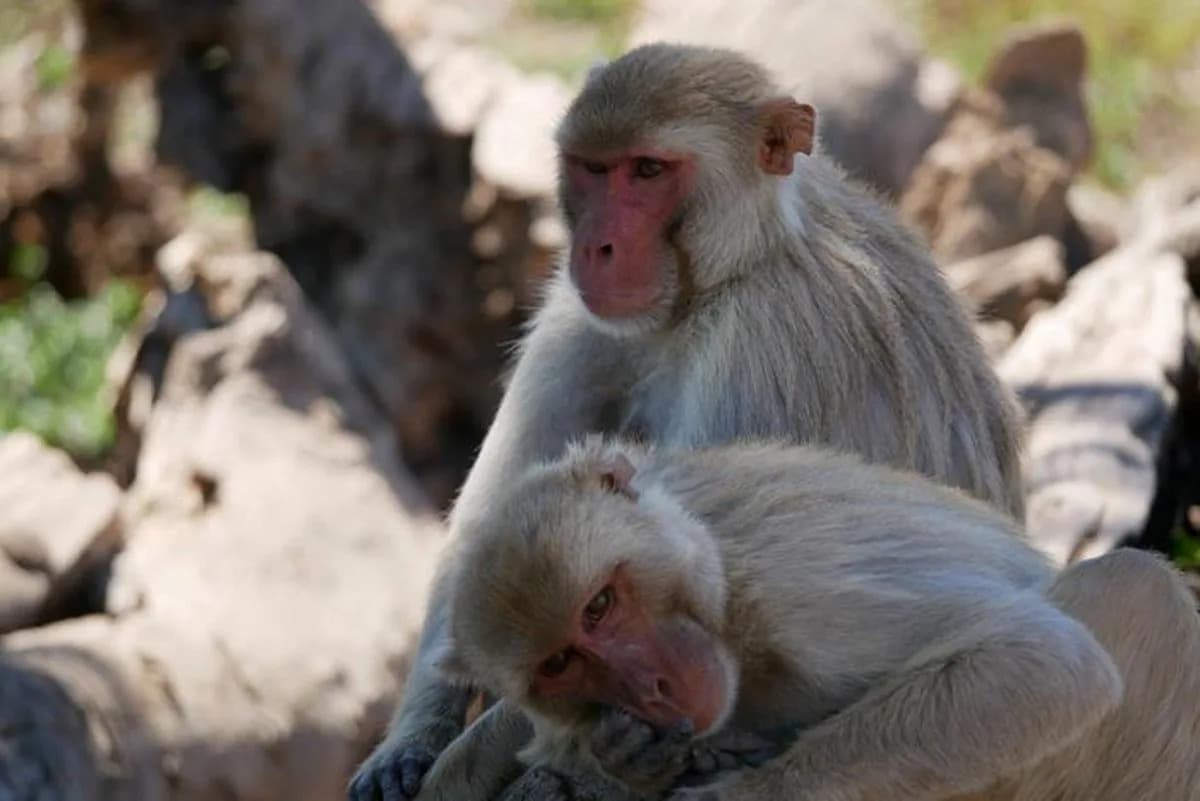
Using ancestral state reconstructions, the team concluded that kissing likely evolved in the common ancestor of the large apes after that lineage split from the small apes. According to their review, true kissing is documented in most large apes and in some Afro‑Eurasian monkeys. The authors also note that similar oral contact behaviours — sometimes labeled "kissing" in casual descriptions but not matching their full definition — appear across a wide range of animals, including other mammals, birds, fish and even insects.
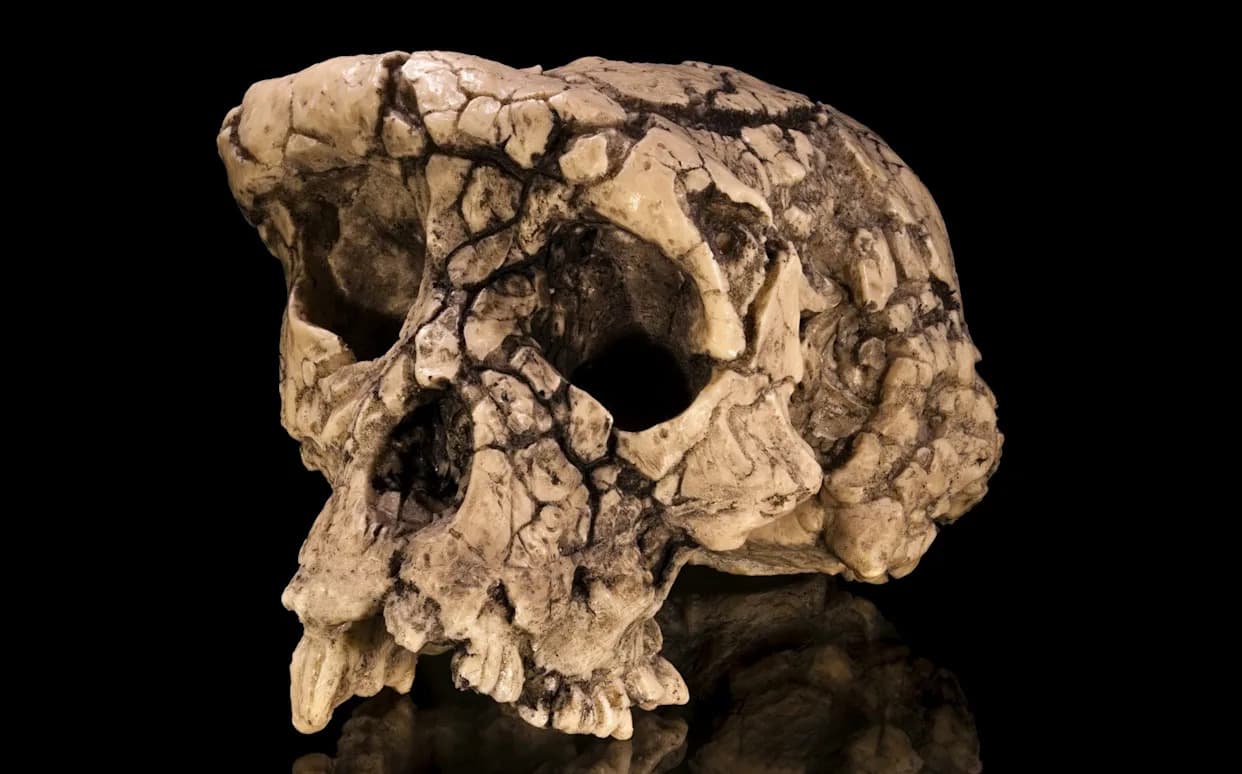
"Kissing can be observed across the animal kingdom," the authors state, and they argue the trait is "ancient and phylogenetically conserved within the large apes, including extinct human species."
Why this matters
The study aims to provide basic observational data to support future hypothesis-driven work on the adaptive functions of kissing. The authors identify promising avenues for research, such as testing whether kissing relates to mating systems and the strength of postcopulatory sexual selection — their preliminary analysis indicates a possible association between kissing and a high degree of postcopulatory sexual selection (using mating system as a proxy).
Limitations and next steps
The paper emphasizes that these findings are an initial, comparative step. Observational gaps, differences in how researchers report social and oral contact behaviours, and the difficulty of inferring function from observation alone mean that further systematic data collection and phylogenetic hypothesis testing are needed to clarify why kissing evolved and how it is maintained.
Bottom line: According to Brindle, Talbot and West, kissing appears to be an ancient social behaviour that predates humans, likely arising in the ancestor of the large apes 21.5–16.9 million years ago. The study provides a foundation for more targeted evolutionary and behavioral research.
Help us improve.