An Oxford research team used primate observations and phylogenetic modelling to estimate that kissing emerged between 16.9 and 21.5 million years ago. They compared behaviours in chimpanzees, bonobos, orangutans and a gorilla species and ran over 10 million simulations to support their reconstruction. The study proposes multiple functions for kissing — from mate assessment to caregiving — but notes limits, including reliance on captive data and the model's inability to reveal the behaviour's original purpose.
Kissing Predates Humans by 16.9–21.5 Million Years, Oxford Analysis Suggests

New research from an Oxford University team indicates that mouth-to-mouth contact — what we call kissing — likely began long before modern humans existed. By combining decades of primate observations with phylogenetic modelling, the researchers estimate that an ancestor of today's apes engaged in kissing-like behaviour between 16.9 million and 21.5 million years ago.
How the researchers reached their estimate
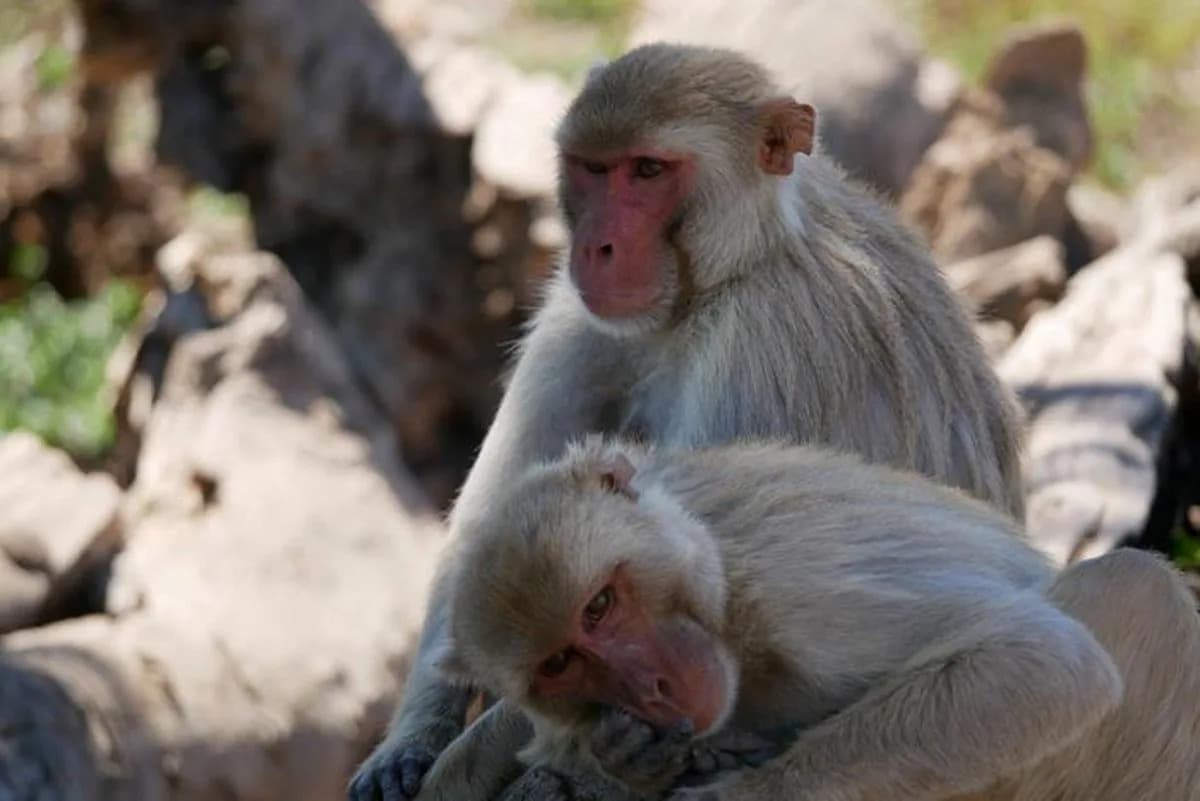
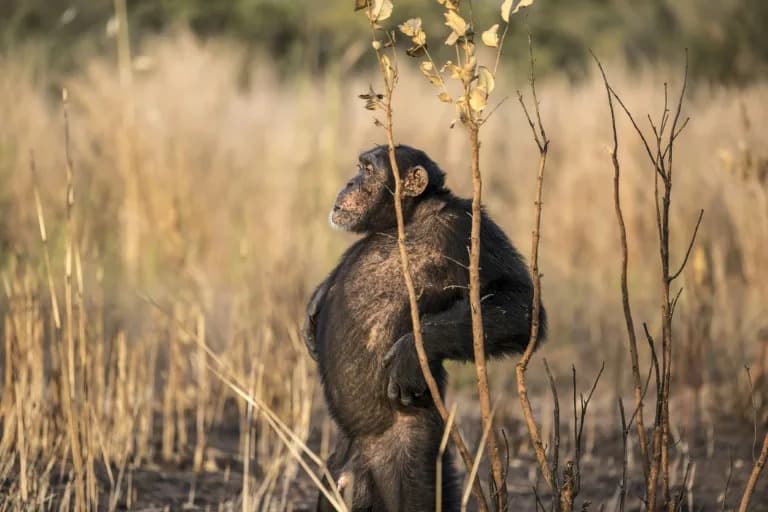
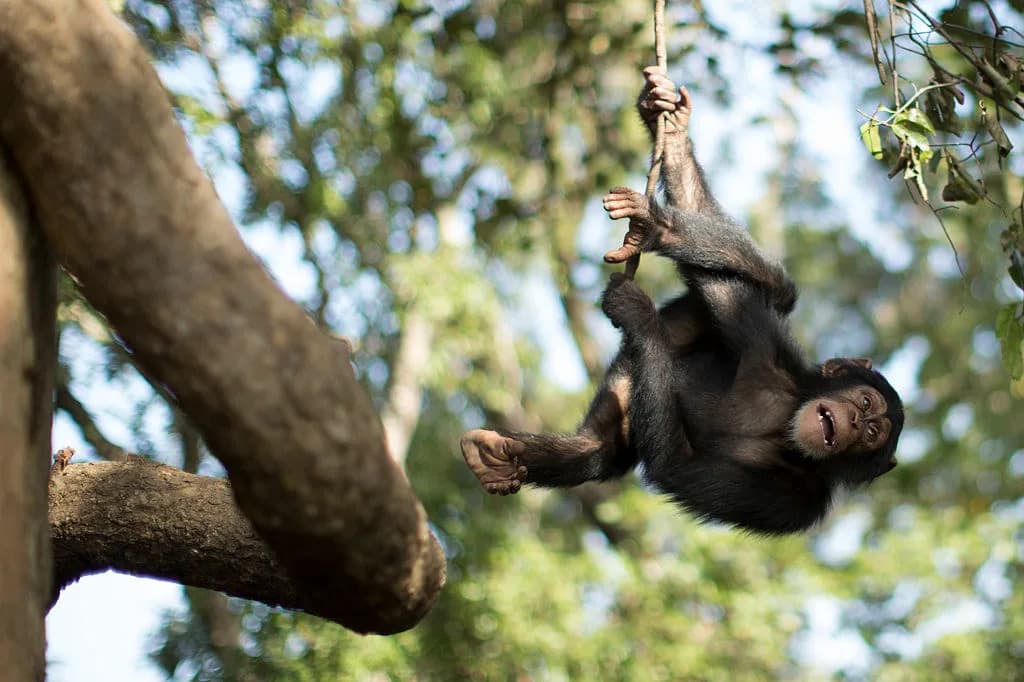
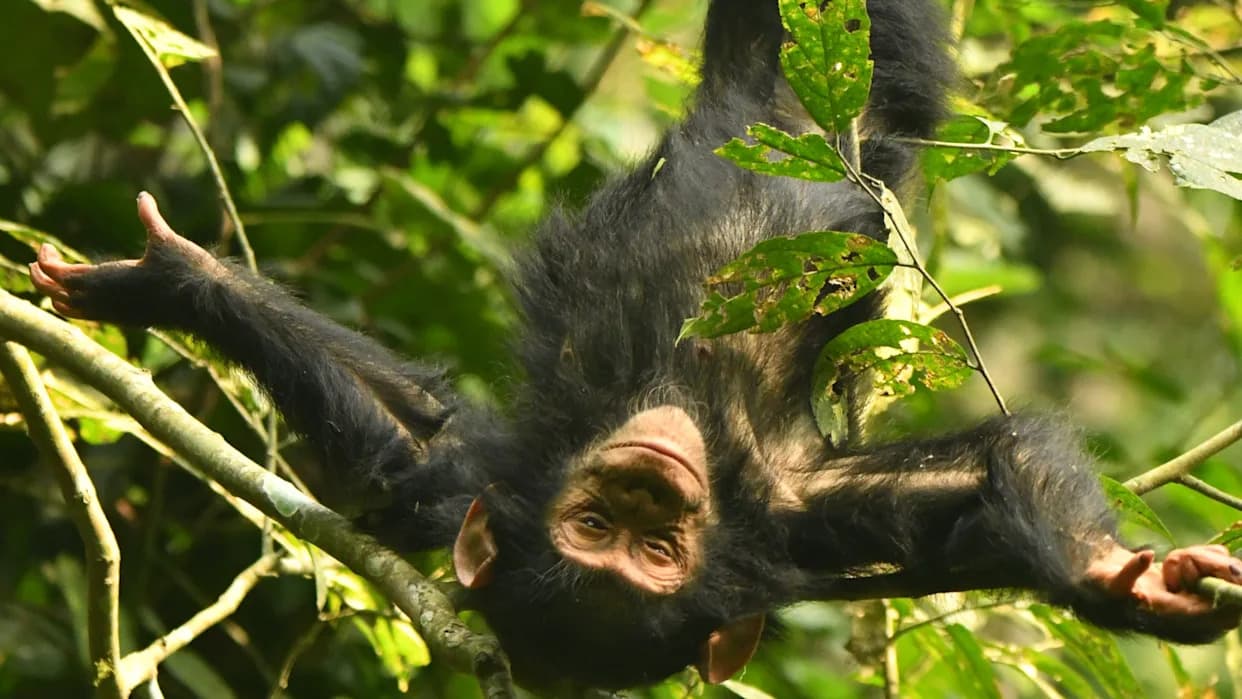
The team compared behaviours across living species such as chimpanzees, bonobos, orangutans and one gorilla species, then ran more than 10 million simulations to reconstruct the most probable evolutionary history of mouth-to-mouth contact. Because behaviour does not fossilize, this kind of inference relies on patterns in living primates combined with statistical methods.
Possible functions of kissing
Although kissing carries obvious risks — including the transfer of microbes — the researchers suggest it may serve several adaptive and social functions across primates, including:
- assessing potential mates,
- acting as foreplay,
- building and maintaining social bonds,
- soothing tension, and
- helping caregivers feed infants by pre-chewing food.
Matilda Brindle, the study's lead author and an evolutionary biologist at Oxford, described kissing as an "evolutionary conundrum," noting that primates are flexible and may retain or lose the behaviour depending on its usefulness and disease risk.
What the study can — and can't — tell us
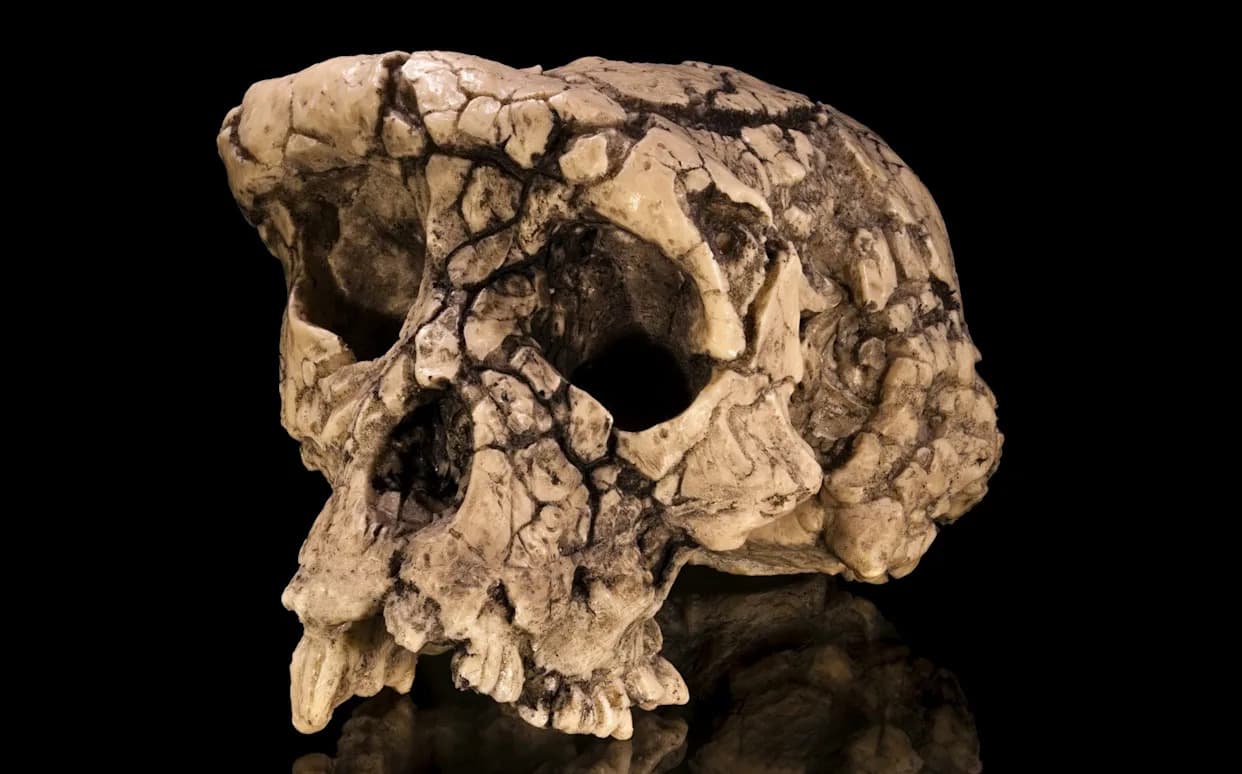
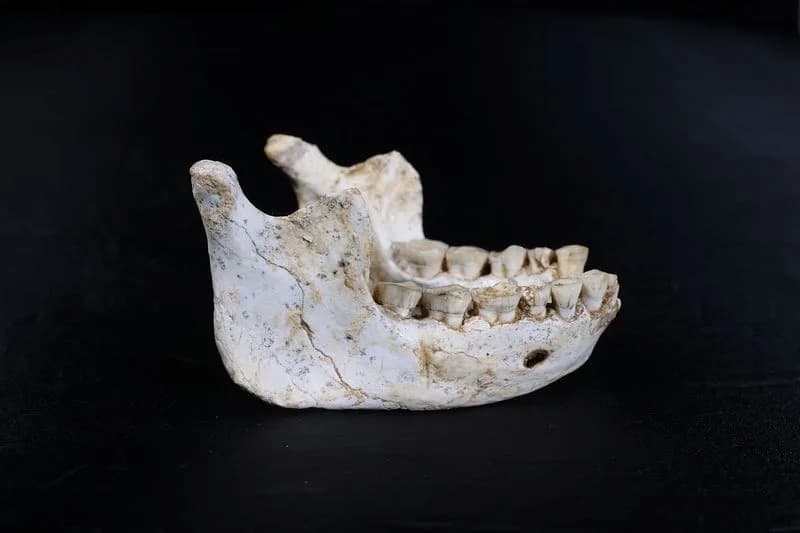
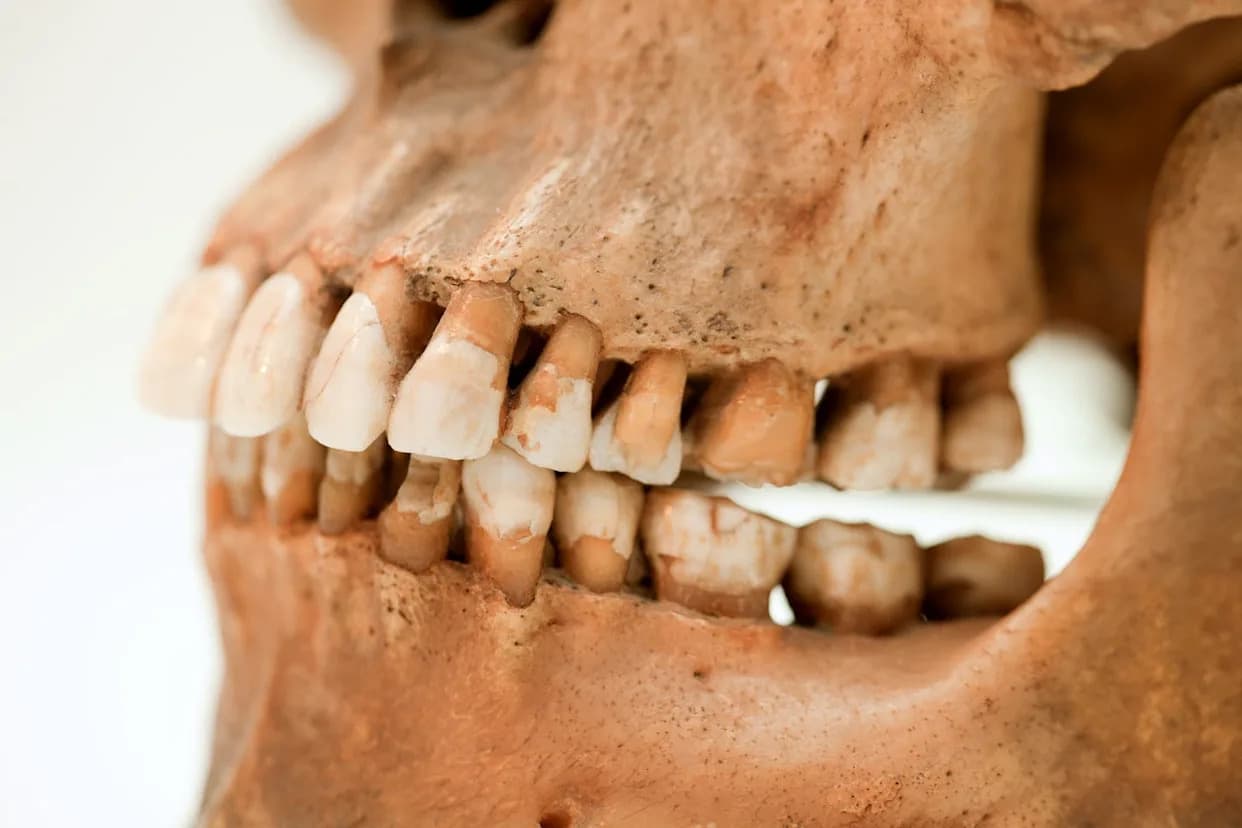
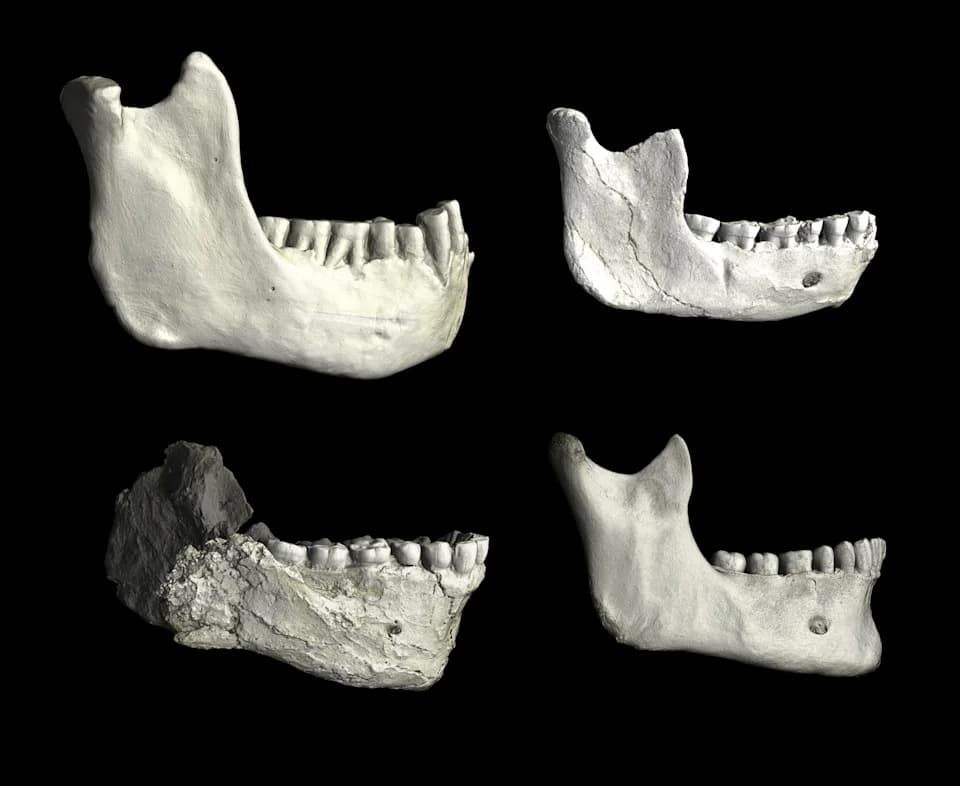
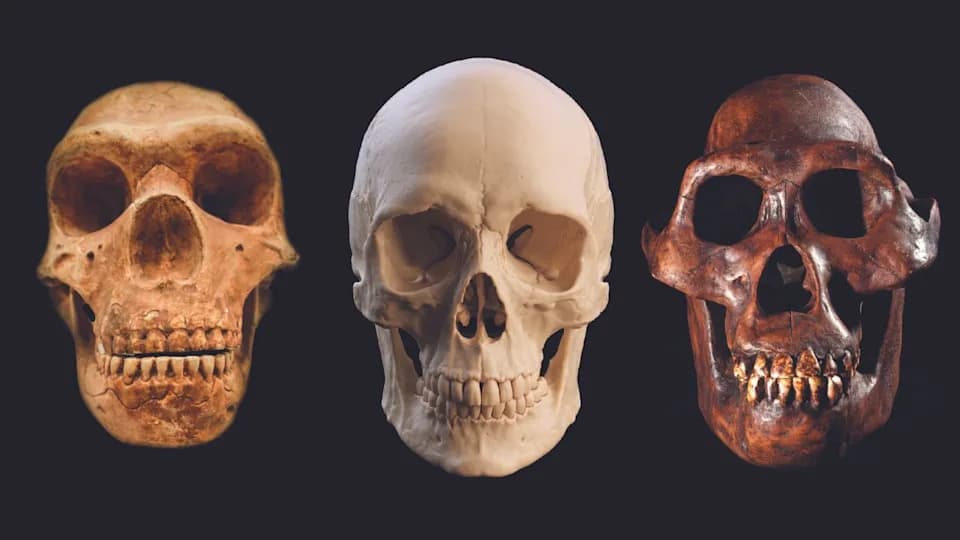
The analysis supports the idea that extinct relatives of modern humans, including Neanderthals, probably engaged in kissing-like behaviours. However, the model cannot pinpoint the original selective pressure that produced kissing or map the detailed changes in the behaviour over time. Much of the behavioural database also comes from captive animals, so the authors call for more observations of wild primates to validate and refine their reconstruction.
"Kissing is both biological and cultural: it involves the bodily senses and likely has evolutionary roots, but it also varies widely across individuals and societies," said Justin Garcia, director of The Kinsey Institute.
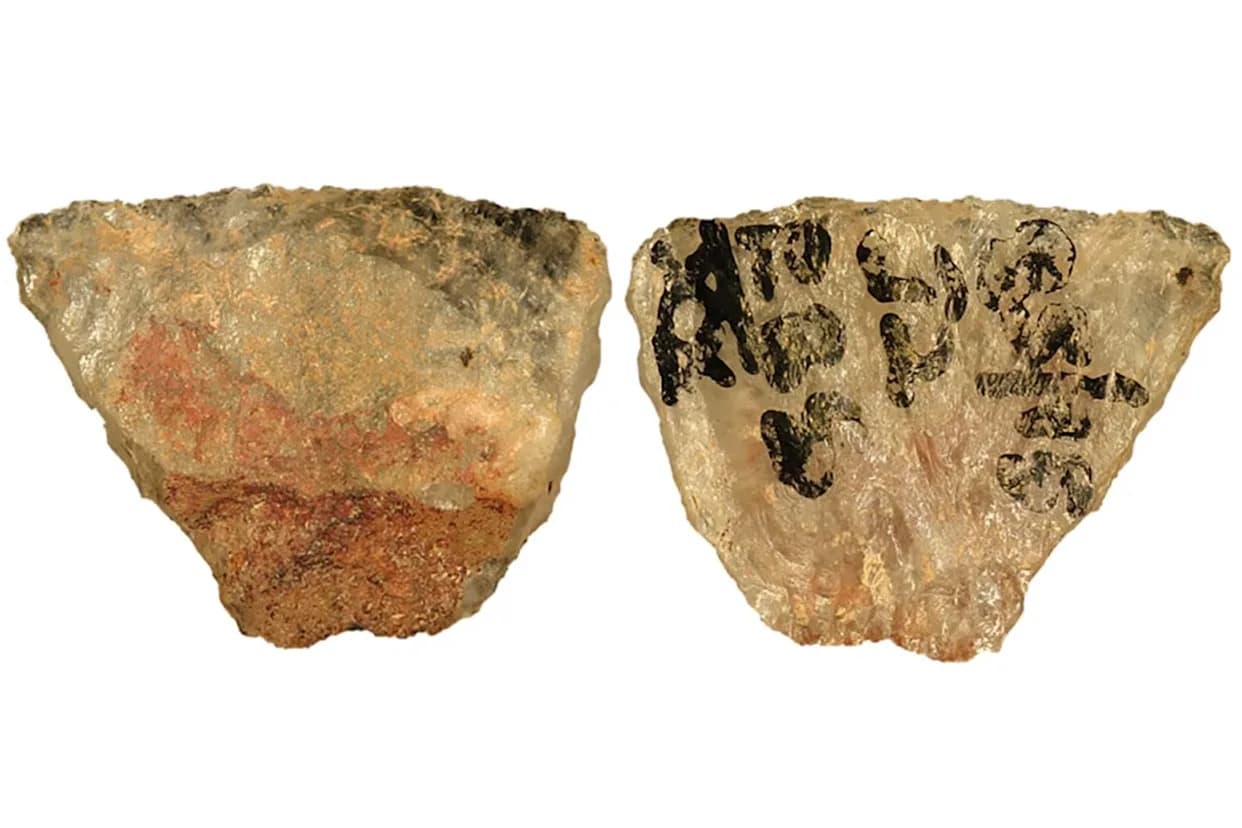
While written descriptions of human kissing only date back about 4,500 years, this study provides a deeper evolutionary context for an intimate behaviour that blends biology and culture. The authors present their findings as a foundation for further research into how intimate behaviours evolved and diversified across primates.
Help us improve.