Texas faces a political paradox: Attorney General Ken Paxton posts a net favorability of -16 yet remains locked in a near-even Senate race with Democrat James Talarico. Analysts disagree over whether Paxton is the least popular Republican nominee this century, but many note the unusual intensity of his negatives. Republicans are shifting resources and are likely to focus on raising Talarico’s unfavorables as a late surge of advertising could decide the race before early voting begins October 19 and Election Day on November 3.
Texas’ ‘Blue Mirage’ Risk: Paxton’s Deep Negatives, Yet a Neck-and-Neck Senate Race
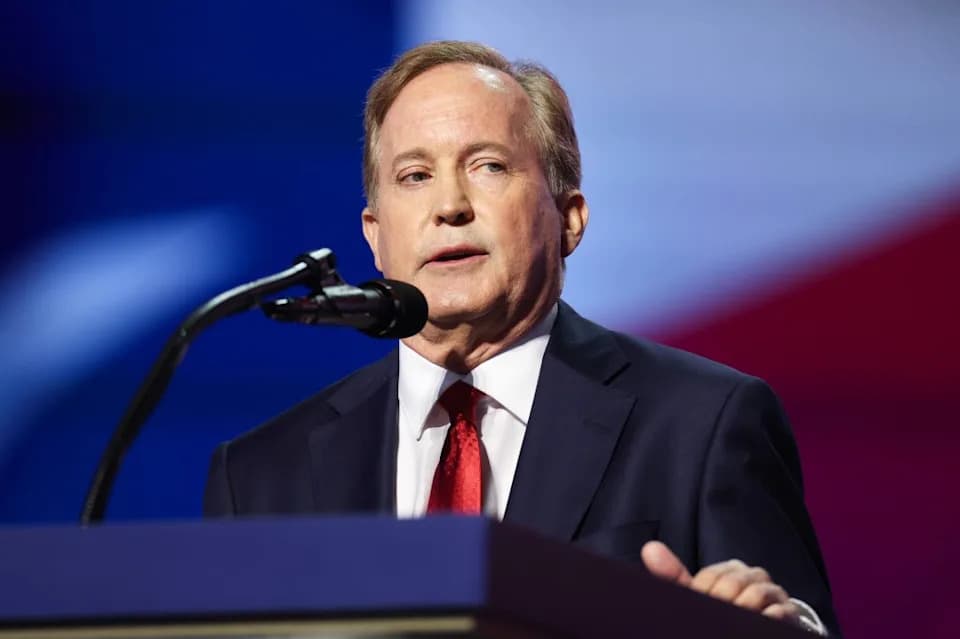
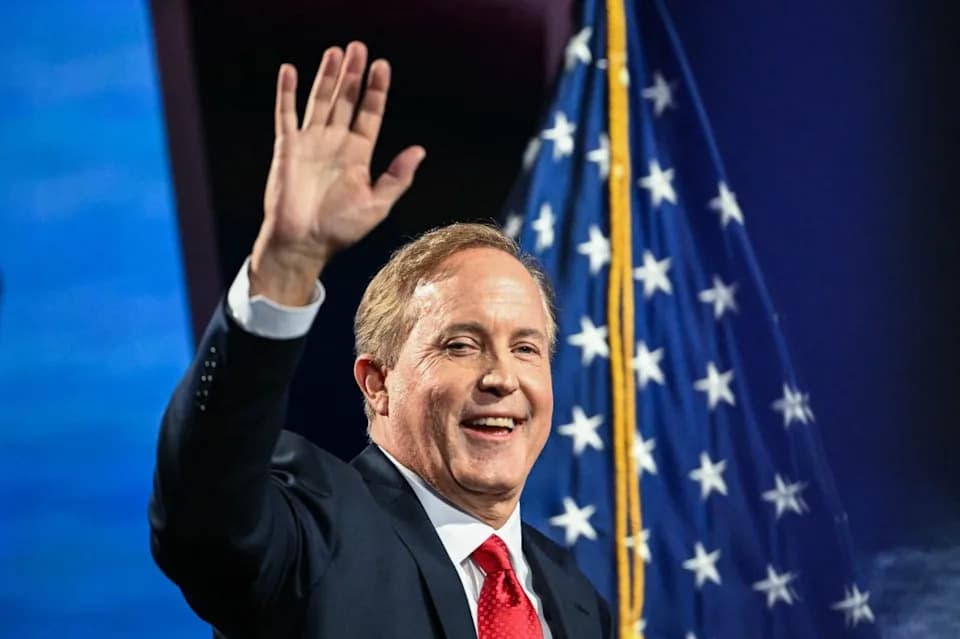
Texas Attorney General Ken Paxton speaks during the Republican National Convention in Dallas on September 9.
Texas politics present a striking contradiction: Attorney General Ken Paxton carries unusually deep negative favorability ratings but remains locked in a competitive U.S. Senate race against Democrat James Talarico. The tension intensified after CNN analyst Harry Enten highlighted a net favorability of -16 for Paxton and suggested he may be the least popular Republican Senate nominee in Texas this century.
Polling And The Claim
Enten’s observation is based on recent survey snapshots showing Paxton with a net negative 16-point favorability. Polling averages compiled by PollsMax show a razor-thin margin, with Talarico ahead by just 0.2 percentage points, while other surveys vary from a narrow Democratic lead to a slight Republican edge. That combination—deep personal negatives but a nearly even electorate—has drawn heavy spending and intense scrutiny.
Expert Reactions
Analysts disagree about Enten’s historical comparison. Mark P. Jones, a political scientist at Rice University and a Baker Institute fellow, cautions that whether Paxton is truly the "least popular" nominee depends on how popularity is measured. Jones noted that outgoing Sen. John Cornyn also faced image problems within parts of the GOP, but he emphasized intensity: Democrats dislike Paxton with greater fervor than they disliked Cornyn in 2020.
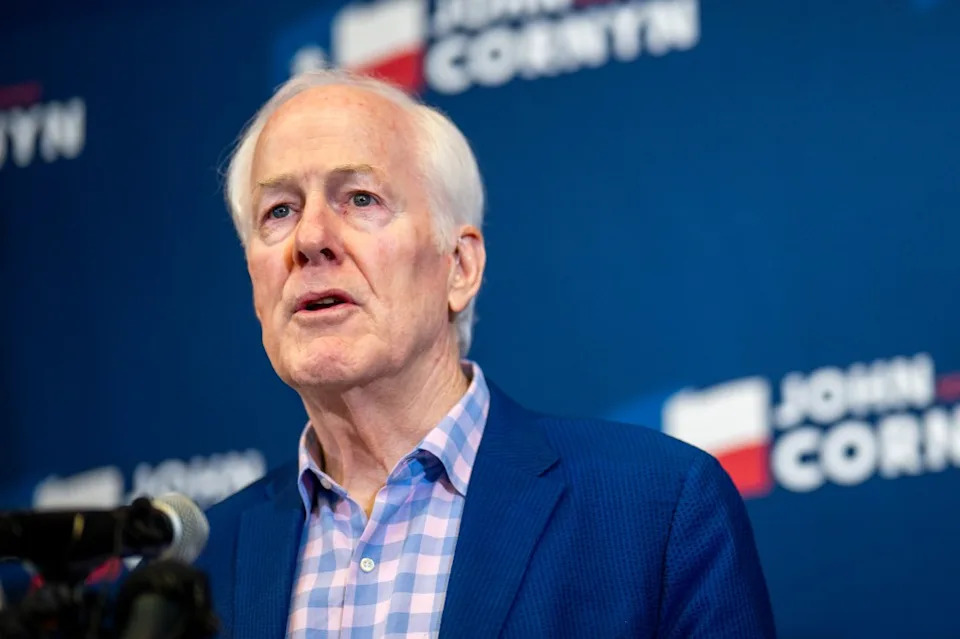
Senator John Cornyn speaks during a news conference at the JW Marriott Austin on May 26 in Austin, Texas. (Photo by Brandon Bell/Getty Images)
“There’s not enough money in the world to rehabilitate the image of Ken Paxton in the eyes of voters in Texas,”
Jones adds, though he allows that advertising might help "at the margins" by humanizing the candidate.
Cal Jillson, a political science professor at Southern Methodist University, said Paxton’s liabilities have forced Republicans and national donors to invest heavily in a seat they would ordinarily expect to hold. "Paxton is a weak Republican nominee in a tough Republican year," Jillson said, warning that lifting Paxton over Talarico may cost "many tens of millions of dollars."
Campaign Strategy And The Closing Stretch
Given Paxton’s deeply negative ratings, Republican strategists are expected to focus less on rehabilitating his image and more on raising Talarico’s unfavorables—with a late surge of advertising and attack messaging. Jones compared the approach to lessons learned in previous statewide contests, including Democrats’ experience with Beto O'Rourke in 2018: the party that defines an opponent early can shape outcomes.
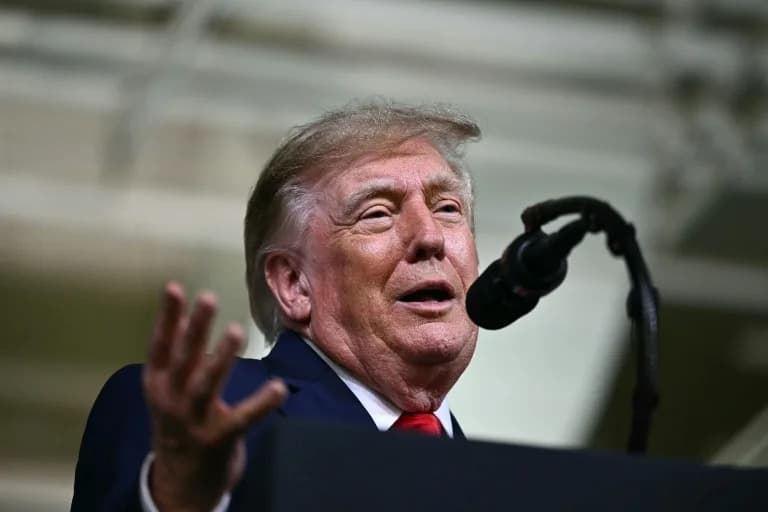
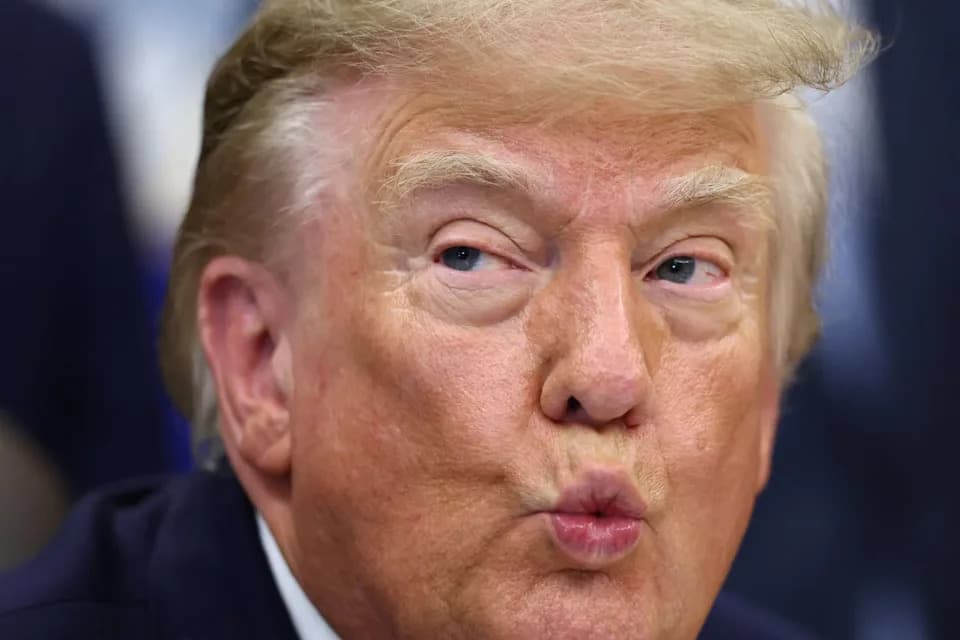
President Donald Trump weighed in at an event in Texas, underscoring Paxton’s polarizing reputation:
"He can be a pain in the ass sometimes, I'll be honest."
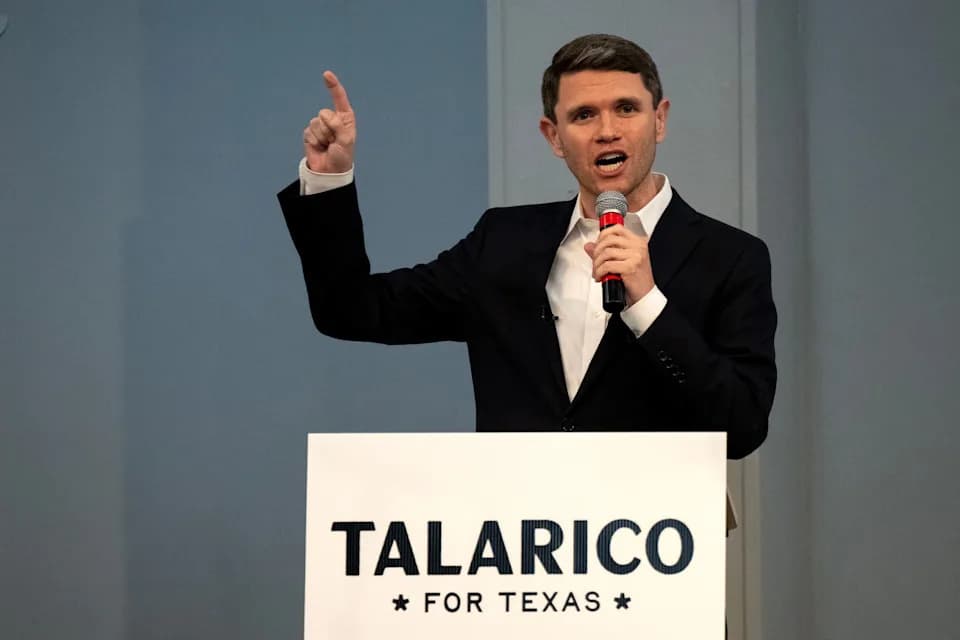
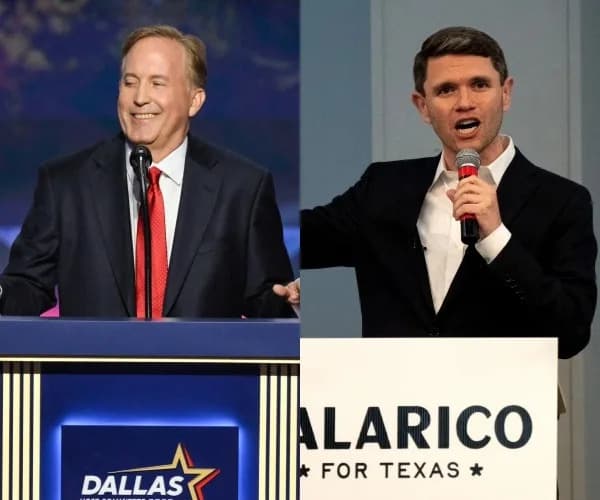
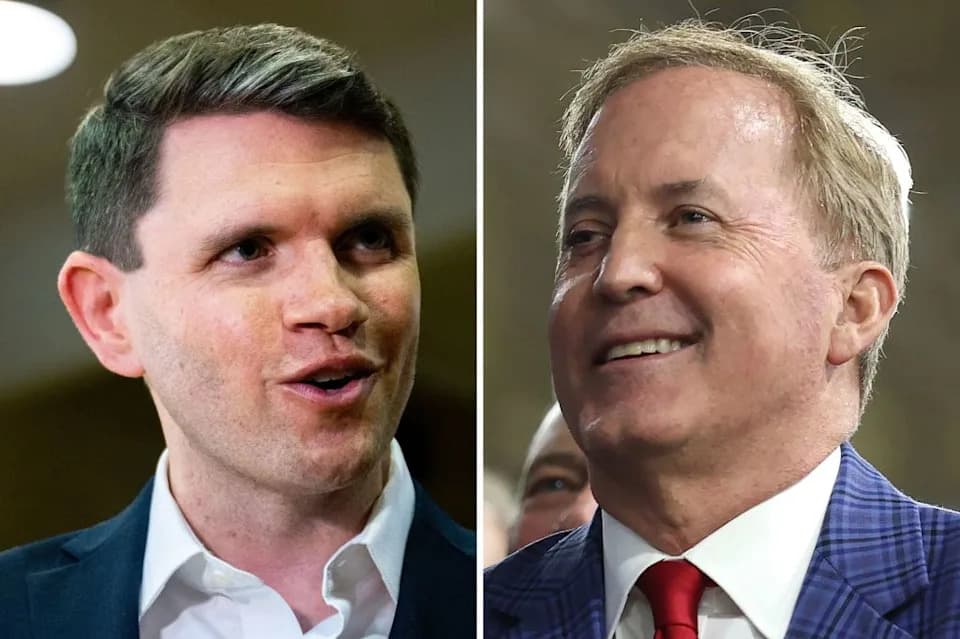
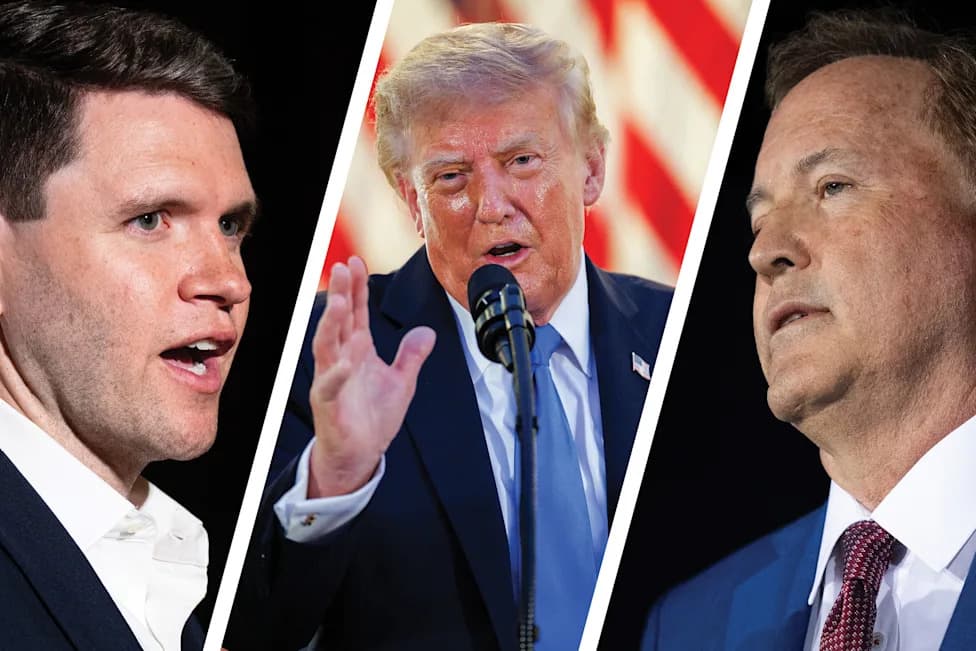
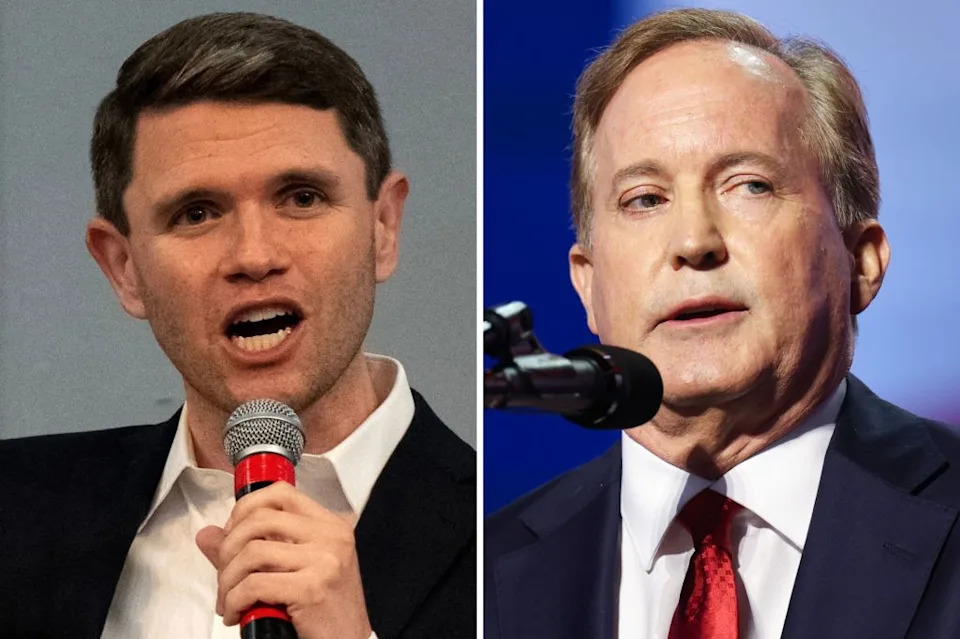 James Talarico, left, speaks during a rally in Houston, Texas, on September 13, while Ken Paxton, right, addresses the crowd at the 2026 Republican National Convention on September 9 in Dallas.
Republican outside groups and Senate allies have begun pouring money into Texas after a relatively quiet summer. Observers say the influx is arriving later than ideal, and the final weeks of the campaign will test how much late advertising can shift an exceptionally close contest.
Key Dates
Early voting in Texas runs from October 19 through October 30, and Election Day is November 3. With time running out, the effectiveness of late negative advertising against Talarico and any marginal humanizing of Paxton may determine the race’s outcome.
Bottom line: Paxton’s unusually poor favorability complicates a traditional Republican advantage in Texas, creating a potential "blue mirage" where strong personal negatives coexist with a competitive partisan landscape.
Help us improve.