At the Valdai forum, Vladimir Putin warned the West that Russia could employ “all weapons,” including nuclear arms, to defend Kaliningrad if it were attacked. He blamed NATO drills and other incidents for rising tensions, acknowledged Ukrainian strikes cost Russia about 1% of GDP and claimed over 100 ships were disabled in Black Sea operations. Putin reiterated a preference for talks but signaled no intention to scale back military activity, while Moscow plans a major rise in defense spending for 2027.
Putin Warns West Russia Could Use “All Weapons,” Including Nuclear Arms, To Defend Kaliningrad
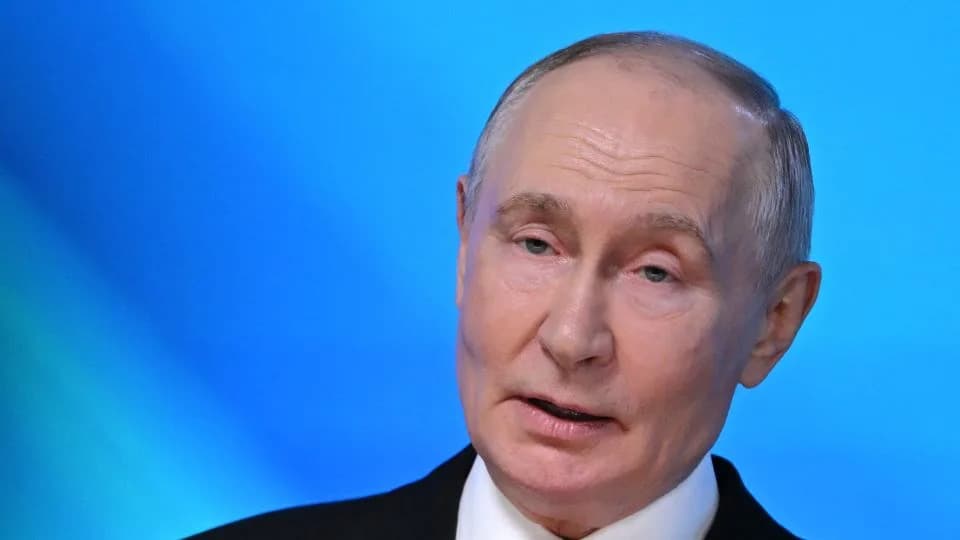
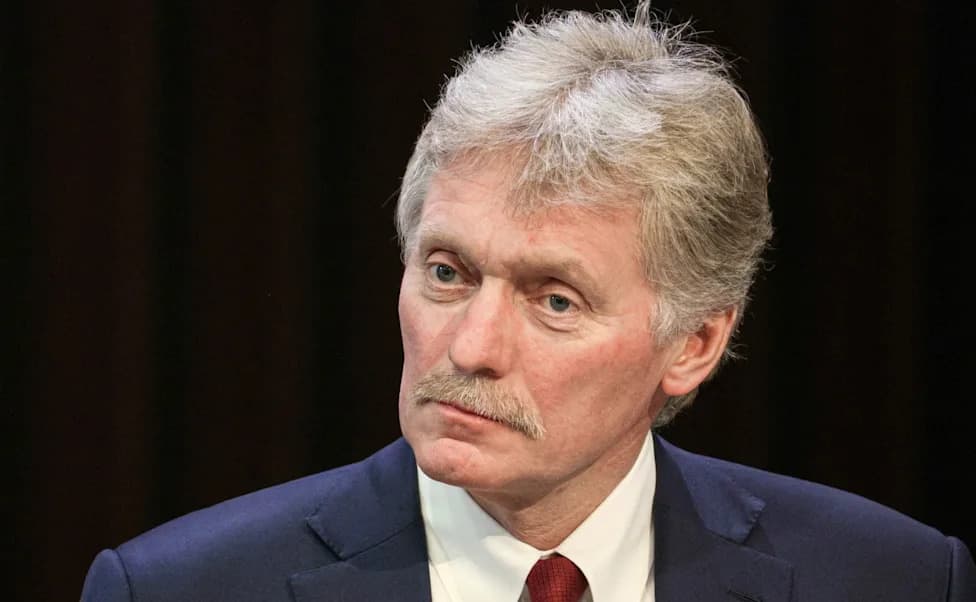
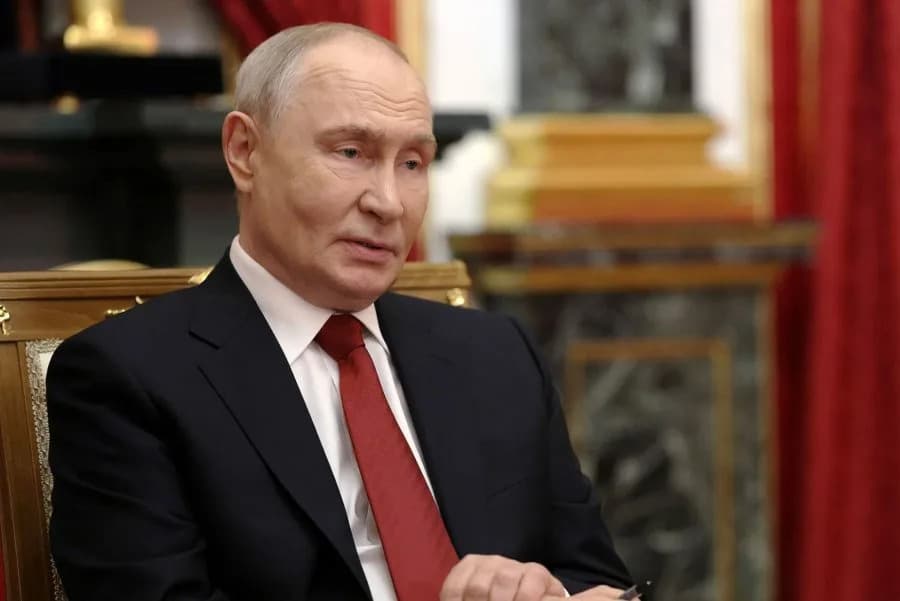
Russia's President Vladimir Putin addresses the audience during the Valdai Discussion Club meeting in Moscow on October 1, 2026. - Igor Ivanko/AFP/Getty Images
Russian President Vladimir Putin told the Valdai Discussion Club in Moscow that Russia would respond to any direct attack on its territory — including Kaliningrad, the Baltic exclave between Poland and Lithuania — with “all weapons” at its disposal, an admonition that explicitly referenced nuclear capability. He said he did not intend to attack any European state but framed recent NATO activity near Kaliningrad and other incidents as provocations that could force a strong response.
Context: NATO Drills and Moscow’s Reaction
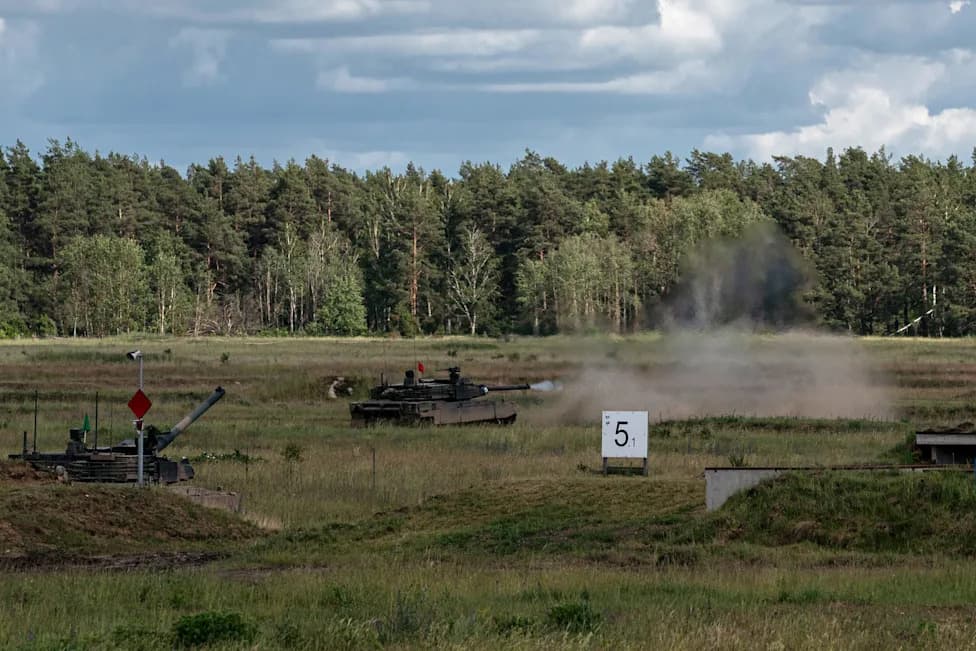
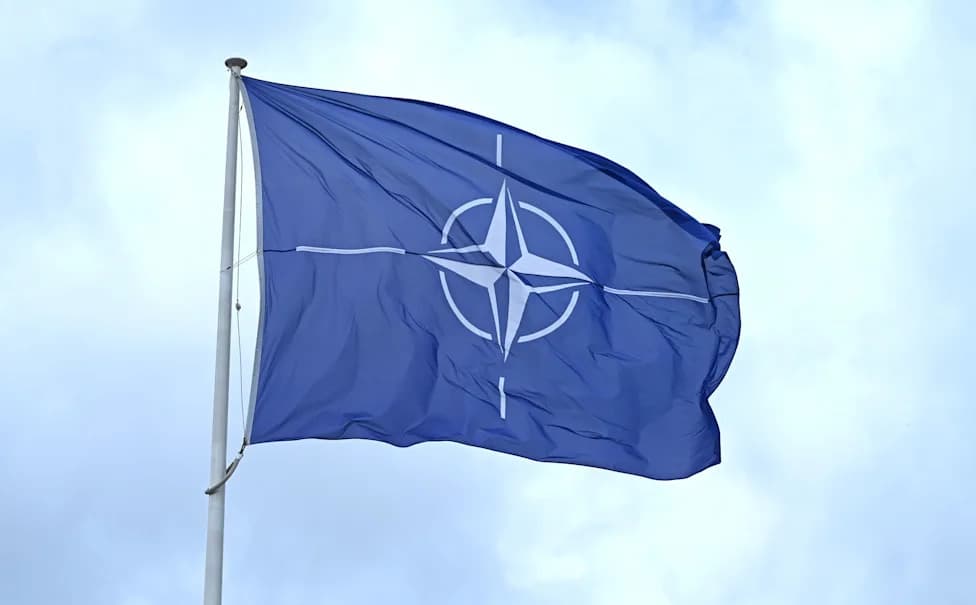
Putin’s comments came amid a series of NATO exercises near Kaliningrad that the alliance describes as defensive measures to strengthen deterrence. Moscow has protested the drills, and in late September warned it would retaliate if NATO attempted to blockade the exclave by air or sea.
"The drills in the Baltic Sea, following one another … Then the attempts to arrest our ships and vessels. All this is an escalation… If it comes to direct attack against the Russian Federation, in this case on Kaliningrad and possibly some other territories, of course the issue of using all weapons in our country's arsenal will inevitably and unavoidably emerge on the agenda. This is unavoidable," Putin said.
Economic and Military Toll
Putin acknowledged that Ukrainian strikes — including drone attacks on Russian oil refineries and strikes aimed at military targets — have had an economic impact, which he estimated at roughly 1% of Russia’s GDP. He also claimed that Ukrainian Black Sea operations had put more than 100 Russian ships out of action. Those strikes have contributed to fuel shortages, long queues at petrol stations and disruptions to logistics and e-commerce within Russia.
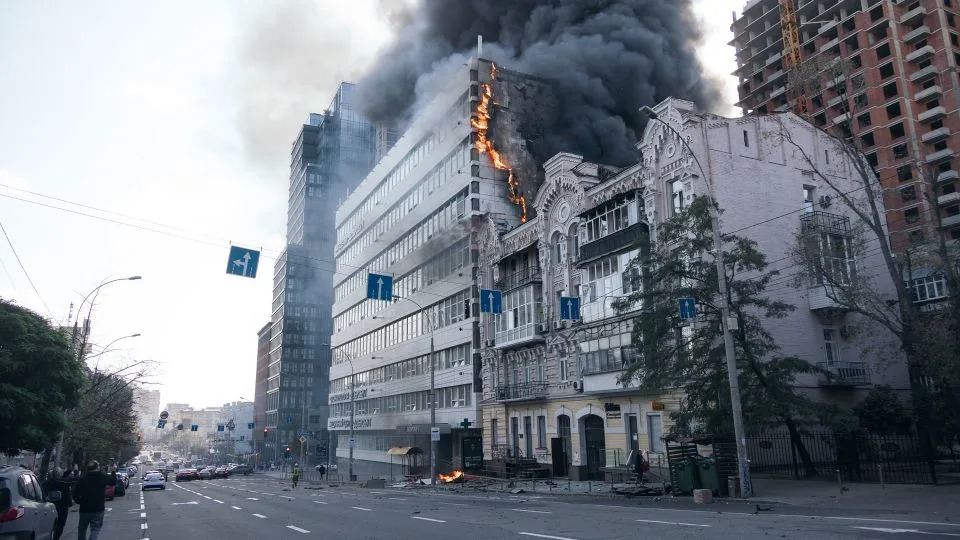
A private medical clinic burns following a Russian drone strike in Kyiv, on September 28, 2026. - Nikoletta Stoyanova/Getty Images
Domestic Politics and Defense Spending
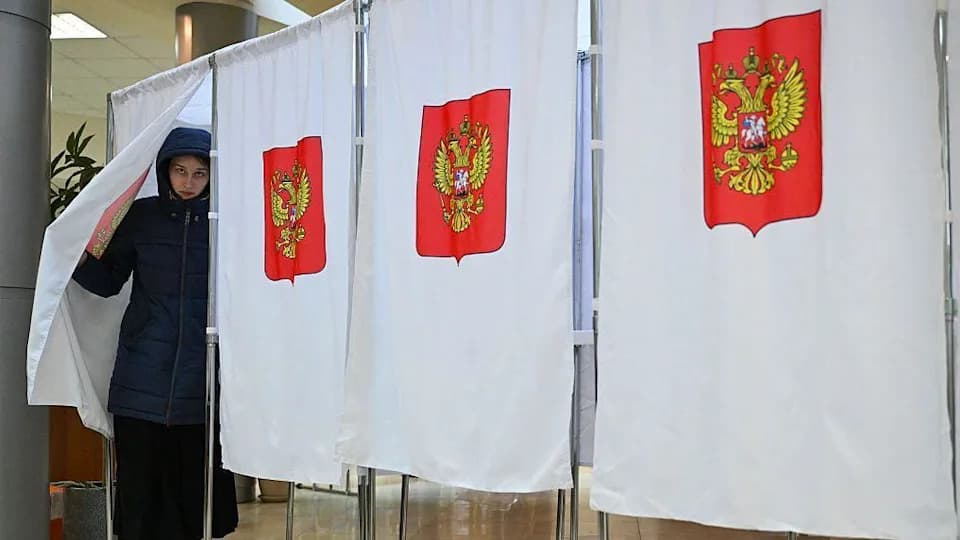
Speaking to newly elected State Duma members a day earlier, Putin insisted the Russian economy was stable and criticized Ukraine’s reliance on Western financial support. United Russia retained its parliamentary majority in the recent vote. Budget documents reviewed by Reuters indicate Russia plans to allocate 17.1 trillion rubles (about $205 billion) to defense in 2027 — an increase of around 27% over earlier estimates and the largest defense budget since the full-scale invasion began.
Diplomatic Posture
While Putin said he would prefer a negotiated end to the conflict, his remarks stressed that Moscow would not back down if it perceived direct threats to its territory. NATO and several European countries have accused Russia of hybrid operations — including cyberattacks and sabotage — to weaken Western support for Ukraine; Moscow rejects those accusations and portrays NATO activity near its borders as escalatory.
Bottom line: Putin’s remarks underline a heightened tone of deterrence around Kaliningrad, a willingness to escalate in response to perceived threats, and a domestic pivot toward higher defense spending even as Moscow acknowledges some economic fallout from Ukrainian strikes.
Help us improve.