Donald Trump’s early reluctance to fully back and bankroll Ken Paxton helped turn a once-safe Texas Senate seat into a competitive race. Paxton’s long-running legal and personal problems weakened his statewide appeal, while Democrat James Talarico has outraised him and holds narrow leads in some polls. After months of internal debate, Trump’s allies finally committed major funds — a $10 million MAGA Inc. ad buy and roughly $54 million from the Senate Leadership Fund — but the contest remains one of the nation’s most expensive and uncertain.
How Trump's Choices Turned a Once-Safe Texas Senate Seat Into a Toss-Up
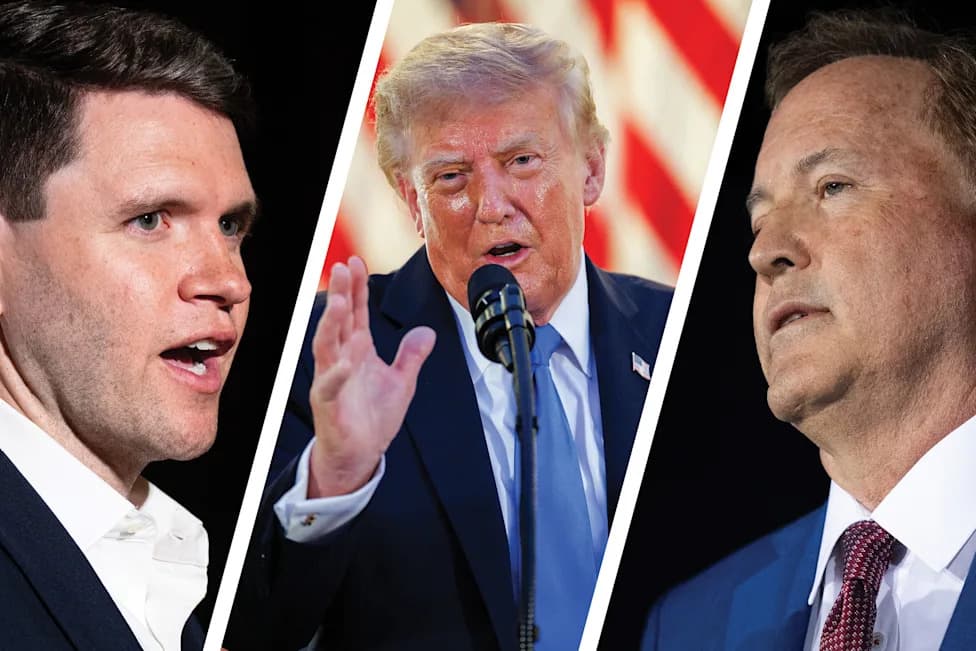
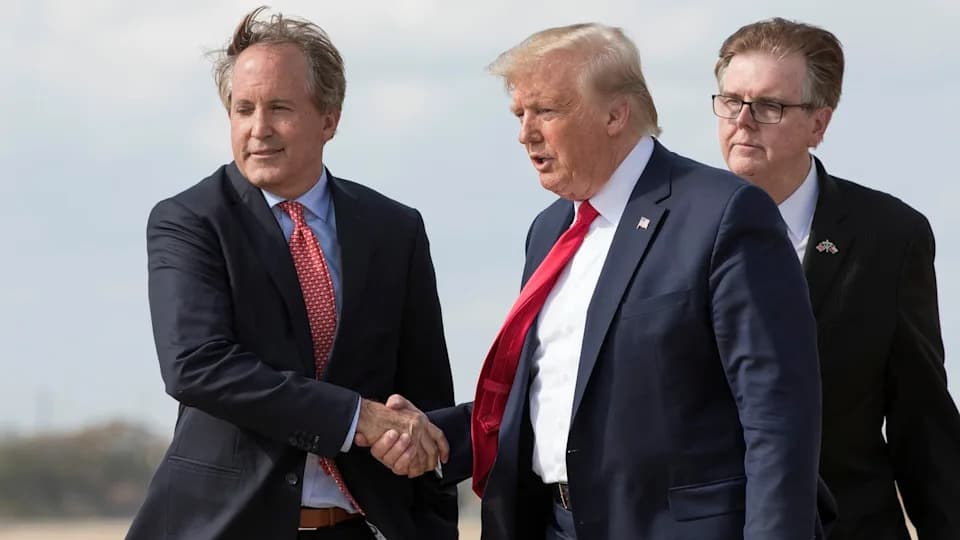
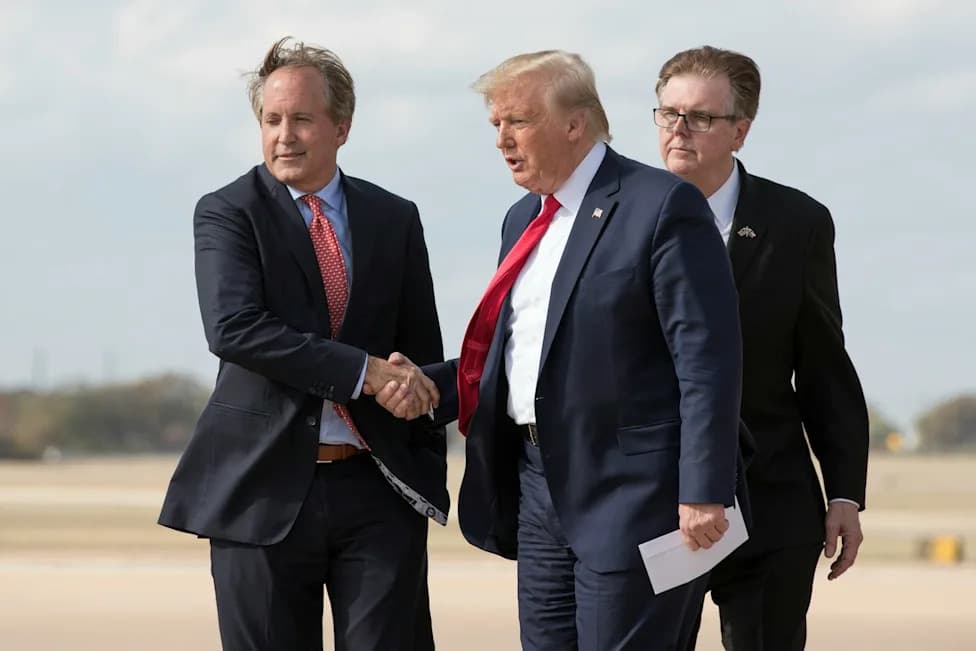
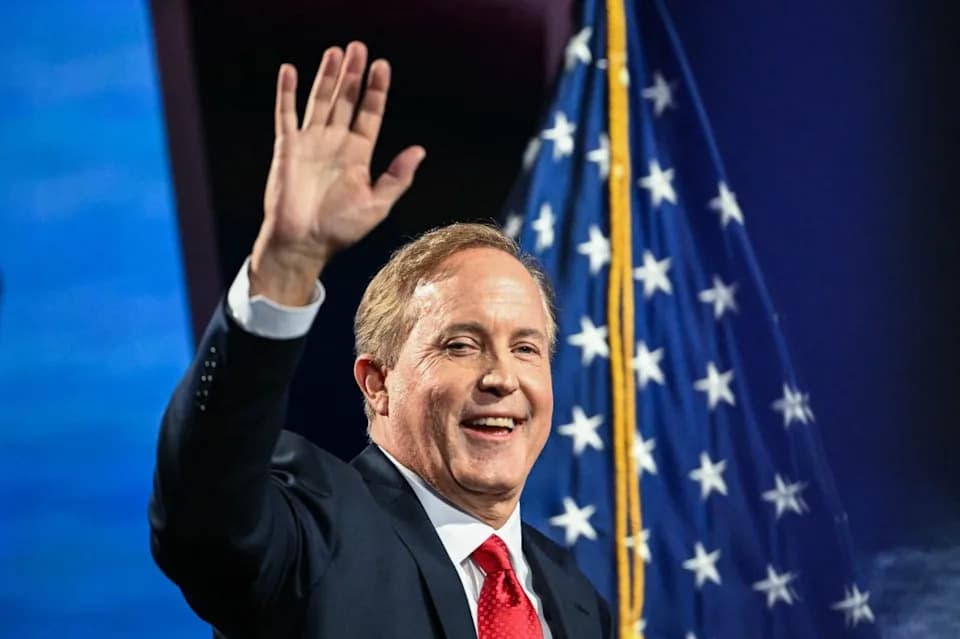
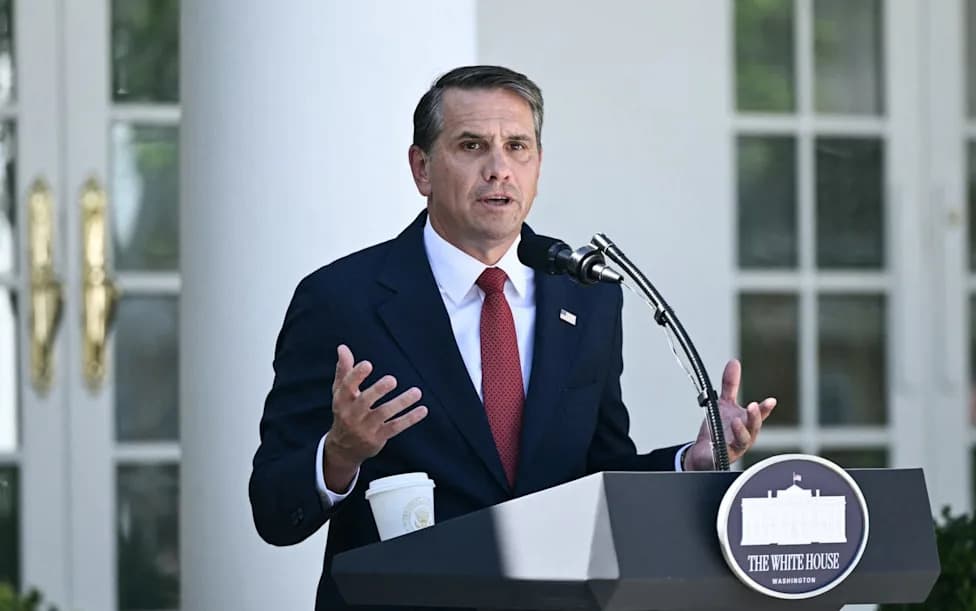
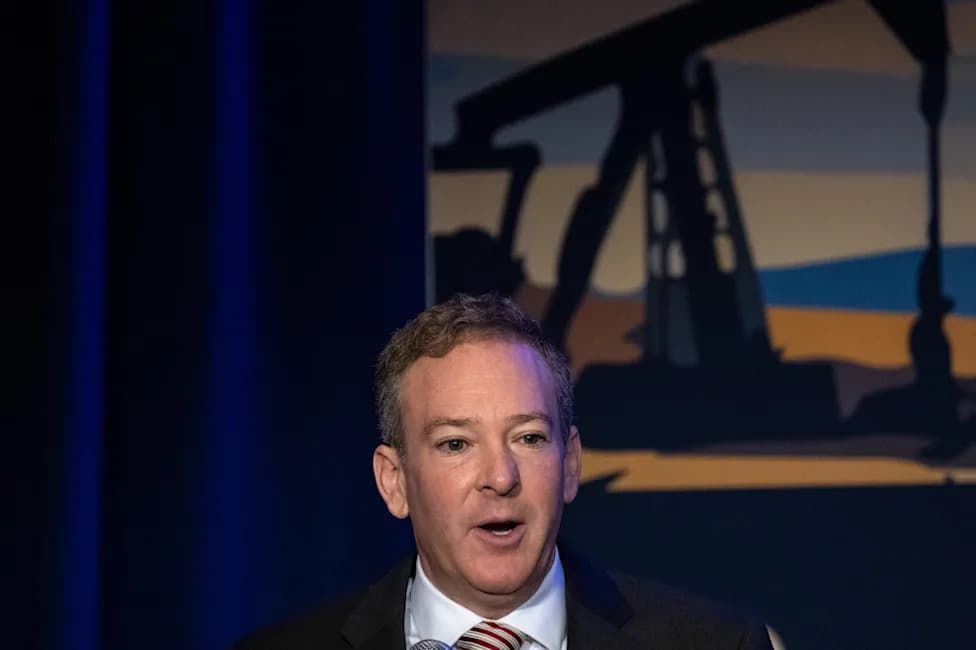
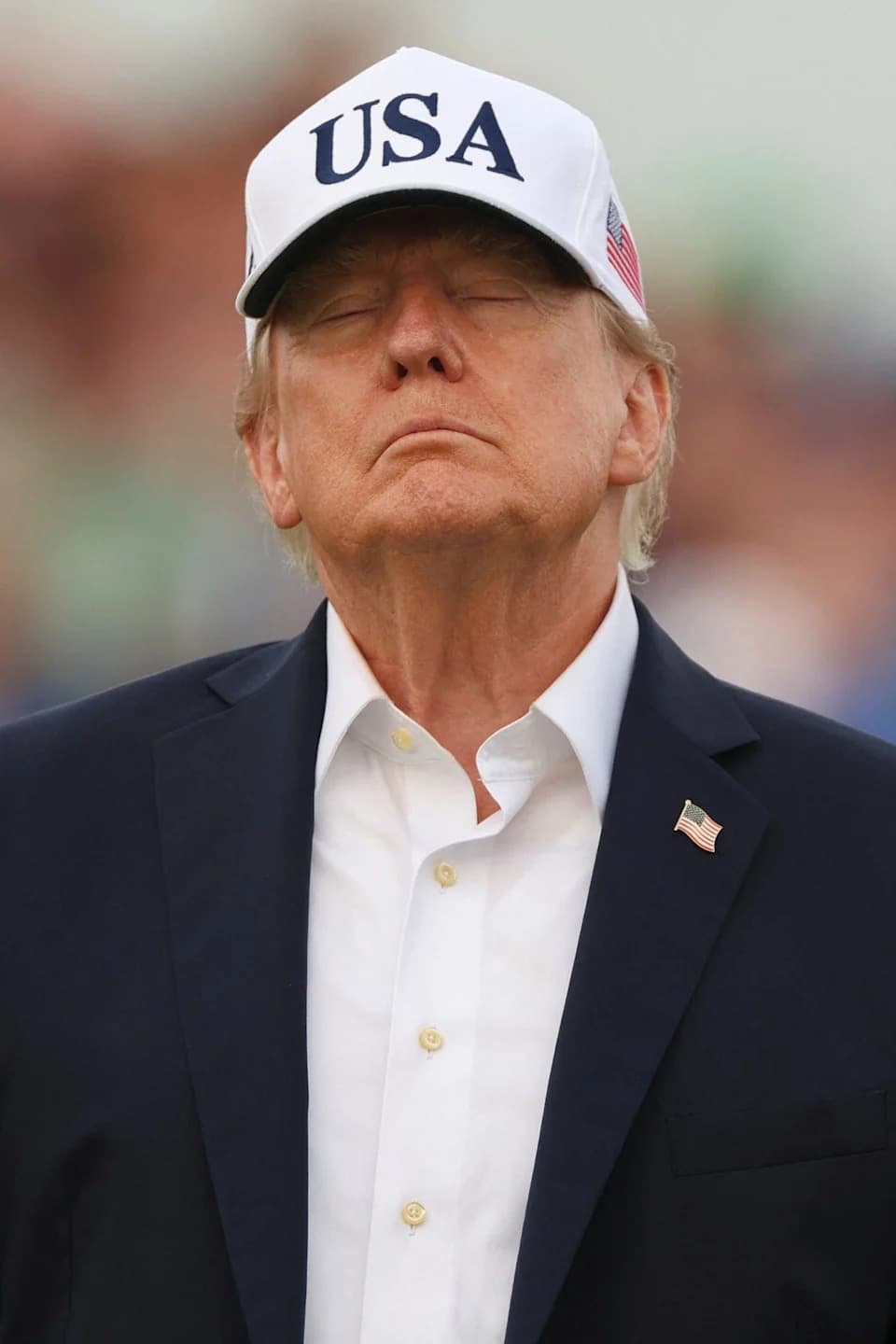
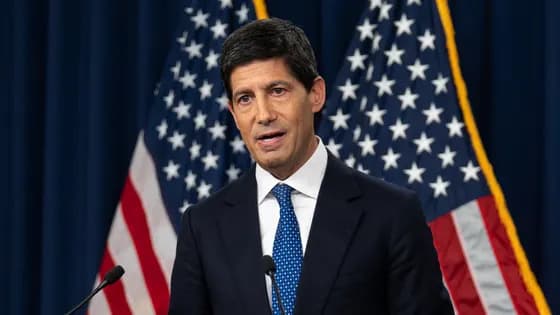
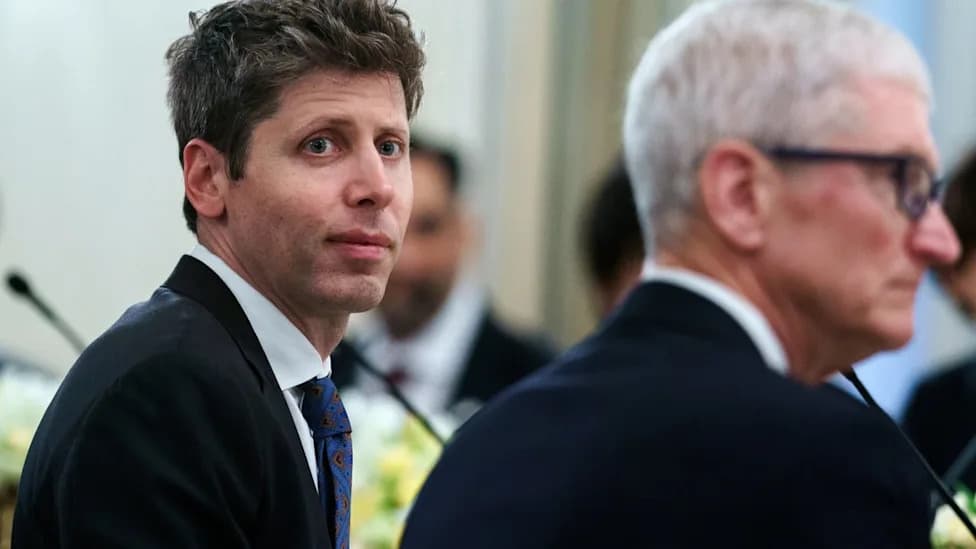
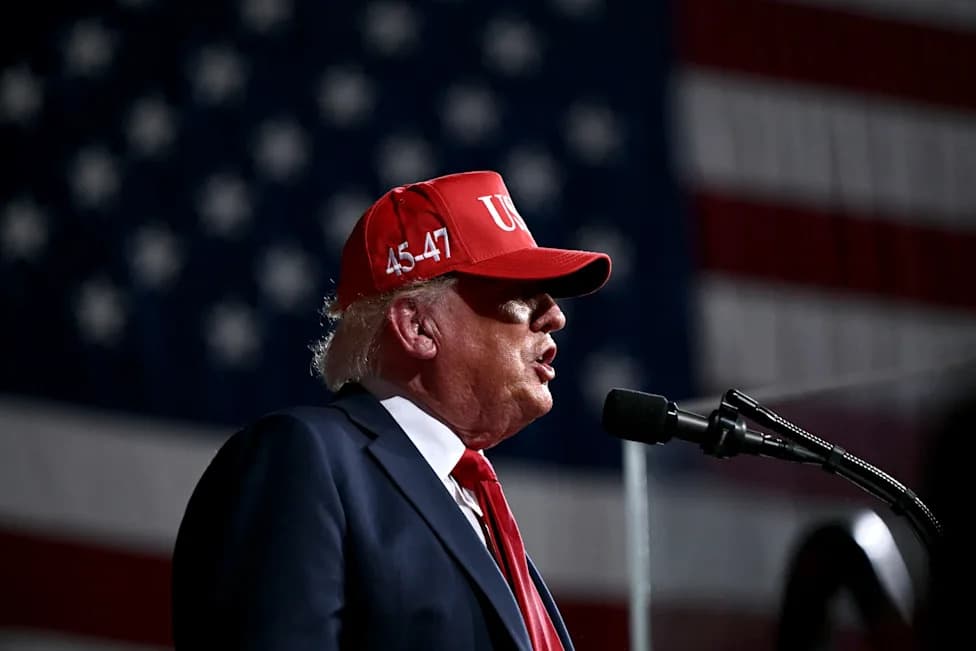
—From left: Bill Clark—CQ-Roll Call/Getty Images; Samuel Corum—Sipa/Bloomberg/Getty Images; Antranik Tavitian—Bloomberg/Getty Images
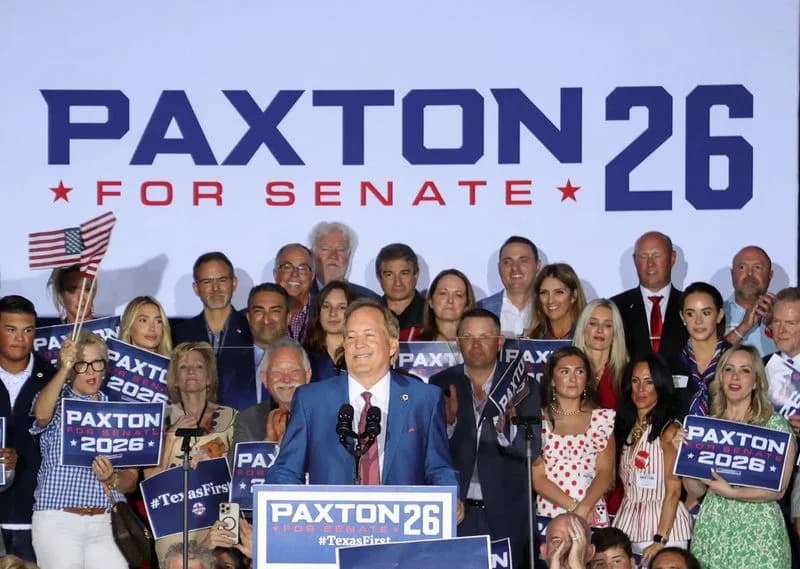
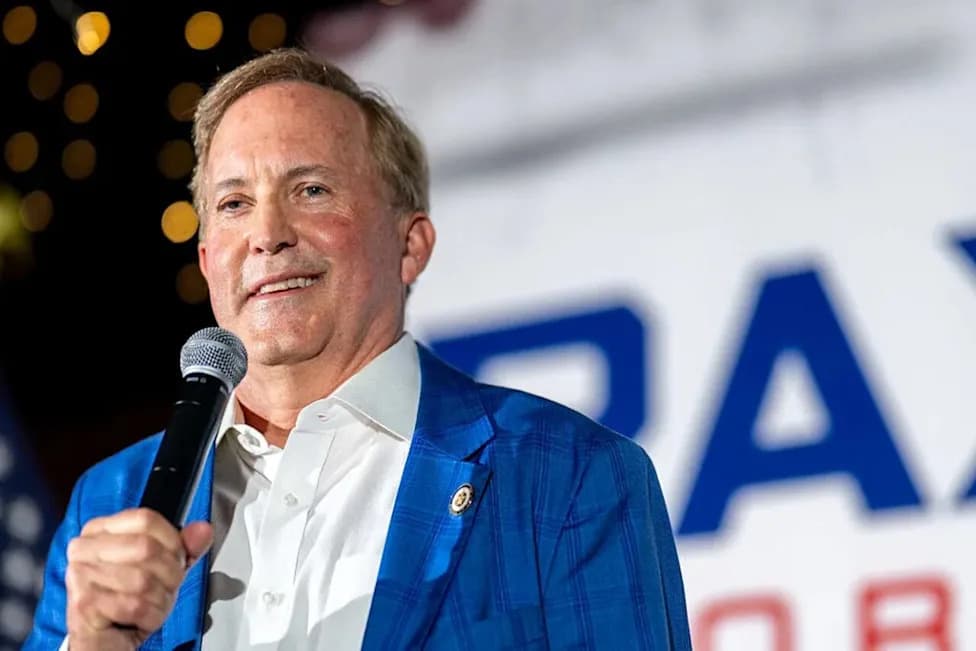
If Republicans lose the upcoming U.S. Senate contest in Texas this fall, many inside the party privately say former President Donald Trump will share the blame. What began as a race Republicans expected to win easily has become one of the nation’s most expensive and competitive contests — driven largely by Trump’s early hesitation, a bruising GOP primary, and the scandal-plagued candidacy of Attorney General Ken Paxton.
Why the Race Mattered
Texas is a large, expensive state to contest, and the seat was long viewed as a GOP lock. But a combination of high-profile vulnerabilities and financial decisions inside Trump’s political operation changed the dynamics. Several recent polls show Paxton narrowly trailing Democratic state representative James Talarico, and Talarico has outraised Paxton by substantial margins — giving Democrats the resources to compete statewide for the first time in decades.
Paxton's Baggage
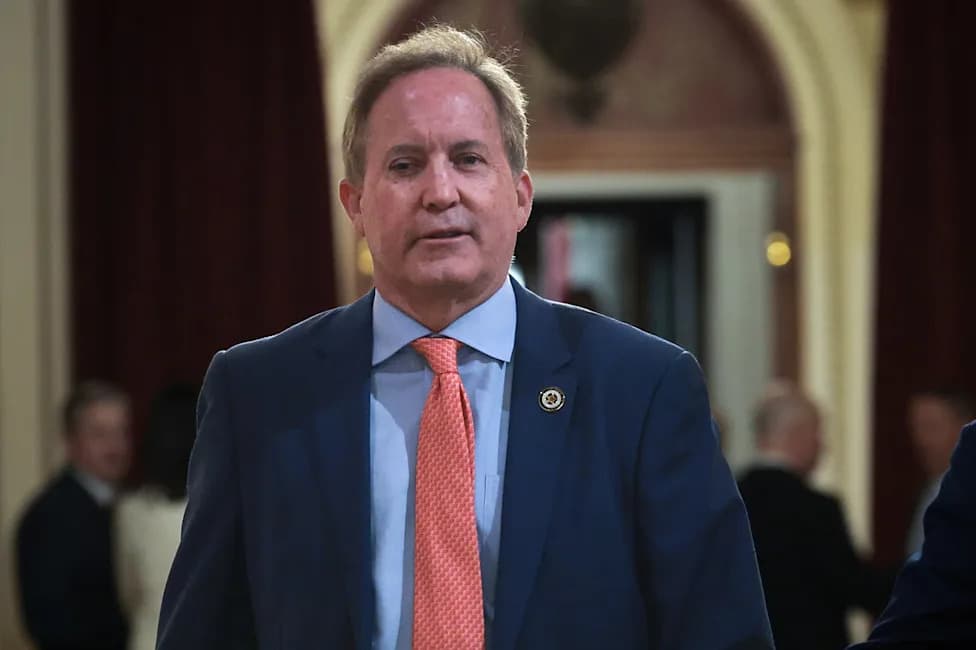
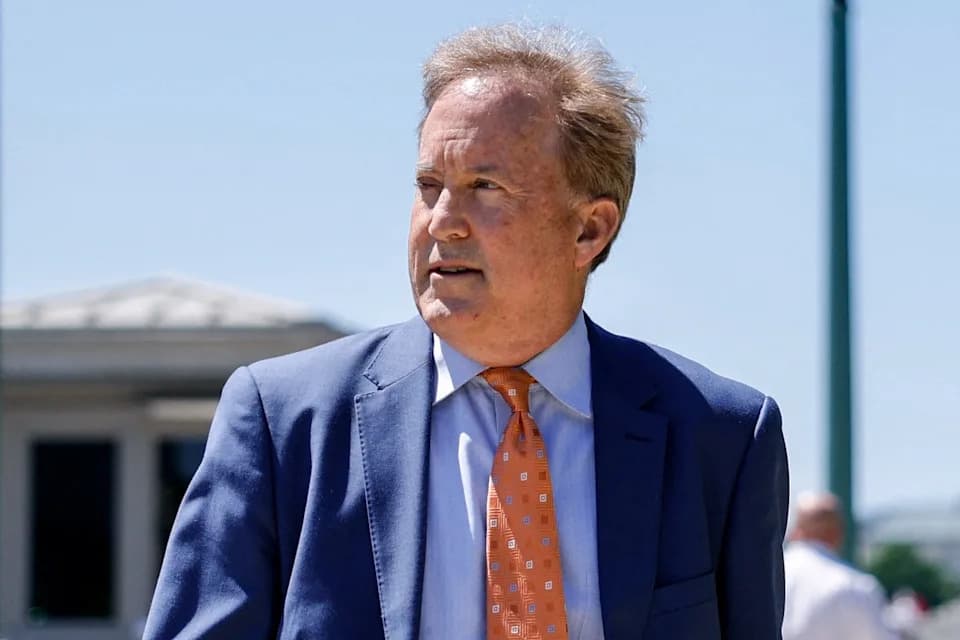
Ken Paxton entered the race burdened by long-running legal and personal controversies. He was indicted on felony securities-fraud charges after taking office in 2015 and spent years contesting those claims before prosecutors reached a settlement that included restitution and other terms. In 2023 the Texas House impeached him on separate allegations of abusing office; he was later acquitted by the state Senate. He has also faced public revelations of an extramarital affair and a subsequent divorce filing that have further strained his standing with some voters.
The Contentious GOP Primary
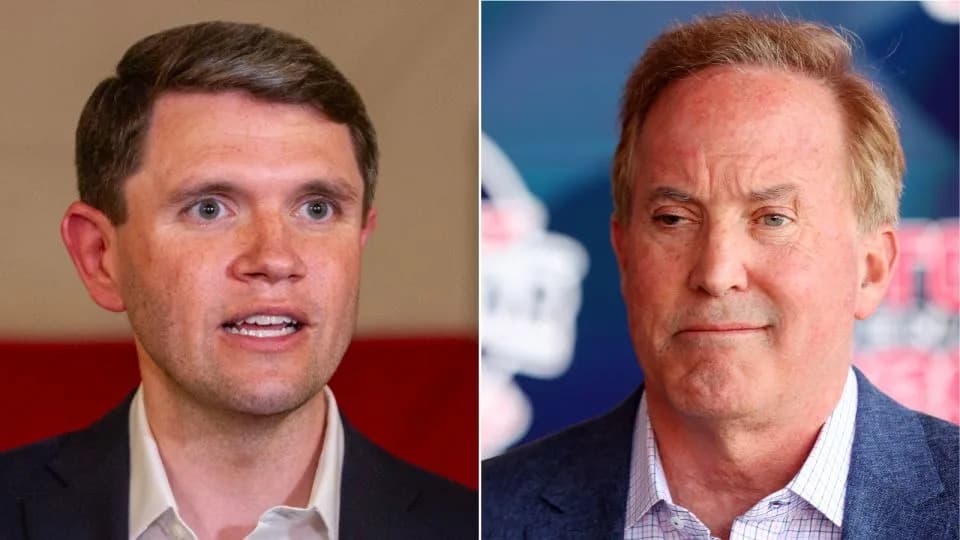
The primary fight complicated the picture. Four-term Senator John Cornyn — a Senate stalwart — faced pressure from the right flank, and Rep. Wesley Hunt emerged as a third option, arguing he could be a cleaner MAGA-aligned alternative to Paxton. The three-way dynamic forced costly intra-party spending: Cornyn’s allies spent heavily to blunt Hunt, while Paxton benefited from attacks and outside support. That prolonged primary drained time, money and political capital Republicans had hoped to reserve for the general election.
Money, Strategy, and Missed Opportunities
Trump’s allied super PAC, MAGA Inc., reportedly held more than $400 million this summer. Yet MAGA Inc. and other Trump-aligned funders initially spent little in Texas. According to multiple sources, Trump privately questioned the payoff of investing early in midterm contests and was reluctant to exhaust resources he might want to reserve for future influence. After weeks of pressure from GOP allies, the super PAC committed a $10 million ad buy in Texas on Sept. 5 — one of its first general-election expenditures of the cycle.
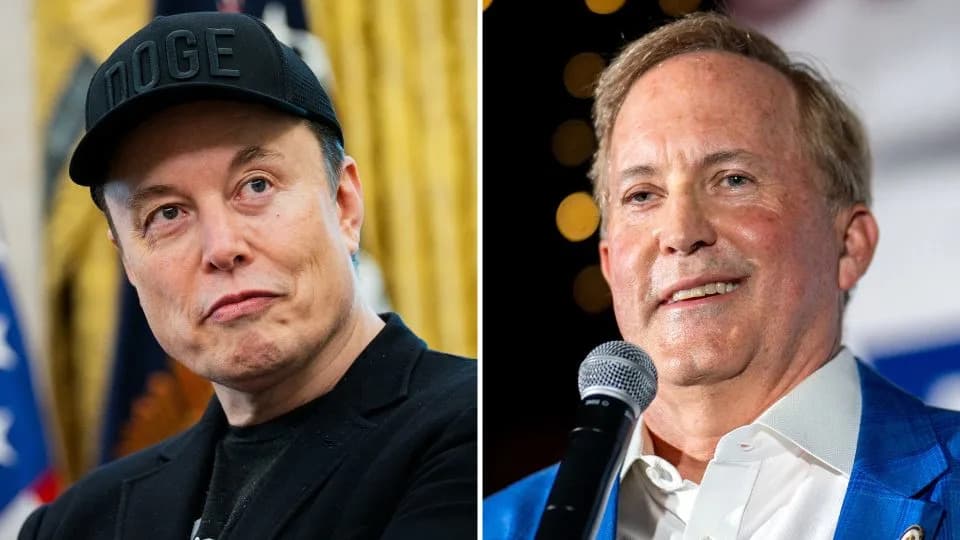
Meanwhile, the Senate Leadership Fund — aligned with Senate GOP leadership — later announced roughly $54 million to shore up Paxton’s bid. Other outside money arrived as well: tech billionaire Elon Musk funneled roughly $1.6 million through his super PAC, though some Republicans worried his positions on AI data centers and H‑1B visas could complicate outreach to the Texas base.
High-Profile Interventions and Mixed Returns
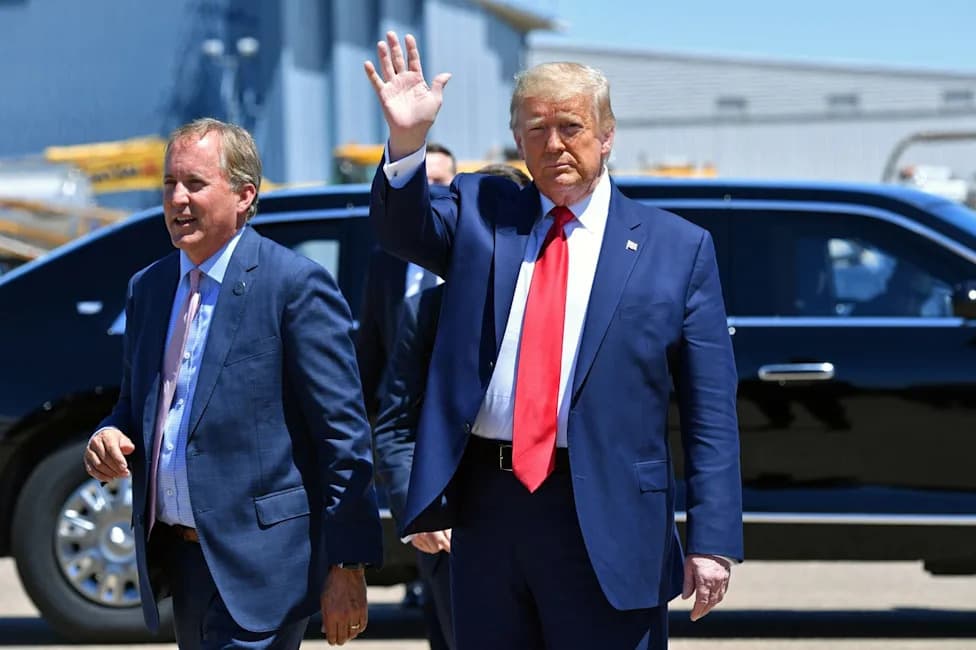
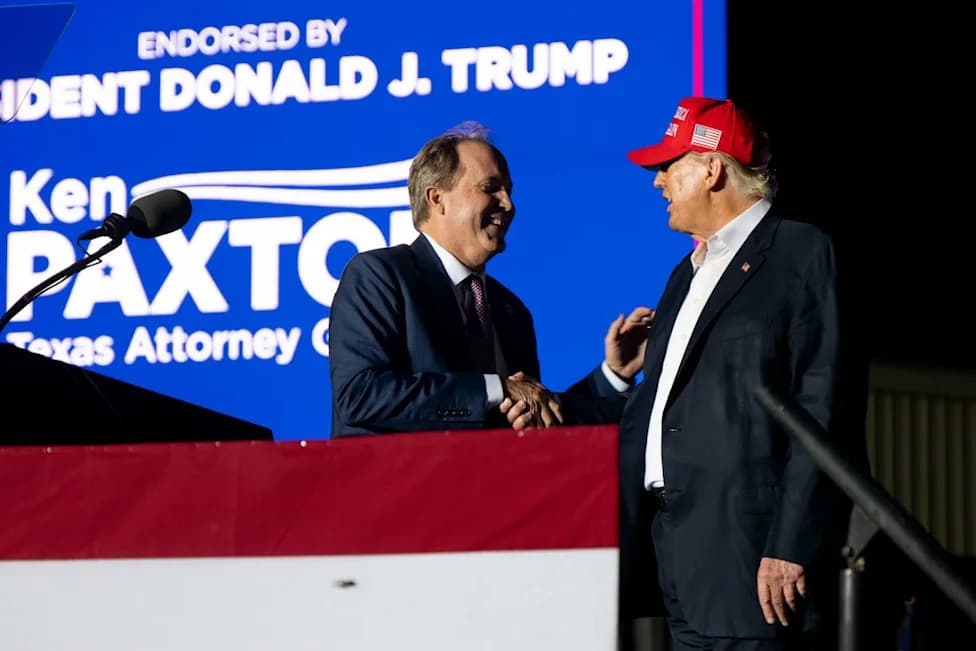
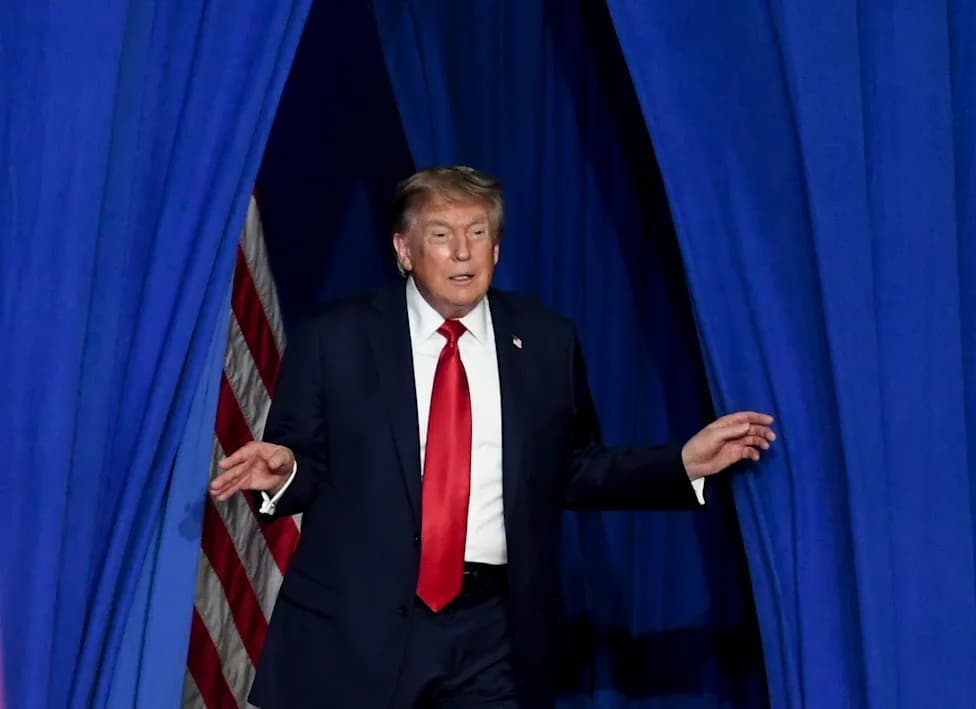
Trump eventually endorsed Paxton and headlined a midterm convention in Dallas meant to rally support. But even that intervention had an awkward tone: Trump praised Paxton’s record while also mocking his appearance and media manner — remarks that undercut the intended boost for a struggling candidate. Ticket prices and visible empty seats dampened the event’s impact.
“I don’t think they fully understand what’s going to happen when we lose the House and Senate,” warned Steve Bannon, reflecting fears inside the movement about the consequences of major midterm losses.
What This Means Going Forward
The net effect: a race that GOP strategists assumed would be straightforward is now in play. Democrats have both a credible candidate and the fundraising to compete statewide; Republicans face the choice of committing more resources or risking a historic loss in Texas. For Trump, the outcome has implications beyond one seat — it affects the party’s majority, future investigations, and the broader political leverage held by his network.
Bottom line: Paxton’s vulnerabilities, intra-party infighting and delayed spending by major Republican funders transformed a likely GOP hold into one of the fall’s most closely watched and costly Senate races.
Help us improve.