The World Food Programme says 74% of households in accessible government-held areas of Yemen cannot meet basic food needs, the highest level this year. Fighting between Saudi-backed forces and the Houthi group has displaced tens of thousands and disrupted markets and aid. WFP aims to scale up assistance to reach up to 1.5 million people but urgently needs $109 million. Across Yemen, 18.3 million people face severe food insecurity, including about 2.2 million acutely malnourished children under five.
Three in Four Households in Parts of Yemen Cannot Meet Food Needs as Fighting Escalates, WFP Warns
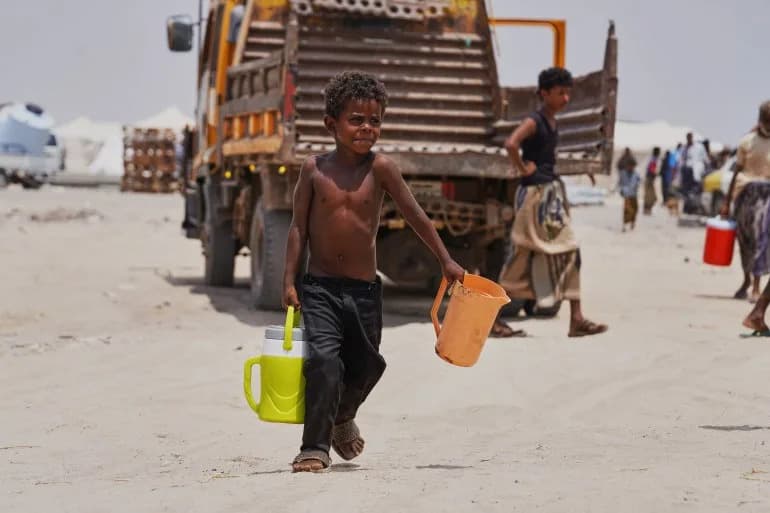
A displaced Yemeni boy carries water containers at Al-Firdaws camp in Ras Imran on the western outskirts of Aden, Yemen [Abdulnasser Alseddik/AP Photo]
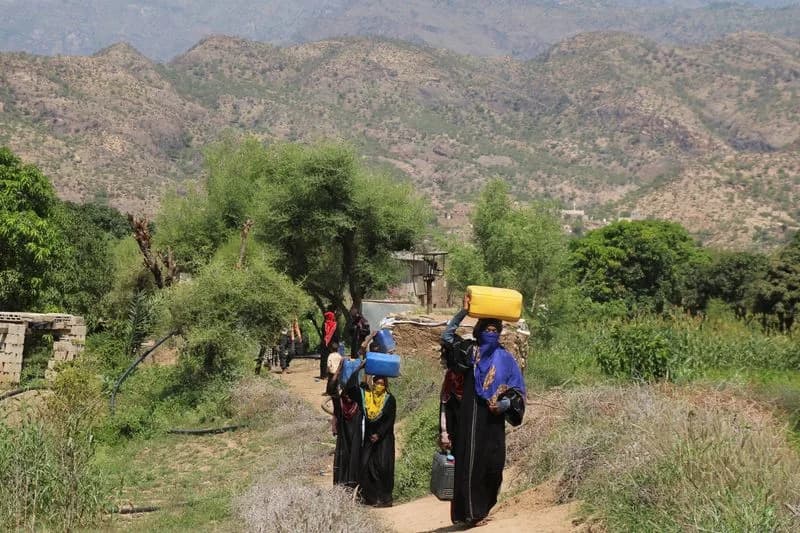
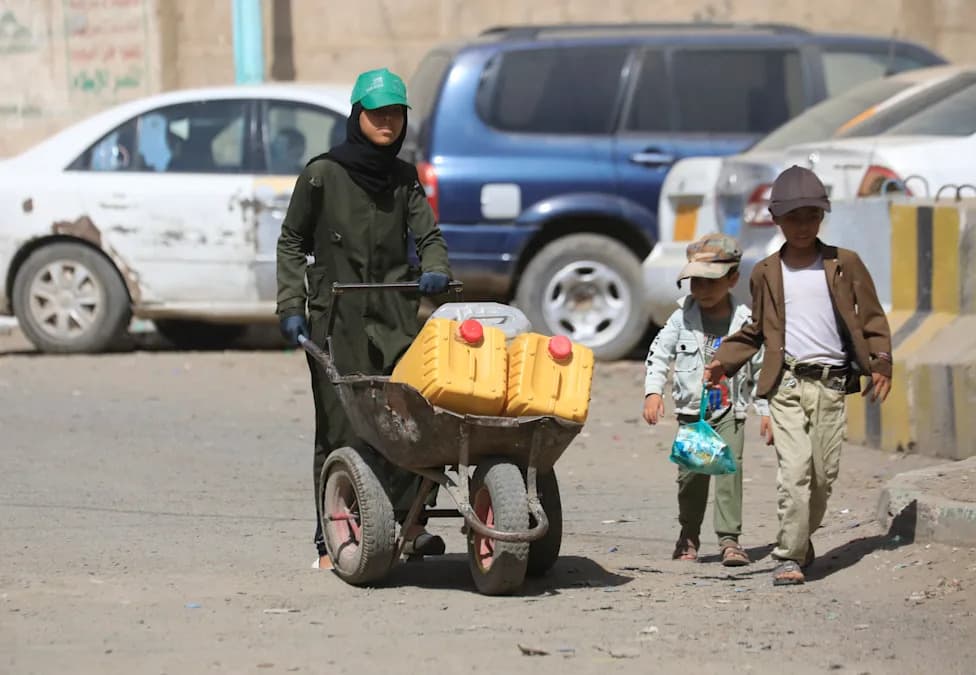
Heavy fighting in Yemen has left an estimated three out of four families in some government-held areas unable to cover basic food requirements, the United Nations World Food Programme (WFP) warned. The agency reported that 74% of households in accessible government-controlled zones are now unable to meet minimum food needs — the highest level recorded so far this year.
WFP estimates roughly 10 million people live in those government-held areas. Yemen imports about 90% of its food, making the country especially vulnerable when markets and humanitarian access are disrupted by conflict.
Escalation of Fighting and Displacement
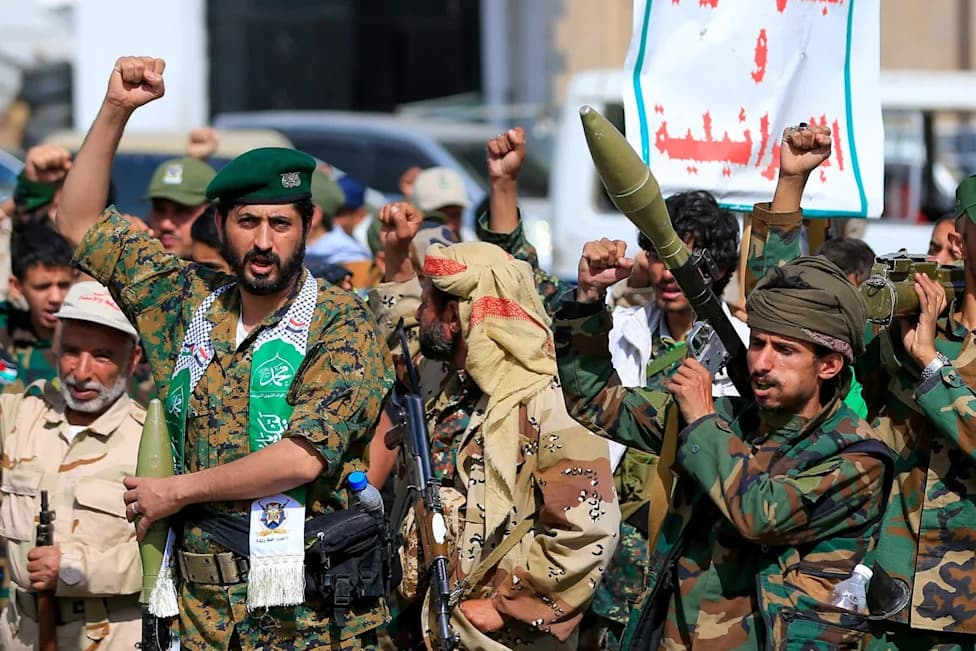
The recent escalation pits Saudi-backed government forces against the Iran-aligned Houthi group, which already controls much of northern Yemen, including the capital Sanaa. Last month the Houthis seized stretches of the country’s Red Sea coastline from the internationally recognised government based in the southern port city of Aden.
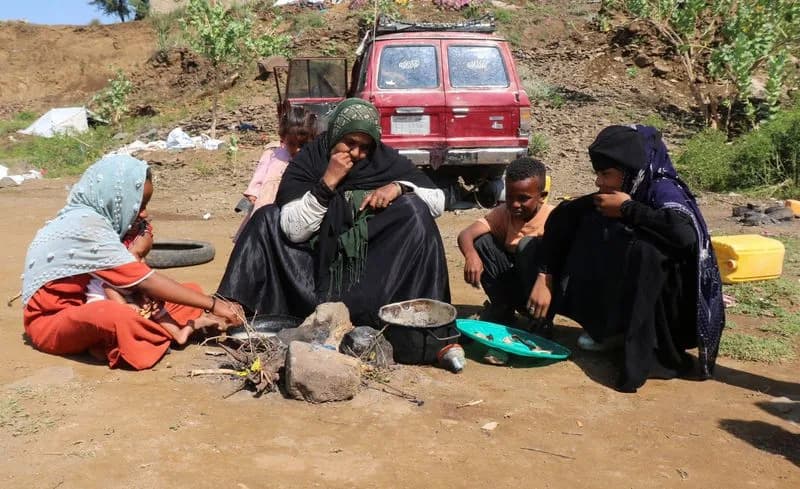
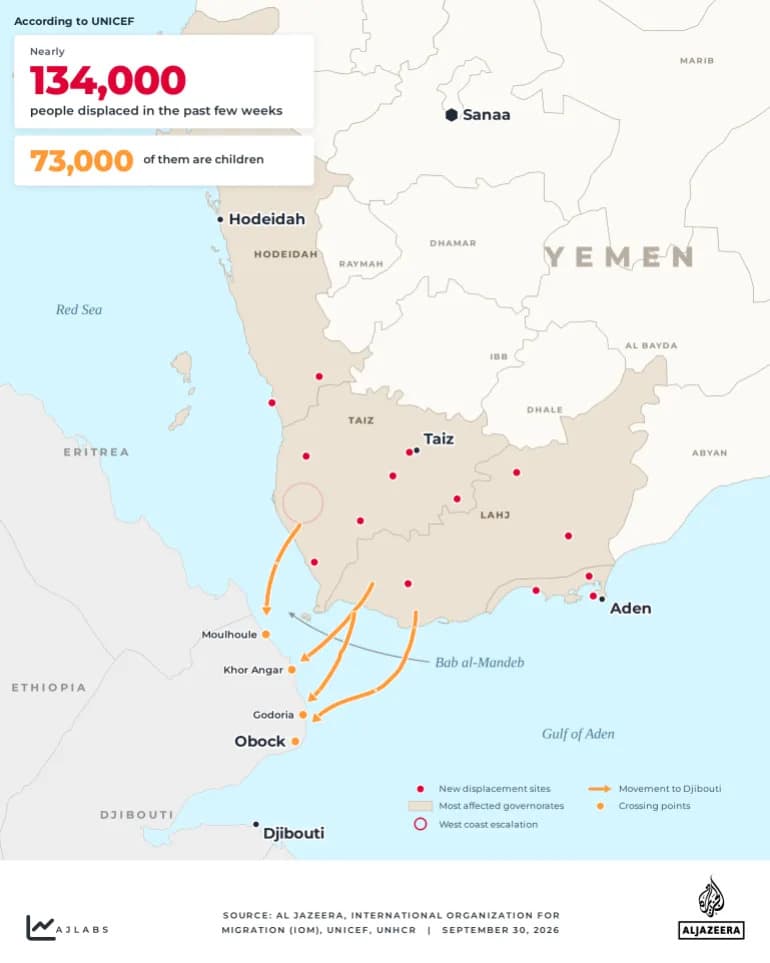
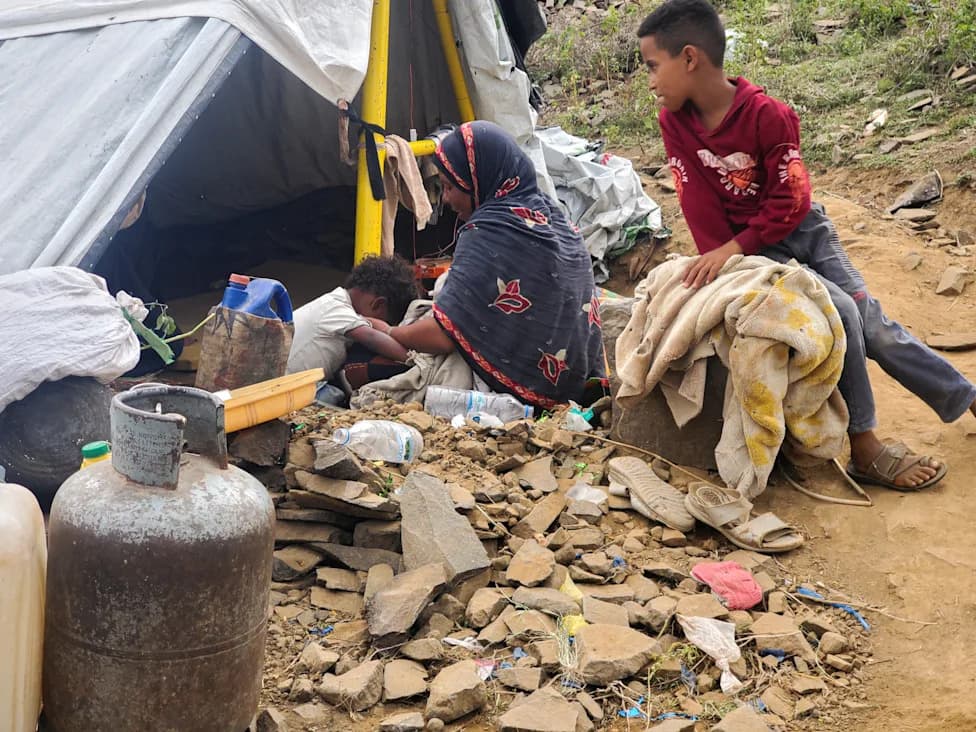
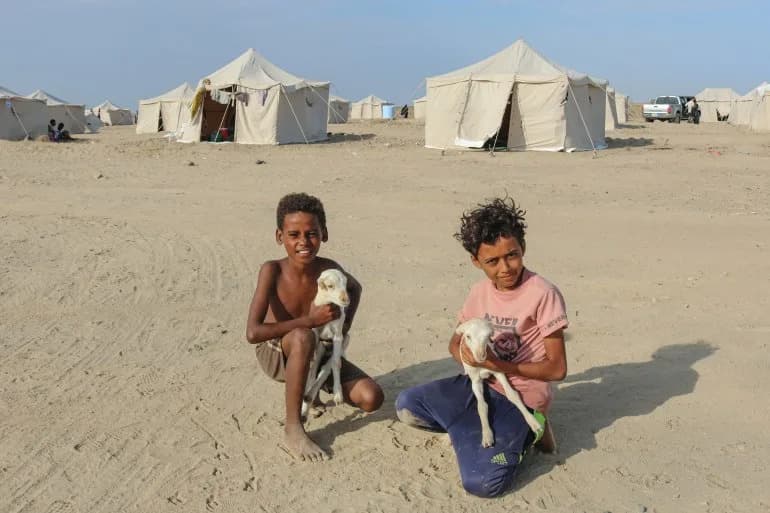
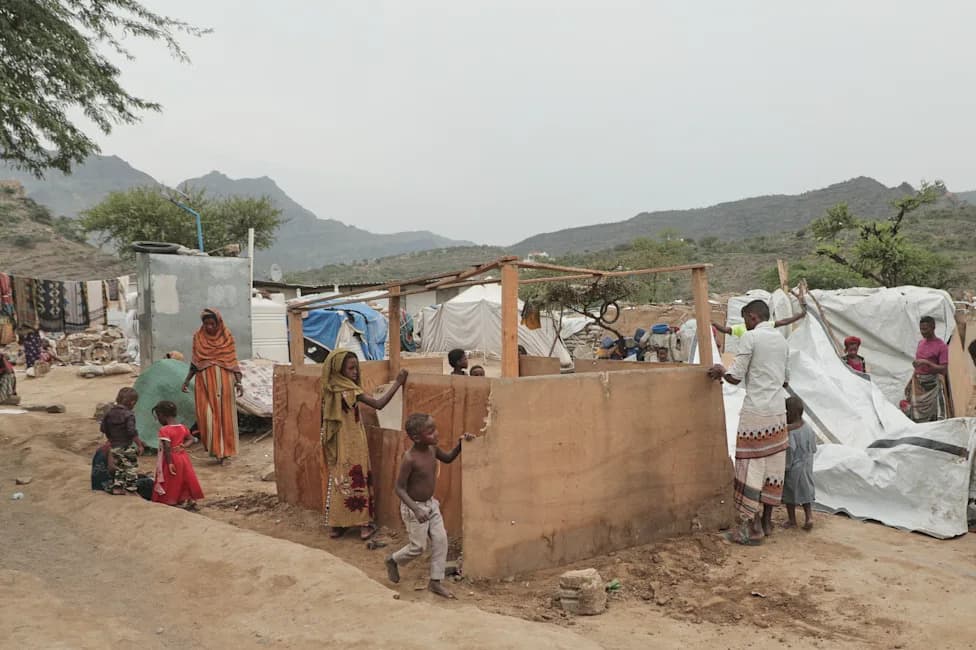
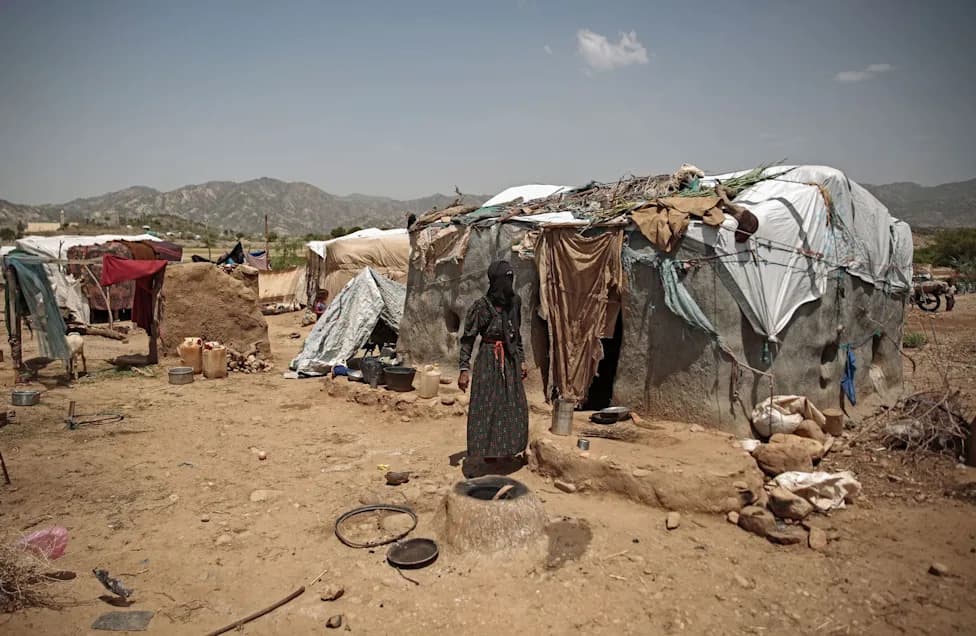
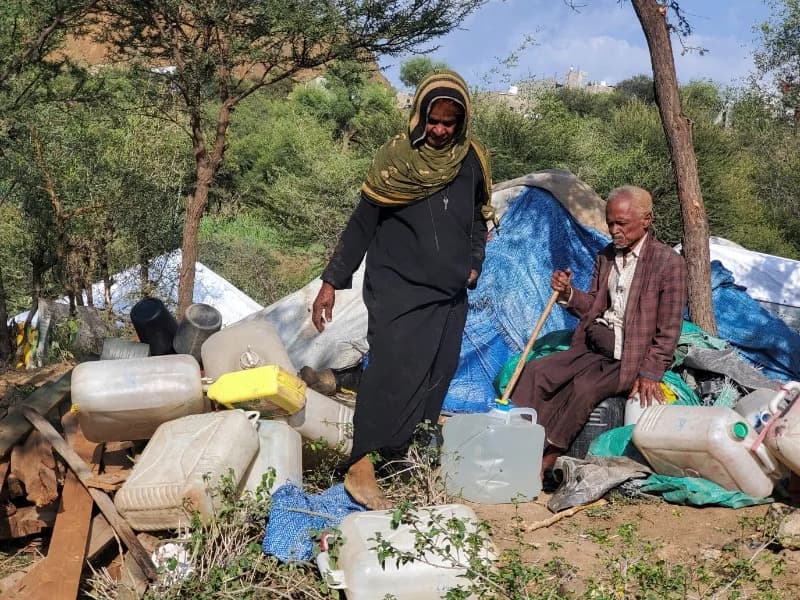
Fighting has displaced tens of thousands of people, with many families arriving outside Aden and around Taiz with no food or water after fleeing their homes. The International Organization for Migration (IOM) says more than 149,000 people have been displaced within Yemen, many multiple times. The WFP also reported that over 3,700 people fleeing the fighting had reached Djibouti via the Bab el-Mandeb Strait by late September.
Humanitarian Response and Funding Needs
The WFP says it is scaling up to reach up to 1.5 million people but urgently needs $109 million to fund that response. The agency has already diverted resources earmarked for November distributions and warns that, without new funding, vital assistance to vulnerable displaced people could face gaps within a month.
"We are looking at a hunger crisis that is going to grow as it persists," said Matthew Hollingworth, WFP Assistant Executive Director for Programme Operations, speaking to reporters in Geneva via video link from Rome. He added that the latest flare-up "threatens to be absolutely devastating" for food security.
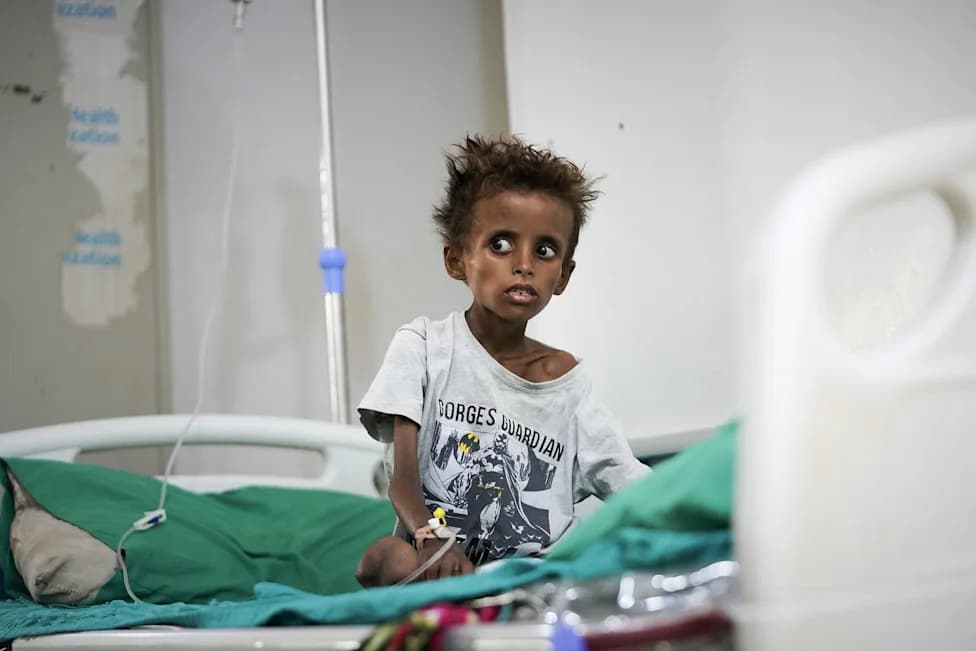
Across Yemen, the WFP estimates 18.3 million people now face severe food insecurity, including about 2.2 million children under five who are acutely malnourished and at risk of life-threatening complications without sustained aid.
Wider Implications
Observers warn the conflict could redraw control across Yemen and further disrupt key maritime routes in the Red Sea. WFP officials cautioned that disruptions near the Houthi-controlled Bab el-Mandeb Strait or in the Strait of Hormuz could push up global food and fuel prices, compounding humanitarian suffering.
The WFP and other agencies are urging immediate donor support to prevent further deterioration of food security and to keep lifesaving assistance flowing to displaced and vulnerable communities.
Help us improve.