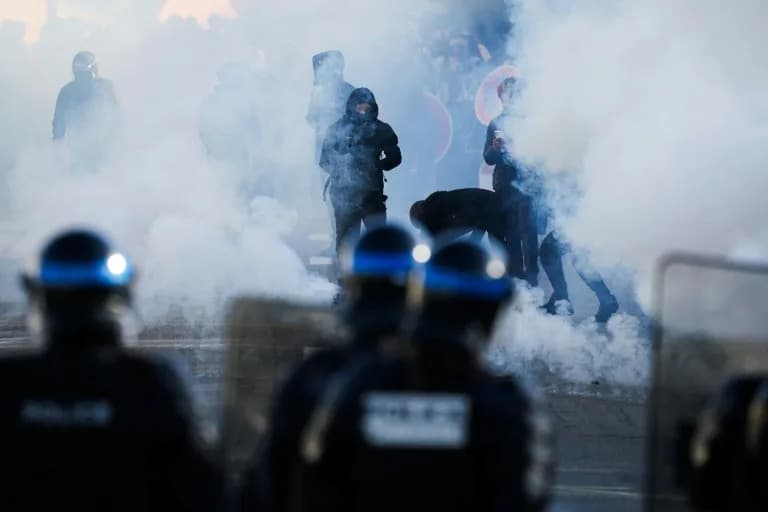
The diplomatic relationship between Ethiopia and Eritrea has been severed amid renewed and intensifying fighting in northern Ethiopia, raising fears of regional escalation. Ethiopia closed its embassy in Asmara and ordered Eritrean diplomats to leave; Eritrea immediately reciprocated. Heavy clashes continue across Tigray, Afar and Amhara, with reports of civilian casualties and communications blackouts making independent verification difficult. The African Union and the UN have urged restraint and warned the violence is severely disrupting humanitarian assistance.
Ethiopia and Eritrea Sever Diplomatic Ties as Northern Fighting Intensifies
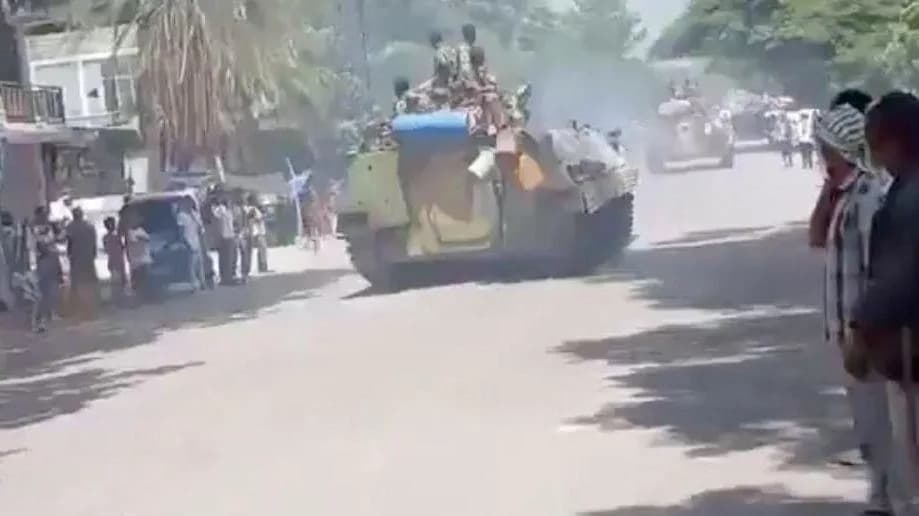
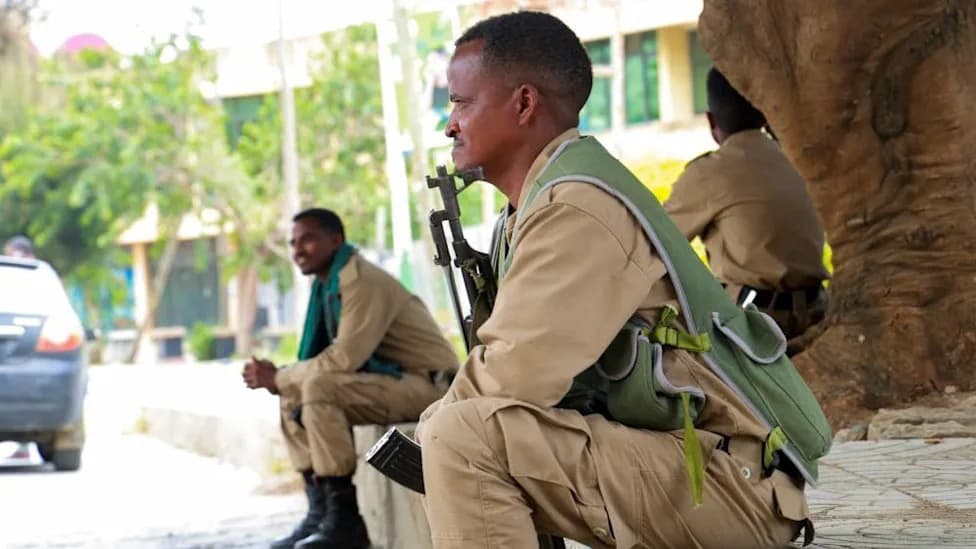
More than 50 people have been killed since heavy fighting resumed in northern Ethiopia last week [Reuters]
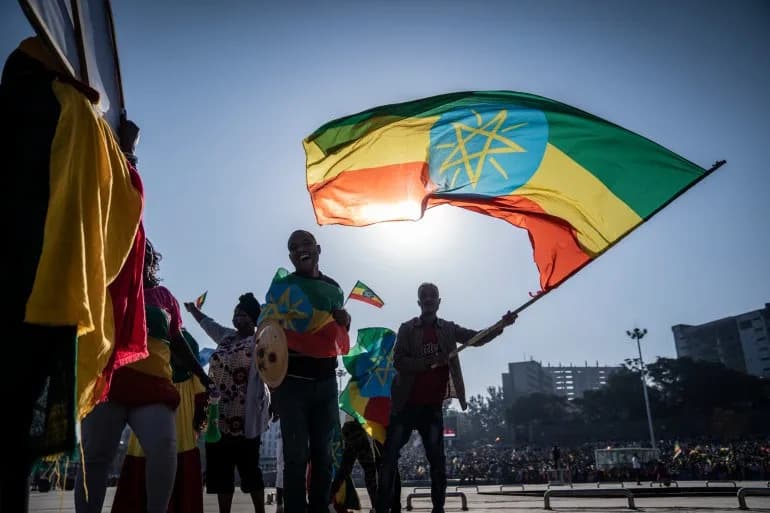
Ethiopia and Eritrea have cut diplomatic relations as renewed fighting in northern Ethiopia raises concerns of a wider regional escalation. Addis Ababa announced the closure of its embassy in Asmara and ordered 10 Eritrean diplomats to leave within 48 hours, accusing them of activities that threatened national security. Eritrea responded by severing ties and calling Ethiopia's move "astounding."
Explosions, Accusations and a Broader Conflict
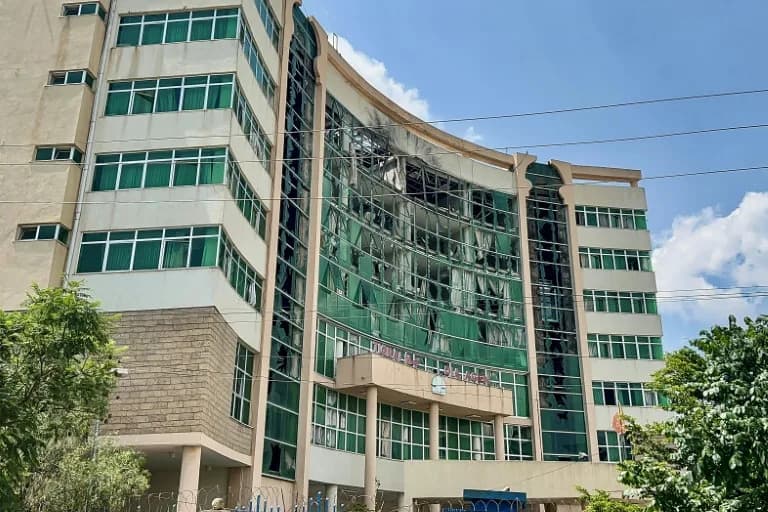
Hours before the diplomatic rupture, powerful explosions were reported in the Ethiopian capital, Addis Ababa, including near the military headquarters. The breakdown in relations follows a sharp deterioration between the neighbours: Ethiopia has accused Eritrea of supporting a new rebel alliance that includes the Tigray People’s Liberation Front (TPLF), an allegation Asmara denies.
[BBC]
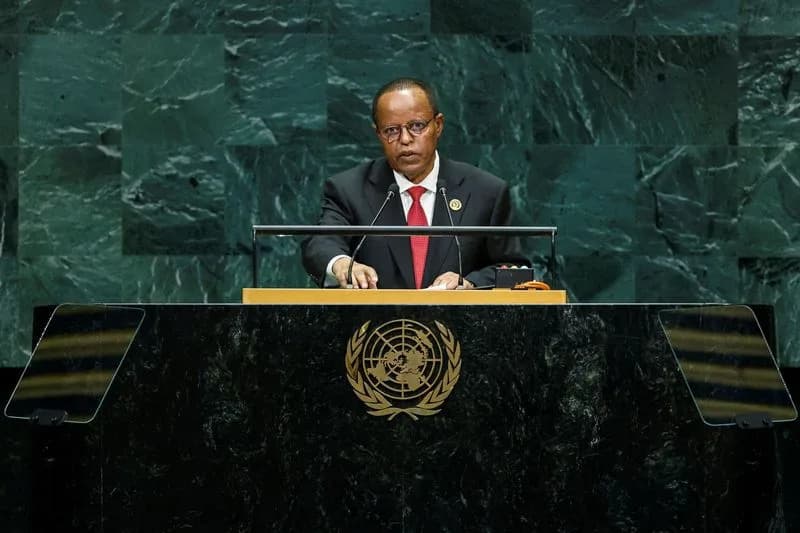
"Eritrea has no option but to reciprocate in kind and sever all diplomatic ties with Ethiopia," the Eritrean foreign ministry said, warning of "negative corollaries" from Addis Ababa's decision.
Front Lines and Humanitarian Impact
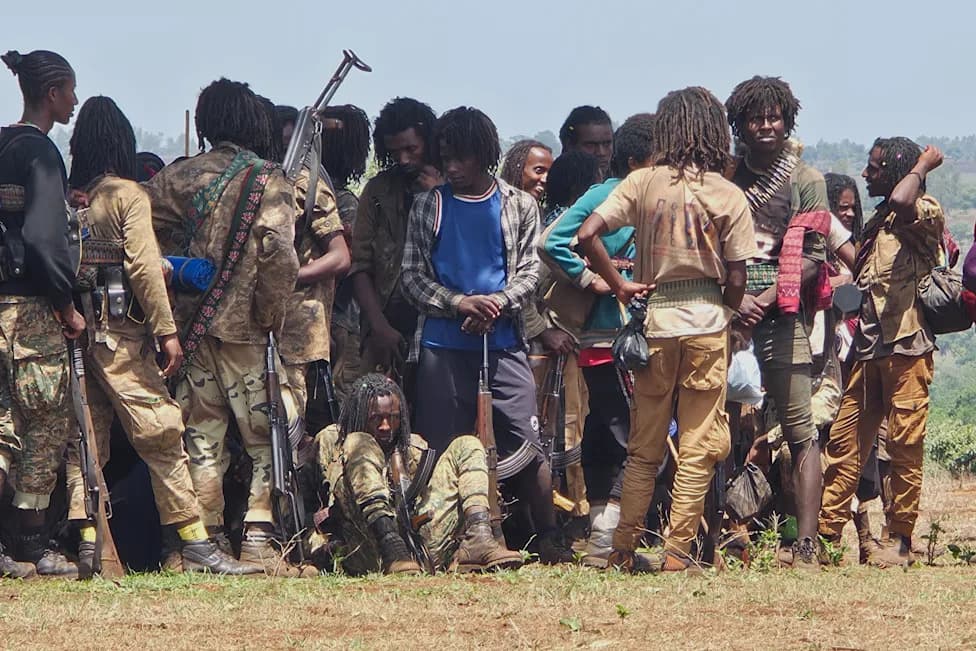
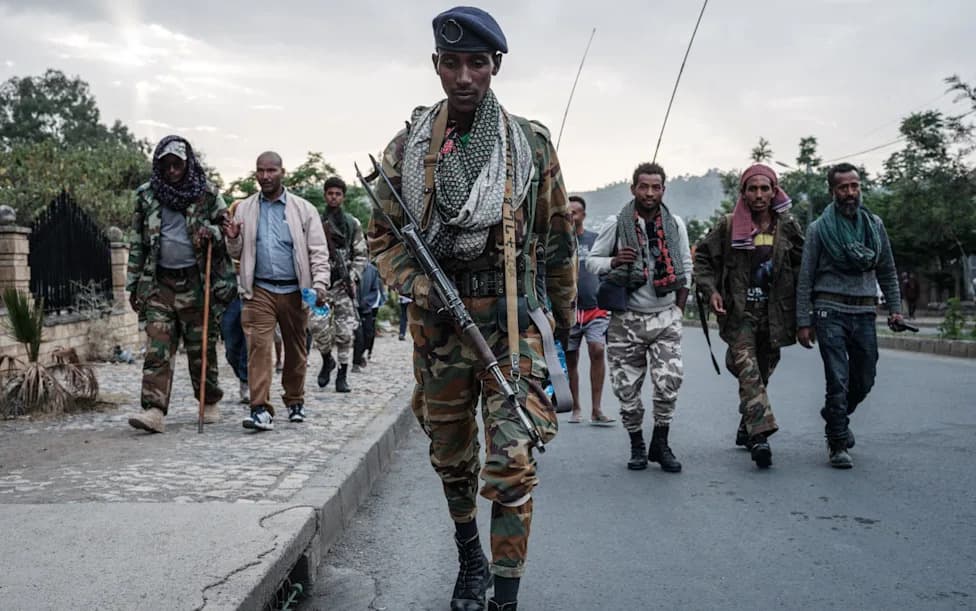
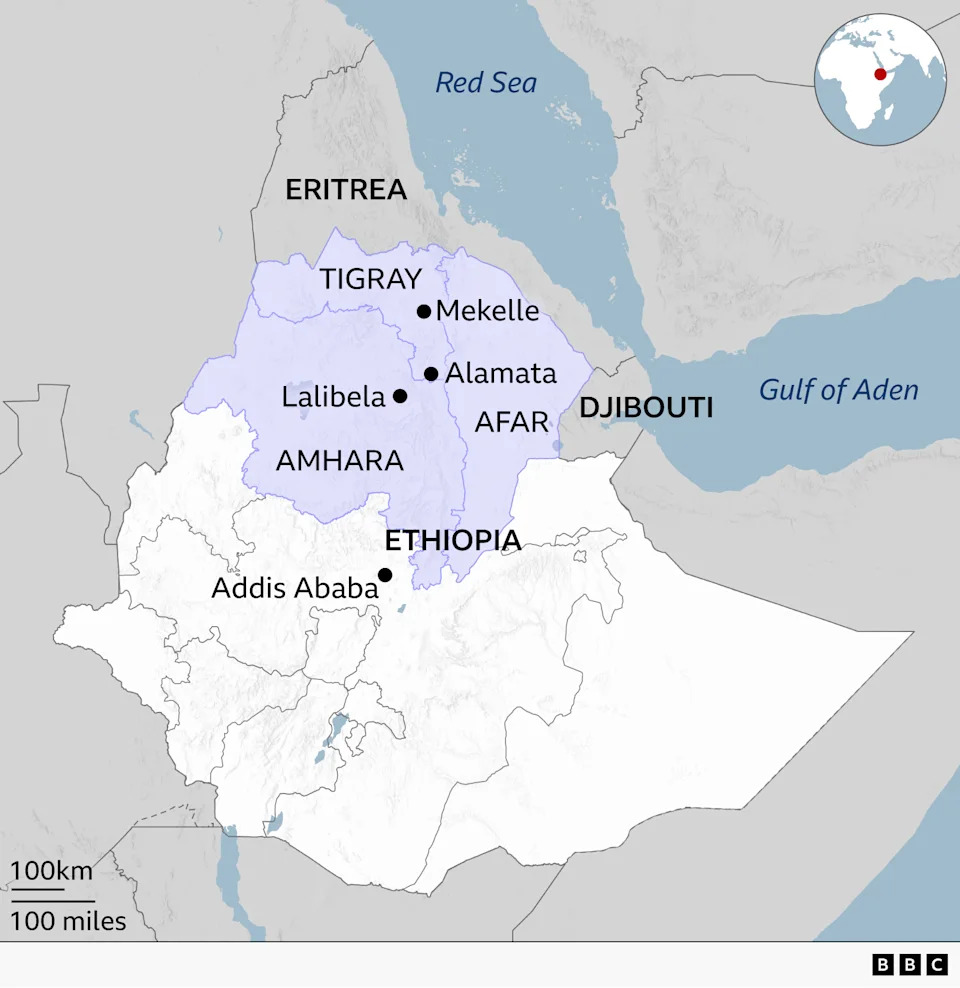
Fighting is reported across parts of Tigray, Afar and Amhara regions. Ethiopian federal forces and allied militias appear to have made gains in southern Tigray and are advancing toward Mekelle, the regional capital. Local sources in Alamata reported at least 52 civilian deaths during three days of intense clashes. Tens of thousands have fled fighting in Afar, which sits on Ethiopia's key transport corridor to Djibouti and the sea.
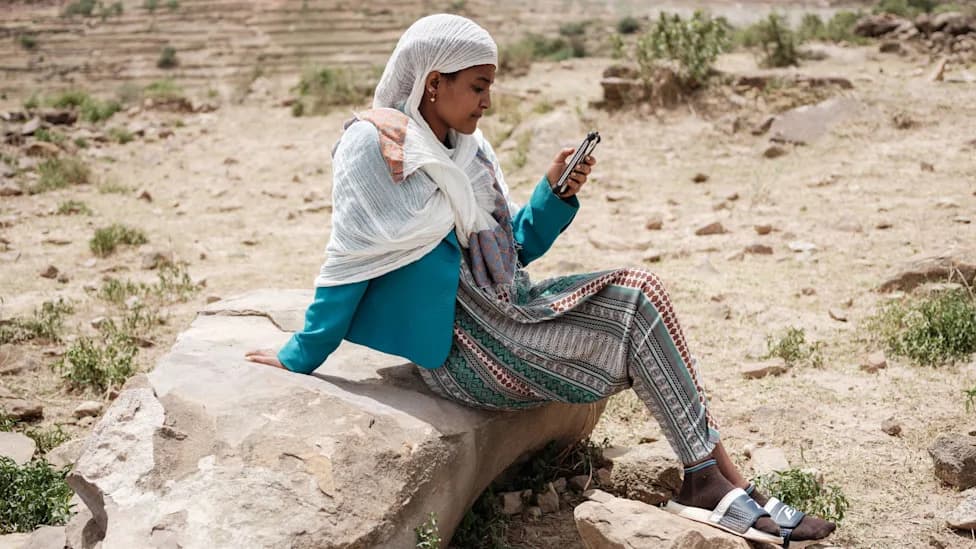
Reporting from Tigray is severely limited: internet access has been cut and independent verification on the ground is difficult. A pro-government militia commander told the BBC that Eritrean soldiers had been seen on the front lines; the BBC has not independently verified that claim. Eritrea’s information minister denied Eritrean involvement and accused Ethiopia’s ruling party of blaming neighbours to distract from domestic problems.

[BBC]
Regional Tensions and Diplomatic Fallout
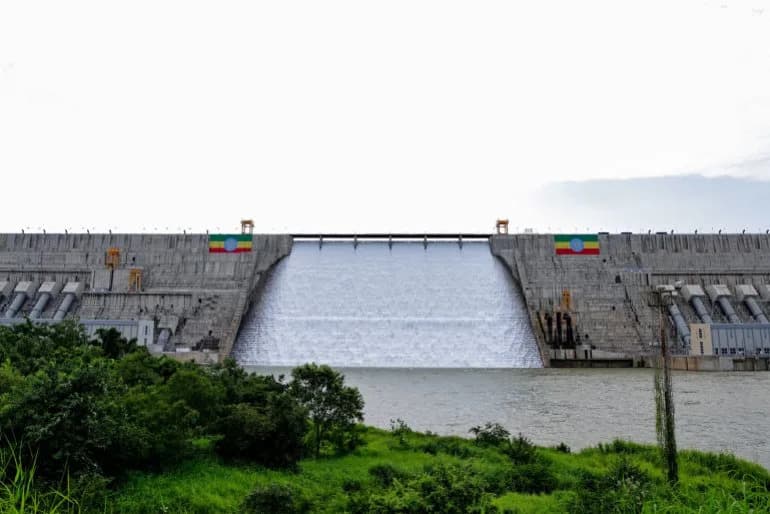
Separately, Ethiopia also expelled an Egyptian diplomat, giving him 48 hours to leave; Egyptian authorities reciprocated by ordering an Ethiopian embassy official to depart. Relations between Addis Ababa and Cairo have long been strained over the Grand Ethiopian Renaissance Dam (GERD) on the Blue Nile, with Egypt warning the project could affect its water supplies.
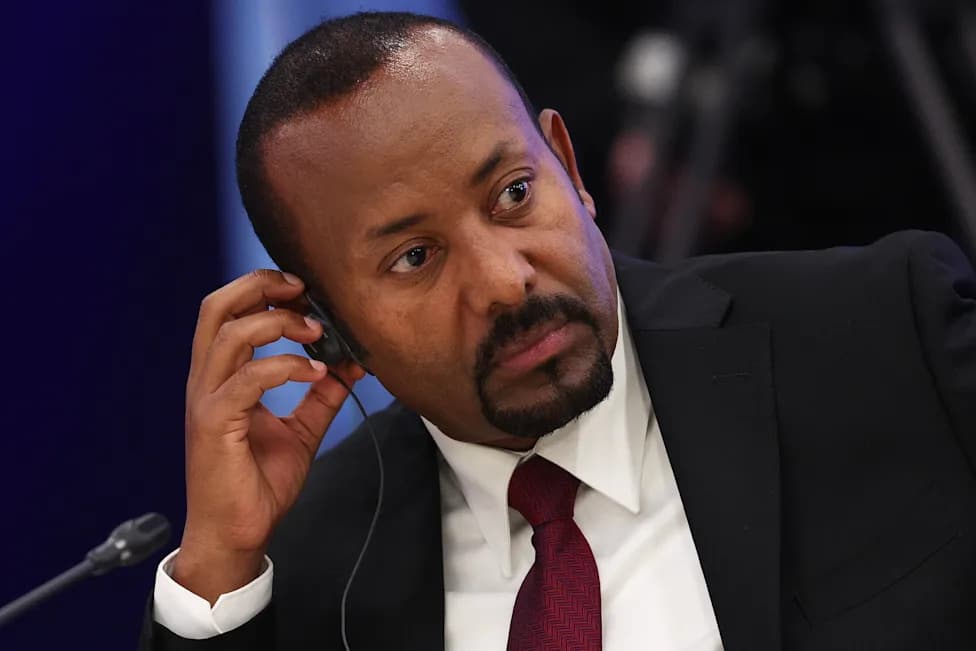
The cut in ties with Eritrea represents a dramatic reversal from 2018, when Prime Minister Abiy Ahmed restored relations with Asmara after decades of hostility — a rapprochement that contributed to Abiy’s Nobel Peace Prize in 2019. The current hostilities are the most serious since a 2022 peace agreement that formally ended the devastating 2020–2022 Tigray war; an African Union mediator previously estimated about 600,000 deaths during that conflict.
Calls For Restraint
The African Union has urged Ethiopia, Eritrea and Egypt to exercise restraint and resolve disputes through diplomacy, warning that further steps could destabilise the wider region. The United Nations warned that drone strikes, air operations and insecurity are endangering civilians, critical infrastructure and humanitarian deliveries, and that road closures and insecurity are severely disrupting aid operations. The UN has called on all parties to guarantee safe, unhindered access for people in need.
What Happens Next: The situation remains fluid and verification is hampered by limited access and communications blackouts. International mediators and regional bodies have urged de-escalation to prevent a broader regional crisis and to protect civilians and humanitarian workers.
Help us improve.