Brazil’s presidential first round on Sunday is expected to set the stage for an October 25 runoff between Luiz Inácio Lula da Silva and Flávio Bolsonaro. Crime, household debt and economic recovery dominate voter concerns, and the two frontrunners offer contrasting security and economic approaches. The result will influence Brazil’s ties across Latin America and with the United States, while third-party candidates and regional voting patterns could determine whom voters rally behind in the runoff.
Brazil’s Election Rematch: Lula and Flávio Bolsonaro Headline a High-Stakes First Round
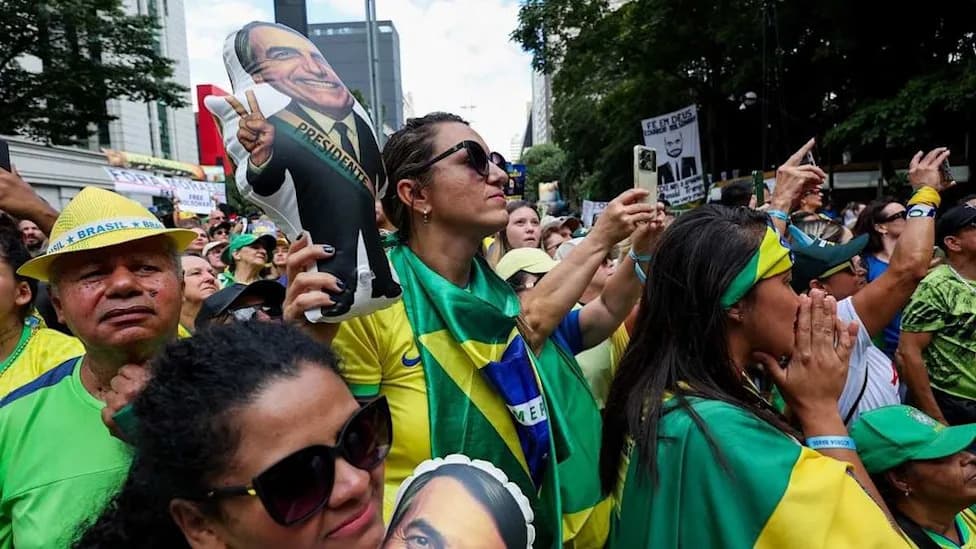
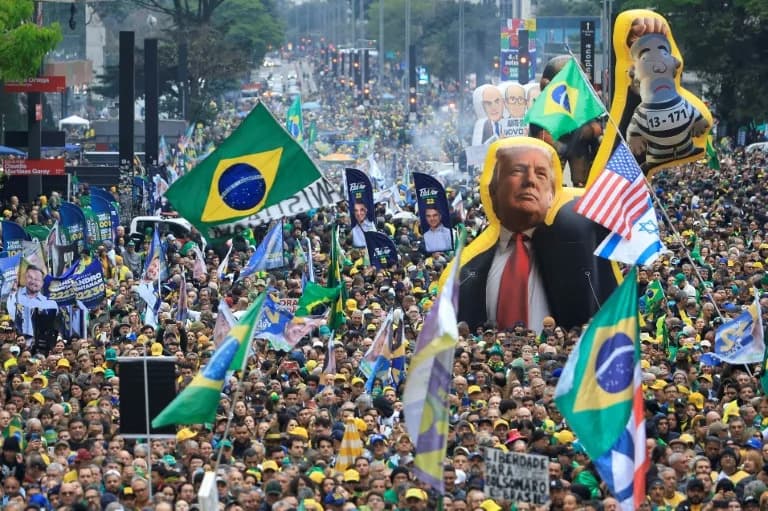
A person holds a depiction of former Brazilian President Jair Bolsonaro, as people gather on the day of a campaign rally of a pre-candidate of the right-wing Brazil's senator Flavio Bolsonaro, ahead of the presidential elections, in Sao Paulo, Brazil.
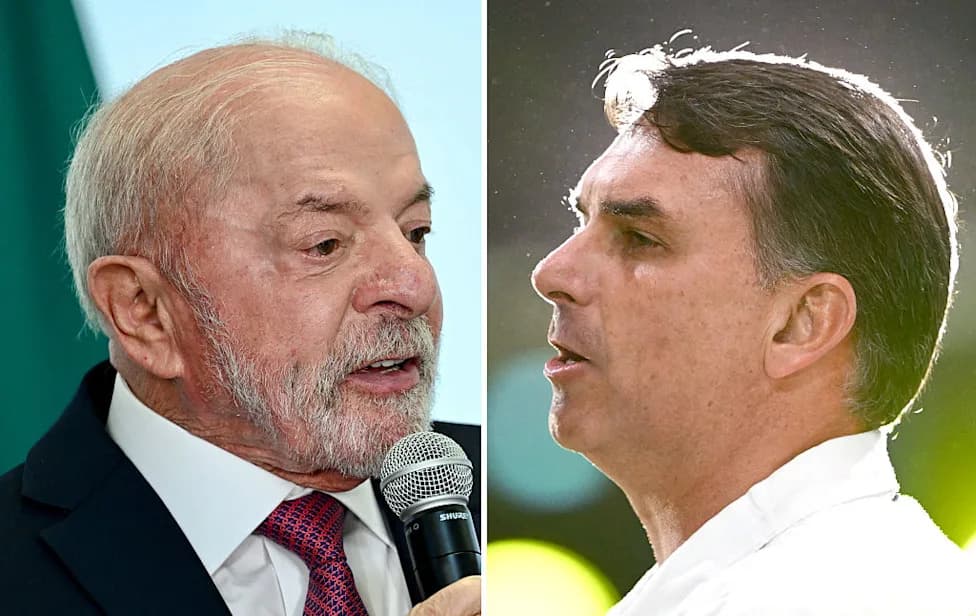
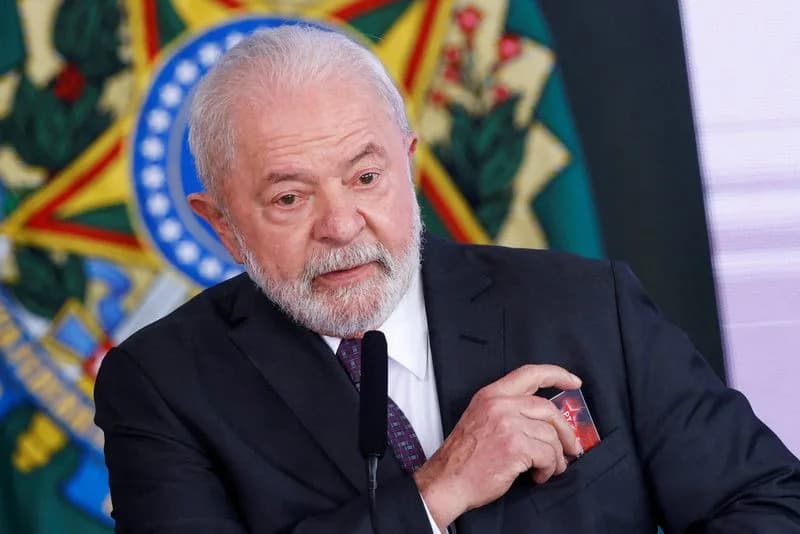
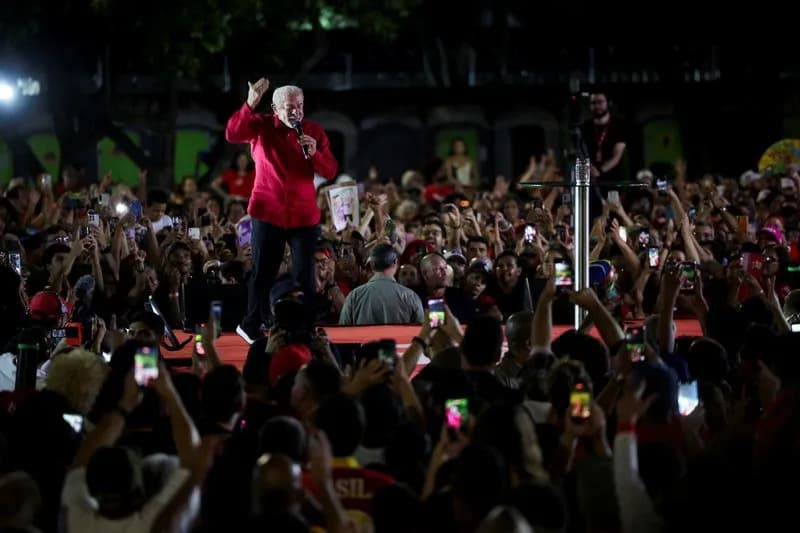
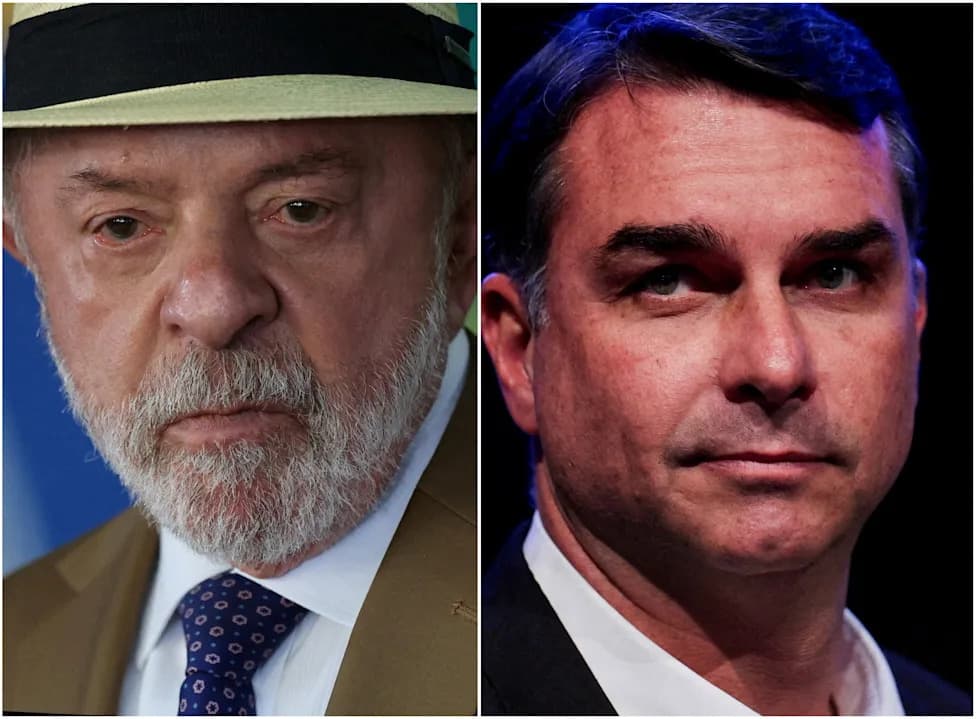
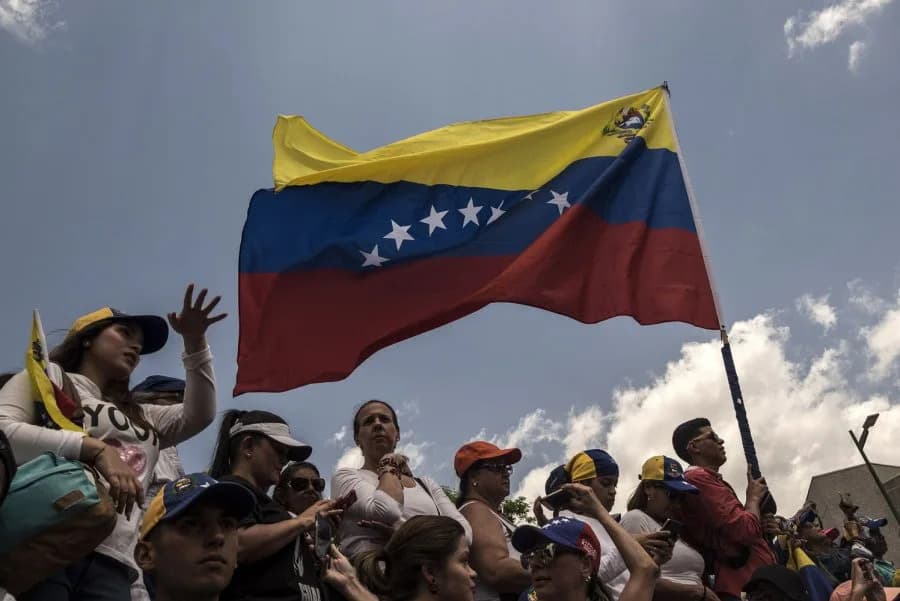
Brazilians head to the polls on Sunday for a crowded presidential first round that will likely determine the battlefield for an October 25 runoff between two political dynasties: former president Luiz Inácio Lula da Silva and Senator Flávio Bolsonaro, son of former president Jair Bolsonaro. With a dozen candidates splitting the vote, no outright winner is expected and the result will reveal who carries momentum into the decisive second round.
What’s At Stake
The election is about more than personalities. Voters are focused on everyday concerns — crime, household finances and the pace of economic recovery — while the outcome will also reshape Brazil’s role in Latin America and its relationship with the United States and China.
Polls And The Runoff Mathematics
Brazilian law requires a candidate to win more than 50% of valid votes to avoid a runoff. Recent polls place Lula roughly in the 40–45% range and Bolsonaro around 36–42%, with the remaining votes divided among smaller contenders. If no candidate clears 50%, the top two will meet again on October 25; most polling indicates a virtually tied Lula–Bolsonaro runoff.
Security: Divergent Strategies
Crime remains a dominant concern despite a decade-low homicide rate. Will Freeman, a fellow for Latin American studies at the Council on Foreign Relations, observes that many voters are most worried about everyday criminality — theft, extortion and street crime — and the incidents they see online.
Lula emphasizes an intelligence-led approach, prioritizing prevention, community policing and targeted operations against powerful gangs such as Primeiro Comando da Capital and Comando Vermelho. Bolsonaro promises a tougher, law-and-order response, including proposals to label major criminal factions as terrorist organizations, echoing hardline rhetoric adopted by some regional conservative leaders.
Economy And Household Strain
Under Lula’s recent term, unemployment and poverty have declined, but household debt remains a pressing issue: roughly 80% of Brazilian households carry debt and spend about 30% of income servicing it. In the campaign’s final days, Lula unveiled an ambitious debt-relief package and proposed banning online betting, arguing that gambling platforms have worsened financial stress for many families.
Regional And Global Implications
Brazil stands out as much of Latin America has shifted rightward in recent years. A Bolsonaro win would align Brazil with conservative governments across the region, while a Lula victory would leave Brazil as one of the main left-leaning powers in South America. Either result would reshape diplomatic and economic relationships with neighbors, including strained ties with Argentina following clashes with President Javier Milei.
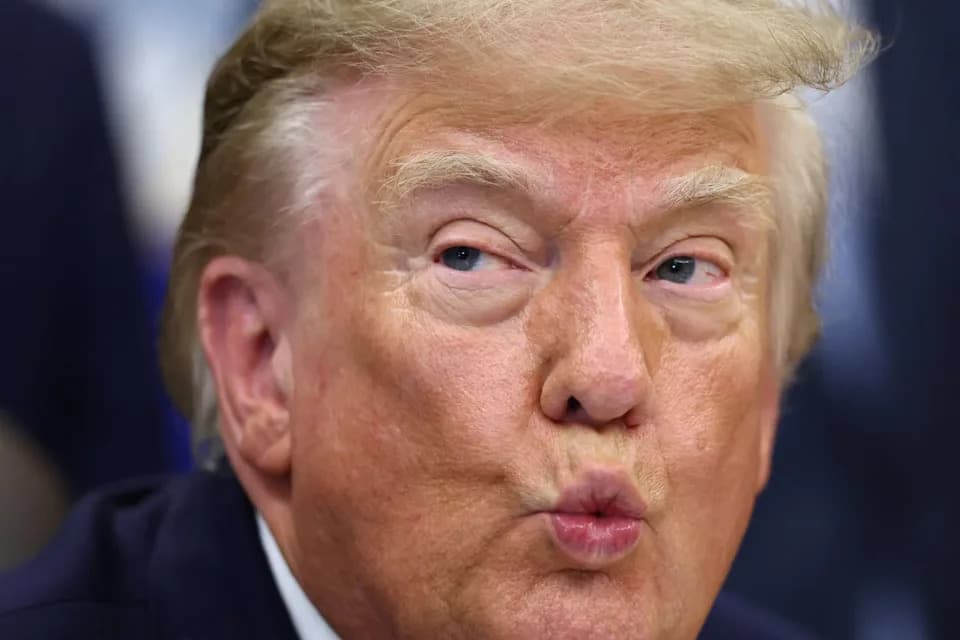
On relations with the United States, Lula has framed the contest as one about Brazilian sovereignty and has criticized perceived foreign meddling, including public support for Bolsonaro from former US President Donald Trump. Analysts, including Marcelo Alvarenga of Eurasia Group, expect a Bolsonaro administration to seek closer coordination with Washington on trade, critical minerals and security initiatives — though any future government would still tread carefully in relations with China, Brazil’s largest trading partner.
What To Watch On Sunday
- Margin Between Front-Runners: Even a modest first-round lead could create momentum for October’s runoff.
- Turnout: Lower participation historically disadvantages Lula; turnout patterns will be decisive.
- Third-Party Voters: Candidates such as Augusto Cury, Renan Santos and Ronaldo Caiado have pulled significant support from voters dissatisfied with the Lula–Bolsonaro binary. Their backers could be pivotal in the runoff if they realign.
- Regional Map: Bolsonaro performs strongly in São Paulo; Lula’s base remains the northeast. Watch for Bolsonaro gains in the northeast, where growing evangelical influence has eroded the left’s traditional dominance.
Sunday’s vote will offer the clearest early signal of which way Brazil’s largest economy and most populous democracy may lean in the coming years — whether toward reinforced conservative alignment in the region or continued left-leaning leadership under Lula.
Help us improve.