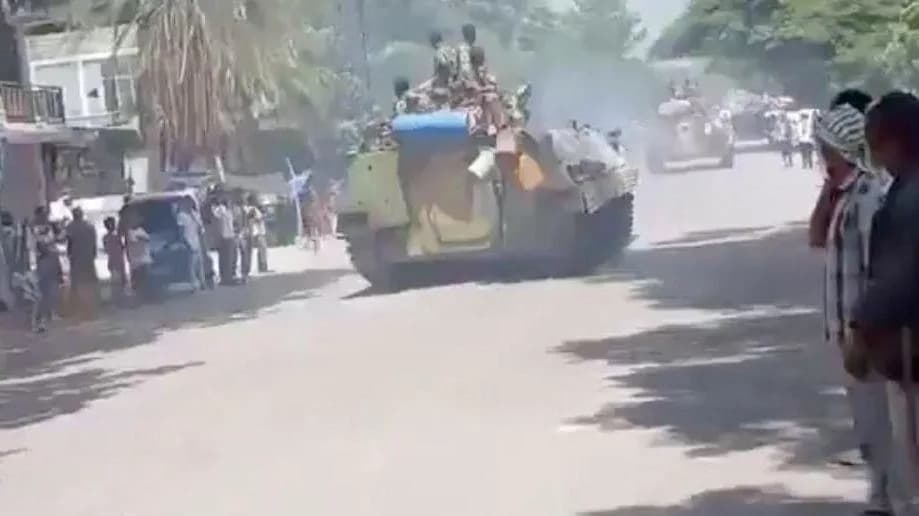
Residents trapped in Russian-occupied Oleshky face severe shortages of food and medicine as communications break down and many fear reprisals. The city's population has plunged from about 24,000 to roughly 2,000 since 2022, and damage from the 2023 Kakhovka dam collapse exacerbated the crisis. Drones from both sides now create a deadly 20-kilometre "kill zone" that impedes aid drops and makes evacuation routes extremely dangerous. International bodies including the UN and Vatican have urged Russia to allow safe humanitarian access and evacuations.
Oleshky on the Brink: Food and Medicine Running Out as Drones Turn City Into a 'Kill Zone'
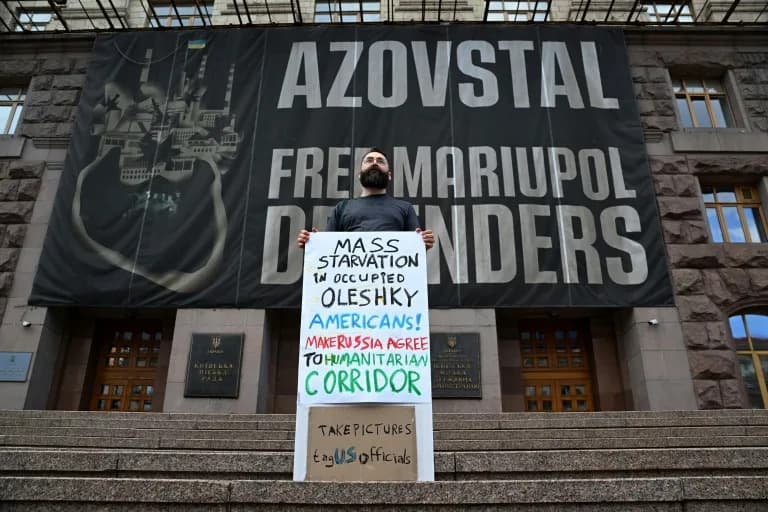
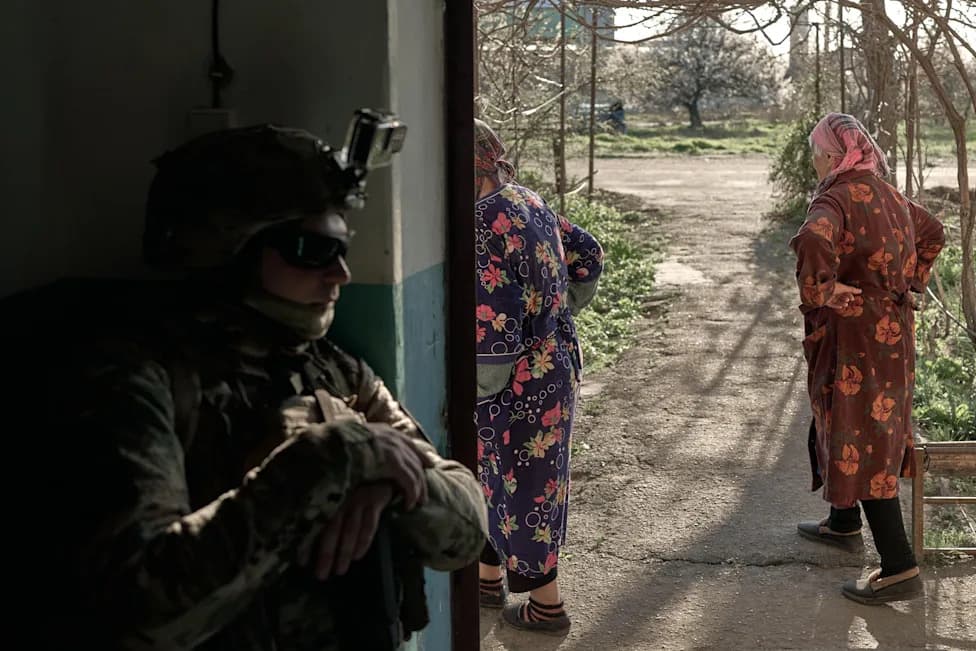
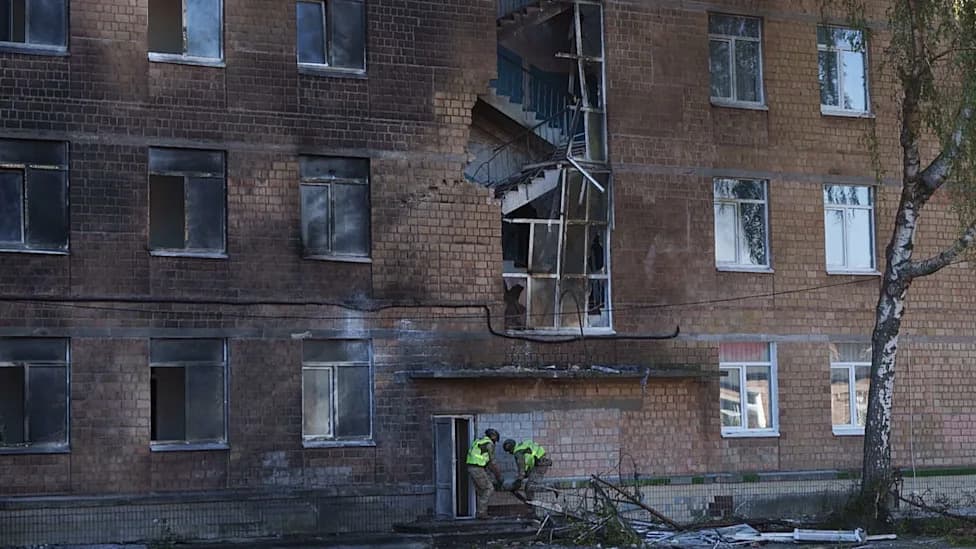
The city of Oleshky, on the southern bank of the Dnipro River in the Kherson region, was seized by Russian troops in 2022 (Sergei SUPINSKY)
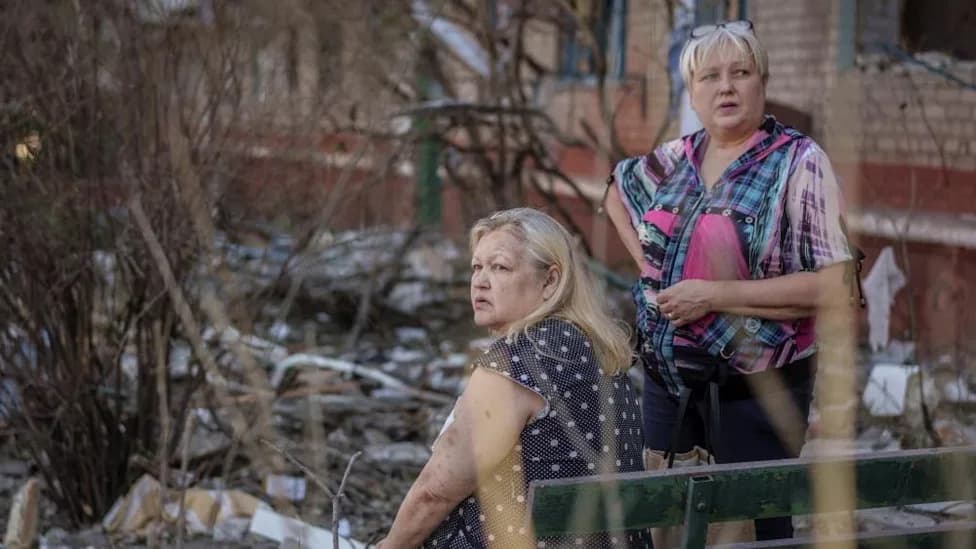
Residents of Oleshky, a frontline city on the Dnipro River, are facing severe shortages of food and medicine as fighting between Russian and Ukrainian forces grinds on, former residents told AFP. With communications limited and those who remain fearing reprisals from occupying authorities, information is sparse and the humanitarian picture is deteriorating.
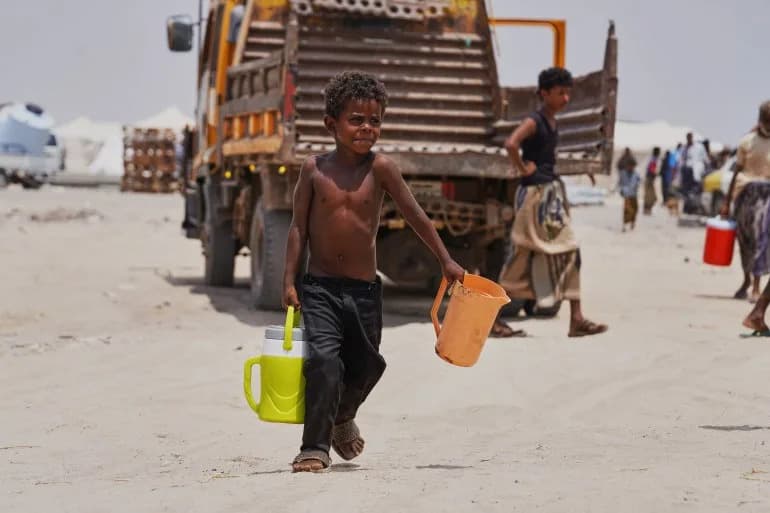
"They've forgotten what bread is," said Olga, who remains in contact with two families trapped in the city. "You need flour for bread, and there's not even flour left." AFP is withholding her surname for safety reasons. She added that people are increasingly surviving on what they can grow in home gardens; in the early days they even ate pigeons, which are now scarce.
Elizaveta, who runs a local social media group, said residents were "literally dreaming of a candy or a piece of meat." The city, on the southern bank of the Dnipro in Ukraine's Kherson region, was seized by Russian forces in 2022. Its population has fallen from about 24,000 before the invasion to roughly 2,000 today. Oleshky was also heavily damaged by the 2023 destruction of the Kakhovka dam, which unleashed major flooding along the Dnipro.
Drone Threat Creates a 20-Kilometre 'Kill Zone'
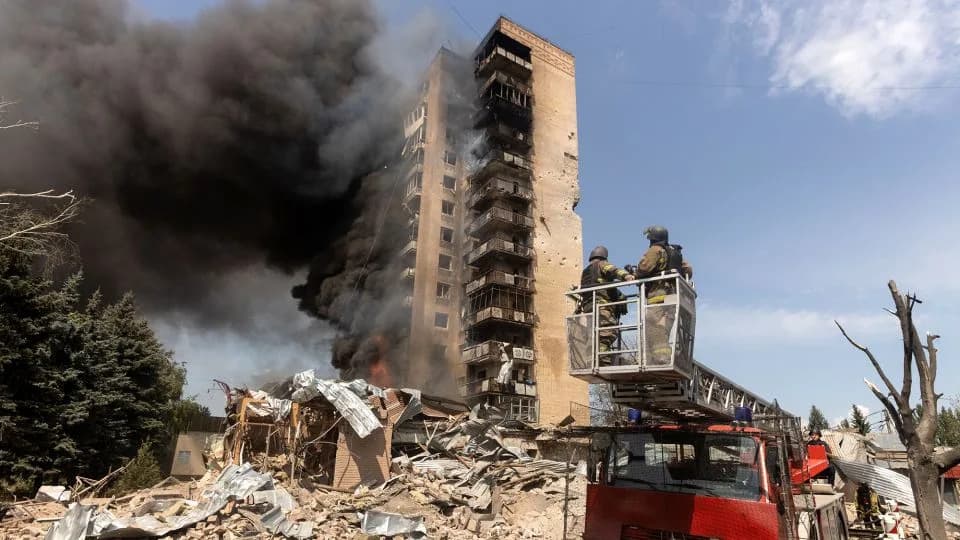
Although the frontline has moved little since 2023, advances in drone technology have created a so-called "kill zone" extending as far as 20 kilometres from the front. Drones now patrol the skies, intercepting other drones and striking nearly anything that moves on the ground.
"The skies over the city have become a constant battlespace, with drones hunting other drones and targeting virtually anything moving on the ground,"
— Olena Kryzhanivska, Ukrainian drone expert.
That environment makes evacuation toward deeper Russian-held territory — the only available escape route for many — extremely hazardous. Roads are reportedly mined, and drones hovering overhead complicate or prevent humanitarian deliveries and evacuations across the front line.
Humanitarian Appeals and Competing Accounts
International organisations and Ukrainian officials have warned of a humanitarian crisis. The International Committee of the Red Cross told AFP that "many challenges exist to provide humanitarian assistance in Oleshky and other communities along the front line of the international armed conflict." Ukrainian Foreign Minister Andriy Sybiga said the international community had urged Russia to provide "full, safe and unhindered access for international organisations to Oleshky" and to ensure civilians receive food, medicine and safe evacuation routes.
UN Human Rights Chief Volker Türk described conditions in Oleshky as "desperate" and called on Russia to enable evacuations. Vatican envoy Cardinal Matteo Zuppi also raised the situation during a visit to Moscow.
Moscow denies responsibility for engineering the crisis and says Ukrainian attacks have hindered Russia's ability to deliver aid, a claim echoed by Russian Foreign Ministry spokeswoman Maria Zakharova.
Aid Efforts, Dangers and the Human Cost
Ukrainian authorities have dispatched drones to drop food parcels. Some parcels reportedly reached residents, but the deliveries have been insufficient and not universally visible — recipients often hid supplies to avoid attracting attention. "Many people didn't know about the parcels or didn't see them," Elizaveta said.
Former residents describe desperate improvisation: organising small "expeditions" across the city to search for food, and attempting perilous escapes. Sergiy, who fled in mid-September, said he walked more than 21 kilometres to the nearby village of Radensk — itself under occupation — and described the route as fraught with mines and drone risk. "It's a lottery ticket," Olga said of any attempt to get out: success depends largely on luck.
The mounting shortages of medicines are particularly worrying for the local hospital, which faces critical gaps in supplies. With winter approaching, the humanitarian stakes — and the urgency of safe access and evacuations — are rising.
What Is Needed: Unhindered humanitarian access, regular and secure evacuation corridors, demining and protective measures against drone strikes, and scaled-up food and medical deliveries to prevent further civilian suffering.
Help us improve.