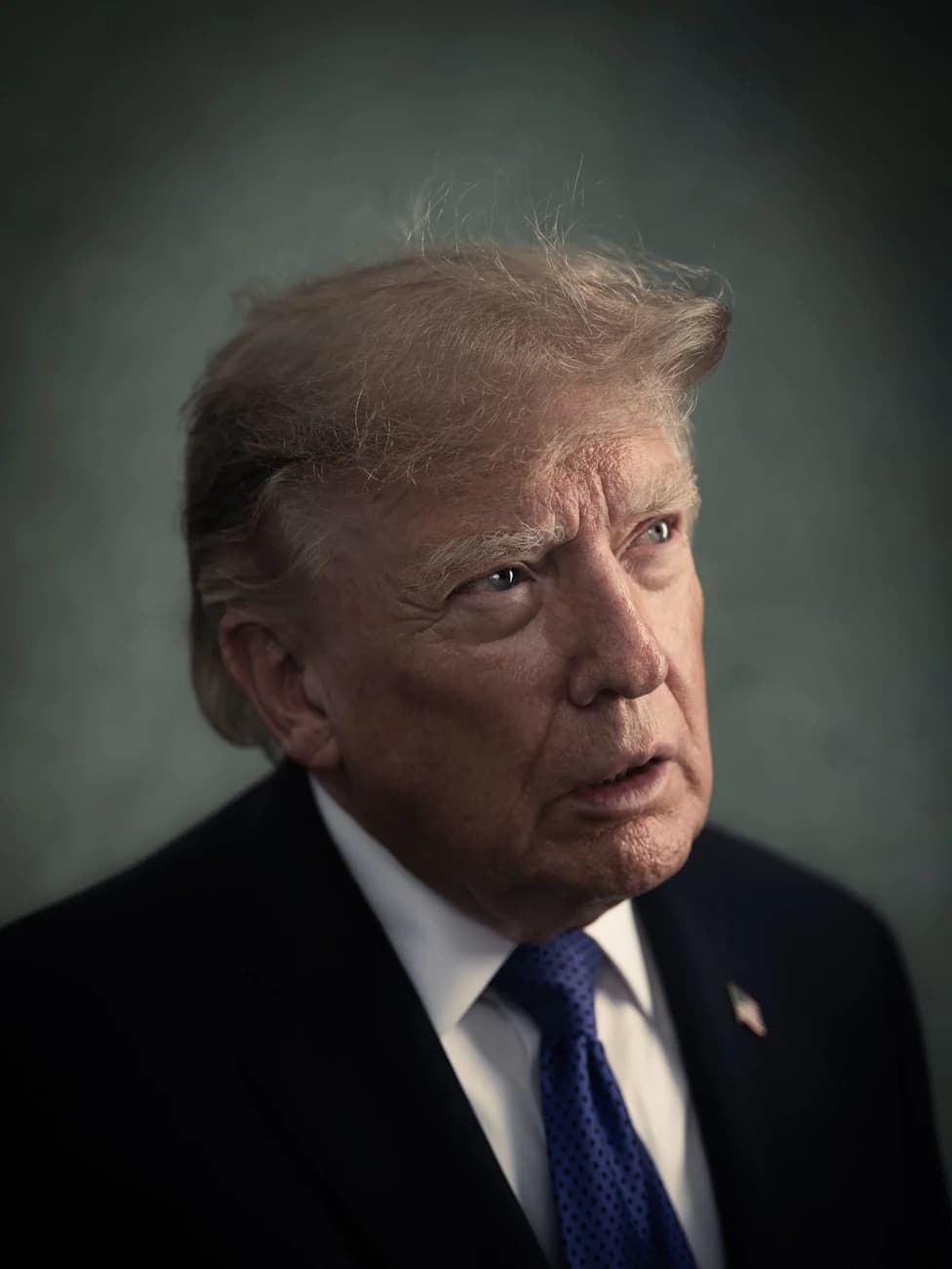
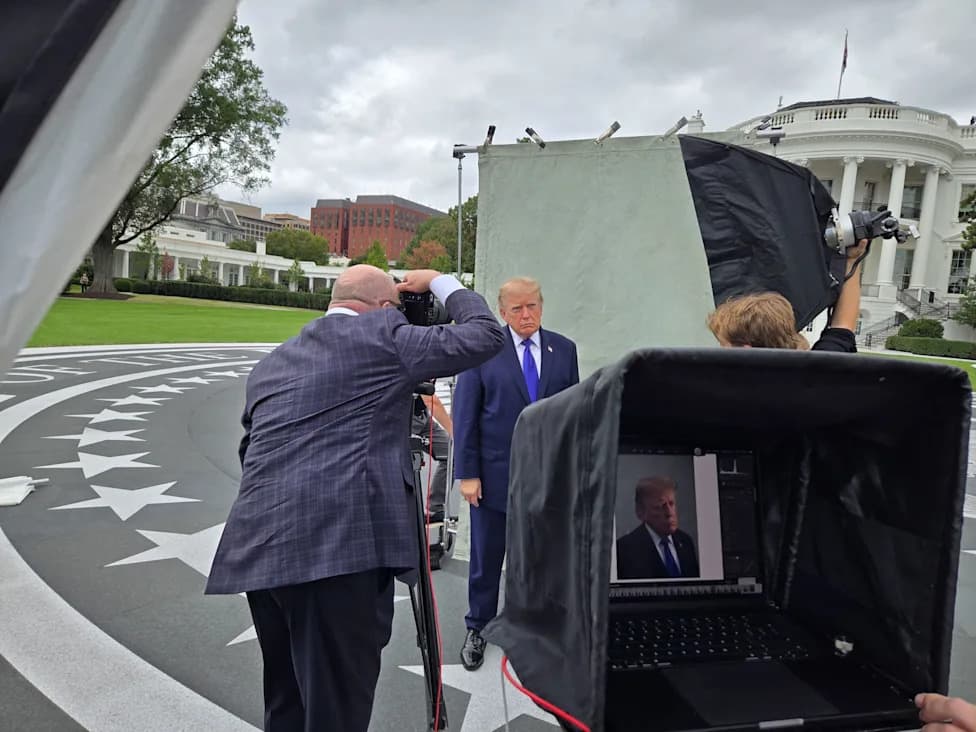
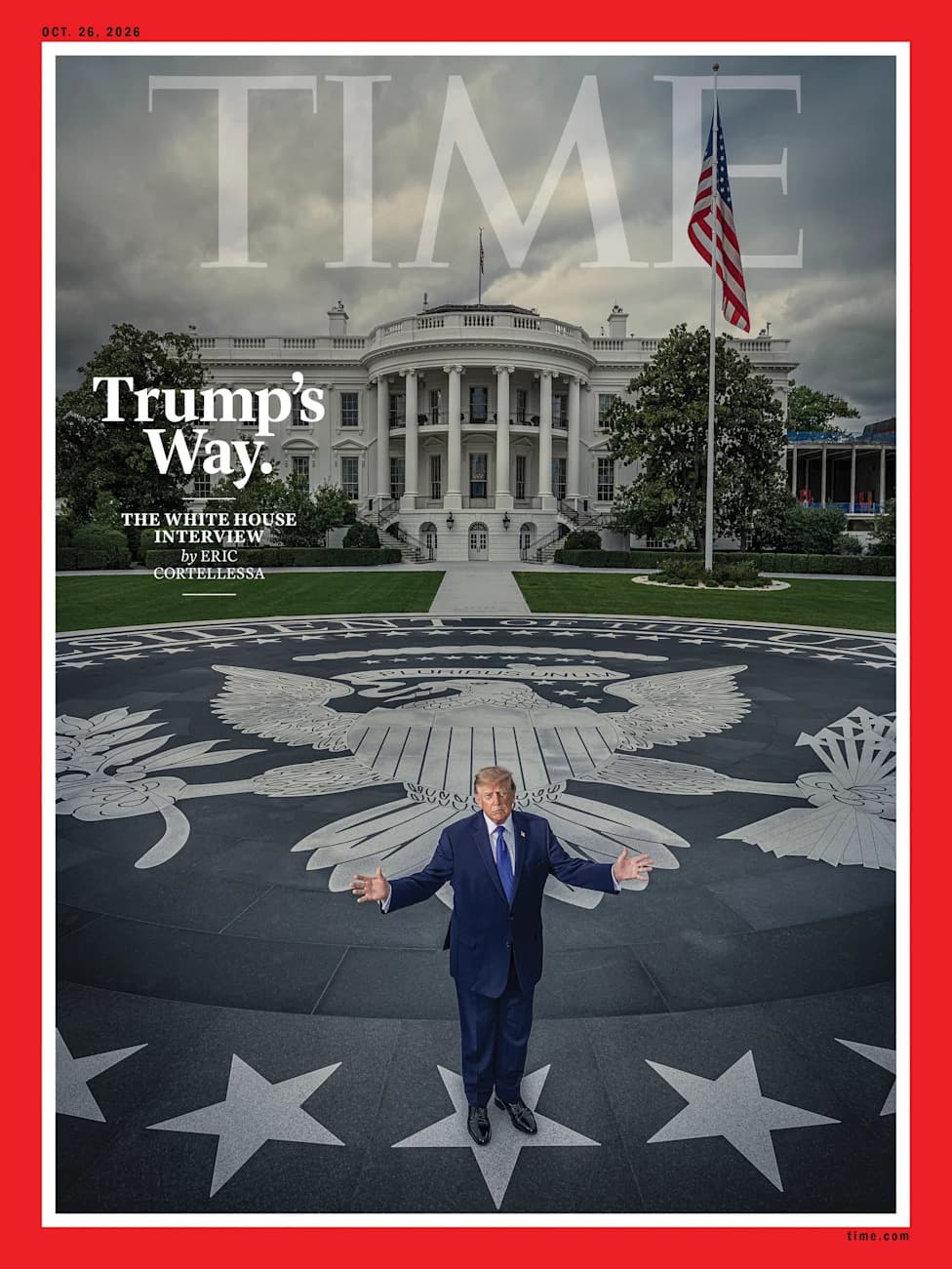
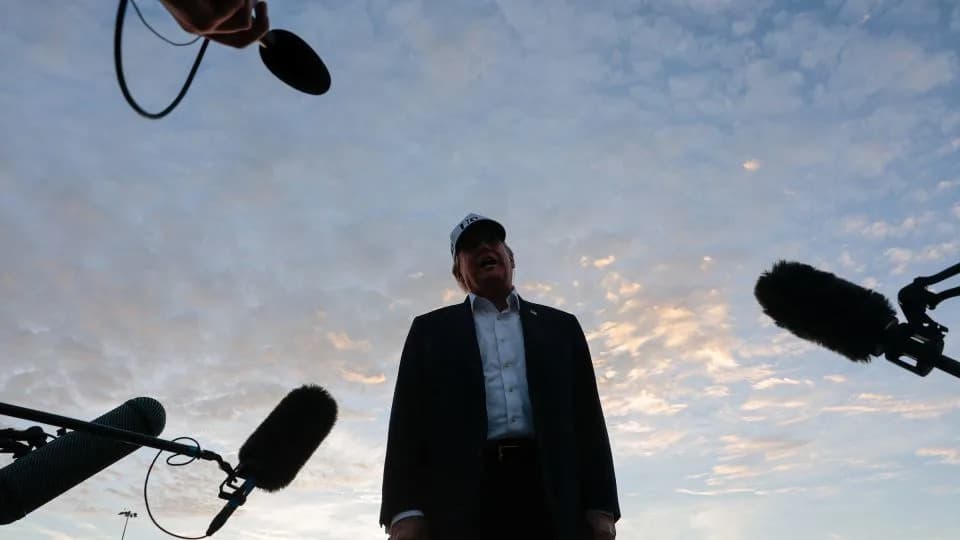
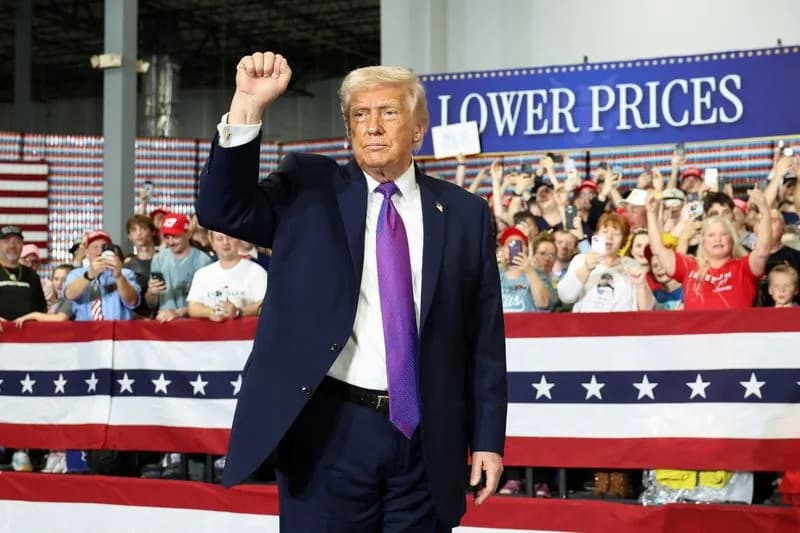
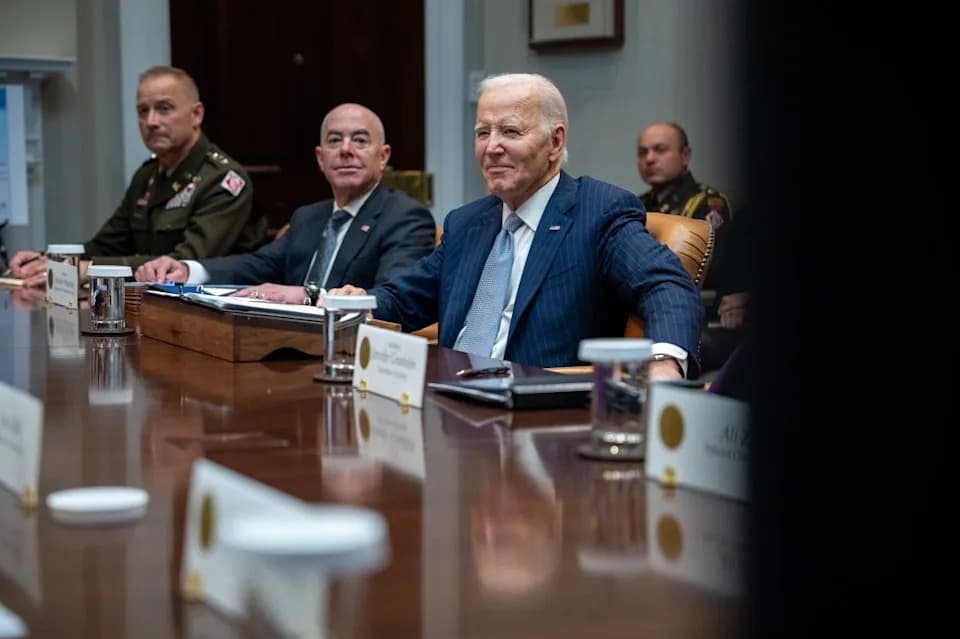
In a combative TIME interview, President Donald Trump defended an ambitious Washington, D.C. makeover, reiterated the possibility of striking Iran and acknowledged strains on some munitions supplies. He blamed 'fake news' and 'lunatic' judges for criticism, dismissed low approval polls as 'fake numbers,' and would not rule out using emergency powers ahead of elections. The discussion combined policy claims with personal grievances and blunt rhetoric that drew widespread attention.
Trump Erupts in TIME Interview Over D.C. Makeover, Iran and Rising Costs: 'I Don't Know What's Wrong'
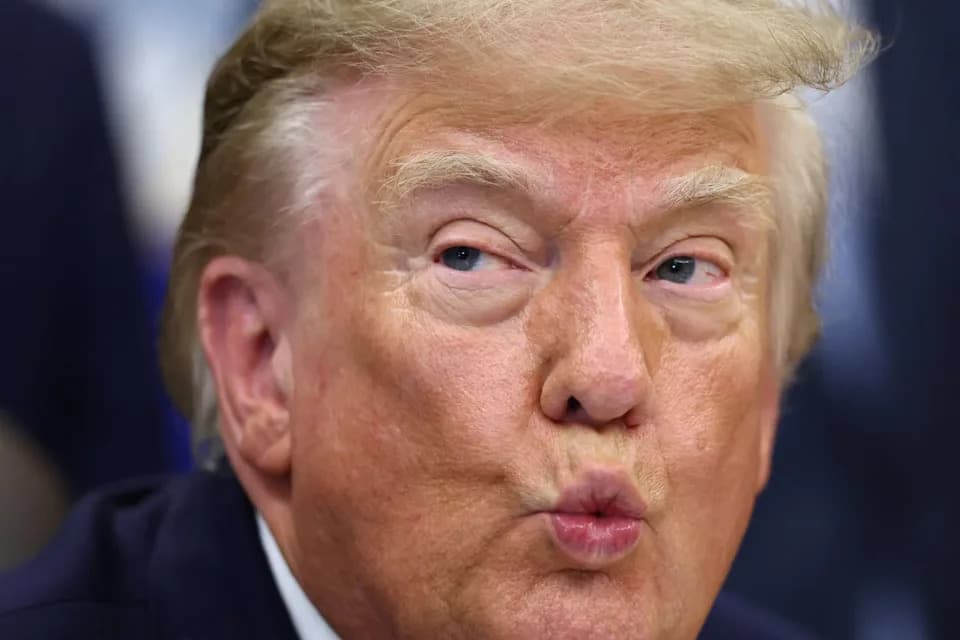
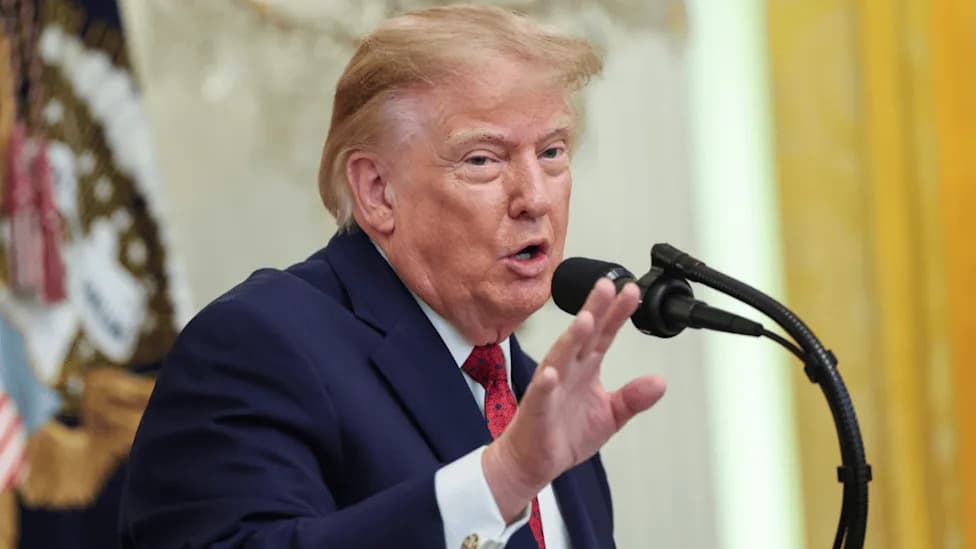
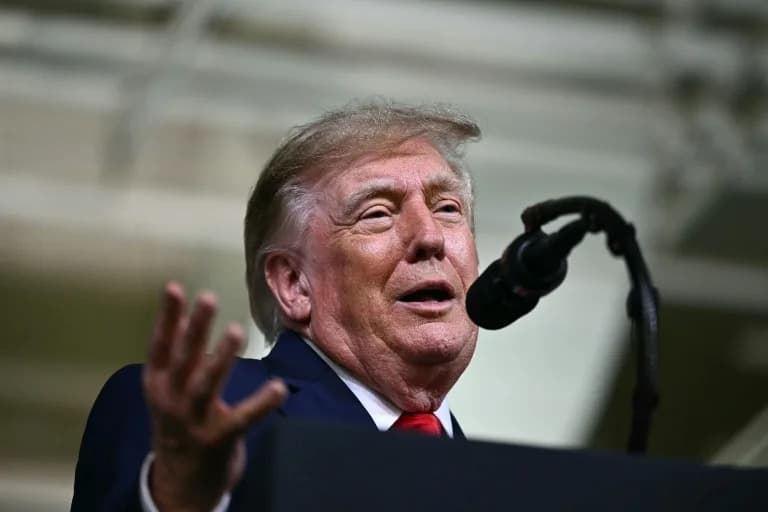
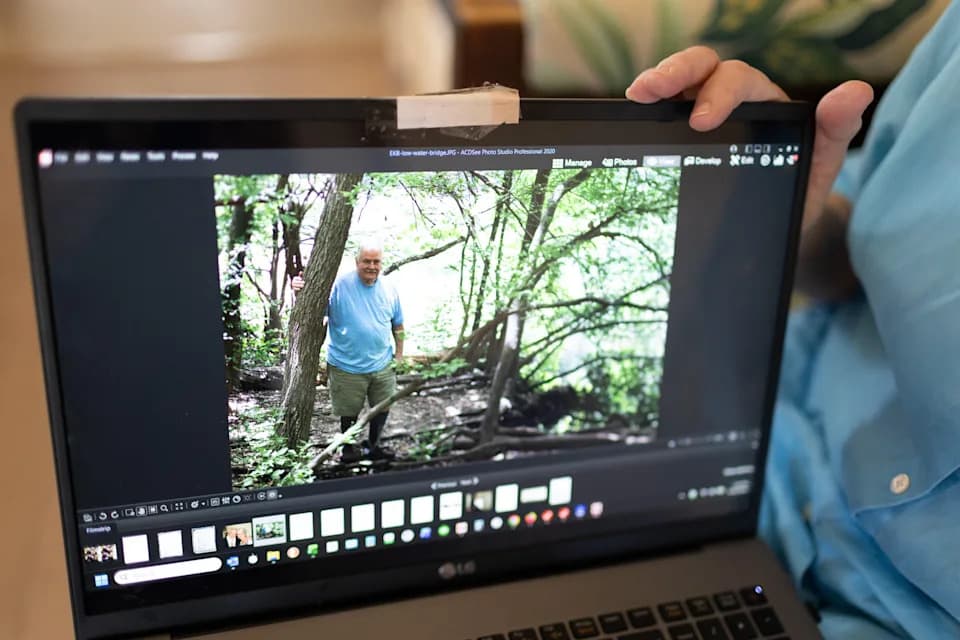
Donald Trump appeared frustrated and grew defensive under a series of straight-forward questions about the state of the US in an interview with TIME (Reuters)
President Donald Trump delivered a combative, wide-ranging interview to TIME as he approaches the end of his second year back in the White House, touching on domestic priorities, foreign policy and persistent media and judicial grievances.
Overview
Throughout the conversation, Trump repeatedly blamed 'fake news,' what he called 'lunatic' judges and former President Joe Biden for negative coverage and criticism. He grew defensive when asked about issues that concern many Americans — the rising cost of living, healthcare expenses and national security preparedness — and frequently steered the discussion back to his personal priorities and projects in Washington, D.C.
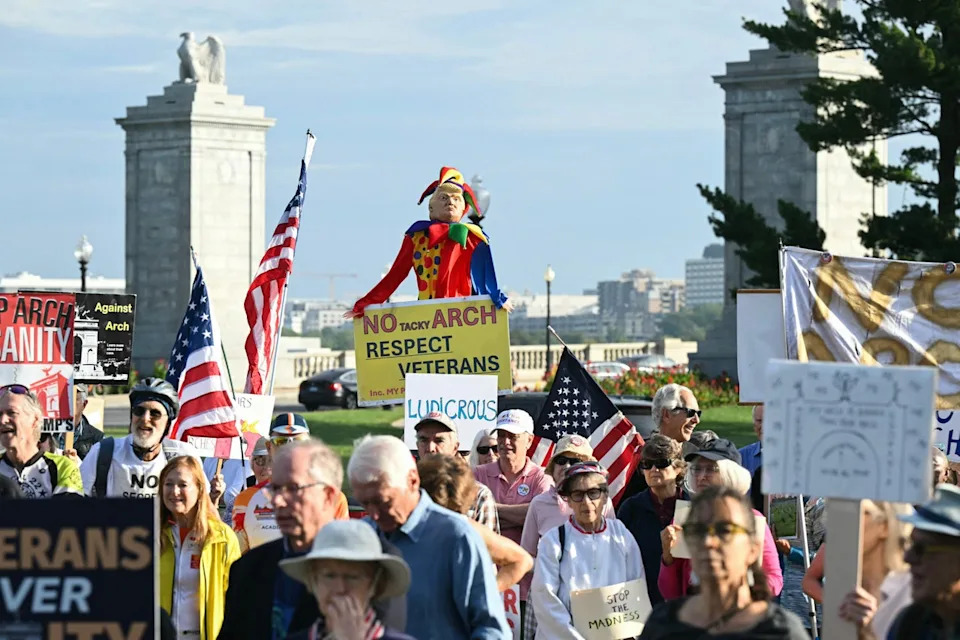
Trump has defended his Washington, DC-wide makeover, which now includes plans to turn his 250-foot 'triumphal' arch into a military installation, drawing protests at the site (AFP/Getty)
Washington, D.C. Makeover
Trump defended an extensive D.C. renovation program tied to his personal vision of the capital. He described the White House as 'a symbol of America and our greatness' and said refurbishing and decorating it is 'relaxing' for him. He also reiterated interest in altering or even demolishing the Kennedy Center — which he has suggested renaming after himself — while saying the issue will play out in court.
A federal judge recently ordered the administration to provide at least 30 days' notice before making any physical changes to the Kennedy Center after a Trump-controlled board voted to close the venue for repairs. In court filings, Justice Department lawyers described the center as 'dangerously dilapidated, outdated and decrepit' and said its finances were also troubled.
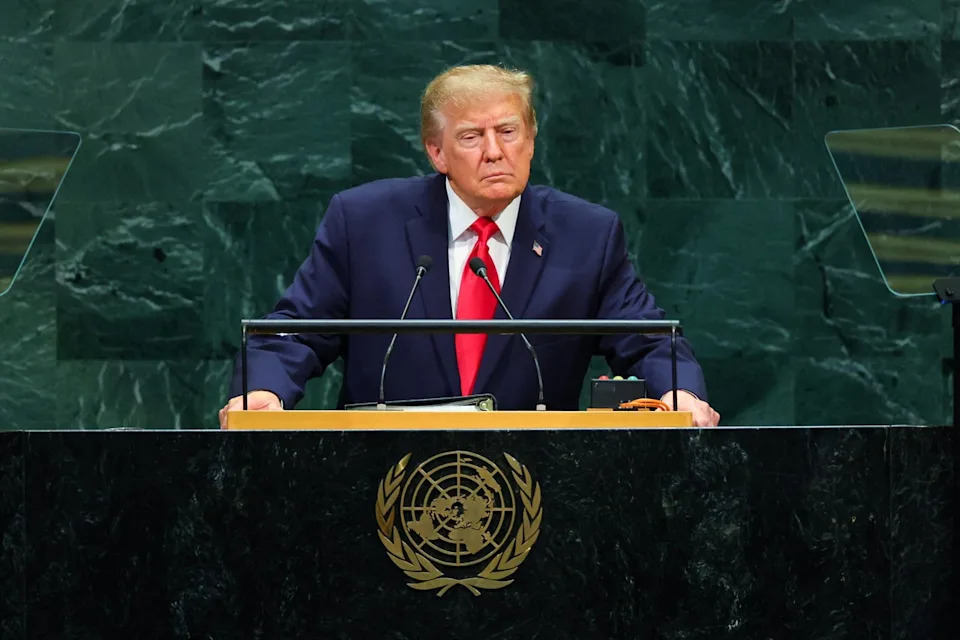
Trump floated the idea of 'annihilating' Iran during his address to the United Nations, then told time he 'would do that' (Reuters)
Iran and Military Rhetoric
On foreign policy, Trump reaffirmed comments he made at the United Nations General Assembly, saying he faced a stark choice regarding Iran: permit the country to rebuild or 'annihilate the Islamic Republic.' When asked directly by TIME if he would pursue annihilation, Trump replied that it was possible and argued, controversially, that eliminating Iran would bring 'peace in the world.' The remark drew immediate alarm from critics and allies alike.
'Because by annihilating Iran, we've created peace in the world,' he told TIME. 'With Iran, I don't think you could ever have peace.'
Munitions and Pentagon Concerns
Trump acknowledged that some categories of U.S. munitions 'are a little bit lower than other forms' amid reporting that more than 1,200 Patriot interceptors had been expended. TIME reported that the president learned about potential shortfalls from The New York Times; the story said the Pentagon considered shifting stockpiles from Asia and Europe to cover gaps, a move that could affect U.S. posture elsewhere.
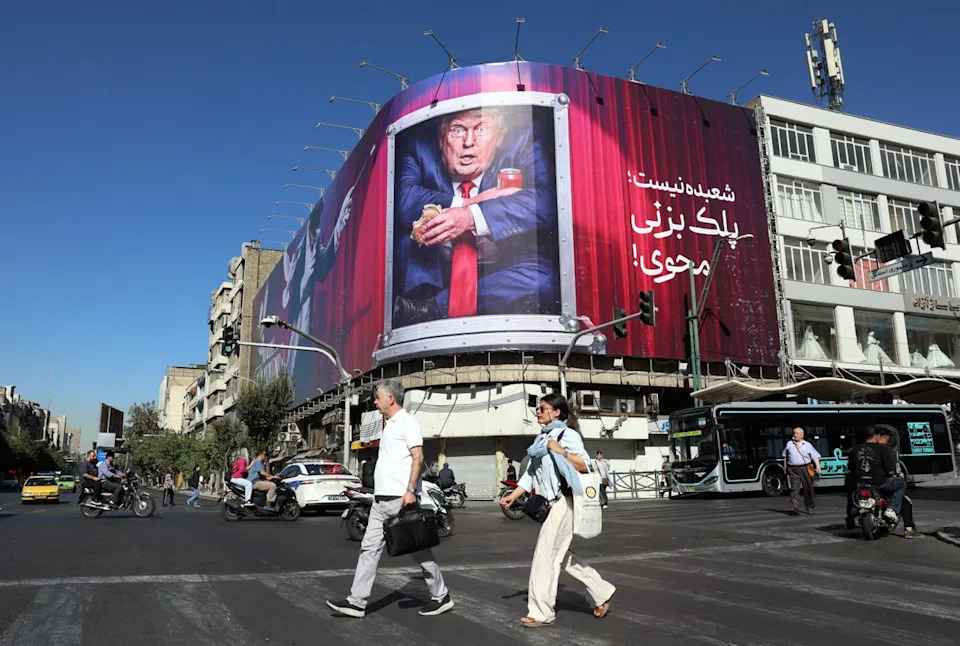
Trump appeared to admit that the the US is facing a munitions shortage due to the Iran war while his administration disputes reports as 'fake news' and blocks press outlets from the White House for reporting on the issue (AFP/Getty)
According to the account, Trump reacted angrily and was told by Defense Secretary Pete Hegseth that the reporting was 'fake news.' The administration has pushed back on some munitions shortage reporting, citing national security concerns.
Domestic Politics, Polls and The Courts
On domestic politics, Trump did not rule out invoking the Insurrection Act or declaring a national emergency ahead of elections, saying he would not 'rule anything out.' He dismissed low approval polls as 'fake numbers' and claimed he would beat any opponent 'by 20 points.'
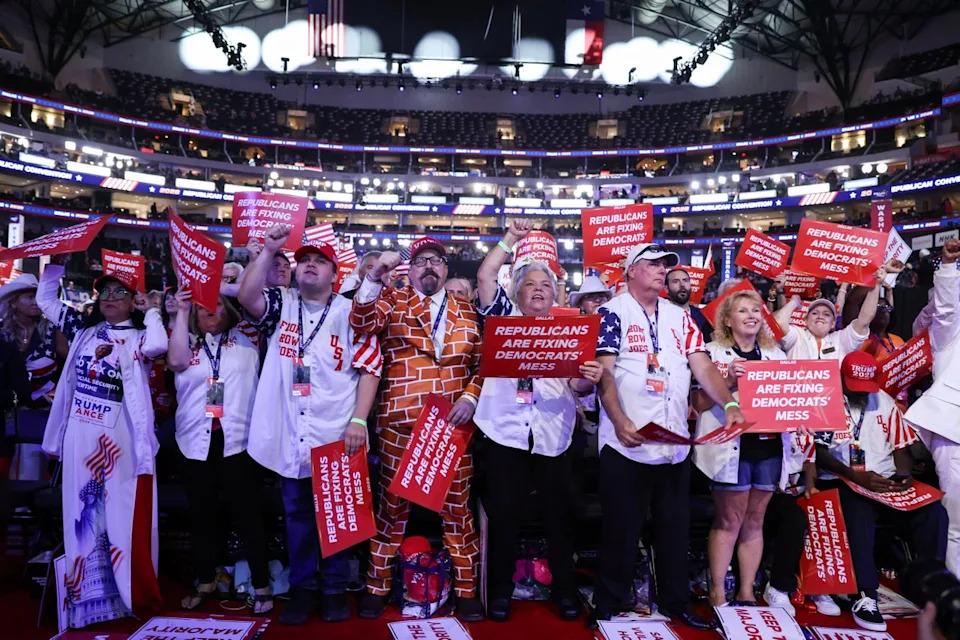
The president continues to dismiss polls showing his declining approval ratings and insists he could defeat any candidate 'by 20 points' (AFP/Getty)
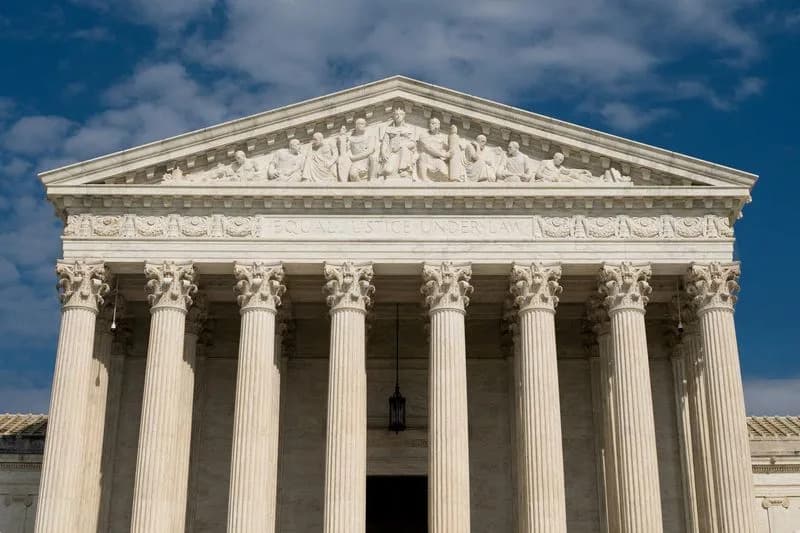
Trump also refused to accept responsibility for rising prices, saying he 'inherited the greatest inflation in history,' and expressed frustration with three Supreme Court justices he nominated after several rulings went against his administration. When asked whether he regretted those nominations, he said, 'Yeah. Yeah. What can I do? I put them in. They voted against me too often.'
Tone and Takeaway
The interview alternated between policy discussion and personal grievance. Trump frequently returned to familiar themes — grievances against the press and the courts, pride in his architectural interventions in the capital, and blunt, sometimes incendiary language on foreign policy and national security. The exchange underscores the continued polarization around his leadership style and priorities.
Help us improve.