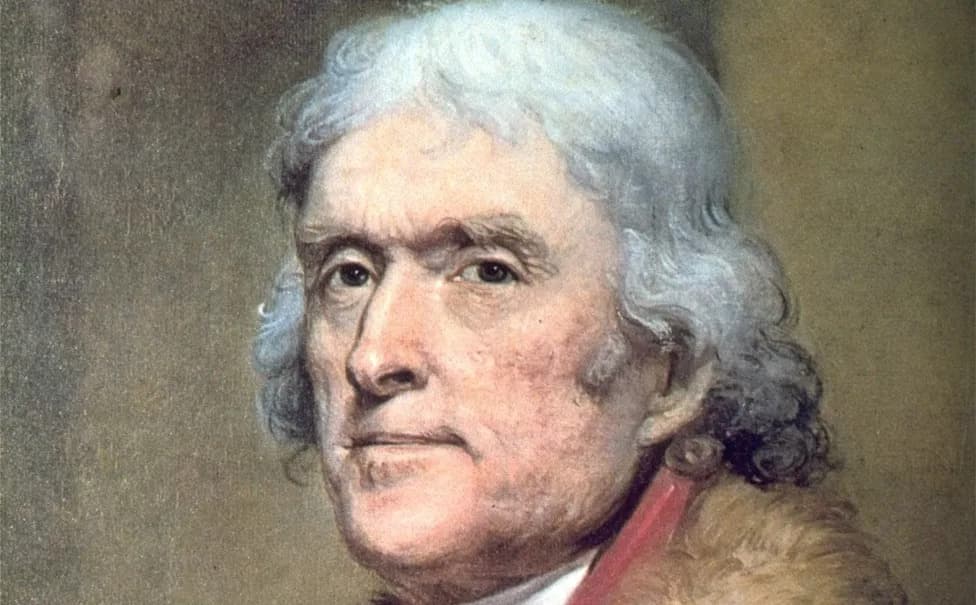
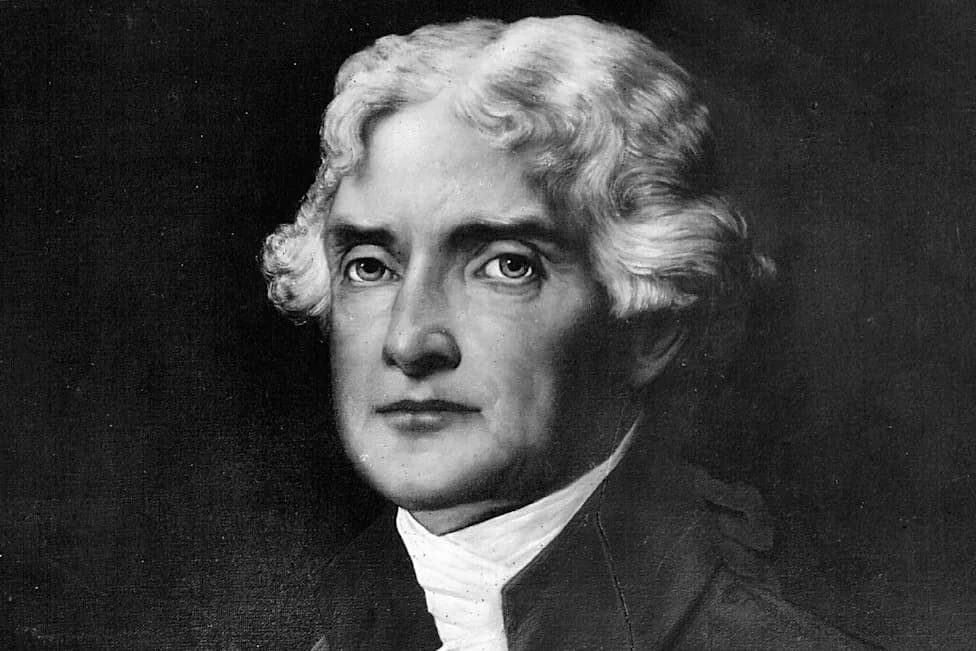
In 2011, Smithsonian staff found a reddish-blond hair pressed inside a Bible that once belonged to Thomas Jefferson. That single strand helped launch more than a decade of genetic detective work described in Richard Kurin’s new book, History by a Hair, and detailed in a bioRxiv preprint. Researchers reconstructed historical genomes from authenticated Jefferson hair samples and compared them with DNA from living descendants across Jefferson and Hemings family lines. Their genome-wide analyses point to a very high probability that Jefferson fathered at least one of Sally Hemings’ children.
Background
Rumors linking Jefferson and Sally Hemings, an enslaved woman at Monticello, circulated during their lifetimes and persisted in historical debate. A 1998 genetic study identified a rare Y-chromosome haplotype shared between male-line Jefferson relatives and Hemings’ male-line descendants, suggesting a Jefferson-line male fathered Hemings’ children but stopping short of proving Thomas Jefferson himself was the father because Jefferson’s own DNA was not available for comparison.
What Researchers Did
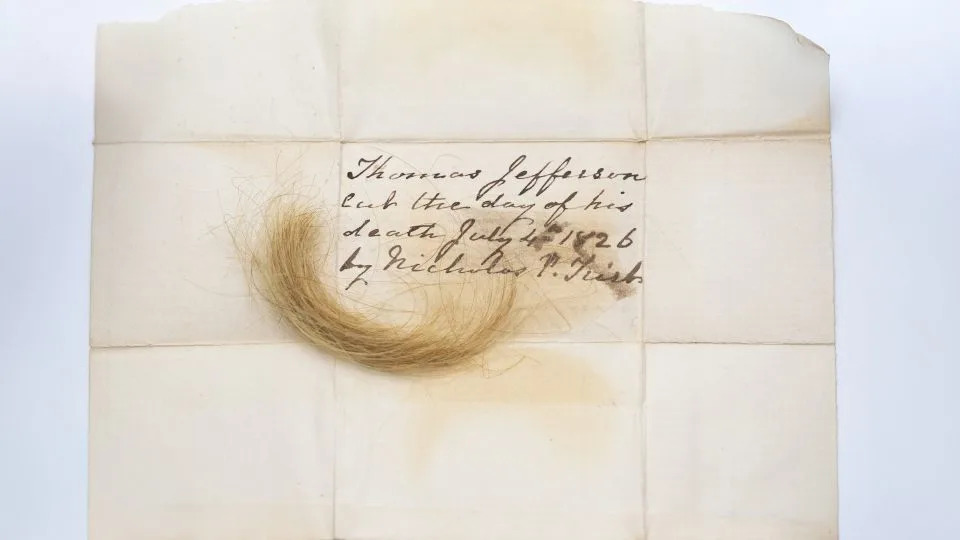
Kurin and colleagues gained access to several hair specimens historically attributed to Thomas Jefferson, including a lock reportedly clipped on the day he died. The team reconstructed degraded historic genomes from those authenticated hair samples and compared them with DNA from 16 living individuals. The living samples included descendants of Eston and Madison Hemings (two sons who later claimed Jefferson as their father) and members of multiple Jefferson-related lineages, including descendants linked to Jefferson’s wife Martha and his brother Randolph.
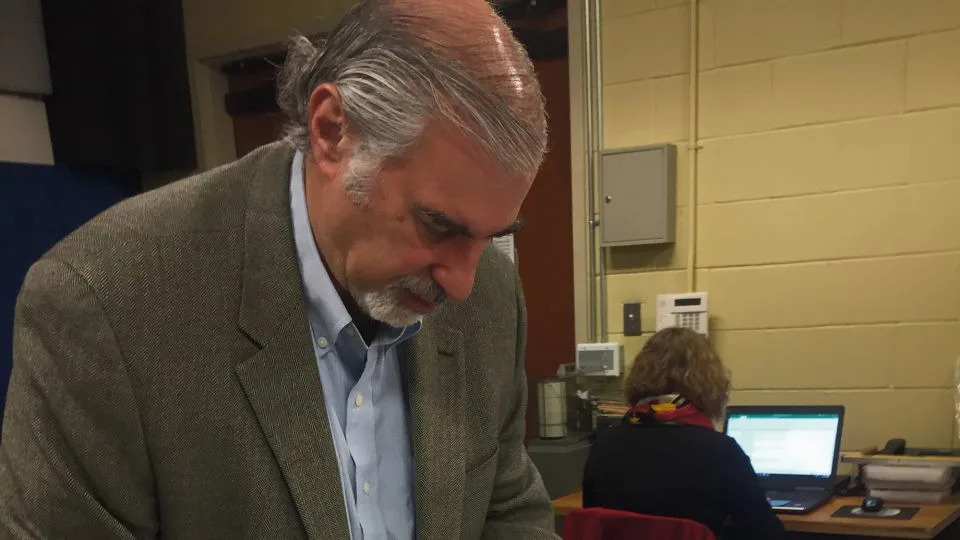
Richard Kurin, author of the recent book and paper about the genetic connections between Thomas Jefferson and Sally Hemings, examines collection items. - Danielle Kurin
Early hopes that the Bible hair would provide a clear Jefferson match were disappointed: mitochondrial DNA from the Bible fragment did not match a known matrilineal descendant of Jefferson’s mother, indicating the Bible hair belonged to a female member of the extended Jefferson family but not to Thomas Jefferson himself. Researchers therefore relied on other authenticated hair samples to reconstruct Jefferson’s genome.
Findings
By analyzing genome-wide patterns and DNA-sharing across multiple relatives, the researchers report matches consistent with Thomas Jefferson’s paternity of at least one child of Sally Hemings. The study authors state a 99.96% probability that Jefferson fathered at least one of Hemings’ children. The preprint and Kurin’s book describe the genetic methods used and place the result in its archival and historical context. The paper was posted on bioRxiv and has not yet undergone peer review.
Why This Study Strengthens the Case
Experts have noted that the strength of the new analysis lies in comparing many genomes across different branches of both families rather than relying on a single Y-chromosome match. Multiple samples increase statistical power to disambiguate relationships, making it far more likely to identify whether Thomas Jefferson specifically — rather than another male relative — was the source of the genetic signal found among Hemings’ descendants.
A lock of hair taken from Thomas Jefferson on the day of his death on July 4, 1826. This sample was used in additional DNA analysis. - Ian Aktins/Thomas Jefferson Foundation at Monticello
Remaining Questions and Ethical Notes
The identity of the woman whose hair was pressed in Jefferson’s Bible remains unresolved: fragmentary data indicate she was a female member of the Jefferson family, but no definitive match has been found. As with all studies of historical figures and descendants, scholars stress careful interpretation, transparency about methods, and respect for descendants and communities affected by the research. The bioRxiv preprint is an important contribution but must still be evaluated in peer review and in dialogue with historians, ethicists, and descendant communities.
Significance
Combined with historical records and earlier genetic work, the new genome-wide analysis adds substantive evidence to the long-debated relationship between Jefferson and Sally Hemings. It also demonstrates how modern genomic tools can help fill gaps in the historical record, particularly for enslaved people whose lives were often poorly documented.
Sources
Details are drawn from Richard Kurin’s book History by a Hair, the accompanying bioRxiv preprint (posted Sept. 21), statements from the Thomas Jefferson Foundation, and expert commentary cited in the reporting adaptation of the research.