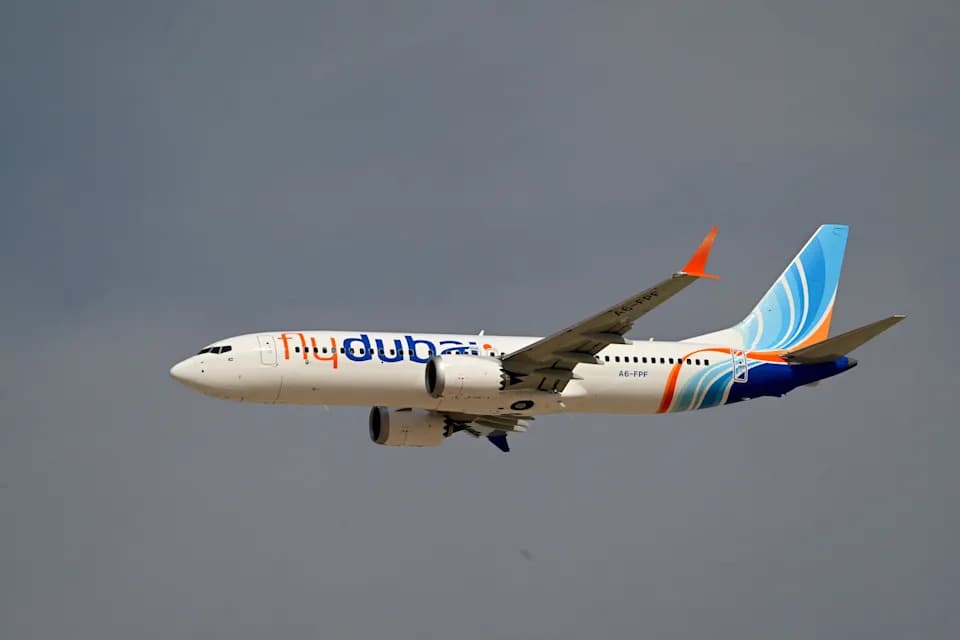
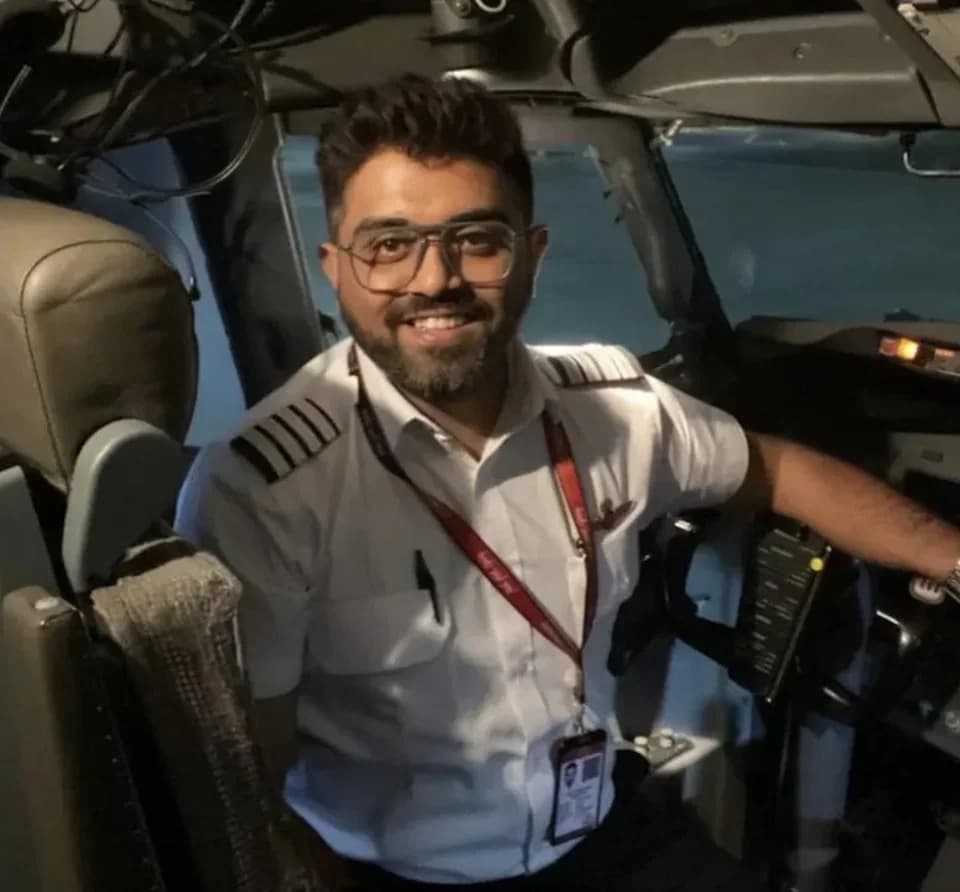
An alleged attempted hijacking on Flydubai Flight FZ1073 — en route from Dubai to Tel Aviv with 174 aboard — has raised urgent questions about pilot vetting and cockpit procedures after the co‑pilot allegedly attacked Captain Machchhar and tried to seize control. Passengers and crew restrained the suspect and the aircraft landed safely. Aviation expert Phillip Baum highlighted three priorities: closing international vetting gaps, shifting emphasis from screening small items to detecting intent and behaviour, and adding cockpit override systems with delay mechanisms.
Alleged Flydubai Attack: Expert Identifies Three Key Failings in Pilot Vetting and Cockpit Security

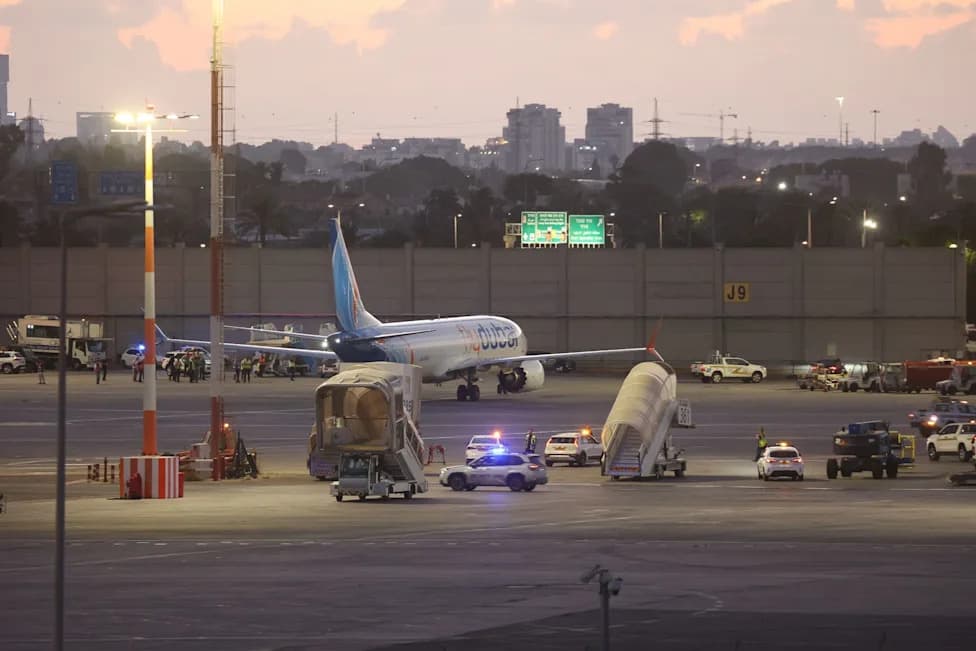
A Flydubai plane landing at Israel's Ben Gurion Airport in Lod on 30 September 30, 2026 (AFP/Getty)
An alleged mid‑air attack on Flydubai Flight FZ1073 has focused attention on how pilots are vetted and how cockpit security is managed. The flight, en route from Dubai to Tel Aviv with 174 people on board, plunged roughly 14,000ft in under 30 seconds after the co‑pilot is accused of attacking the captain and attempting to take control of the aircraft. Passengers and crew ultimately restrained the suspect and the plane landed safely.
Three Key Issues Identified by Experts
1. Inconsistent International Vetting
Phillip Baum, a visiting professor of aviation security at Coventry University with 35 years' experience, says differences in vetting systems between countries can leave gaps. "It's very easy after every incident to say, what more can we do?" he said. "Often, airline pilots are recruited from other states, so the degree of background checks is somewhat limited. They'll certainly have their pilot training and licenses, but in terms of background checks from other states, it's always a problem."
"You would hope, particularly with pilots, that there's a medical assessment, a psychological assessment, then they are accepted for training, and then even during the training, there's ongoing assessment during the course for any indications that somebody may have mental health issues. For ideological issues, it would be much harder to identify." — Phillip Baum
2. Limits of Screening Small Items
Baum argued that focusing solely on detecting small objects — like penknives — is of limited value. Screening for every tiny permitted or prohibited item would paralyse airport operations, he said, and would still not reveal intent. "All we're trying to do then is identify prohibited and restricted articles rather than looking at intent," he added. The expert advocates greater emphasis on monitoring behaviour and mental‑health support for colleagues rather than simply searching for objects.
3. Cockpit Access And Override Mechanisms
Locking cockpit doors became standard after 9/11 to stop intruders entering the flight deck. Baum said locks are necessary but warned there should be a carefully designed override for trusted crew members so the flight deck can be accessed if something goes wrong — ideally with a delay mechanism to prevent a hijacker from immediately exploiting the override. "Lock the door, but there needs to be some override system... It would need some kind of delay mechanism," he said.
What Happened On Flight FZ1073
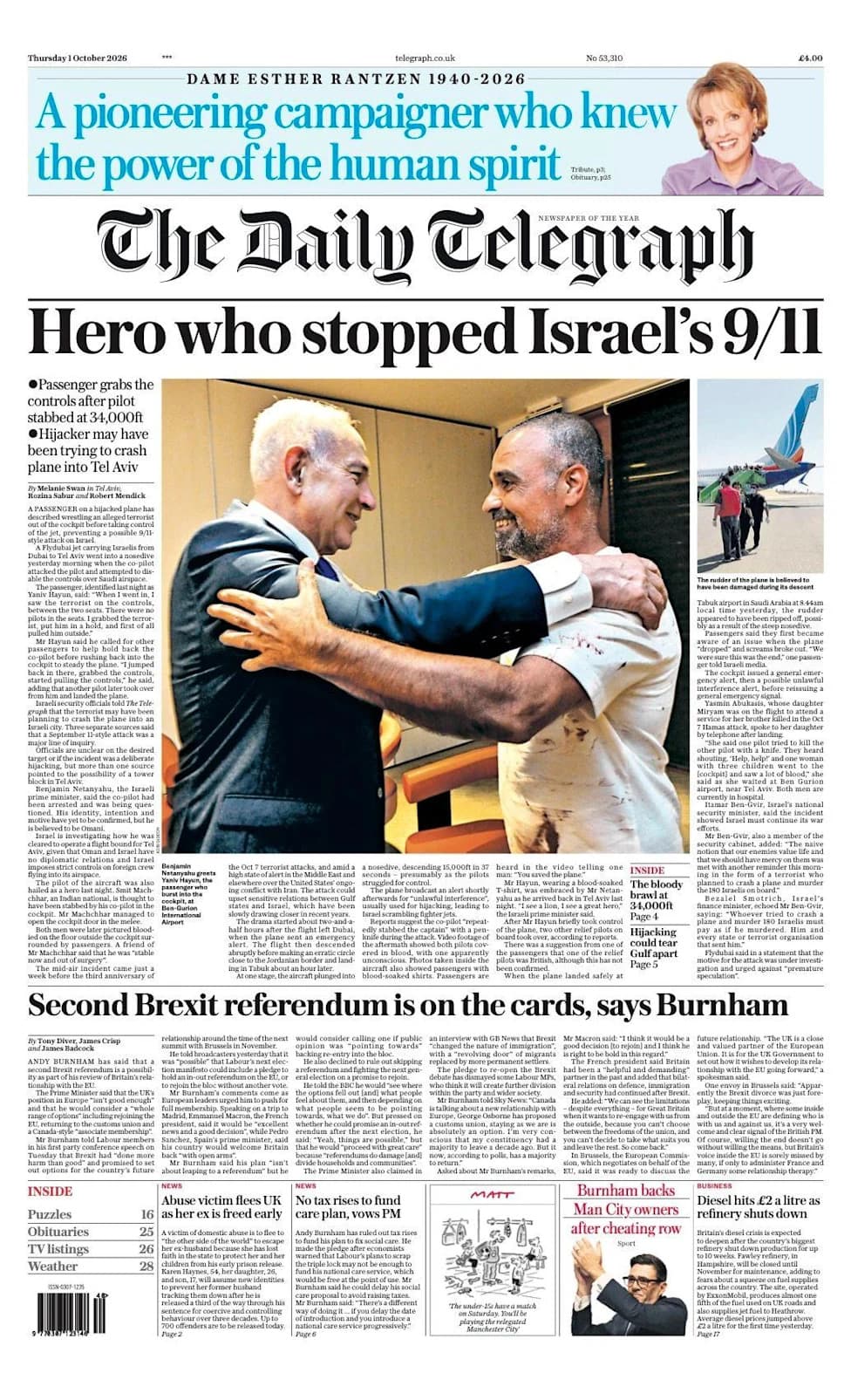
According to officials and eyewitnesses, Captain Machchhar was attacked near the front of the plane; reports vary between stabbing and an attack with an axe. Passengers and crew helped restrain the alleged attacker after the cockpit door was opened. Israeli Prime Minister Benjamin Netanyahu has said the co‑pilot attempted to deliberately crash the plane after attacking the captain, though investigations are ongoing and details remain to be confirmed.
Context And Past Incidents
If investigators confirm this was a foiled attempt to seize the aircraft, the event will join a small number of pilot‑led attacks. Recent and notable cases include a 2023 incident in which a former Alaska Airlines pilot riding off‑duty in a cockpit attempted to tamper with engines and was subdued, and the 2015 Germanwings crash, when a co‑pilot deliberately crashed a plane, killing all 150 people on board.
Authorities continue to investigate the motive and sequence of events. Experts say improvements should focus on harmonising international checks for pilots, enhancing behavioural reporting and mental‑health support, and reviewing cockpit access protocols to balance security and emergency access.
Help us improve.