Public-health officials are raising alarms about cychlorphine, a synthetic opioid reported to be roughly 10 times more potent than fentanyl that has been linked to at least 55 deaths—mostly in Texas, Ohio and Tennessee. A San Francisco teen’s autopsy marked the drug’s first appearance in that city's coroner report. Cychlorphine has been found alone, mixed into other drugs and hidden in counterfeit pills; it can evade some common test strips and may require multiple naloxone doses to reverse an overdose. Colleges and communities are issuing advisories and urging harm-reduction steps.
New Synthetic Opioid 'Cychlorphine' — Reportedly ~10× Stronger Than Fentanyl — Now Turning Up On College Campuses
Stock image of a white powderCredit: Getty
Experts and federal officials warn that cychlorphine (also reported as "cyclophine" in some early reports), a powerful synthetic opioid reportedly about ten times more potent than fentanyl, is appearing in the U.S. illicit drug supply and has been detected on college campuses.
What Happened
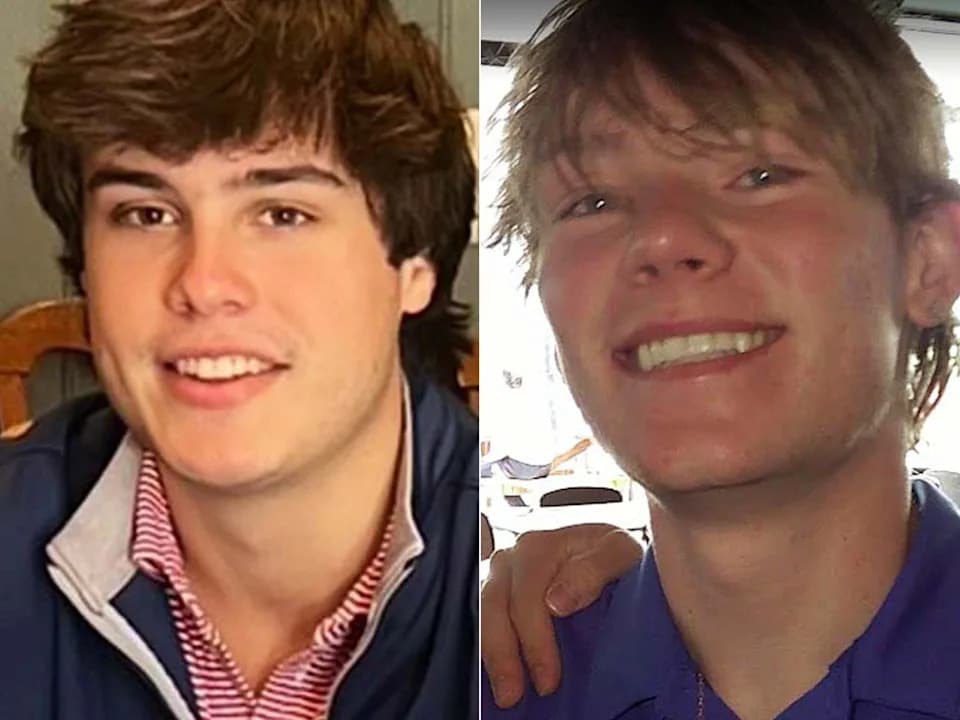
In April, a San Francisco teen, 16-year-old Dante Lacourte, was found unresponsive in his bed. His autopsy identified cychlorphine — the first time the substance has been listed in that city's coroner's records. Federal agencies have since linked the drug to at least 55 deaths, with the largest clusters reported in Texas, Ohio and Tennessee.

A stock image of an ambulance speeding to an emergencyCredit: Getty
Why It’s Dangerous
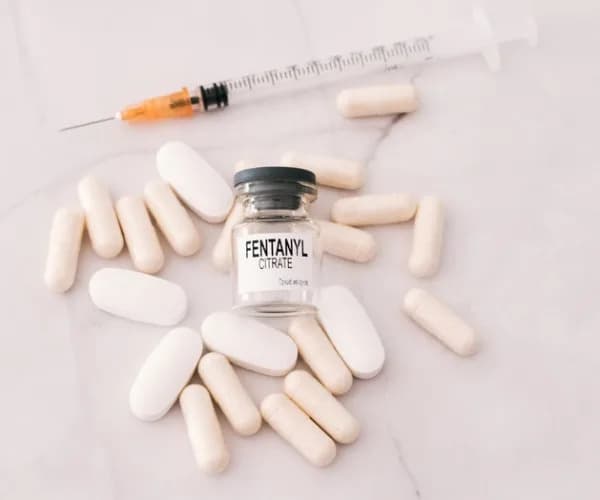
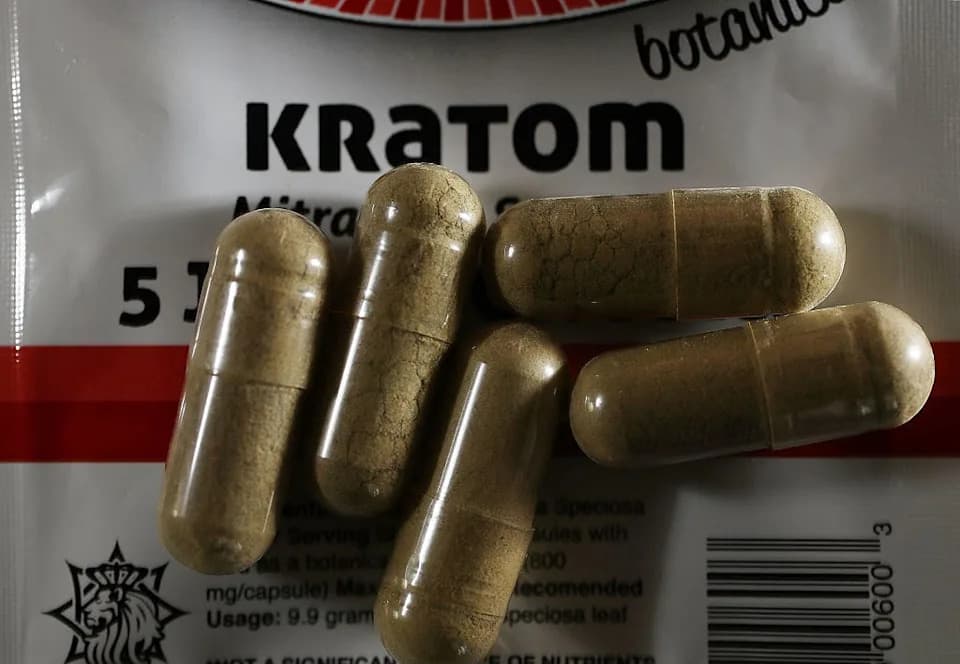
Authorities say cychlorphine can arrive in the United States from overseas and is particularly hazardous because of its high potency. The Drug Enforcement Administration (DEA) has described the compound as many times stronger than fentanyl, meaning only a tiny amount can cause a fatal overdose. Public-health officials also report that cychlorphine has been found both alone and mixed into other substances — including fentanyl, cocaine and methamphetamine — as well as hidden in counterfeit pills that mimic prescription drugs.
"Awareness is critical, especially with young people," a DEA official told local media, noting the ongoing toll of synthetic opioids nationwide.
Challenges For Detection And Treatment
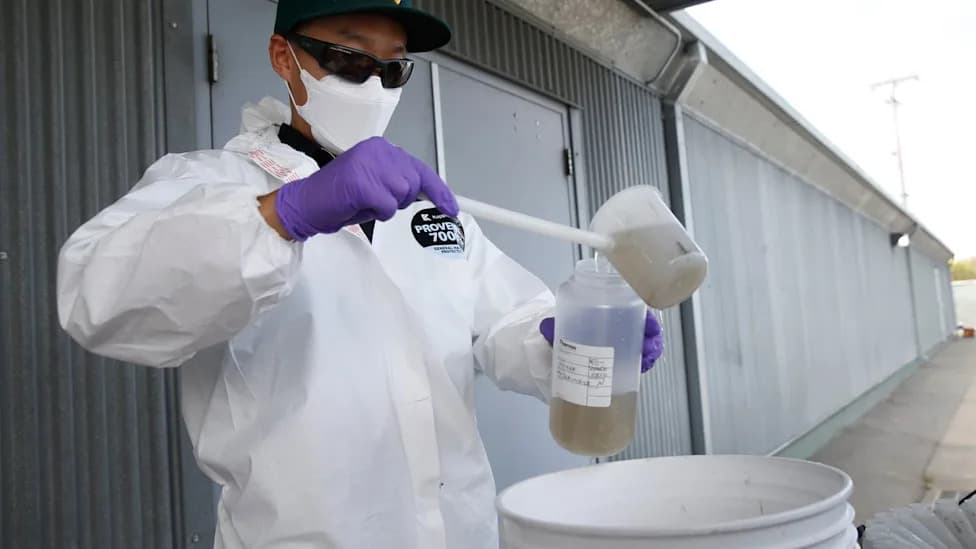
Standard illicit drug test strips and routine hospital urine tests may not detect cychlorphine, complicating diagnosis after suspected overdoses. Clinicians report that reversing some cychlorphine overdoses may require multiple doses of naloxone (Narcan) because of the drug’s potency. Emergency responders and campus health officials are being advised to consider additional naloxone and to monitor patients closely.
Stock image of pills in someone's handCredit: Getty
Campus And Community Response
Colleges and local authorities have issued warnings and advisories — for example, ahead of large events such as university football games — and campus police and health services are sharing harm-reduction guidance. Officials urge students, parents and staff to be cautious with any unknown pills or substances, avoid using drugs alone, carry naloxone if possible, and seek emergency help immediately for suspected overdoses.
Resources and Harm-Reduction Steps
- Do not take unknown pills or share drugs.
- If you use, avoid using alone and have a trusted person who can call for help.
- Carry naloxone (Narcan) and learn how to use it; multiple doses may be necessary in some overdoses.
- Seek treatment and support for substance use disorder — SAMHSA’s helpline is 1-800-662-HELP.
Note: This story is evolving. Federal and local public-health agencies continue to investigate the scope and supply chains of cychlorphine. If you or someone you know is at immediate risk, call emergency services.
Help us improve.