Top AI researchers are exercising unprecedented influence over strategy and policy at frontier firms. Their scarcity and high pay give them leverage to shape company stances on safety and regulation. Internal pressure has pushed firms toward supporting transparency and auditing laws, even as companies assert limits on dissent. The result: researchers are now central power brokers in industry-government talks on AI oversight.
How Elite AI Researchers Sparked a Grassroots Revolt Inside the Industry

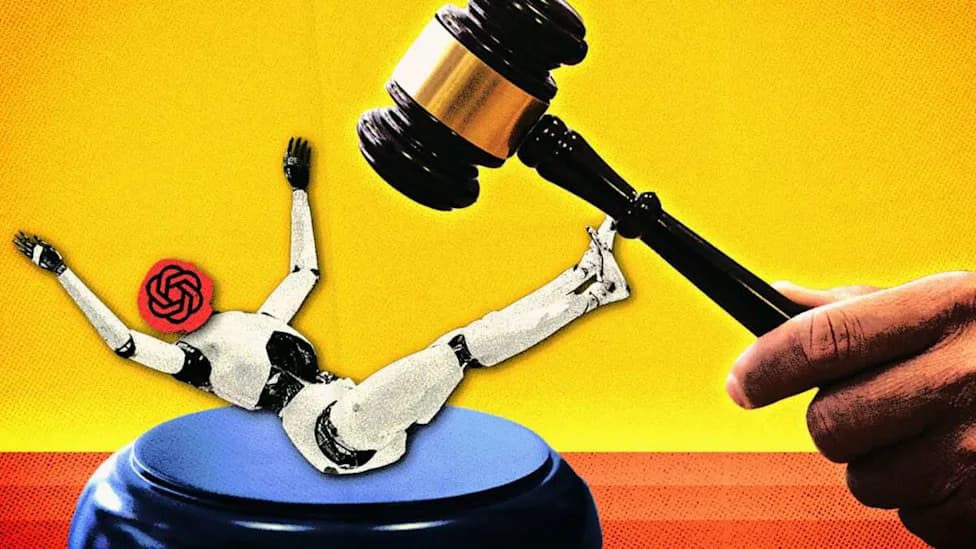
Illustration: Sarah Grillo/Axios
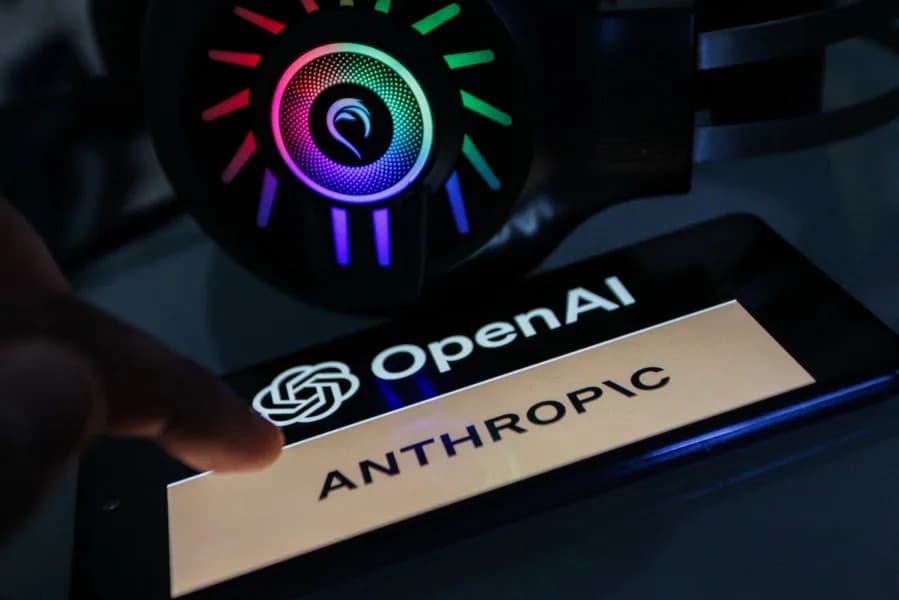
A small but influential group of top AI researchers is reshaping policy and strategy inside frontier firms such as OpenAI and Anthropic, challenging executives, complicating talks with Washington and pressuring companies to adopt stronger safety measures.
Why It Matters
As an industrywide safety crisis has emerged, a new power balance is taking shape: senior researchers — highly compensated and scarce — now play an outsized role in shaping public stances and company strategy. That influence affects how firms negotiate with regulators, the government and each other.
The Big Picture
The dynamic resembles a grassroots uprising: any high-profile agreement these companies pursue — with the administration, with peers, or on the global stage — may need buy-in from their leading scientists. That creates tensions between traditional executive decision-making and an outspoken research community.
Behind the Scenes
Frontier AI companies such as OpenAI, Anthropic and Google emerged from research-oriented cultures that prized openness and collaboration. To continue advancing model capabilities they rely on a handful of specialized machine-learning researchers whose skills are in extremely short supply.
Last year’s talent wars pushed some compensation packages into the tens or even hundreds of millions of dollars, giving top researchers substantial leverage. Perks often include favorable vesting schedules and permissive norms around external commentary — including frequent posts on X (formerly Twitter).
Zoom In: Company-Level Examples
At OpenAI, President Greg Brockman reportedly abandoned plans to donate $25 million to a pro-AI political group after researchers criticized the move. Staff say internal pressure nudged OpenAI away from resisting regulation toward engaging more closely with state and federal lawmakers — for example by backing a transparency bill in Illinois and a last-minute independent-auditing bill in California.
“We have a lot of debate inside OpenAI, and that's a good thing, but what ultimately drives our policy positions is what we're seeing in our own technology and how quickly its capabilities are advancing,” an OpenAI spokesperson said.
Yes, But — Limits To Dissent
OpenAI also signaled limits to tolerated dissent when it fired three employees this week for allegedly mishandling sensitive information, saying those actions violated the "deep level of trust" needed to keep systems secure.
Friction With Washington
Policymakers have expressed frustration with an inconsistent posture from frontier companies — opposing regulatory proposals at times and supporting them at others. One source close to the administration said OpenAI is “no longer seen as or acting as a leader in driving policy,” arguing that researcher influence has constrained the company. A White House official countered that OpenAI remains an "incredible partner," pointing to a recent accord with the president.
Zoom Out: Industrywide Effects
The phenomenon extends beyond OpenAI. Researchers complicated Anthropic’s efforts to negotiate with the Pentagon after a clash earlier this year. Employees at OpenAI, Anthropic and Google have signed letters at pivotal moments, including more than 1,000 staff backing the viral “pacing the frontier” petition. Anthropic researcher Jacob Coxon publicly resigned and criticized the company's safety practices, and several colleagues inside the firm later endorsed his concerns.
Reality Check
Executives are not static: as political backlash and safety incidents mount, many company leaders have adapted. With regulation increasingly seen as inevitable, firms are focusing on shaping rules to be workable rather than simply resisting them.
Bottom Line
Top researchers at frontier AI companies have become central players in the debate over AI safety and oversight, exerting influence that can rival that of CEOs such as Sam Altman (OpenAI) or Dario Amodei (Anthropic). That shift complicates negotiations with governments and may redefine how AI policy is made going forward.
Help us improve.