President Trump said any war with Iran would be "very quickly" concluded and has ordered additional U.S. carrier and amphibious groups to the Middle East, a deployment that could bring about 20,000 personnel to the region by late October. G7 leaders agreed to a coordinated release of 100 million barrels of fuel to ease price pressures. Intense fighting in Yemen has displaced more than 145,000 people and damaged health services, while investigations continue into an alleged FlyDubai attack with unconfirmed links to Iran.
Trump Says War With Iran Would End "Very Quickly" as More U.S. Forces Deploy to Middle East
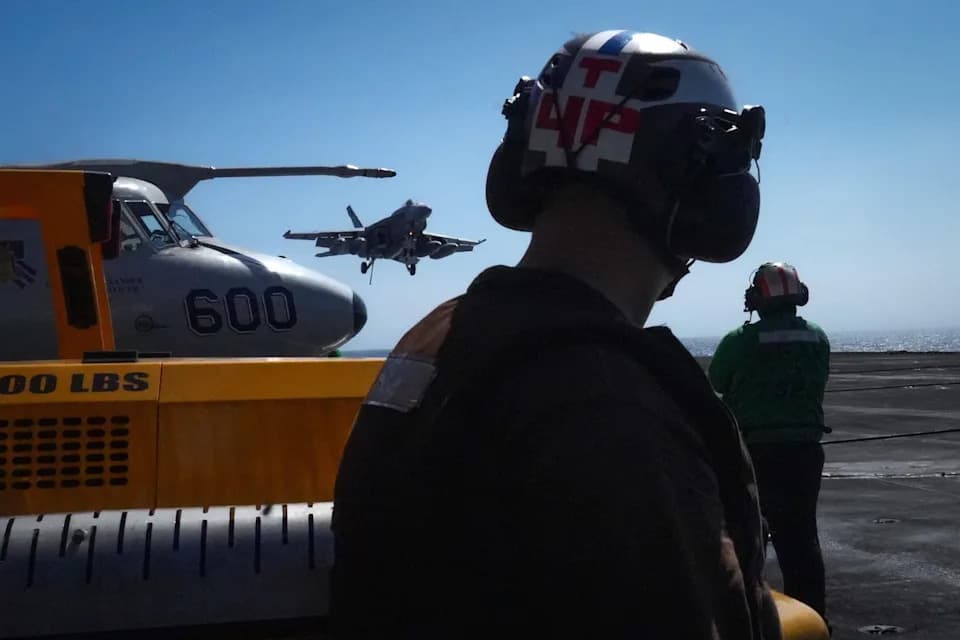
U.S. Navy flight deck crew members watch as an F/A-18 Super Hornet lands aboard the aircraft carrier USS Theodore Roosevelt (CVN-71) while the ship is moored in Honolulu, Hawaii, during Exercise RIMPAC (Rim of the Pacific) 2026 on July 17, 2026. / Credit: Michelle Bir /AFP via Getty Images
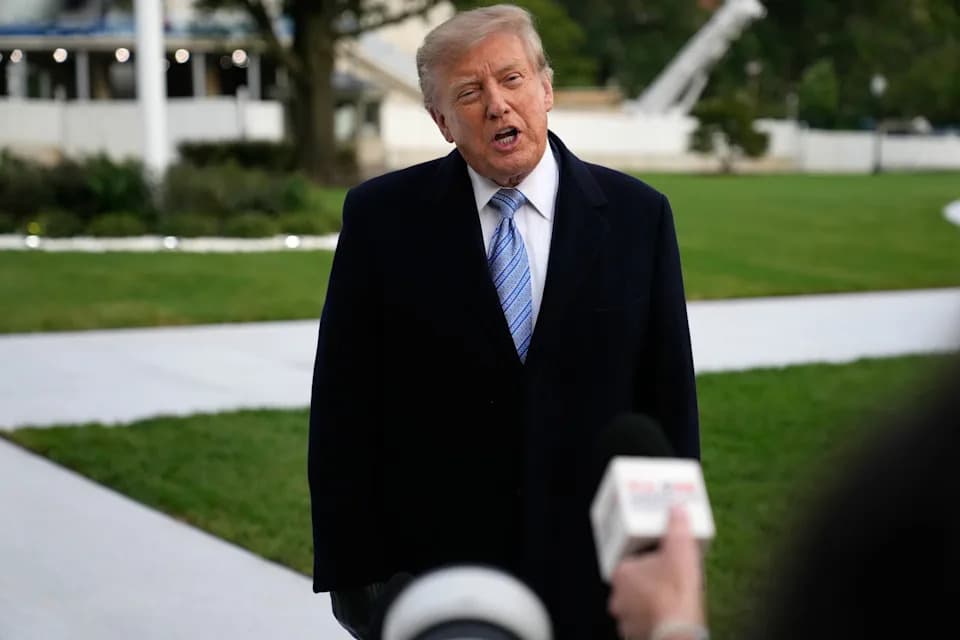
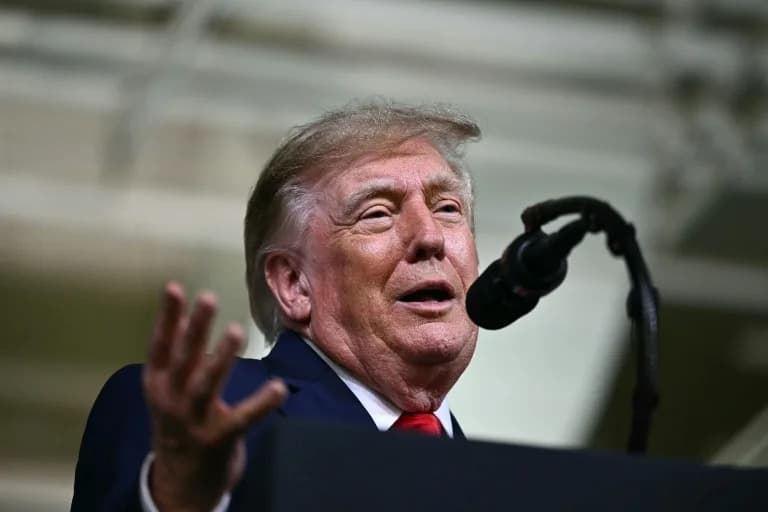
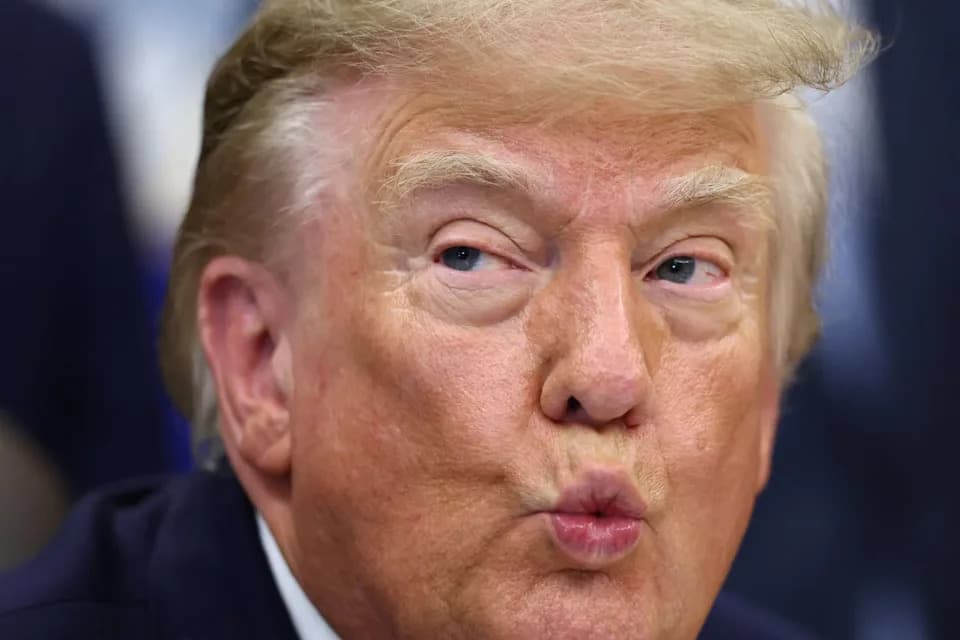
President Donald Trump vowed Thursday that any conflict with Iran would be brief and decisive, saying Tehran's ruling theocracy is "ready to fold up" and predicting the United States could prevail in a seven-month war "right after the election" or possibly before November's midterms.
U.S. Military Buildup
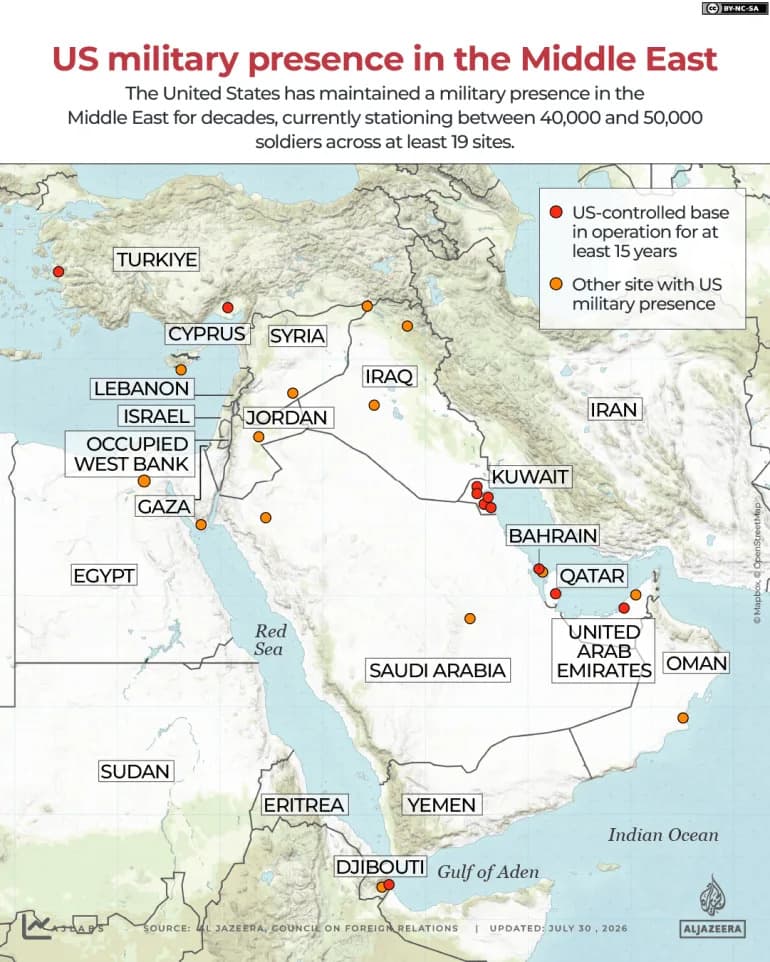
The U.S. has intensified deployments to the Middle East. A U.S. official confirmed to CBS News that the USS Theodore Roosevelt Carrier Strike Group and the USS Makin Island Amphibious Ready Group are heading to the region. With the USS George H.W. Bush, USS George Washington and the USS Boxer already present, the United States could have three carrier strike groups and two amphibious ready groups operating simultaneously.
An Associated Press official said about 7,000 sailors and 2,000 Marines are en route, potentially bringing the total U.S. force presence in the theater to roughly 20,000 personnel, supported by hundreds of ships and aircraft. Officials said the forces could arrive by the end of October.
Diplomatic and Economic Responses
Leaders moved to blunt the conflict's impact on energy markets. Following an emergency G7 meeting, a joint statement released by the Élysée Palace confirmed a coordinated release of 100 million barrels of fuel to begin immediately and be distributed over four months, including a substantial front-loaded diesel release within the first 20 days. A White House official said President Trump spoke with French President Emmanuel Macron and other G7 leaders as part of negotiations that led to the agreement.
Yemen Fighting and Humanitarian Crisis
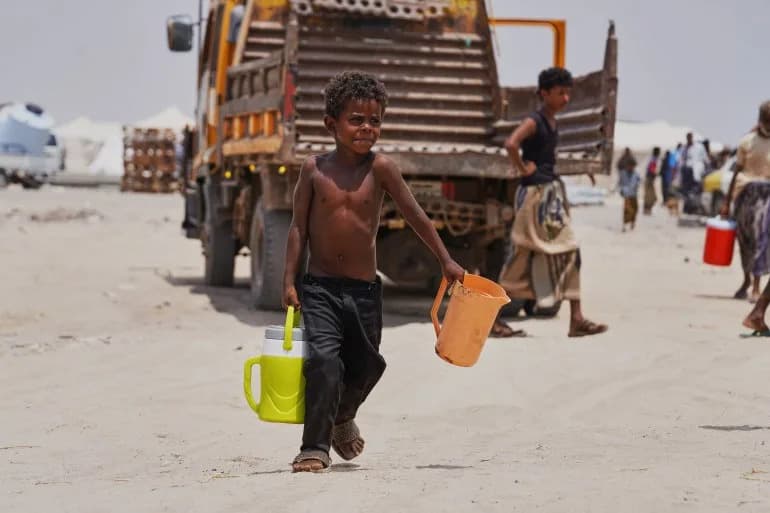
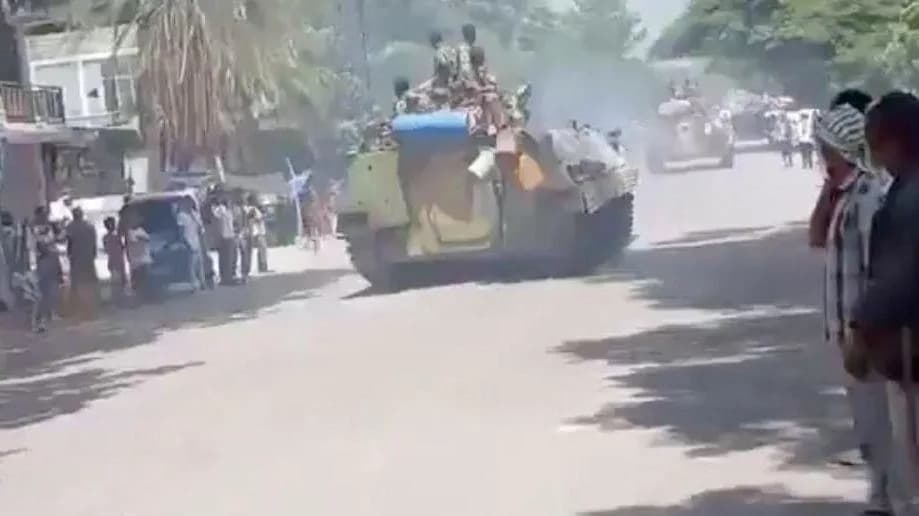
Fighting in Yemen has intensified along the Red Sea coast and in Taiz province. The U.N. Population Fund reported more than 145,000 people displaced by recent hostilities, including roughly 35,000 women of childbearing age and more than 3,200 pregnant women. UNFPA partners reported cases of women giving birth while fleeing without skilled assistance, and the agency said nine health facilities in affected western governorates have been destroyed or rendered inoperable, with eight more suspending services.
AFP sources reported intense clashes near the Red Sea that killed some 80 combatants over 24 hours, with both sides reporting different casualty totals in the Taiz area. The Saudi-led coalition accused Iran-backed Houthi rebels of striking an electricity distribution station in Medina, Saudi Arabia — an allegation the Houthis denied — drawing condemnation across the Muslim world.
FlyDubai Incident and Investigations
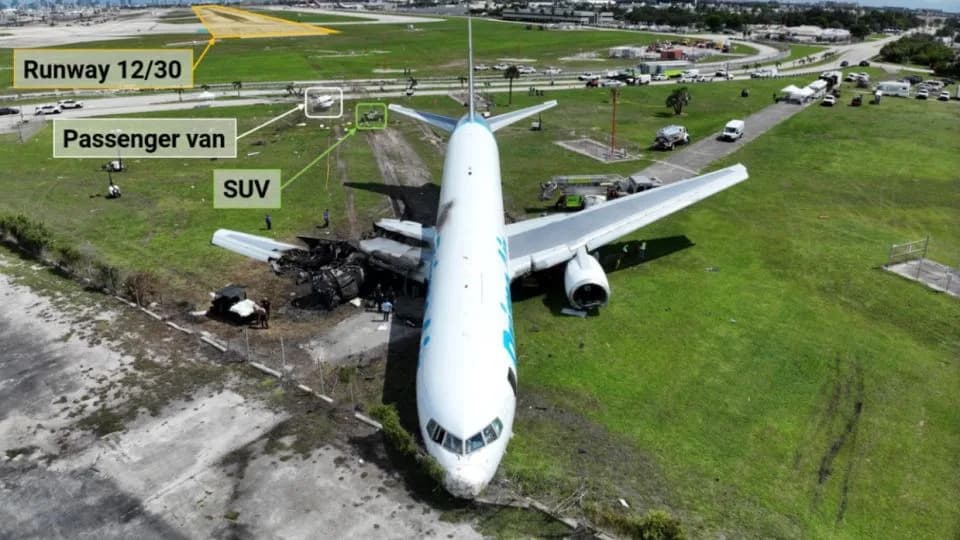
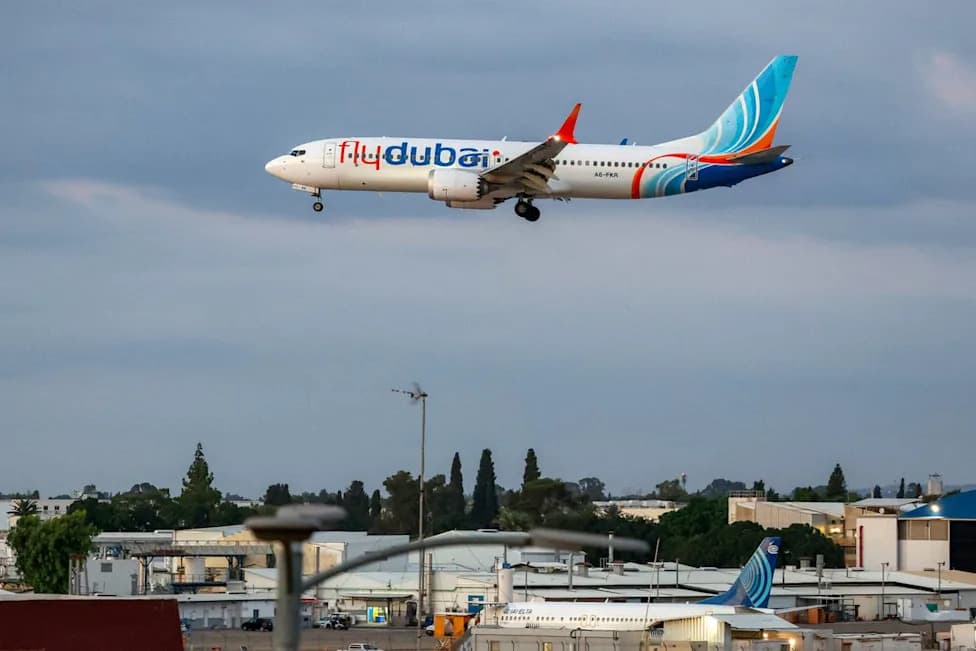
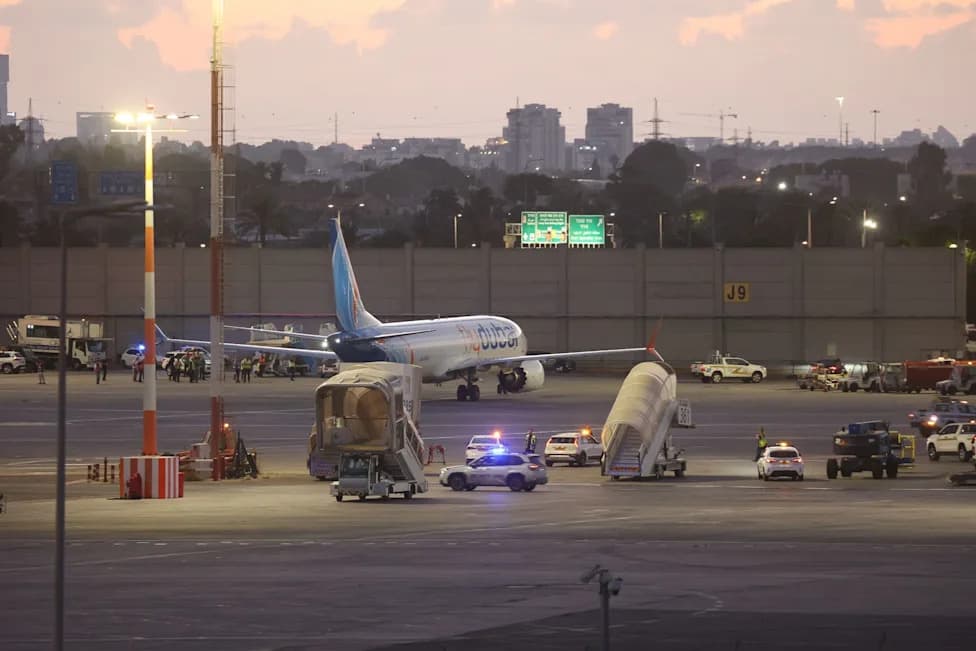
Israeli authorities are investigating an alleged attack aboard a FlyDubai flight to Tel Aviv in which the co-pilot reportedly stabbed the captain and attempted to crash the plane before being restrained by passengers. Israeli Prime Minister Benjamin Netanyahu said investigators are probing whether the co-pilot was "dispatched" by a third party and vowed that any mastermind would face severe consequences. President Trump suggested possible Iranian links but provided no evidence; U.S. and Israeli officials said investigations are ongoing.
Iran's Political and Legislative Moves
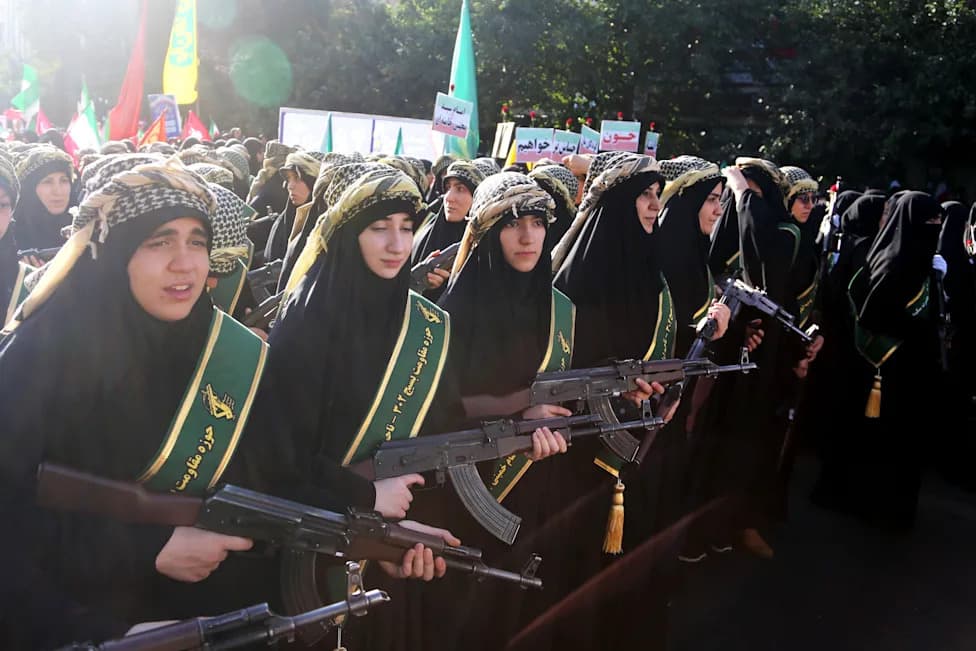
Iran's Supreme National Security Council secretary Mohsen Rezaei mocked President Trump on social media, calling him "the worst president in American history" and disputing Washington's assertions. Separately, Iran's parliament advanced a committee-level draft bill titled the "Strategic Action Plan for Ensuring Security and Sustainable Development of the Strait of Hormuz." Under the proposal, Tehran would preserve what lawmakers describe as control over traffic through the Strait, charge fees for services such as navigation and bunkering, and restrict passage for vessels linked to Israel, states deemed hostile, or ships carrying military cargo. The draft must still be debated by the full parliament and reviewed by the Guardian Council and other bodies before becoming law.
Regional Defense and Reconstruction Needs
Axios reported the U.S. has sent two additional Patriot missile batteries to Saudi Arabia and Qatar to bolster defenses of oil and gas infrastructure. In Lebanon, Prime Minister Nawaf Salam warned that rebuilding areas devastated in recent Israel-Hezbollah clashes exceeds the state's capacity and called for substantial international funding, reiterating earlier estimates that reconstruction costs could top $27 billion.
Other Developments
Iraqi Ambassador to Tehran Yasser Abdul Zahra Al-Hajjaj said flights between Iraq and Iran will resume soon after discussions with Iranian transport officials, as the two countries work to mitigate disruptions caused by recent U.S. sanctions affecting Iran's aviation sector.
Sources: CBS News, Associated Press, AFP, Reuters, Élysée Palace statement, UNFPA, Axios.
Help us improve.