This report compiles firsthand accounts from protesters and medical staff who witnessed a harsh government crackdown on January demonstrations across Iran. Activists estimate more than 6,000 deaths, while witnesses describe tear gas, pellet guns, overwhelmed hospitals and emergency rooms reportedly controlled by security agents. Internet blackouts and seizures of satellite tools hindered communication and independent reporting. The interviews offer a narrow but powerful window into a national crisis that many fear the world could overlook.
Through Protesters' Eyes: Chaos and a Brutal Crackdown in Iran as Activists Say Thousands Killed
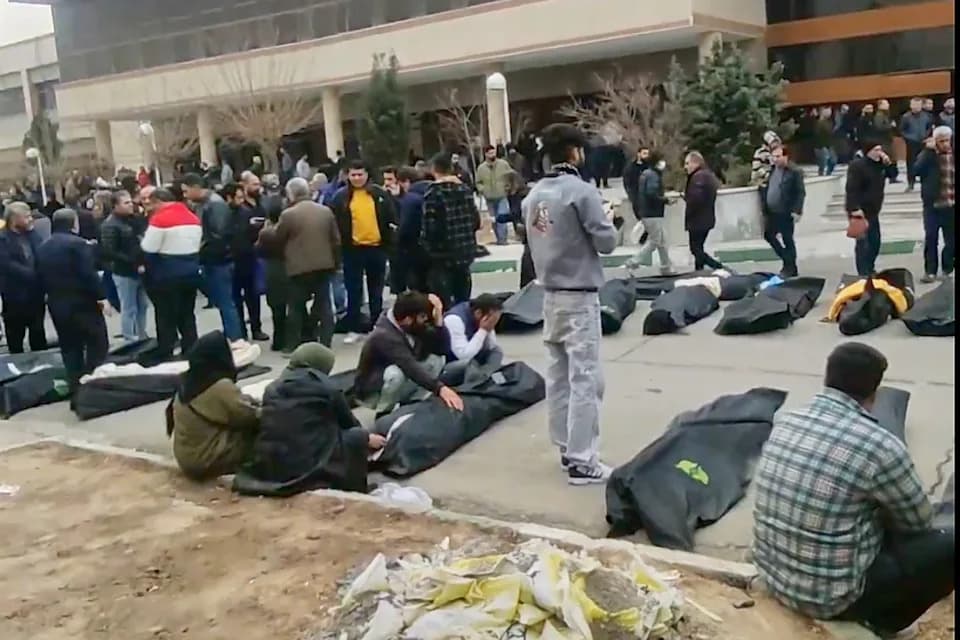
This frame grab from videos taken between Jan. 9 and Jan. 11, 2026, and circulating on social media purportedly shows images from a morgue with dozens of bodies and mourners after crackdown on the outskirts of Iran's capital, in Kahrizak, Tehran Province. (UGC via AP)(ASSOCIATED PRESS)
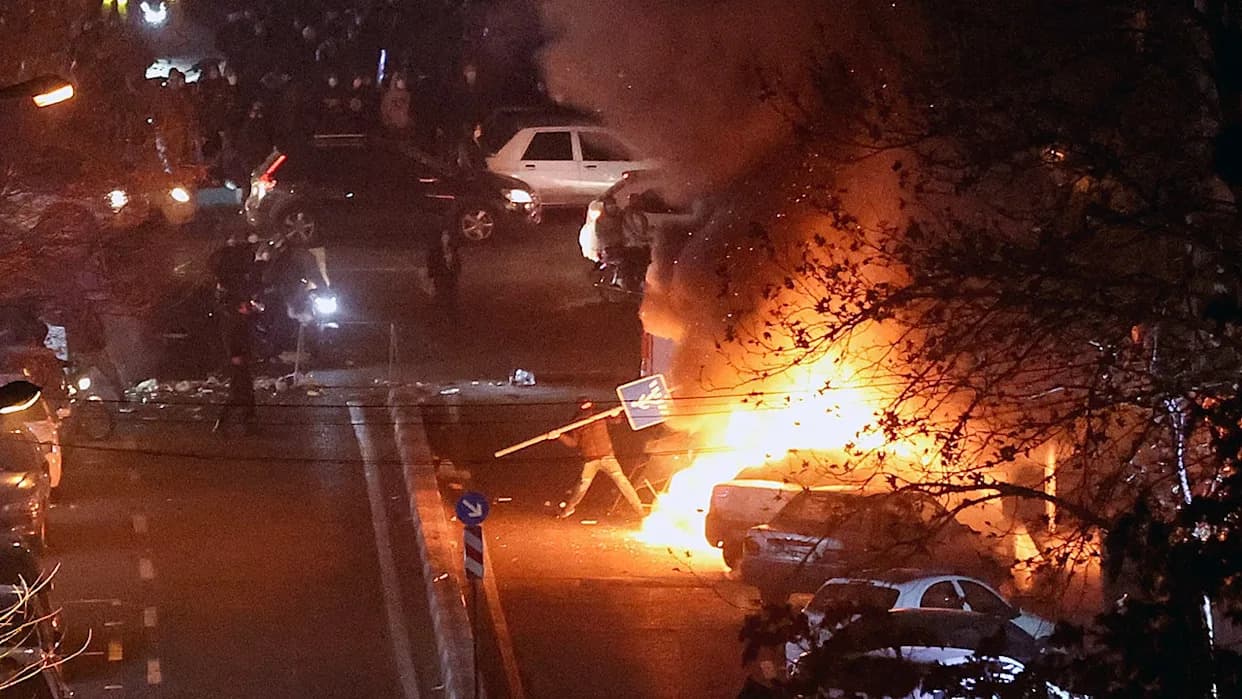
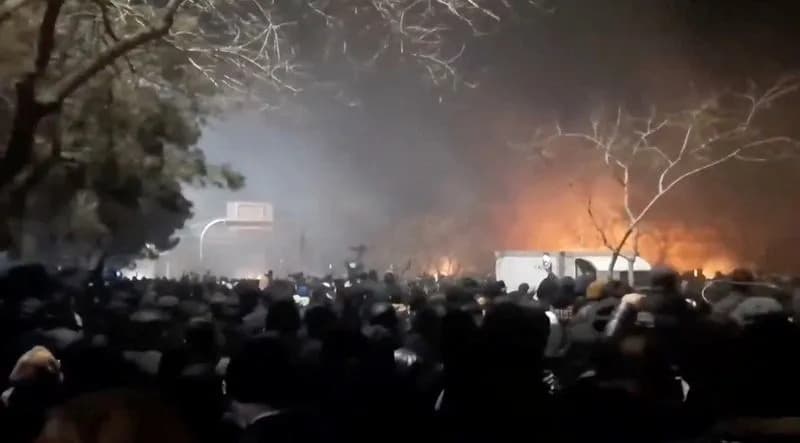
BEIRUT — Protesters and medical staff in Iran describe a wave of demonstrations in January that felt different from earlier unrest: larger, more diverse and charged with a rare sense that the country's status quo could not continue. Activists say the government's response was unprecedentedly violent, and information restrictions have made independent reporting difficult.
Six Iranians spoke to the Associated Press on condition of anonymity—four inside the country using secure channels and two from abroad. Each said they had taken part in protests and witnessed state violence. Their accounts provide a ground-level portrait of life under an intense security crackdown in a country of more than 85 million people.
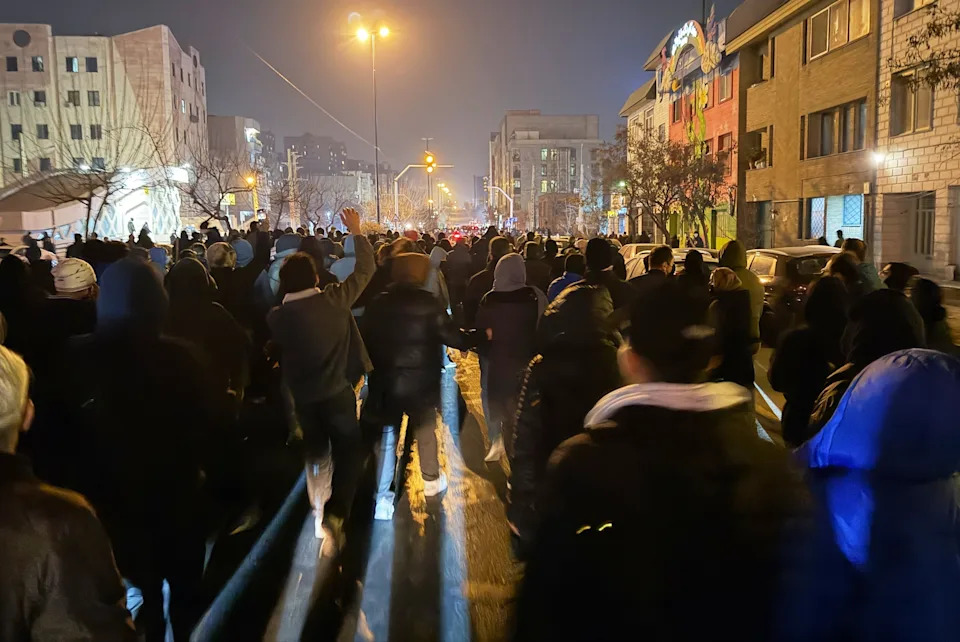
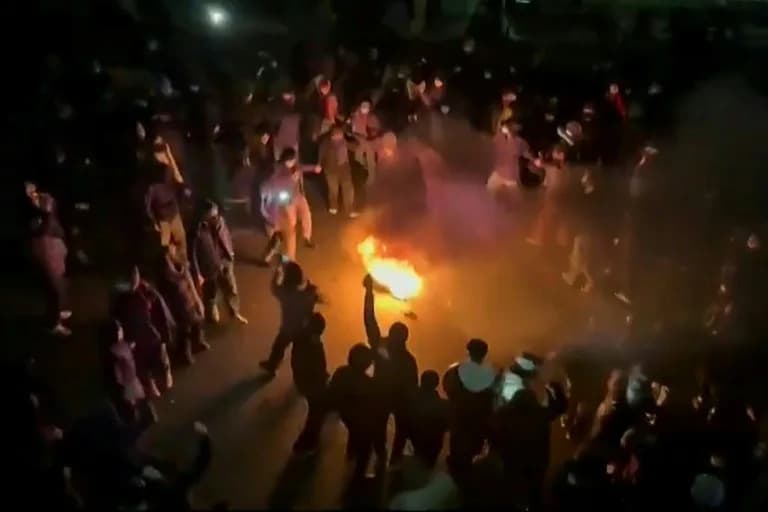
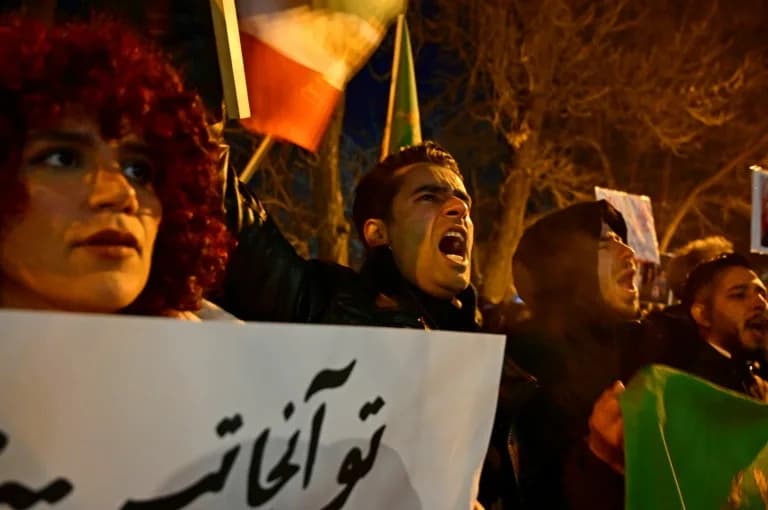
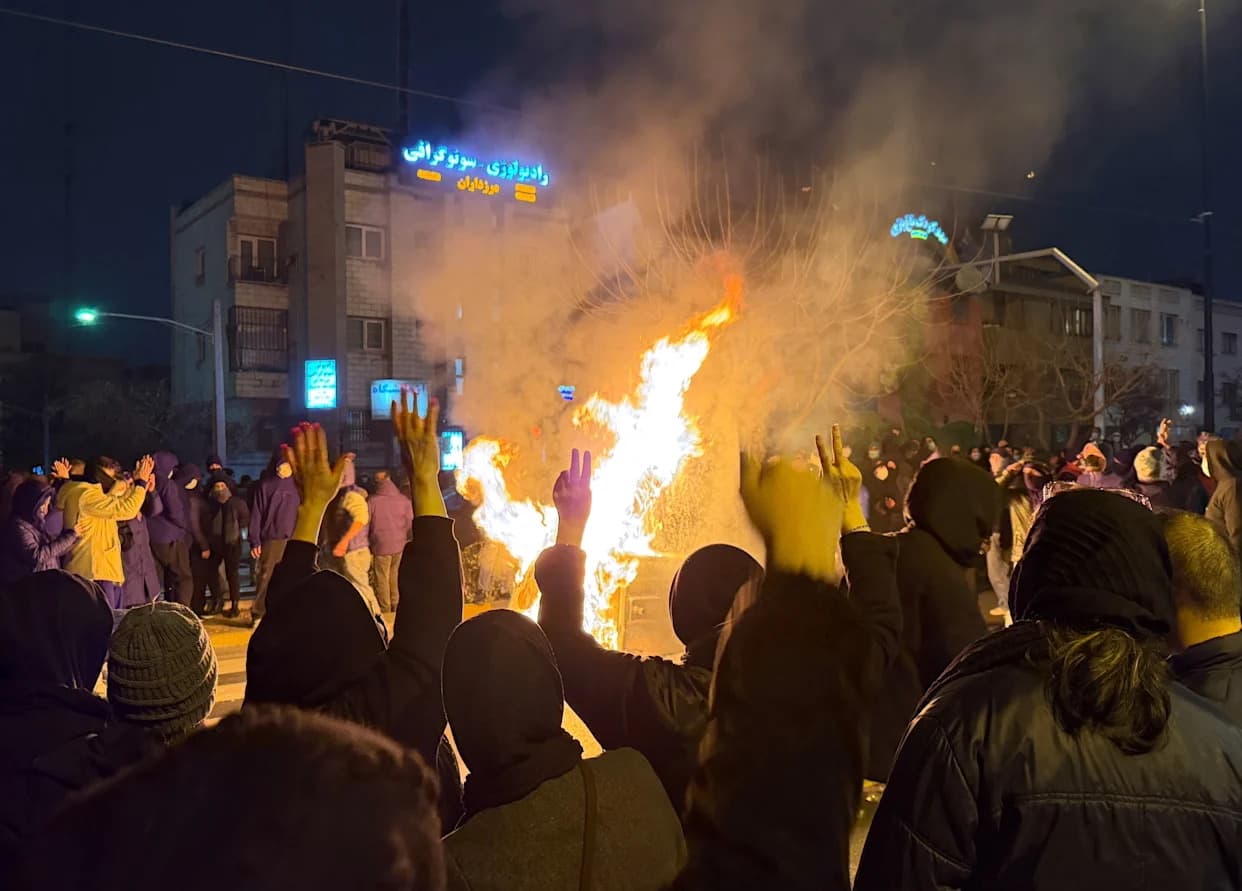
In this photo obtained by The Associated Press, Iranians attend an anti-government protest in Tehran, Iran, Thursday, Jan. 8, 2026. (UGC via AP)(ASSOCIATED PRESS)
Background
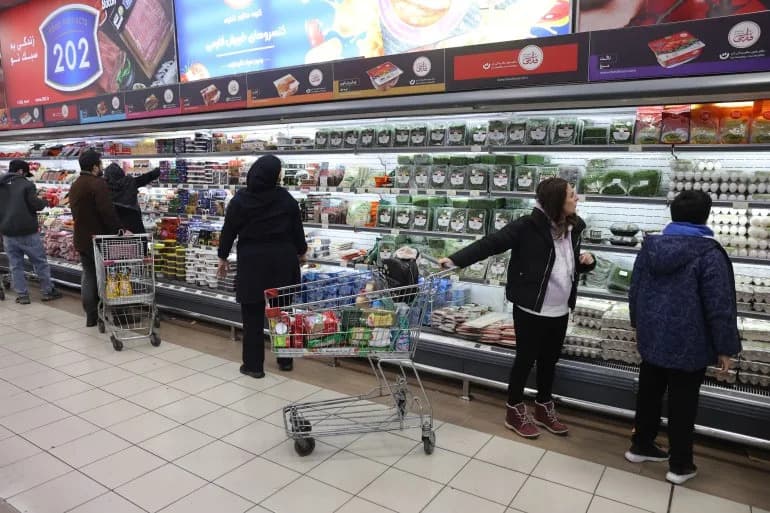
Protests were initially driven by economic pain—soaring inflation and a collapsing rial—but quickly broadened to include long-standing grievances over personal freedoms and political repression. Activists estimate more than 6,000 people, mostly demonstrators, have been killed; authorities and state media call protesters "terrorists" and accuse foreign actors of incitement. Iran’s Supreme Leader Ayatollah Ali Khamenei has acknowledged that several thousand were killed, while state outlets and officials emphasize the threat of violence and property damage. An internet blackout and seizures of satellite devices such as Starlink hindered communications and reporting.
The Fashion Designer: “Everyone Was Afraid”
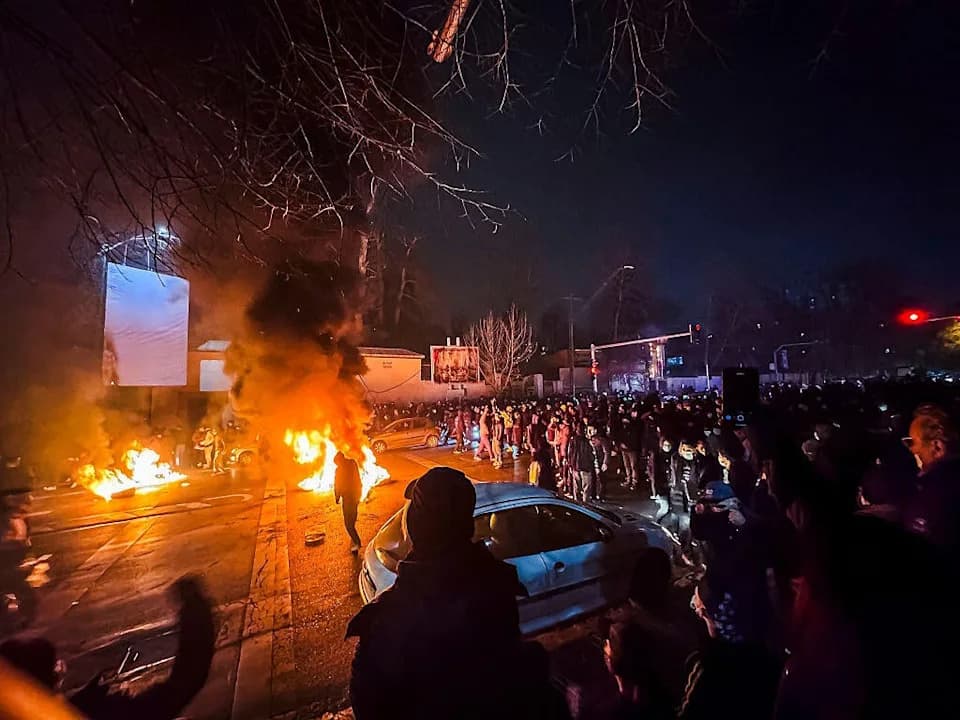
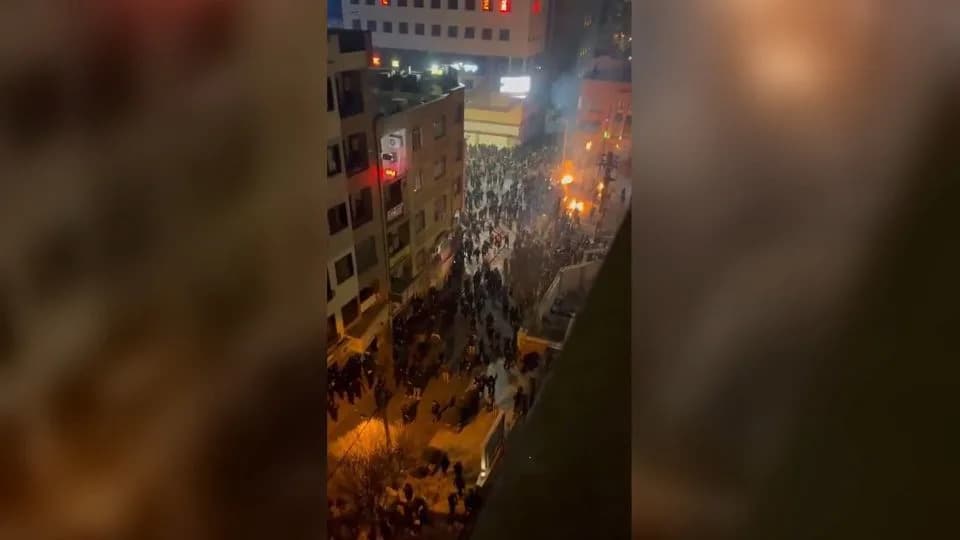
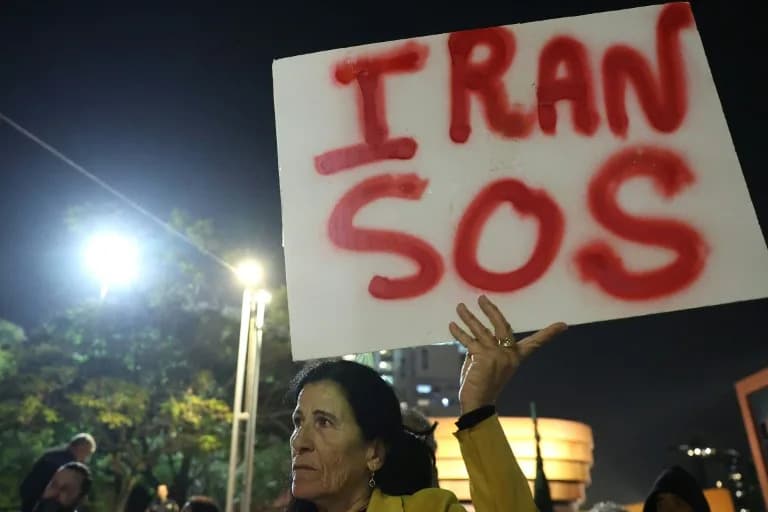
A 25-year-old fashion designer who returned to the streets said Jan. 8 was a turning point. After a call to protest from exiled figure Reza Pahlavi, thousands filled Tehran's avenues. The crowd included teenagers, elders, people from affluent neighborhoods and families—more diverse than past demonstrations.
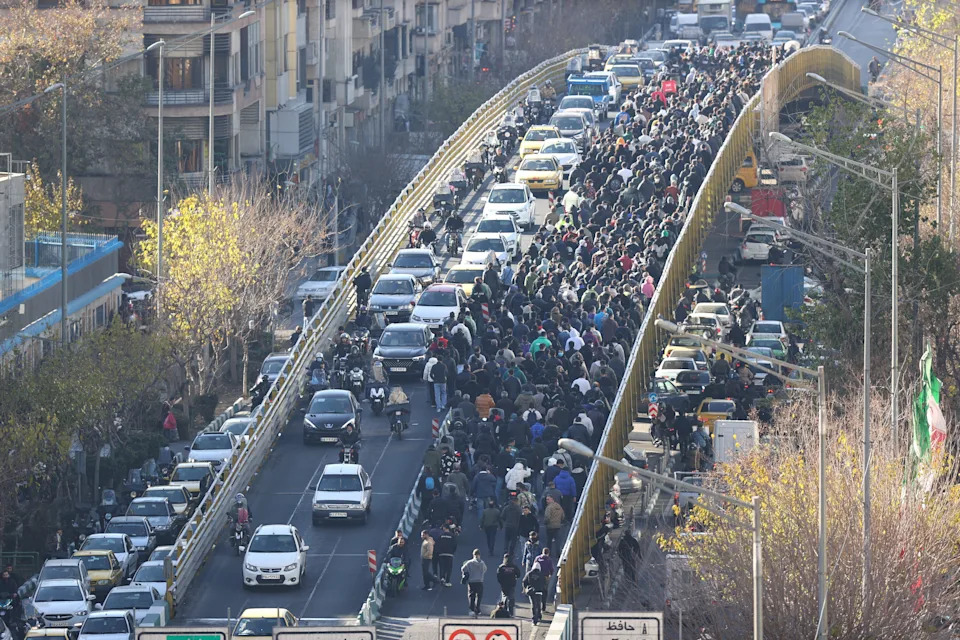
FILE - Protesters march on a bridge in Tehran, Iran, on Dec. 29, 2025. (Fars News Agency via AP, File)(ASSOCIATED PRESS)
“I felt that if I stayed home—if anyone stayed home—out of fear, nothing would move forward,” she told AP.
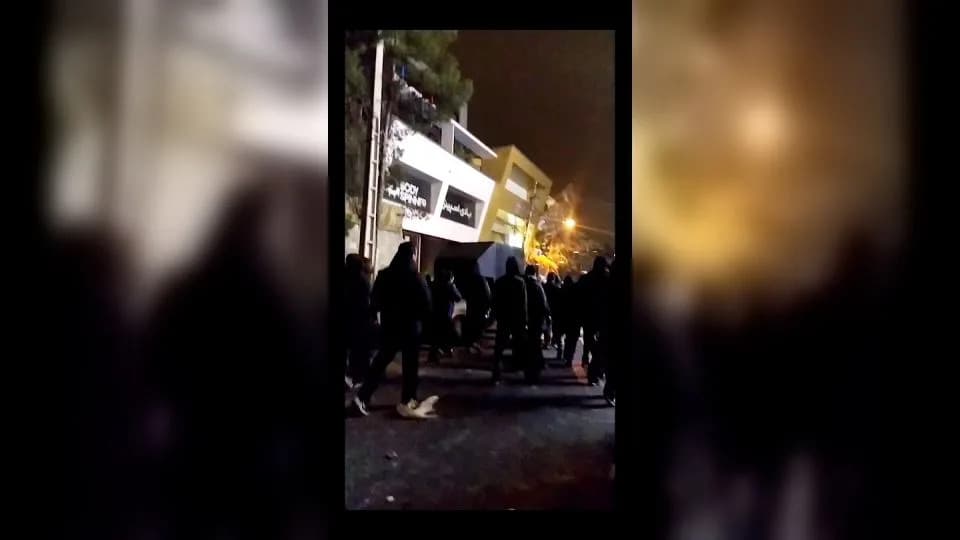
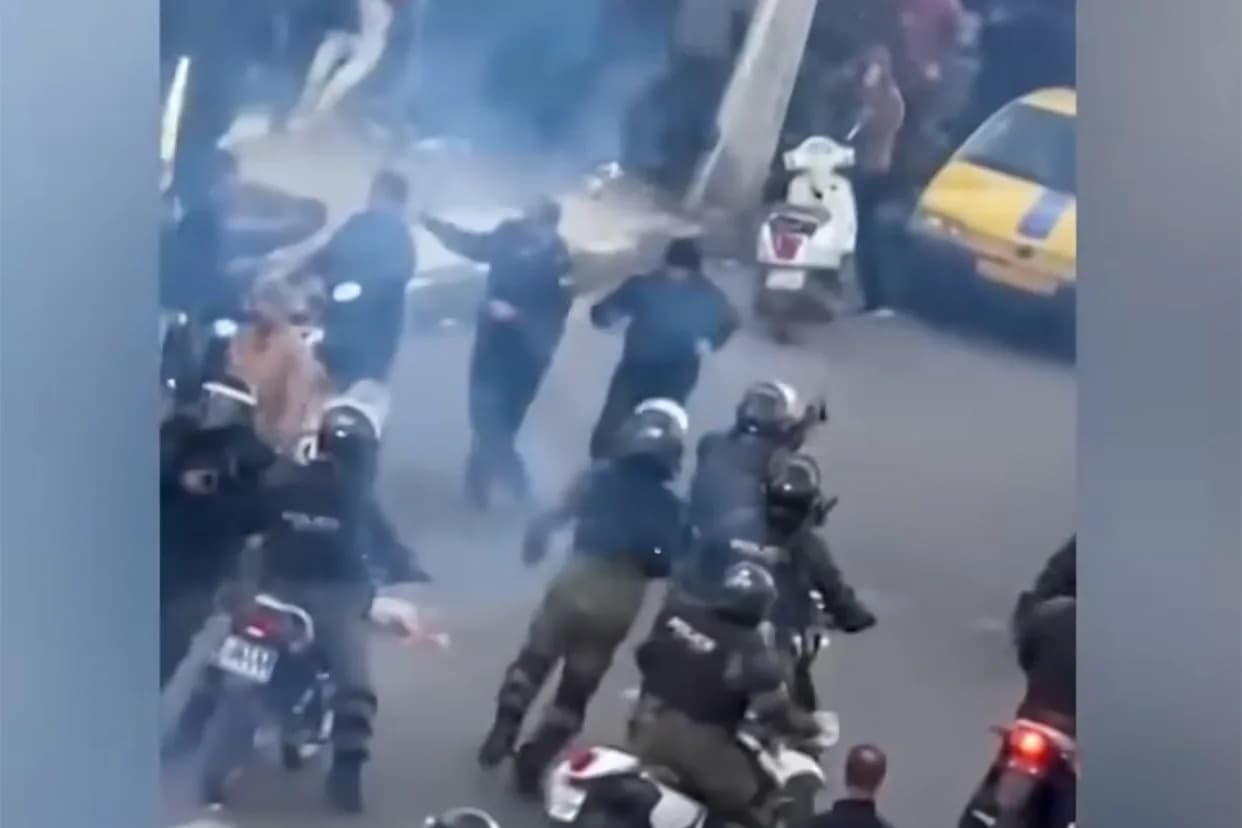
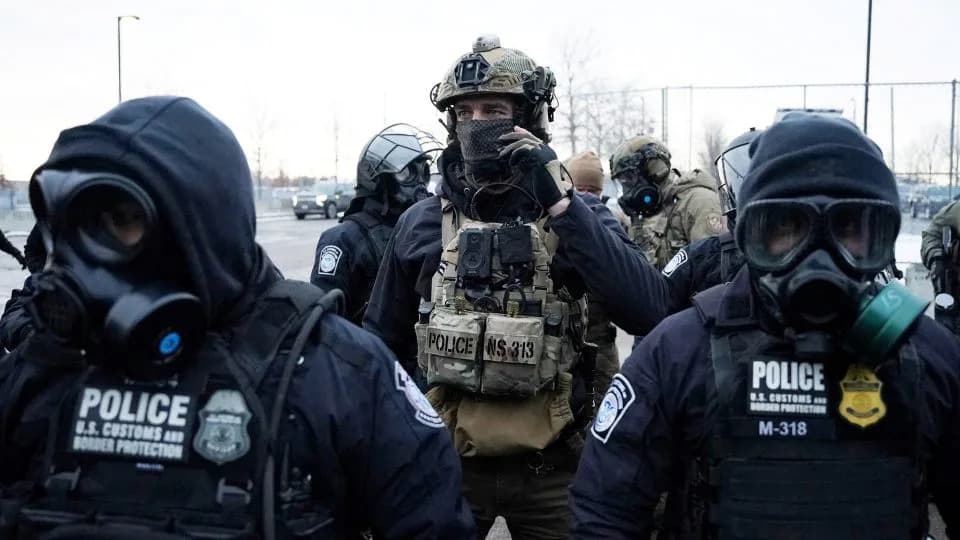
She and two friends reached AP using a Starlink satellite connection amid an internet shutdown. Marching on Shariati Street, they sprayed graffiti and chanted anti-government slogans. Security forces—anti-riot police and members of the Revolutionary Guard’s Basij volunteer force—arrived and used tear gas, pellet guns and, the witnesses said, paintball-style munitions. Protesters scattered into alleys; residents threw rags and antiseptics from windows to help the wounded. The designer said she was struck in the hand and leg by projectiles and that a mask lessened a paintball hit to her face.
The Doctor: “This Had Never Happened Before at This Scale”
A physician from Mashhad—speaking while visiting family abroad—said she expected unrest but was shocked by the scale and the casualties. She recounted colleagues telling her of nights when dozens, and on one occasion about 150 bodies, were admitted as ambulances and protesters arrived with the wounded and the dead. She described scenes of gunshot wounds on young victims and said security agents, both uniformed and plainclothes, asserted control over some emergency rooms.
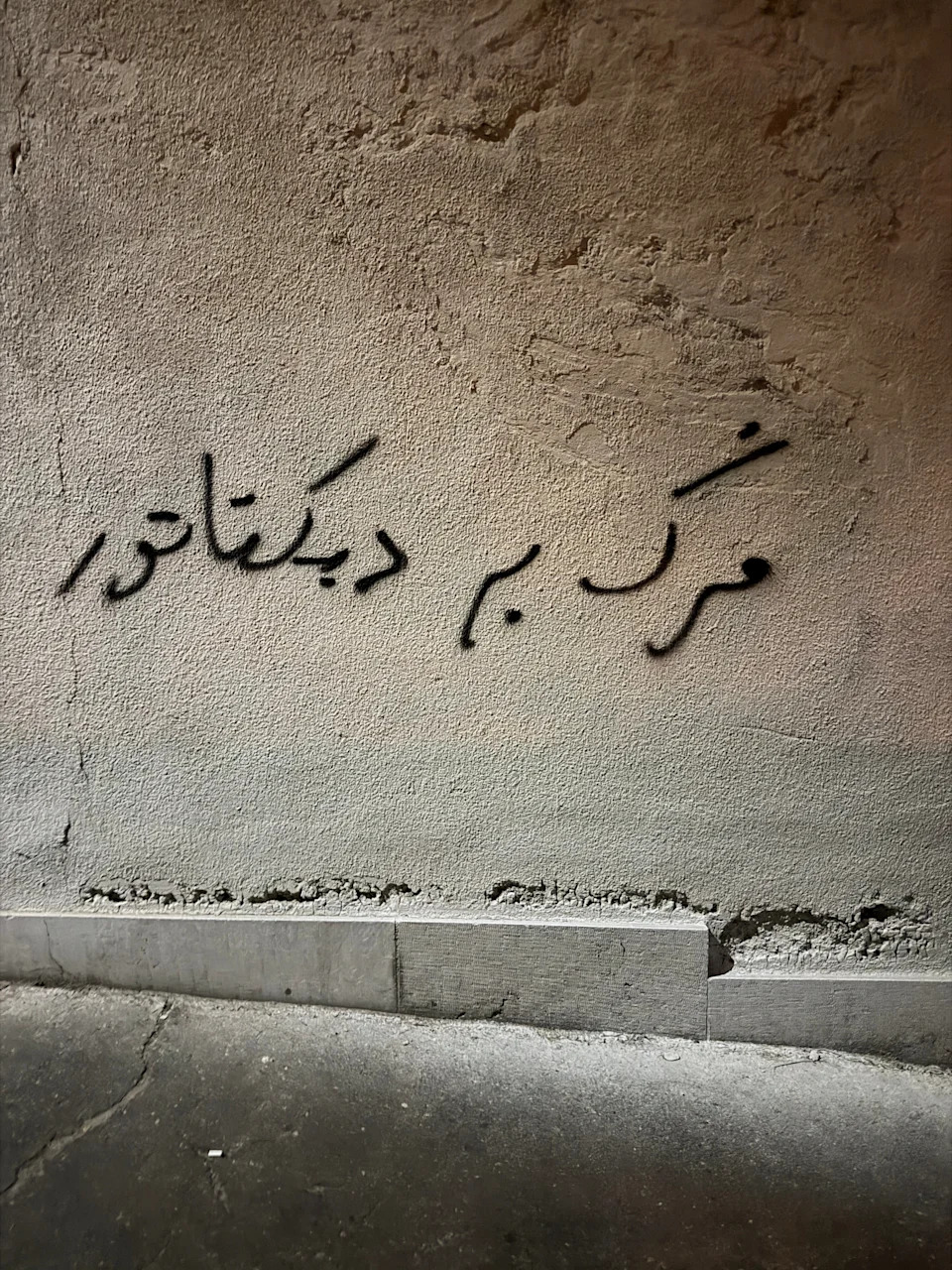
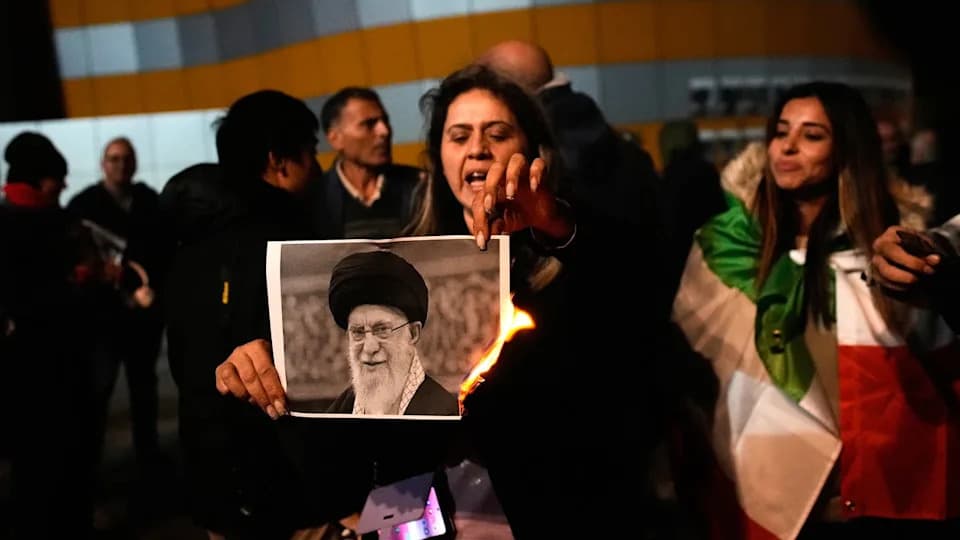
In this photo obtained by The Associated Press, a slogan is written on a wall reading in Farsi, "Death to dictator" during an anti-government protest in Tehran, Iran, Saturday, Jan. 10, 2026. (UGC via AP)(ASSOCIATED PRESS)
“I was not afraid for myself. I was afraid for others,” she said. “Armed agents stood over ER staff, telling them not to treat the wounded.”
She also described families who, when attempting to claim the bodies of relatives, were pressured to produce identification and accept state narratives about the victims’ affiliations; some relatives were reportedly detained in disputes over access to remains.
Government Response and International Context
Authorities have staged pro-government rallies and repeated that security forces acted to confront what they describe as violent instigators or foreign-backed saboteurs. The unrest coincided with ongoing international pressure: Iran suffered strikes attributed to Israeli and U.S. forces during a 12-day exchange in June, and Western-led sanctions have contributed to economic strain.
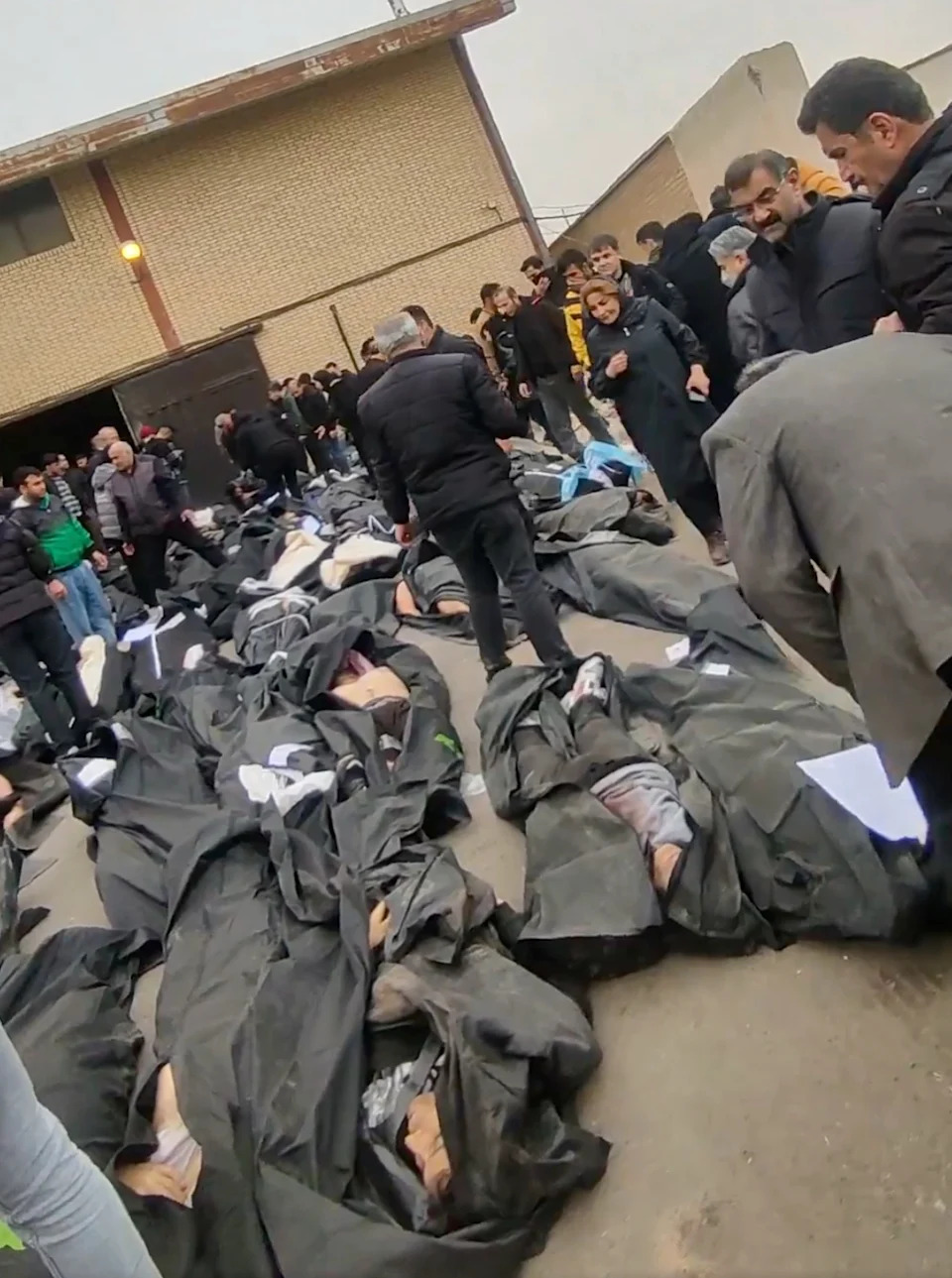
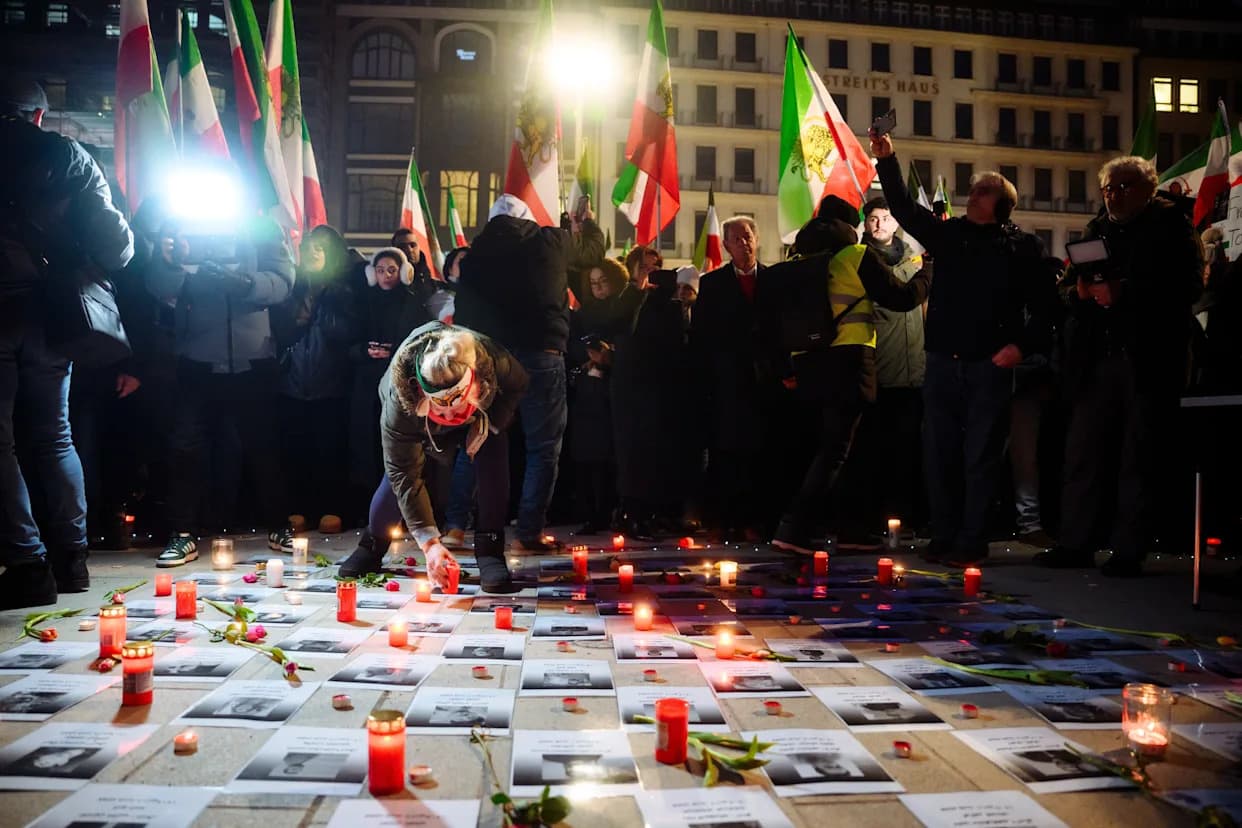
This frame grab from videos taken between Jan. 9 and Jan. 11, 2026, and circulating on social media purportedly shows images from a morgue with dozens of bodies and mourners after crackdown on the outskirts of Iran's capital, in Kahrizak, Tehran Province. (UGC via AP)(ASSOCIATED PRESS)
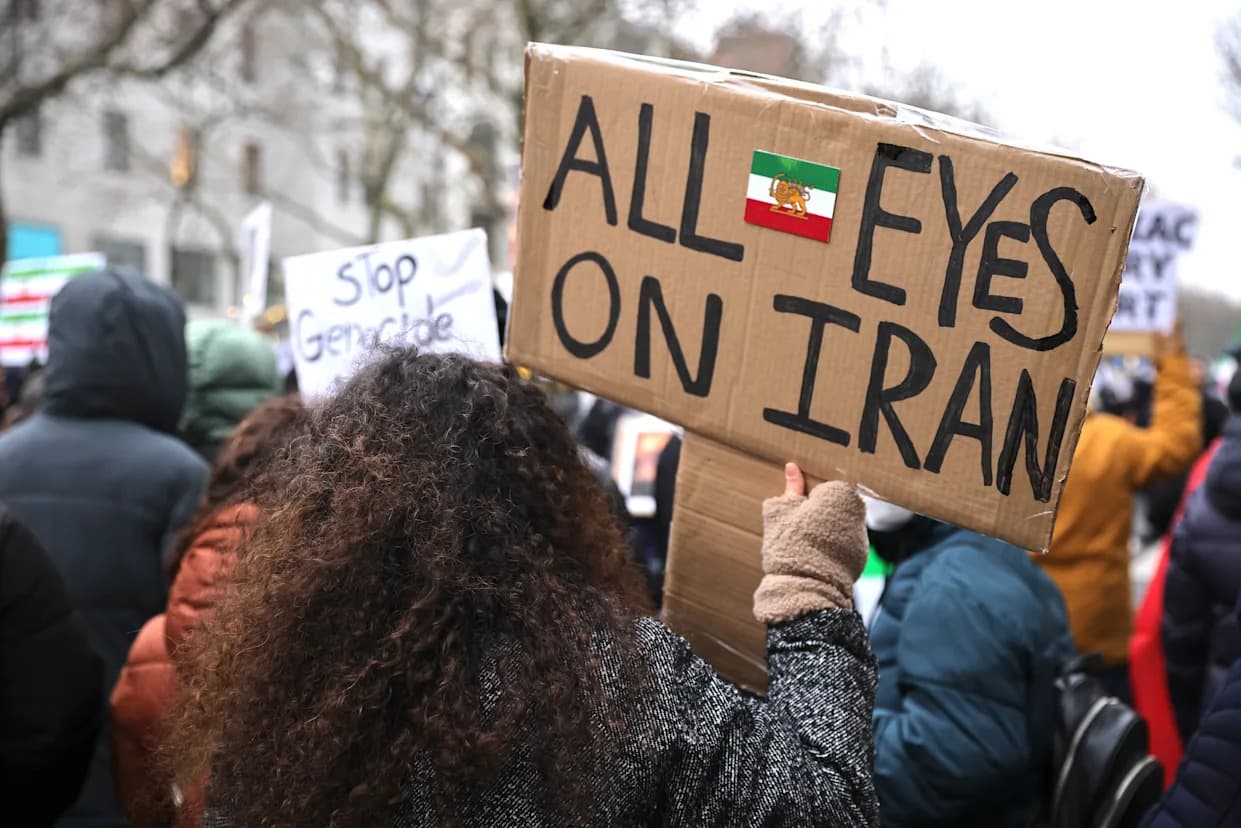
As protests cooled in some areas by late January, residents described heightened security on the streets: plainclothes agents on public squares, visible riot police, and a persistent climate of fear. Witnesses urged the international community not to look away.
Limitations and Verification
No set of interviews can fully represent a nation of Iran’s size and diversity. The accounts compiled by AP come from a small number of sources who requested anonymity for safety reasons and should be treated as first-person testimonies that illuminate—but do not prove—every detail about nationwide events. Independent verification is complicated by internet restrictions, arrests, and the seizure of communications equipment.
The witnesses’ stories, however, consistently describe: large, cross‑sectional crowds; heavy use of crowd-control munitions; overwhelmed medical facilities; restrictions on hospitals; and obstacles for families trying to recover bodies. These elements, combined with official statements and media reporting, point to a severe and far-reaching crackdown that has deepened domestic anger and international concern.
Help us improve.