The Sunday Times reviewed a doctors' report alleging that Iranian security forces killed at least 16,500 protesters and wounded more than 330,000 amid a sweeping crackdown. Doctors and fleeing eyewitnesses report sniper fire, mass shootings and systematic blinding with pellet guns, while a nationwide internet blackout and restricted hospital access have severely limited independent verification. Official counts from Iranian authorities differ, and opposition monitors report rising executions and detentions.
Doctors' Report Alleges 16,500 Killed in Iran Crackdown; Blackouts Hamper Verification
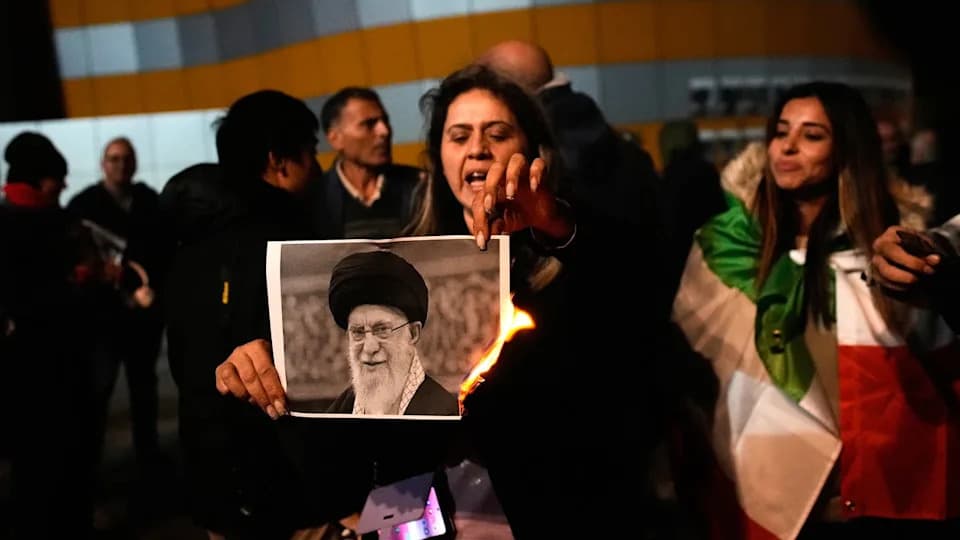
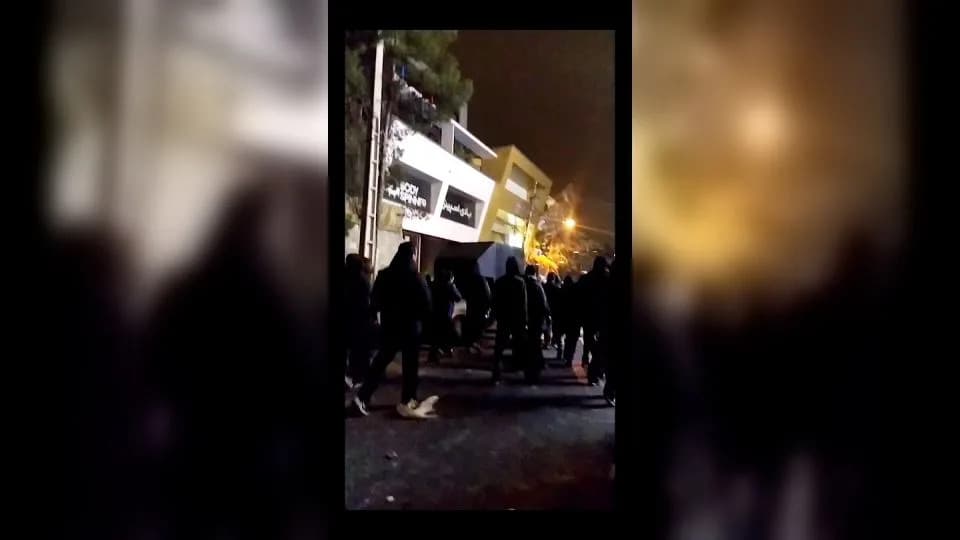
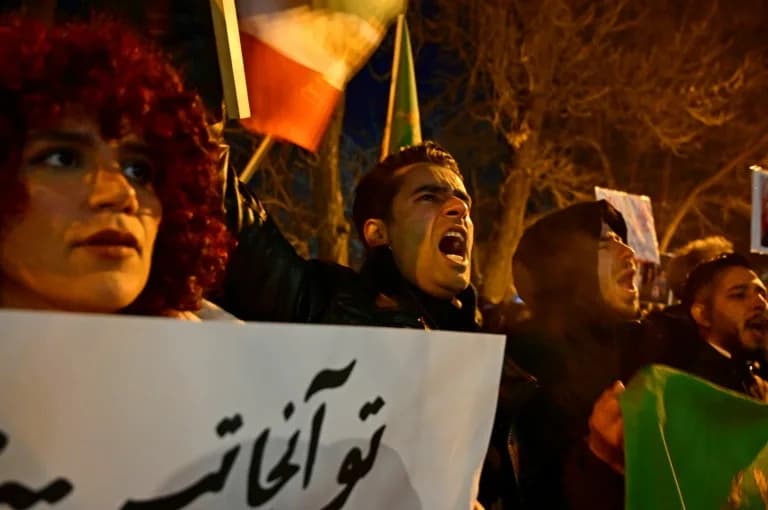
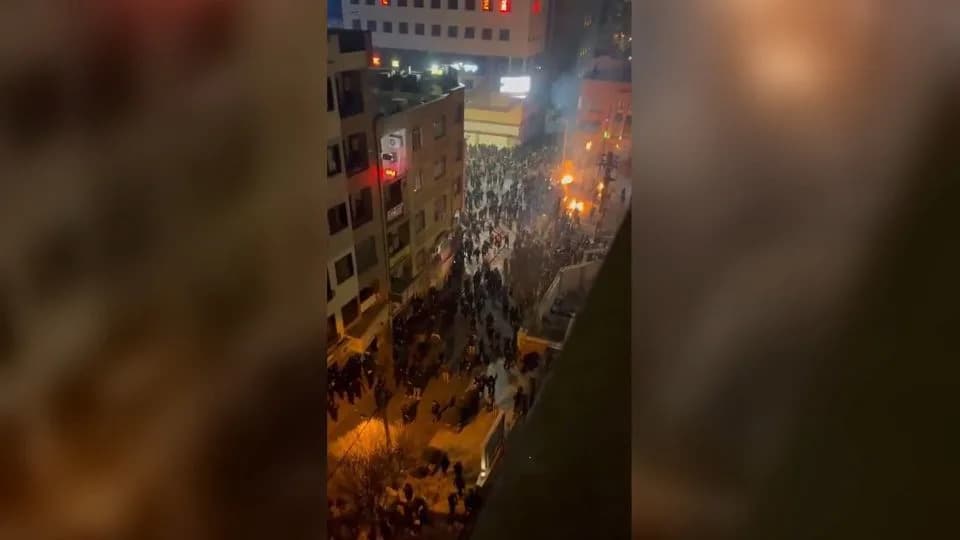
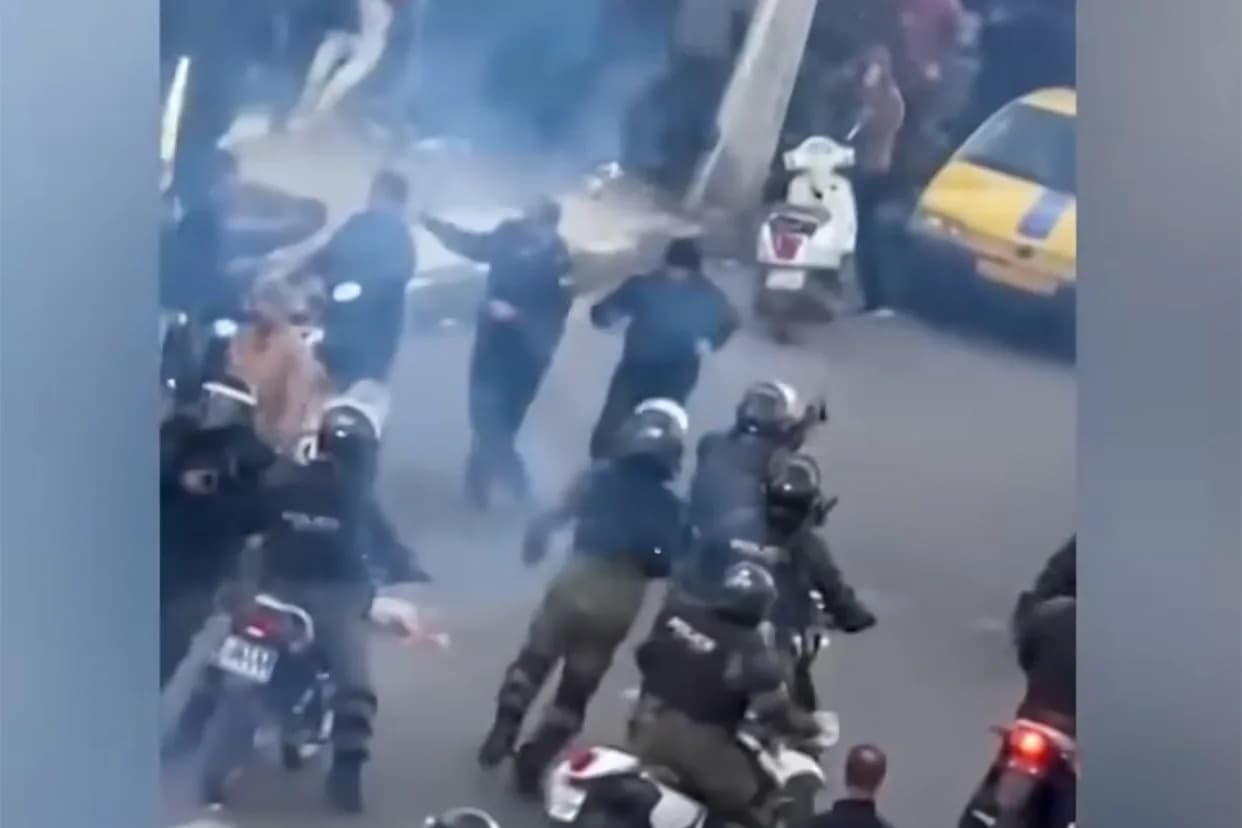
A report alleges that Iranian security forces have killed at least 16,500 protesters.(AP Newsroom)
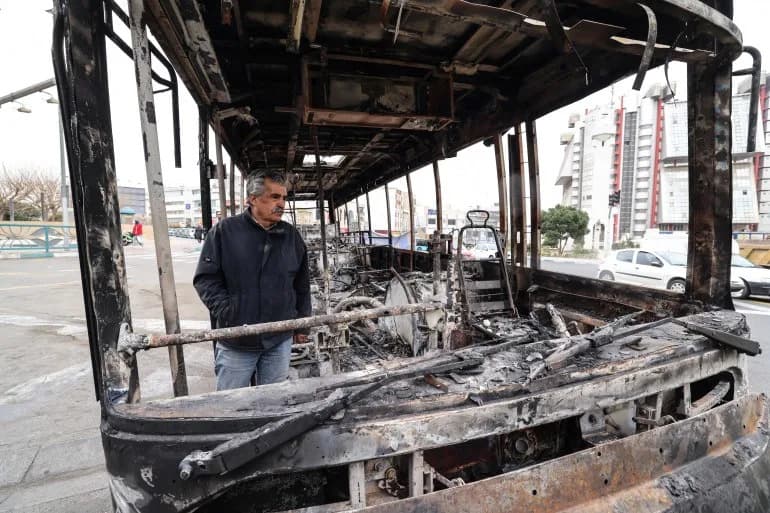
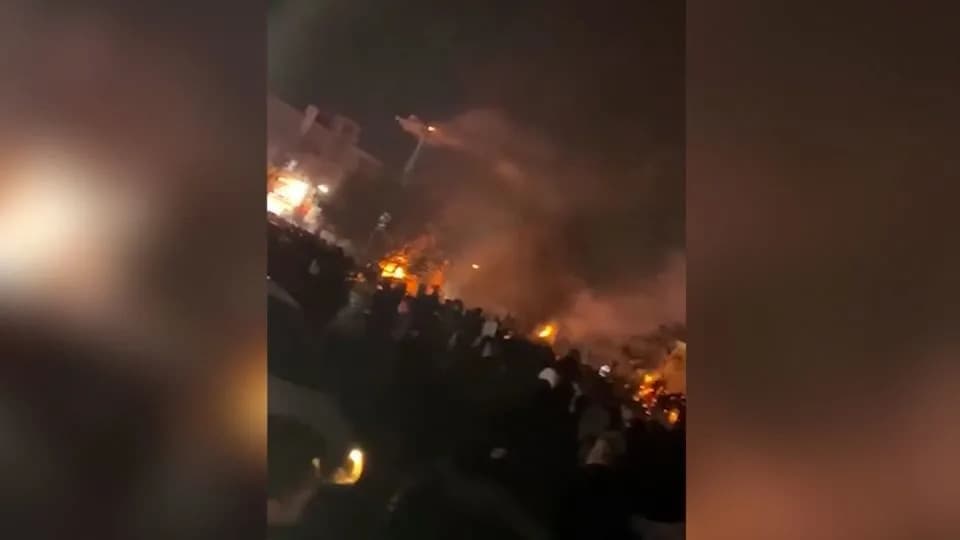
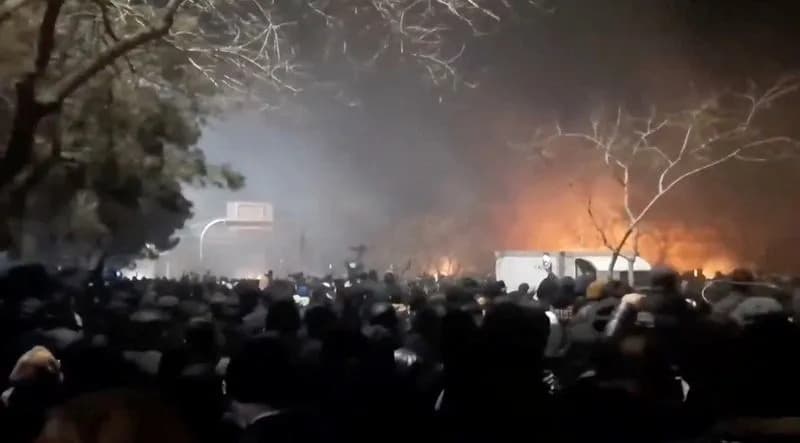
Iranian protest movements have experienced what doctors and witnesses describe as their deadliest period to date, as security forces carry out large-scale killings and executions in a crackdown that some observers label as genocide.
Details From The Report
A report compiled by medical personnel inside Iran and reviewed by The Sunday Times estimates that Iranian security forces have killed at least 16,500 protesters and wounded more than 330,000 people. The document characterises the campaign as an 'utter slaughter' and warns that the true toll is likely higher because access to hospitals is restricted and communications have been largely shut down.
Independent monitors and opposition groups provide differing tallies. Human Rights Activists News Agency (HRANA) reported that, by day 22 of the protests, 3,919 deaths had been verified, with another 8,949 deaths under investigation, 2,109 people recorded as severely injured and 24,669 detained. HRANA cautioned that these figures are likely understated due to an ongoing internet blackout.
Firsthand Accounts and Medical Evidence
Professor Amir Parasta, an Iranian-German eye surgeon and medical director at Munich MED, told The Sunday Times that doctors across Iran are 'shocked and crying' despite prior experience treating war injuries. He and other eyewitnesses described snipers aiming for protesters' heads, mass shootings and systematic blinding with pellet guns. One former resident reported doctors in the capital documenting more than 800 eye removals in a single night and estimated that nationwide blindness could exceed 8,000 cases.
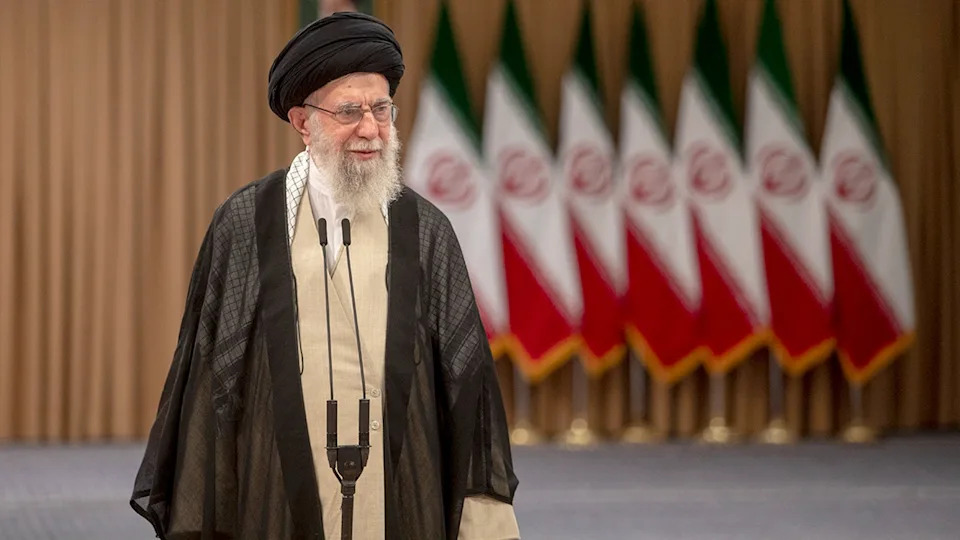
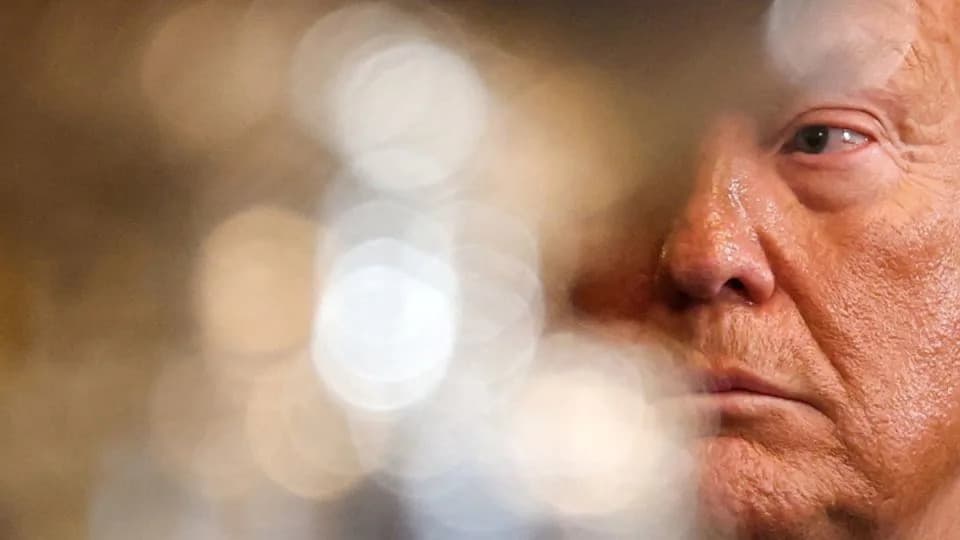
President Trump castigated Ayatollah Ali Khamenei over the weekend, calling him a "sick man."
'This is genocide under the cover of digital darkness,' Parasta said, noting that smuggled satellite terminals such as Starlink have become a rare means of communication since authorities cut internet access on Jan. 8.
Executions and Official Responses
Alongside reported street killings, executions have reportedly risen sharply. Ali Safavi, a senior official with the National Council of Resistance of Iran (NCRI), told Fox News Digital that 2,200 people were executed in 2025 and that 153 people were hanged in the first 18 days of January 2026. Safavi said NCRI data indicate multiple executions are occurring hourly, although these figures are provided by opposition sources and are difficult to independently verify under current conditions.
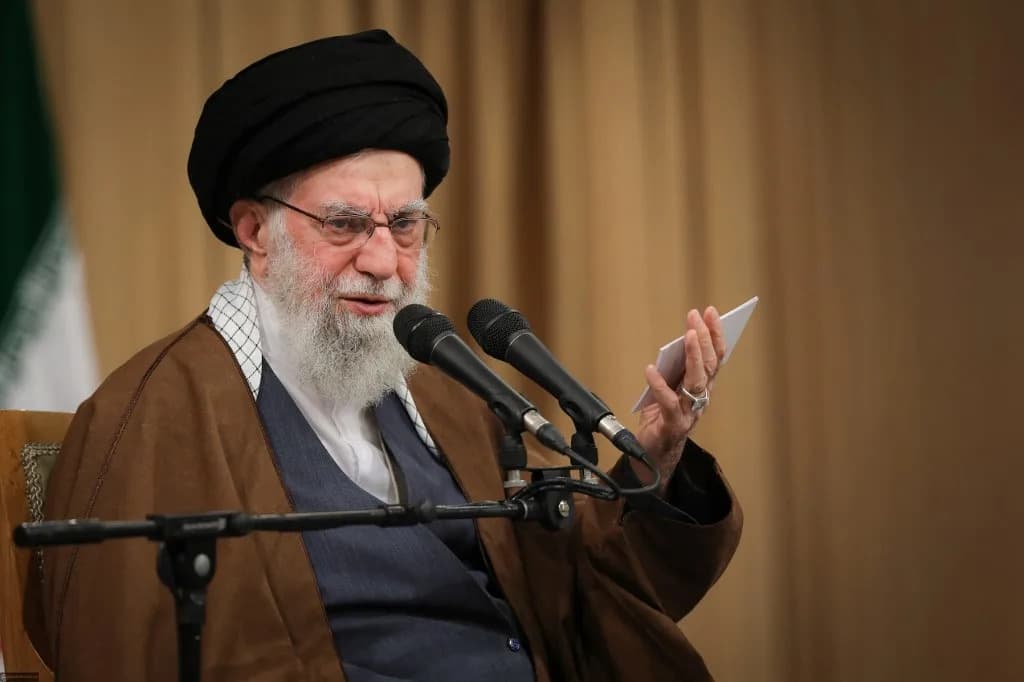
Iran's Supreme Leader, Ayatollah Ali Khamenei, acknowledged on Sunday that 'several thousands' have been killed since protests began on Dec. 28 but blamed demonstrators and described them as 'foot-soldiers of the U.S.' Iran's foreign minister, Abbas Araghchi, disputed higher death tolls in media interviews, saying fatalities numbered in the hundreds and dismissing larger estimates as misinformation.
International Reaction
International and exiled figures have sharply criticized Tehran's response. Former U.S. President Donald Trump condemned Khamenei and called for new leadership, while G7 officials and human rights groups have threatened additional scrutiny and sanctions as evidence of large-scale abuses mounts.
Verification Challenges
Verification of casualty figures remains extremely difficult. Widespread internet shutdowns, restricted hospital access, and the contested nature of data from opposition groups and state sources mean reported numbers vary widely. Independent confirmation from international observers is limited at present.
As investigations continue, the reported scale of killings, injuries and blindness — together with allegations of mass executions — have intensified global concern about human rights abuses in Iran.
Help us improve.