Human rights monitors say more than 500 people have died in two weeks of protests across Iran, with HRANA reporting 490 protesters and 48 security personnel killed and over 10,600 arrests. The demonstrations began on December 28 over rising prices and have expanded into a broad challenge to the clerical establishment. Tehran warned it could target U.S. bases and Israel if attacked, while U.S. officials were reported to be considering military, cyber and sanctions responses. An internet blackout has hampered reporting, though verified footage shows large crowds and clashes in multiple cities.
Rights Group: Iran Protests Kill Over 500 as Tehran Threatens U.S. Bases and Israel
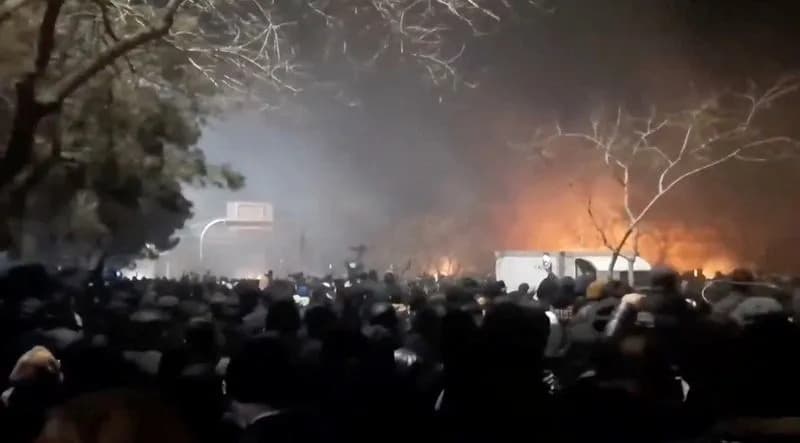
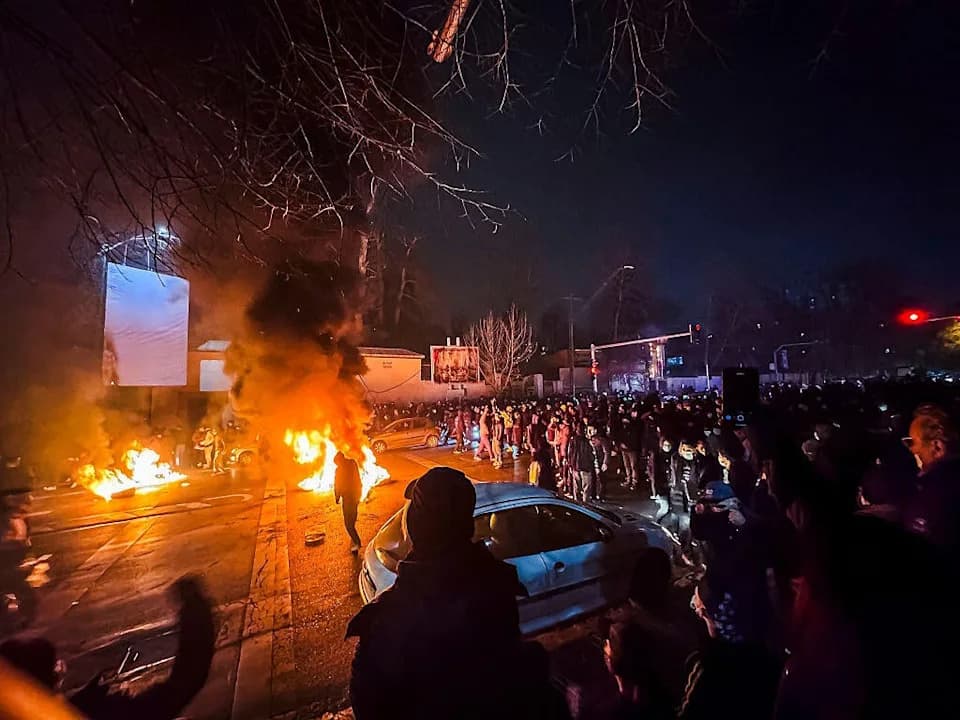
Smoke rises as protesters gather amid evolving anti-government unrest at Vakilabad highway in Mashhad, Razavi Khorasan province, Iran, released on January 10, 2026, in this screen grab obtained from a social media video. SOCIAL MEDIA/via REUTERS
DUBAI/JERUSALEM, Jan 11 (Reuters) - Unrest across Iran has claimed more than 500 lives, a U.S.-based rights group reported on Sunday, as Tehran warned it could strike U.S. military bases and Israel if Washington intervenes on behalf of protesters.
Human rights group HRANA, which compiles verified figures from activists inside and outside Iran, said it had confirmed the deaths of 490 protesters and 48 security personnel, and recorded more than 10,600 arrests in two weeks of unrest. Iran has not released an official toll, and Reuters was unable to independently confirm the numbers.
What Sparked the Protests
The demonstrations began on December 28 over soaring prices and economic hardship, but quickly broadened to challenge the clerical establishment that has governed since the 1979 Islamic Revolution. The unrest represents the largest wave of public protests Iran has seen since 2022.
Escalating Rhetoric and Threats
Iranian Parliament Speaker Mohammad Baqer Qalibaf, a former commander in the Islamic Revolutionary Guard Corps, warned Washington against what he called a miscalculation. He said that in the event of an attack on Iran, Israel and all U.S. bases and ships would be legitimate targets.
Mohammad Baqer Qalibaf: 'In case of an attack on Iran, the occupied territories as well as all U.S. bases and ships will be our legitimate target.'
International Responses and U.S. Options
The Wall Street Journal reported that U.S. officials planned to brief President Donald Trump on options including limited military strikes, covert cyber operations, expanded sanctions, and online support for anti-government actors. President Trump posted on social media that the US stands ready to help.
Crackdown, Censorship and On-the-Ground Reporting
Iranian authorities have intensified their response and called for nationwide rallies condemning what state media described as terrorist actions led by the United States and Israel. An internet blackout since Thursday has severely curtailed the flow of information from inside the country.
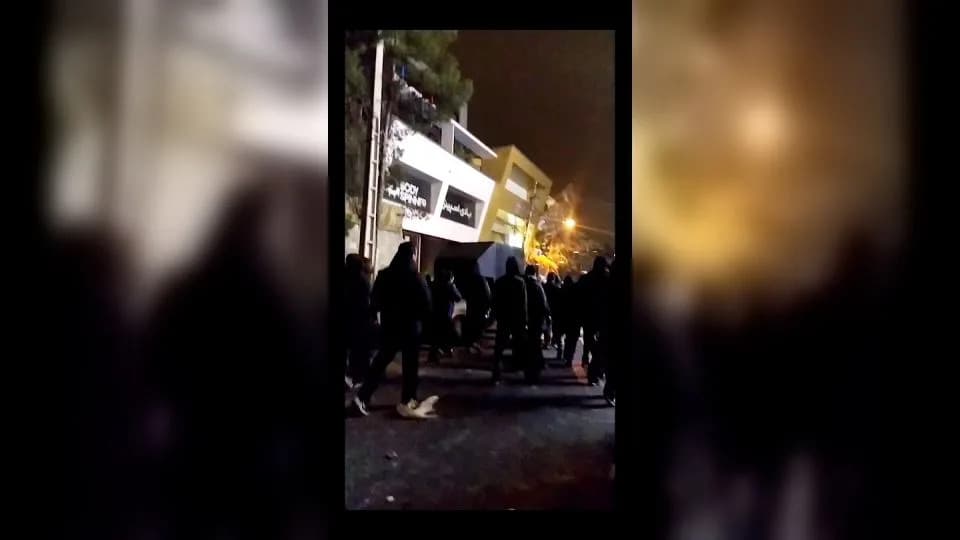
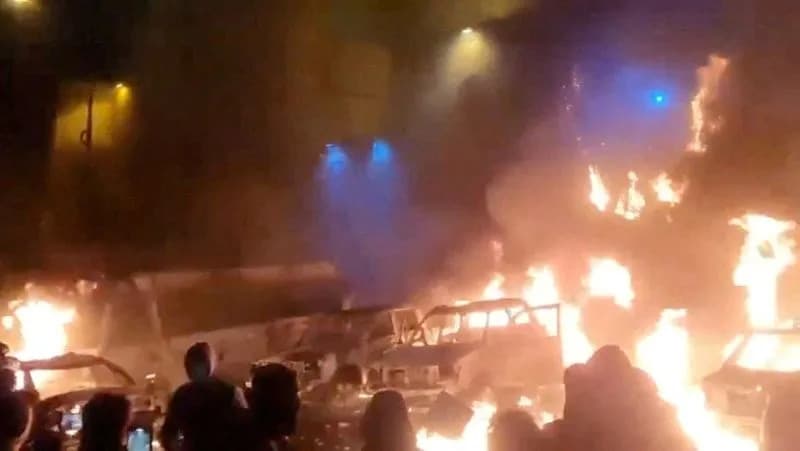
Despite restrictions, social media footage verified by Reuters showed large, chanting crowds in Tehran and scenes of fires, masked demonstrators and debris in Mashhad, with explosions audible in some clips. State television broadcast images of dozens of body bags at a Tehran coroner's office and footage of relatives at the Kahrizak Forensic Medical Centre identifying bodies.
Regional Tensions
Israeli sources said the country moved to high alert amid concerns about possible U.S. intervention. An Israeli military official described the protests as internal but said the military was monitoring developments and prepared to respond if necessary. Relations between Israel and Iran have been volatile, including a 12-day confrontation last June that briefly involved U.S. strikes on Iranian targets.
Voices and Analysis
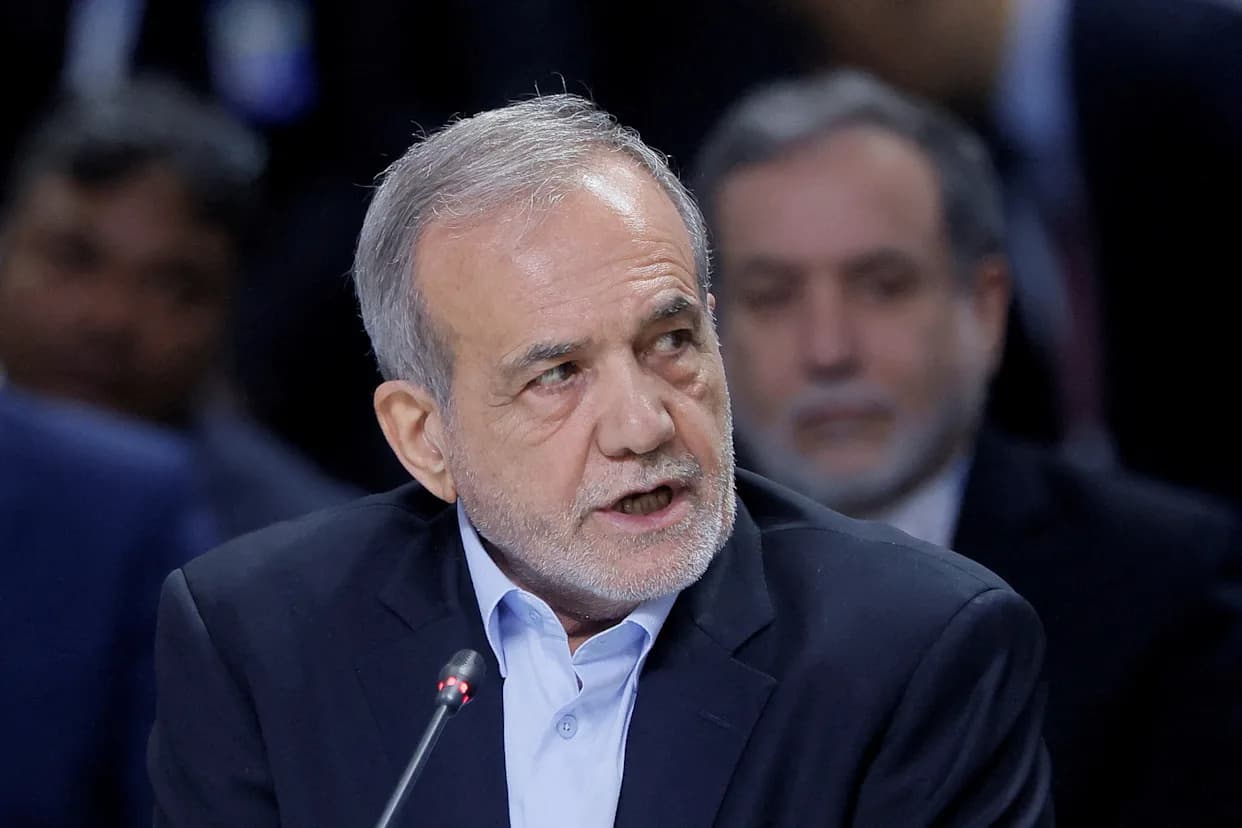
Iranian President Masoud Pezeshkian accused foreign adversaries of fomenting unrest, denouncing demonstrators he described as rioters and terrorists and urging families to keep young people off the streets while pledging to address economic grievances. Exiled opposition figures urged protesters to remain in the streets.
Alan Eyre, a former U.S. diplomat and Iran specialist, told Reuters he thought it unlikely the protests would topple the clerical establishment, but predicted the authorities might eventually suppress the unrest and emerge politically weakened.
Reporting: Parisa Hafezi, Rami Ayyub and Maayan Lubell. Additional reporting by contributors in Dubai and Jerusalem. Video verification and editing credits as noted by Reuters.
Help us improve.