Two weeks of protests in Iran, sparked by economic collapse and steep inflation, have spread to roughly 185 cities and numerous university campuses. Human-rights monitors report more than 2,600 arrests and about 116 deaths, with many casualties from live rounds or close-range pellet fire. The government has restricted communications, offered limited relief measures, and alternated between threats and conciliatory language. International statements — including warnings from U.S. President Donald Trump — have complicated the situation and may affect both protesters and authorities.
What to Know About Iran’s Largest Anti‑Government Protests in Years
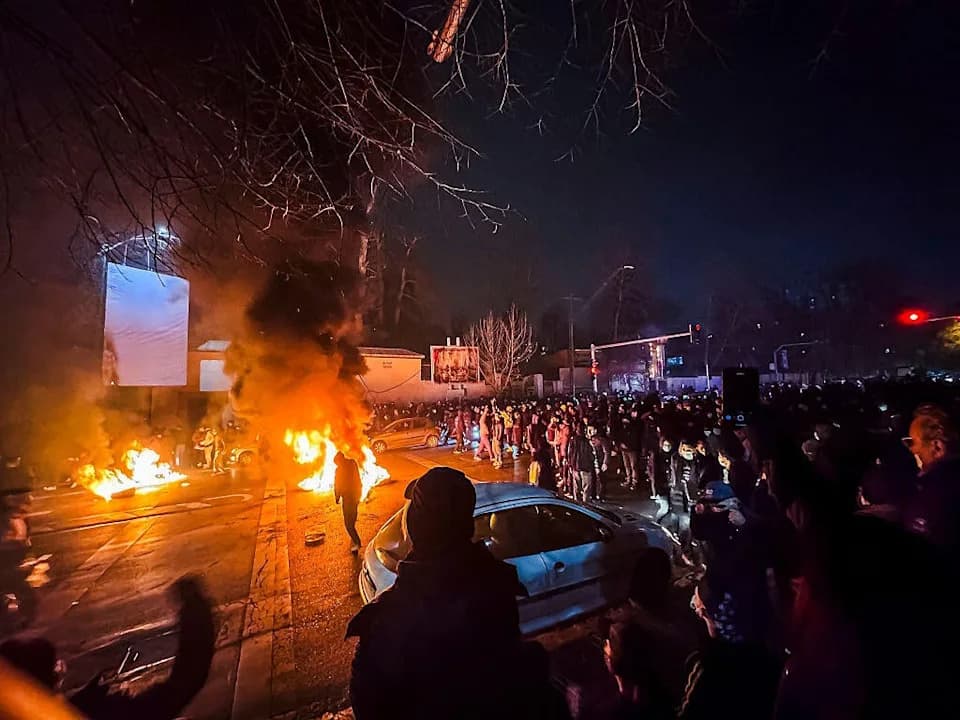
Iranians gather while blocking a street during a protest in Tehran, Iran, on Jan. 9, 2026. / Credit: MAHSA / Middle East Images /AFP via Getty Images
Iran has been shaken by two weeks of widespread protests that began amid a collapsing economy and soaring inflation. Demonstrations that started in late December in Tehran have spread across the country — to cities, markets and university campuses — and prompted a forceful domestic response and repeated warnings of foreign intervention.
How the Protests Began and What They Have Become
The unrest began in late December when Tehran shopkeepers staged strikes and marched in the streets. Small-business owners, long viewed as a stabilizing social group, have been driven to protest by sharp price rises and the rapid devaluation of the rial, which reportedly lost more than 40% of its value in the past year. What began as economic protest quickly broadened into public expressions of political discontent with Iran’s hardline leadership.
Geographic Spread and Public Mobilization
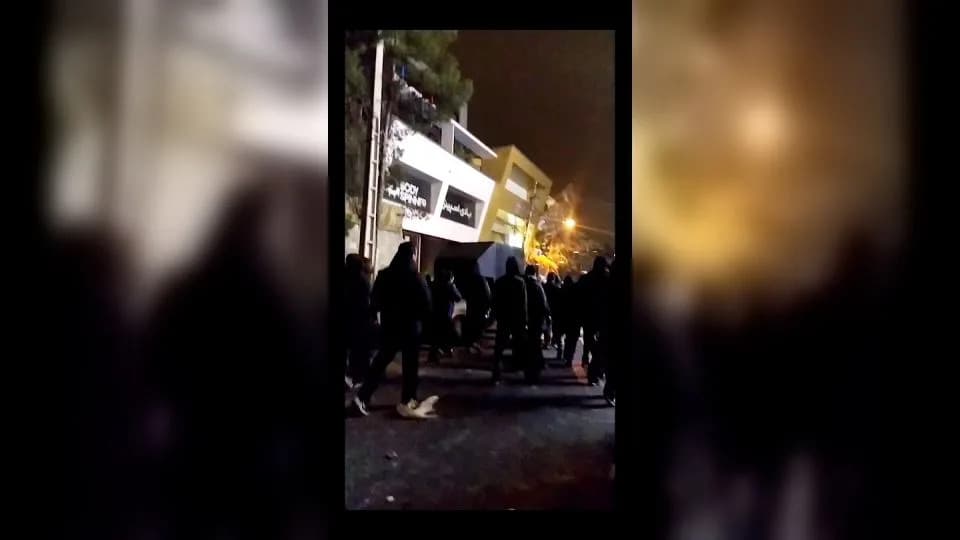
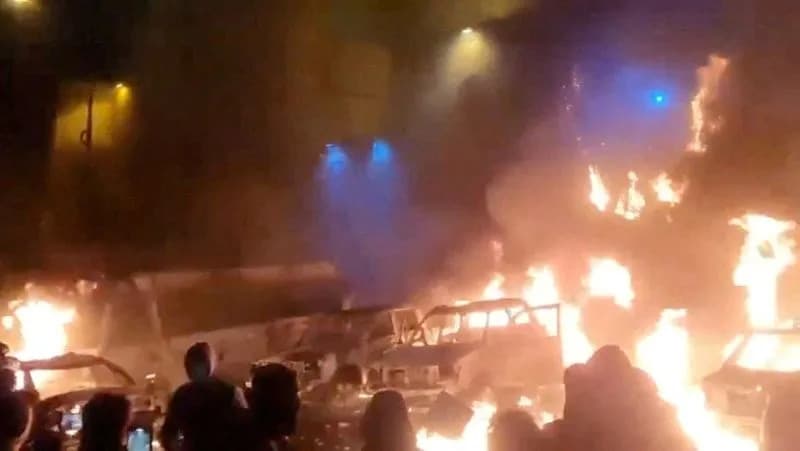
Monitoring groups and observers say demonstrations have appeared in scores of cities. The U.S.-based Human Rights Activists News Agency (HRANA) reported protests in roughly 185 cities across all 31 provinces, with mobilizations on dozens of university campuses and market strikes in multiple cities. Nightly videos on social media have shown large crowds chanting anti-government slogans and, in some cases, clashing with security forces.
State Response, Casualties and Communications Blackouts
HRANA has documented more than 2,600 arrests since the unrest began, including at least 167 minors, and reported roughly 116 deaths, including members of the security forces. The group says many fatalities resulted from live ammunition or close-range pellet fire.
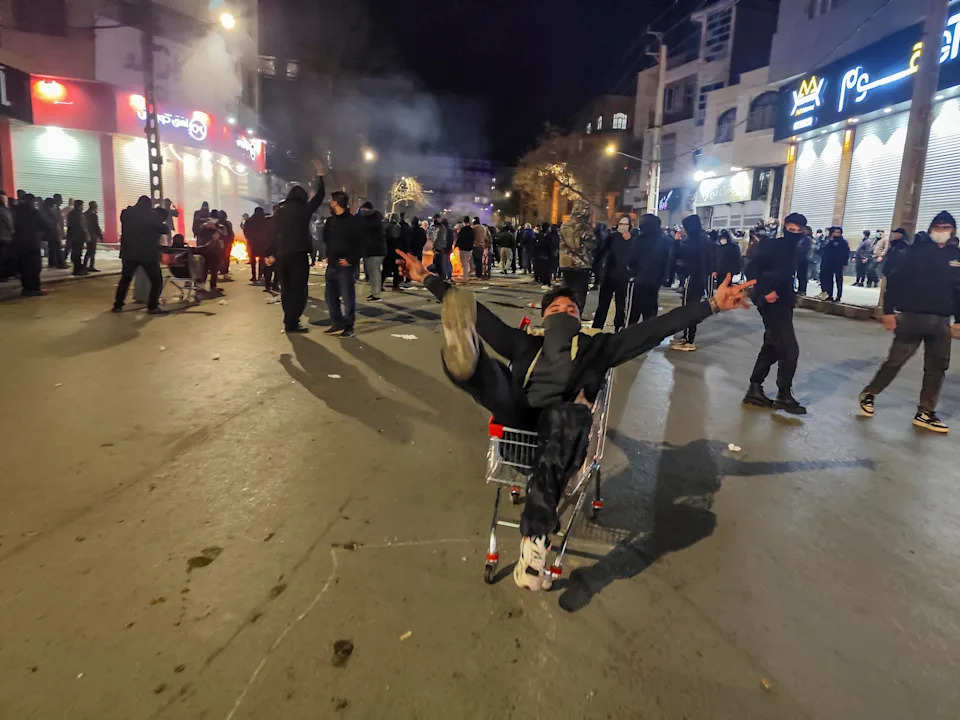
Iranian protesters block a street in Kermanshah, Iran, on Jan. 8, 2026, as nationwide protests continue. / Credit: Kamran/Middle East Images/AFP via Getty
Authorities have also restricted communications. The internet-monitoring group NetBlocks reported significant nationwide restrictions beginning Jan. 8 and said connectivity remained extremely low into Jan. 11. Activists and journalists have reported attempts to jam satellite internet services such as Starlink in some areas.
Iranian officials have used strong rhetoric toward protesters. On Jan. 10 Iran’s attorney general warned that protesters could be labeled an "enemy of God," a designation that carries severe legal penalties. Officials also reported dozens of security personnel injured in clashes.
International Reaction and U.S. Statements
U.S. President Donald Trump publicly warned that Washington was prepared to act if Iranian security forces killed protesters. In posts on Truth Social and in White House remarks, he said the United States would be "locked and loaded" to respond in ways short of a ground invasion if Iranian forces used lethal force against demonstrators.
"If they start killing people like they have in the past, we will get involved... We'll be hitting them very hard where it hurts."
Analysts warn such outside gestures can have complex effects: they may encourage protesters while also heightening the regime’s fear of foreign interference. Reports of broader U.S. operations circulating online have been inconsistent; such claims should be treated with caution unless independently verified.
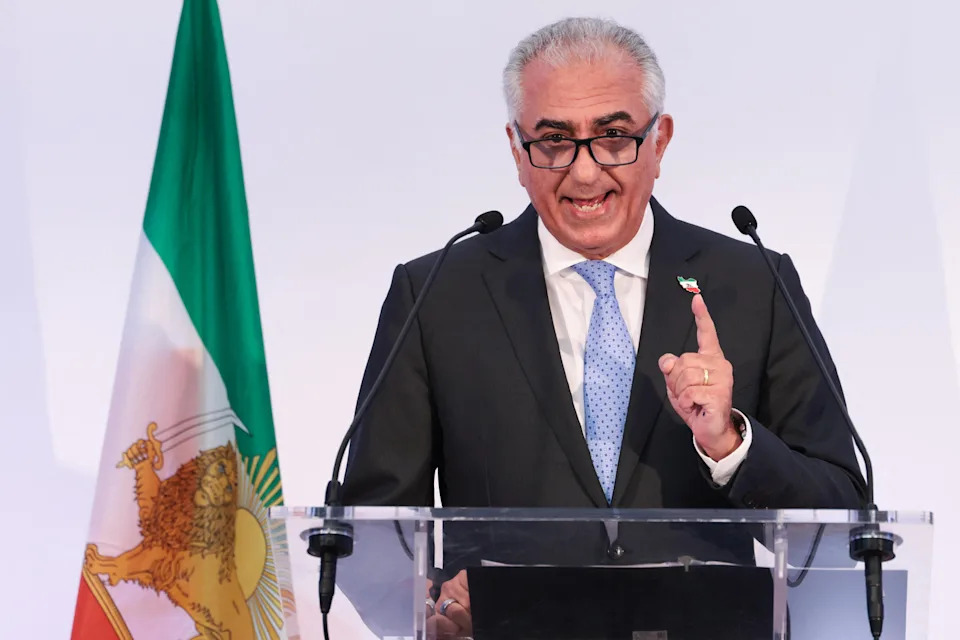
Iranian opposition figure and son of the last shah of Iran, Mohammad Reza Pahlavi, Reza Pahlavi, holds a press conference in Paris on June 23, 2025. / Credit: JOEL SAGET/AFP via Getty Images
Domestic Politics and Government Measures
Iran’s leaders have offered mixed messages. Supreme Leader Ayatollah Ali Khamenei has denounced what he called attempts to foment chaos and accused foreign powers of interference, while some officials have acknowledged economic grievances and affirmed the right to peaceful protest. The government announced modest relief measures, including small grocery stipends for low-income families, and President Masoud Pezeshkian reportedly urged security forces not to crack down on peaceful demonstrators.
How These Protests Compare to Earlier Movements
Large protests and severe crackdowns are familiar in Iran’s recent history, including the mass unrest after Mahsa Amini’s death in 2022 and earlier waves in 2019, 2017 and 2009. Observers say the current protests are distinct because they are rooted primarily in economic distress: geographically widespread but in many places smaller in scale than 2022, they have nonetheless reached cities that previously remained quiet. Experts note that economic grievances and questions of dignity may be harder for the regime to address quickly than past social-policy grievances.
Opposition Voices in Exile
Exiled figures, including Crown Prince Reza Pahlavi, have publicly encouraged protesters and called for coordinated actions. While exiled calls can galvanize segments of the movement, analysts caution that the trajectory of the unrest will depend heavily on how security forces respond and whether elements within them refuse orders to use lethal force.
What to Watch Next
- Trends in internet access and independent reporting from within Iran.
- Credible, corroborated casualty and arrest figures from human-rights monitors.
- The response of Iran’s security forces and any signs of fragmentation or restraint within those ranks.
- International diplomatic reactions and whether outside statements translate into concrete measures.
Sources: Human Rights Activists News Agency (HRANA), NetBlocks, IranWire, public statements and reporting from multiple news organizations. Some claims circulating online remain unverified; we have omitted or flagged reports that lack reliable corroboration.
Help us improve.