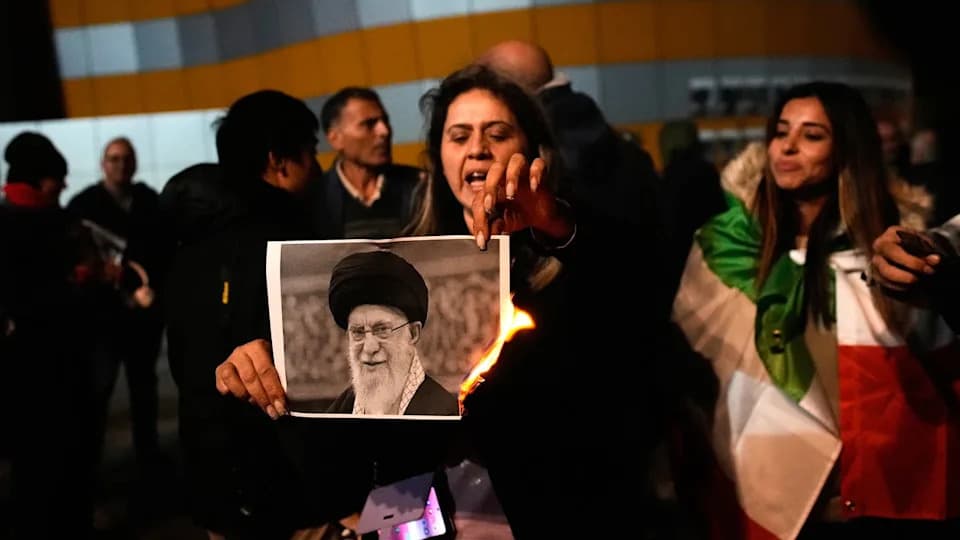
Health Ministry sources told TIME that as many as 30,000 people may have been killed during the Jan. 8–9 crackdown in Iran, a figure echoed by a hospital compilation of 30,304 deaths. Those counts exclude military-hospital cases and areas investigators could not reach. Experts warn the totals are difficult to verify amid internet blackouts and restricted access, and investigators say the real toll may be higher. Protests that began Dec. 28 over economic grievances and calls for regime change preceded the violence.
Iran Crackdown May Have Killed Over 30,000 in Two Days, Health Officials Tell TIME
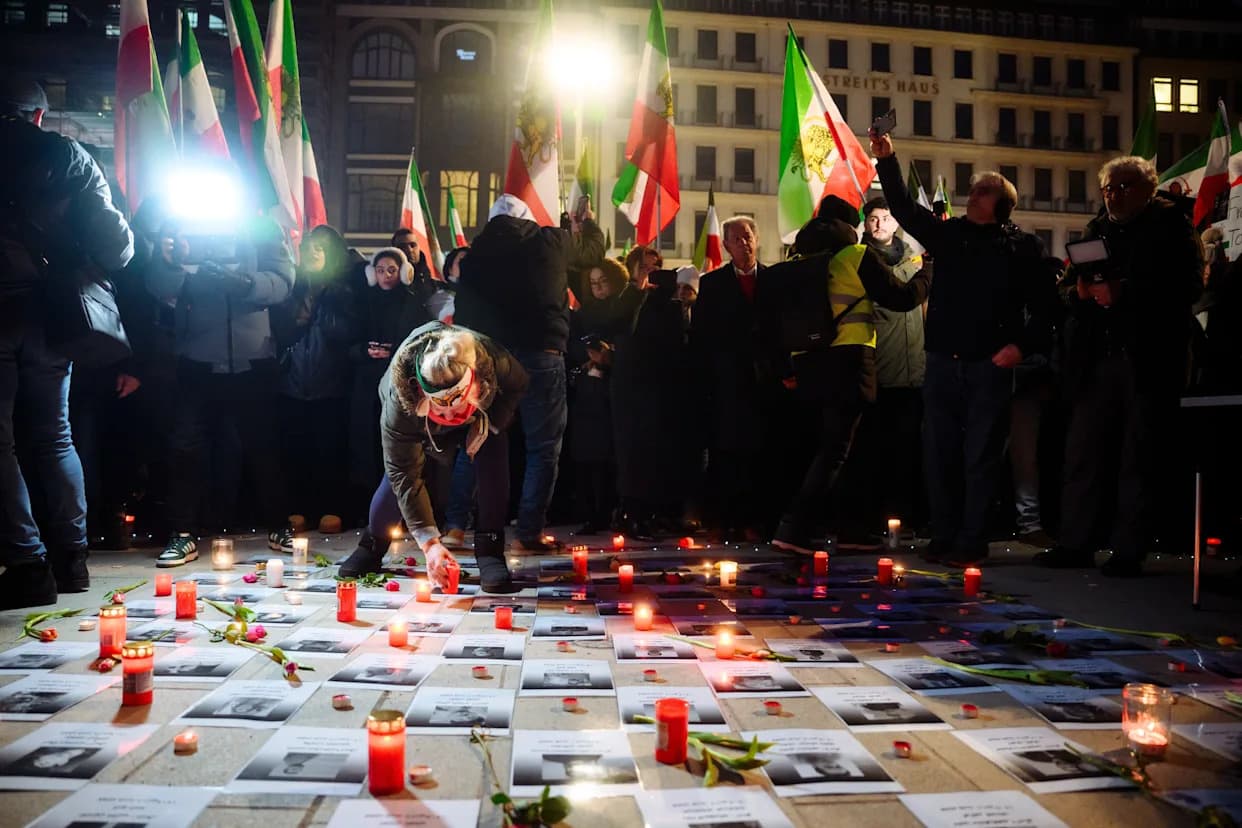
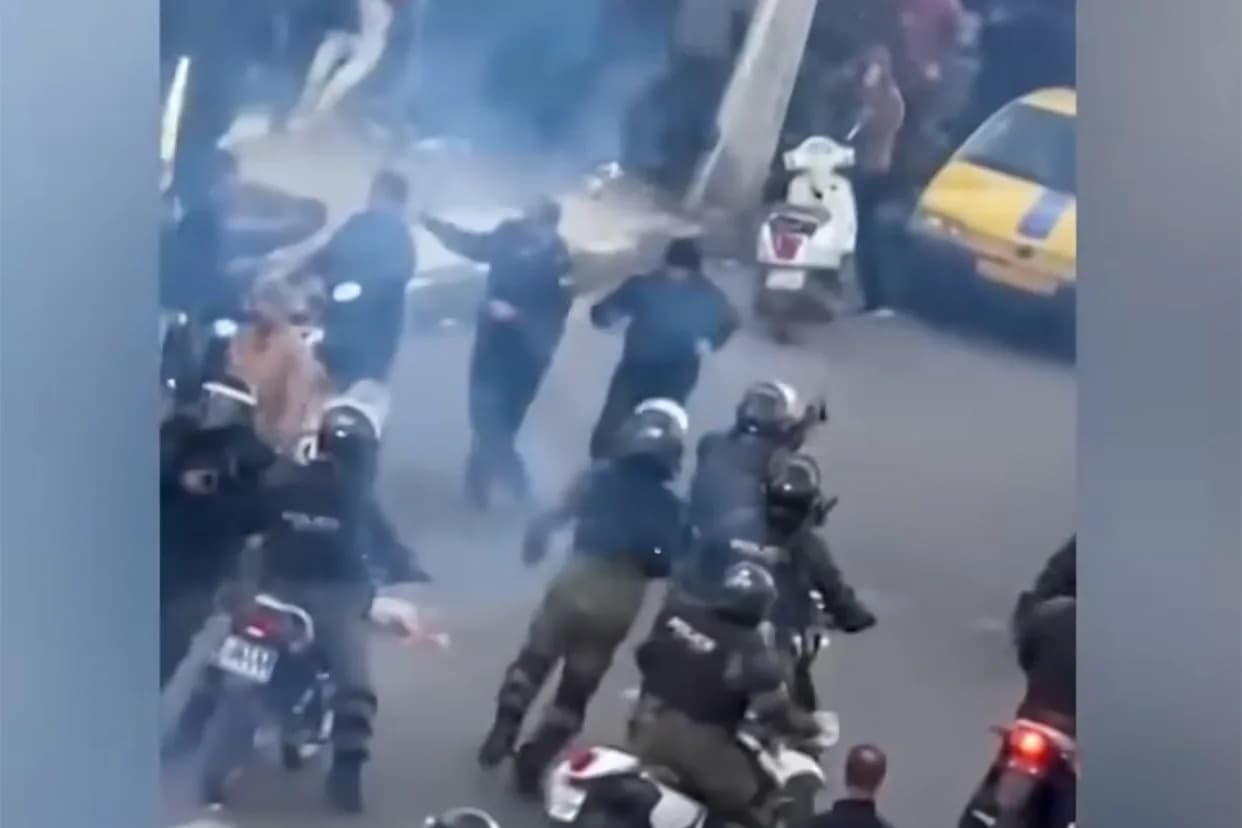
Two senior officials in Iran's Health Ministry told TIME that as many as 30,000 people may have been killed in nationwide street crackdowns on Jan. 8–9 — a surge that, they say, overwhelmed the state’s capacity to manage and transport the dead. Officials described exhausted body-bag supplies and use of large semi-trailers in place of ambulances.
The ministry's undisclosed two-day internal tally far exceeds the 3,117 fatalities reported on Jan. 21 by hardline regime sources close to Iran's Supreme Leader, Ali Khamenei. It also surpasses investigative counts compiled by activists: the U.S.-based Human Rights Activists News Agency (HRANA) reported 5,459 confirmed deaths and said it was investigating 17,031 additional possible deaths. TIME has not been able to independently verify these figures.
Hospital Records And Limits Of Verification
A separate compilation of hospital records prepared by Dr. Amir Parasta — a German-Iranian eye surgeon who shared a report with TIME — recorded 30,304 deaths as of Friday. Dr. Parasta cautioned that his count excludes protest-related deaths registered at military hospitals (whose casualties were reportedly taken directly to morgues) and deaths in areas investigators could not access. Iran's National Security Council says protests occurred in roughly 4,000 locations nationwide.
Experts Urge Caution, But Note The Scale
Public-health and conflict researchers welcomed the effort to collate records under difficult conditions but warned about extrapolating from incomplete data. Paul B. Spiegel of Johns Hopkins praised the rapid compilation while urging restraint in drawing definitive totals. Les Roberts of Columbia, an expert in the epidemiology of violent death, said the documented deaths are likely an underestimate and noted that spikes of this magnitude in a short span are historically rare outside of mass-extermination events or intense urban bombardments.
“We are getting closer to reality,” Dr. Parasta told TIME. “But I guess the real figures are still way higher.”
Eyewitness Accounts And Tactics Reported
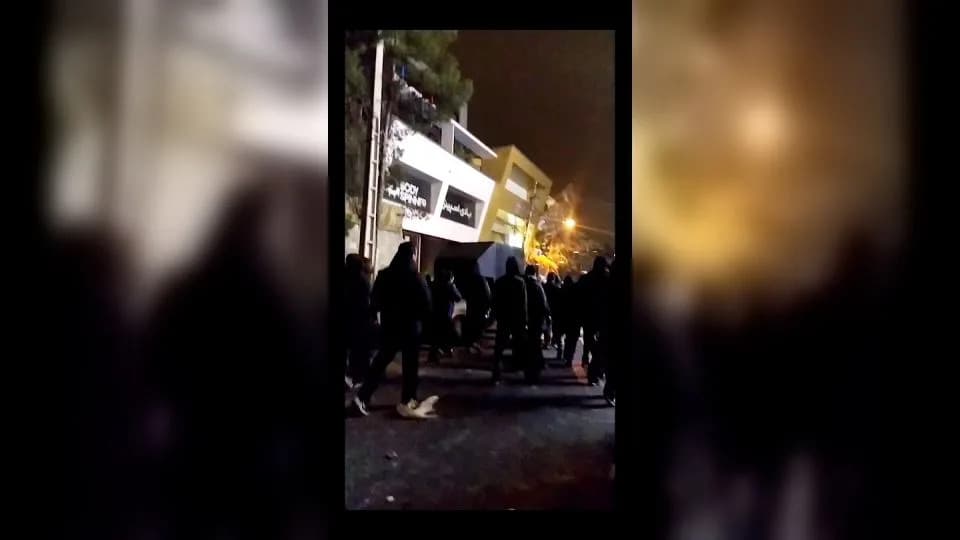
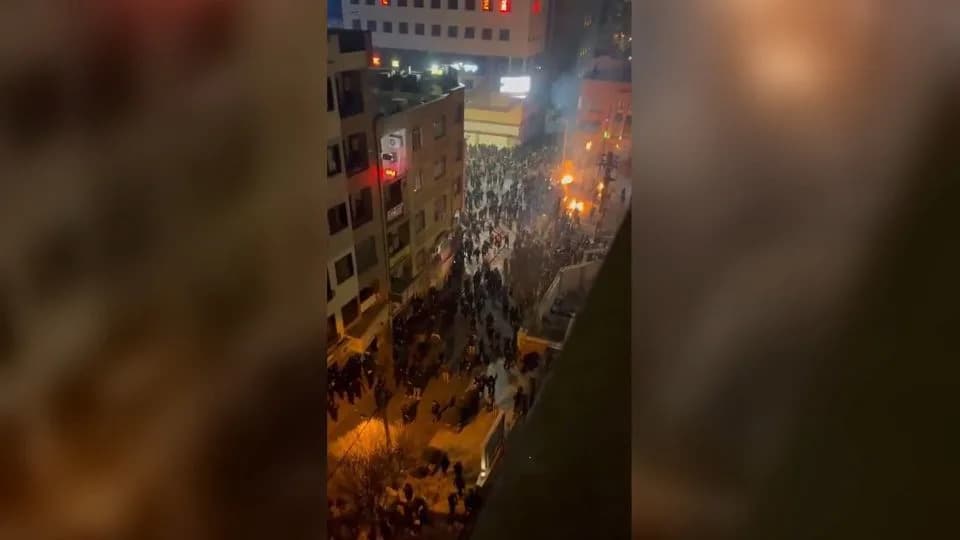
Witnesses and smuggled cellphone footage describe rooftop snipers and trucks mounted with heavy machine guns opening fire after authorities shut down internet and communications. Those blackouts complicated counting and reporting: graphic images and updates circulated gradually via illicit satellite connections. One IRGC official warned on state television on Jan. 9 that anyone entering the streets should not complain "if ... a bullet hits you."
Historical Comparisons And Human Cost
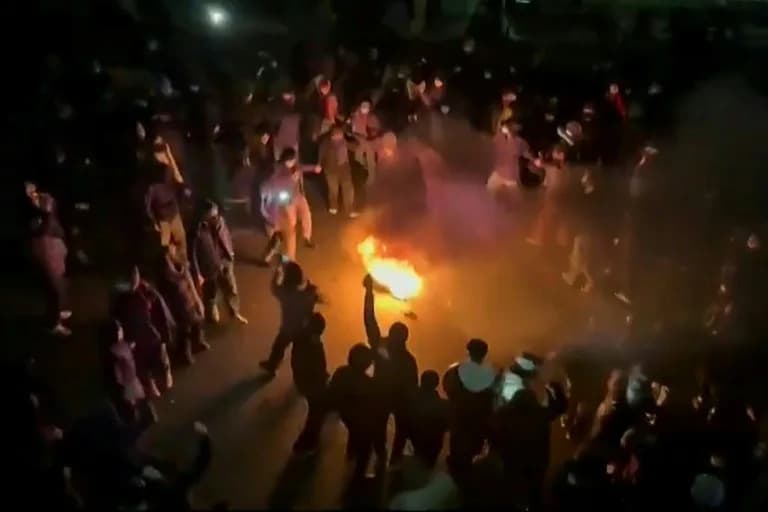
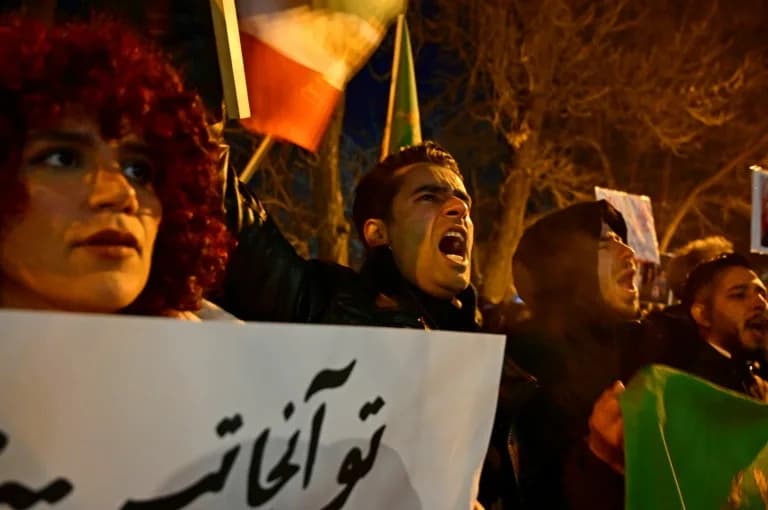
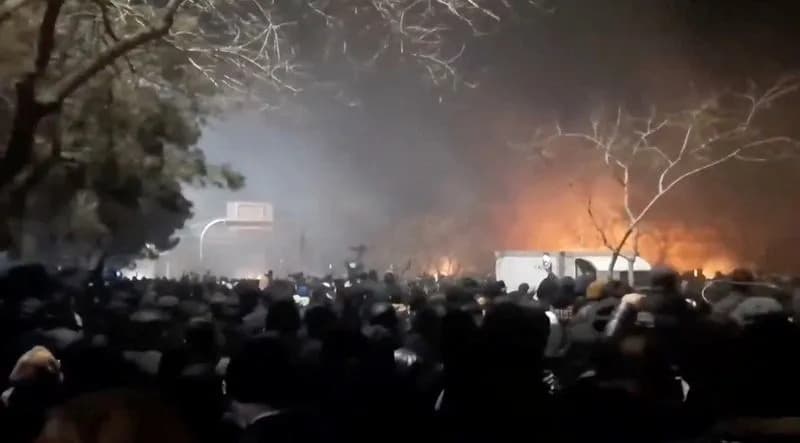
Scholars compared the scale and rapidity of the reported killings to few modern precedents; some online death databases returned only extreme historical parallels, including the 1941 Babyn Yar massacre near Kyiv. The events in Iran unfolded after weeks of nationwide protests that began on Dec. 28 over economic hardship and expanded into calls for regime change.
Personal Story
The human toll can be seen in individual losses. On Jan. 9 in Isfahan, 23-year-old aspiring animator Sahba Rashtian collapsed in the street and later died on an operating table. A friend said her burial was constrained by authorities; her father, reportedly dressed in white, called her death "a martyrdom on the path to freedom."
Ongoing Uncertainty
Conflicting tallies — from ministry insiders, hospital compilations, activist lists and public regime statements — illustrate both the reported scale of violence and the difficulty of arriving at a definitive count while access and communications remain constrained. Independent verification by international observers was still limited at the time of reporting, and organizations continue to collect and cross-check records.
What to Watch
Authorities, rights groups and international bodies continue to compile casualty lists and investigate specific allegations of abuses. Verification efforts will depend on restored communications, access to hospitals and morgues, and cross-referencing of hospital, civil and activist records.
Help us improve.