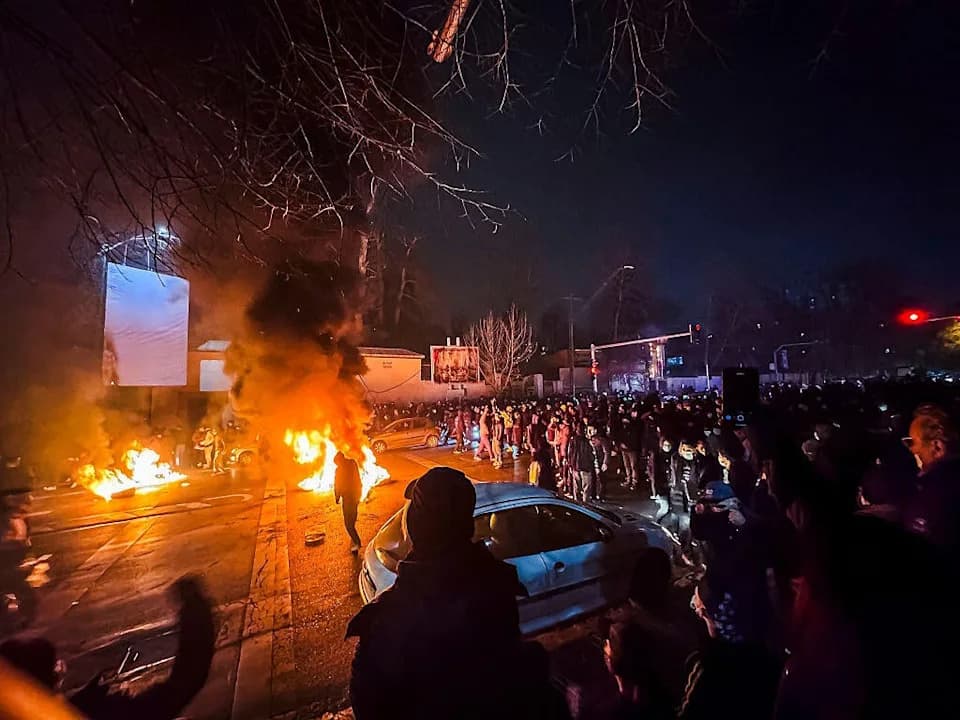
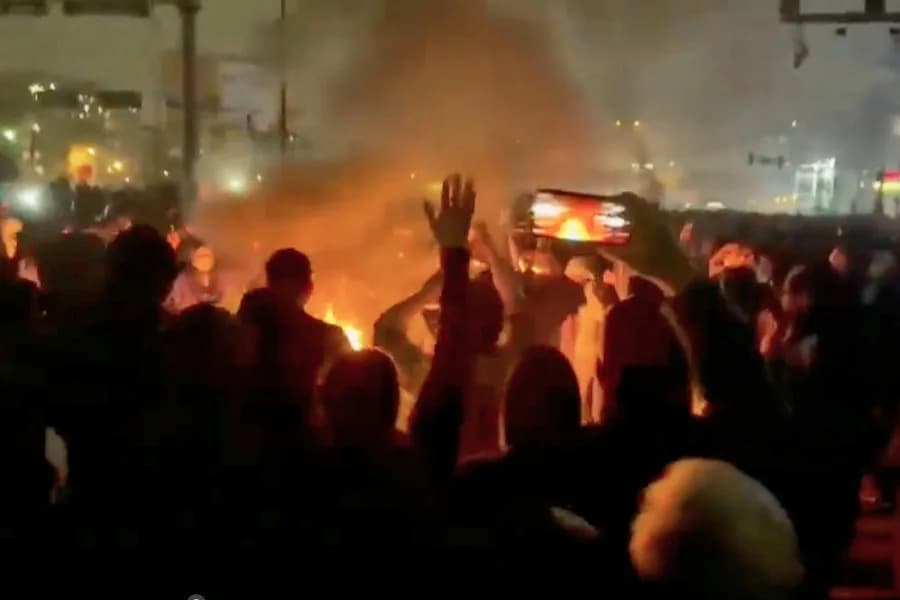
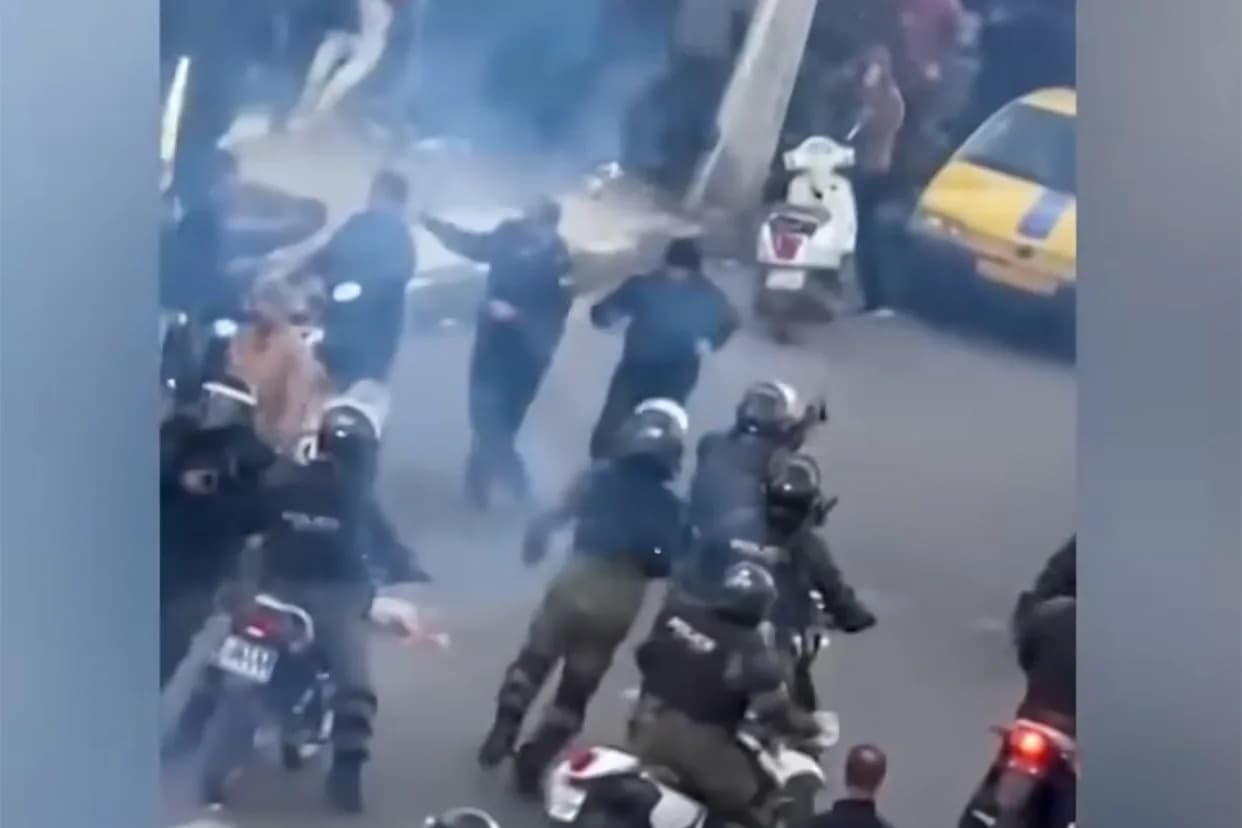
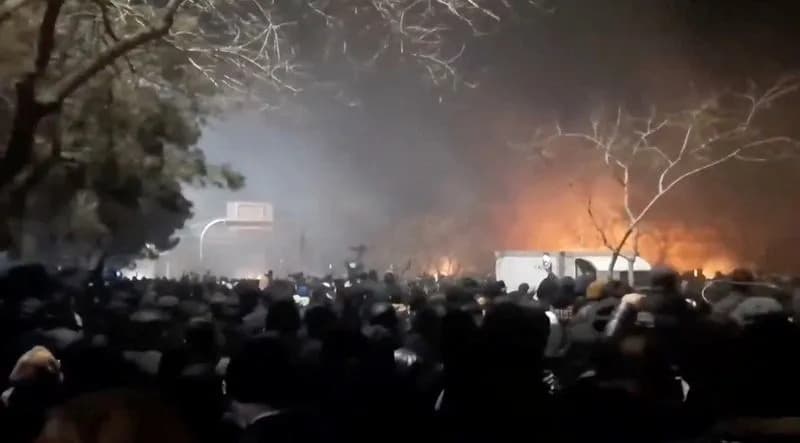
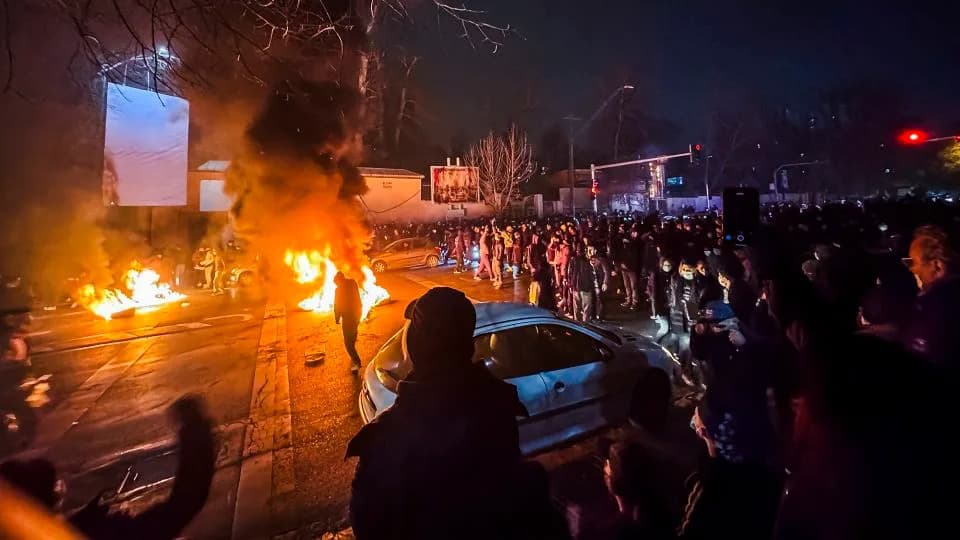
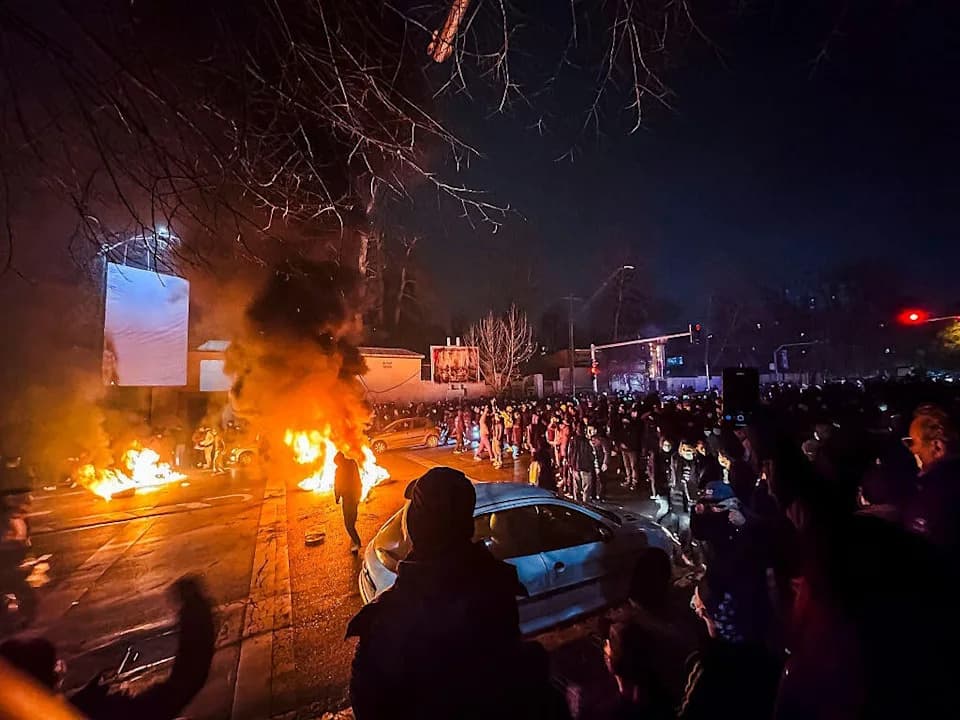
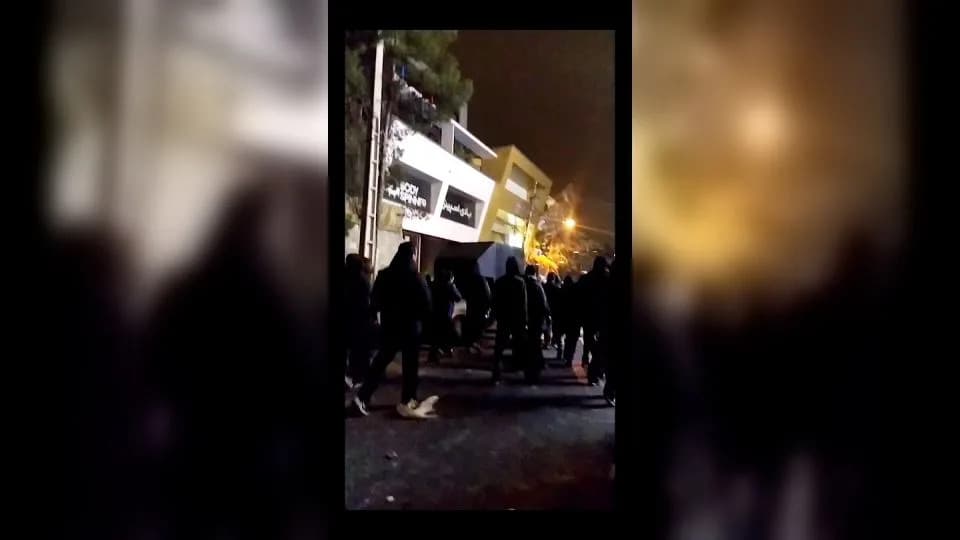
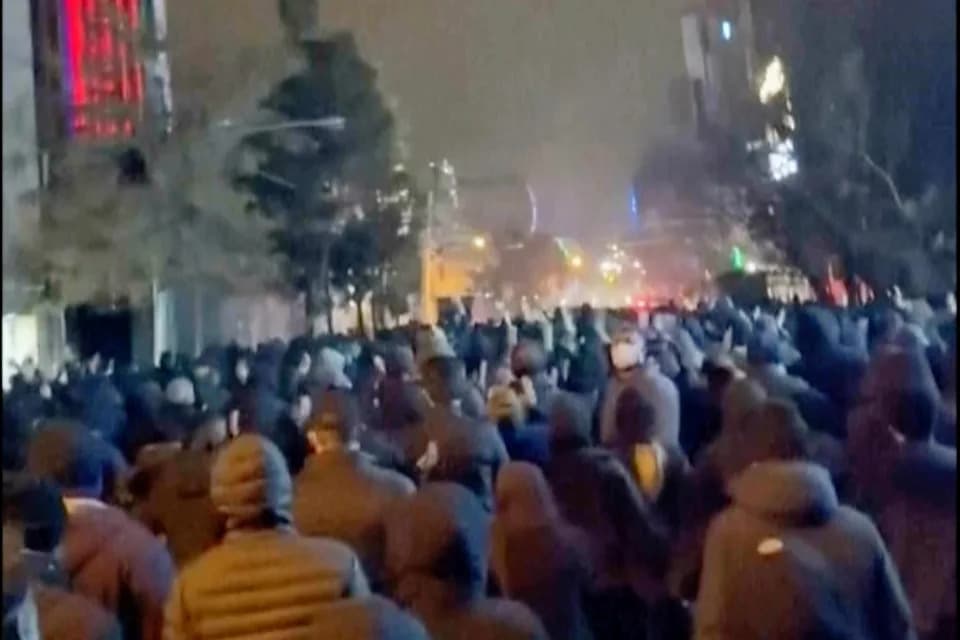
Iranian state authorities say roughly 3,000 people have been detained after weeks of widespread antigovernment demonstrations, state media reported, as major protests were largely brought under control.
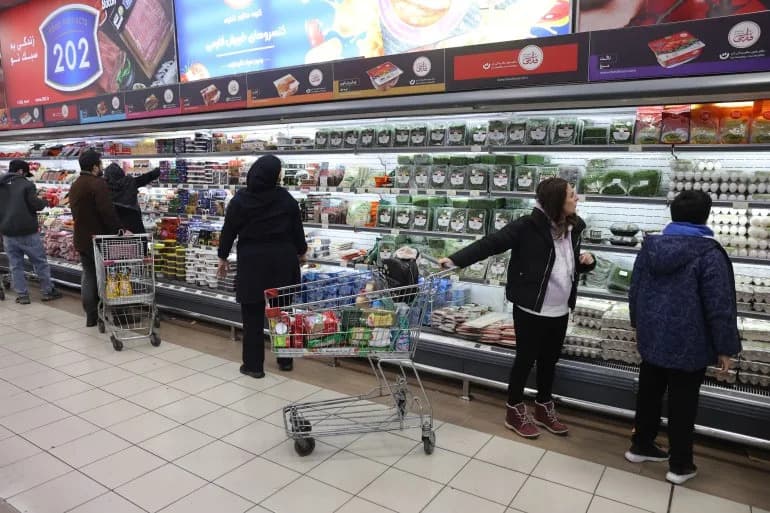
Tehran and several other cities were comparatively calm on Friday amid a heavy security force presence. Reporters and analysts described a mixed public mood: many residents were relieved at the reduced street unrest but anxious about the potential for renewed violence and frustrated by a continuing, nationwide internet blackout.
Communication Shutdown and Casualty Claims
Online monitor NetBlocks said the nationwide internet outage had entered its eighth day after authorities cut access at the height of the demonstrations. Al Jazeera correspondent Tohid Asadi in Tehran said:
"Internet access is unavailable for almost everyone in Iran."
Human rights organisations estimate that more than 1,000 protesters have been killed since the unrest began, while Iranian officials say at least 100 security personnel have died in protest-related attacks. Al Jazeera has not been able to independently verify either figure.
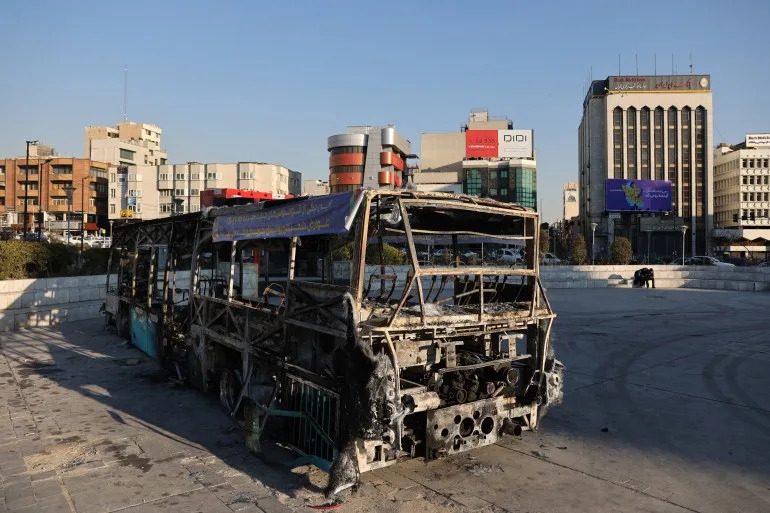
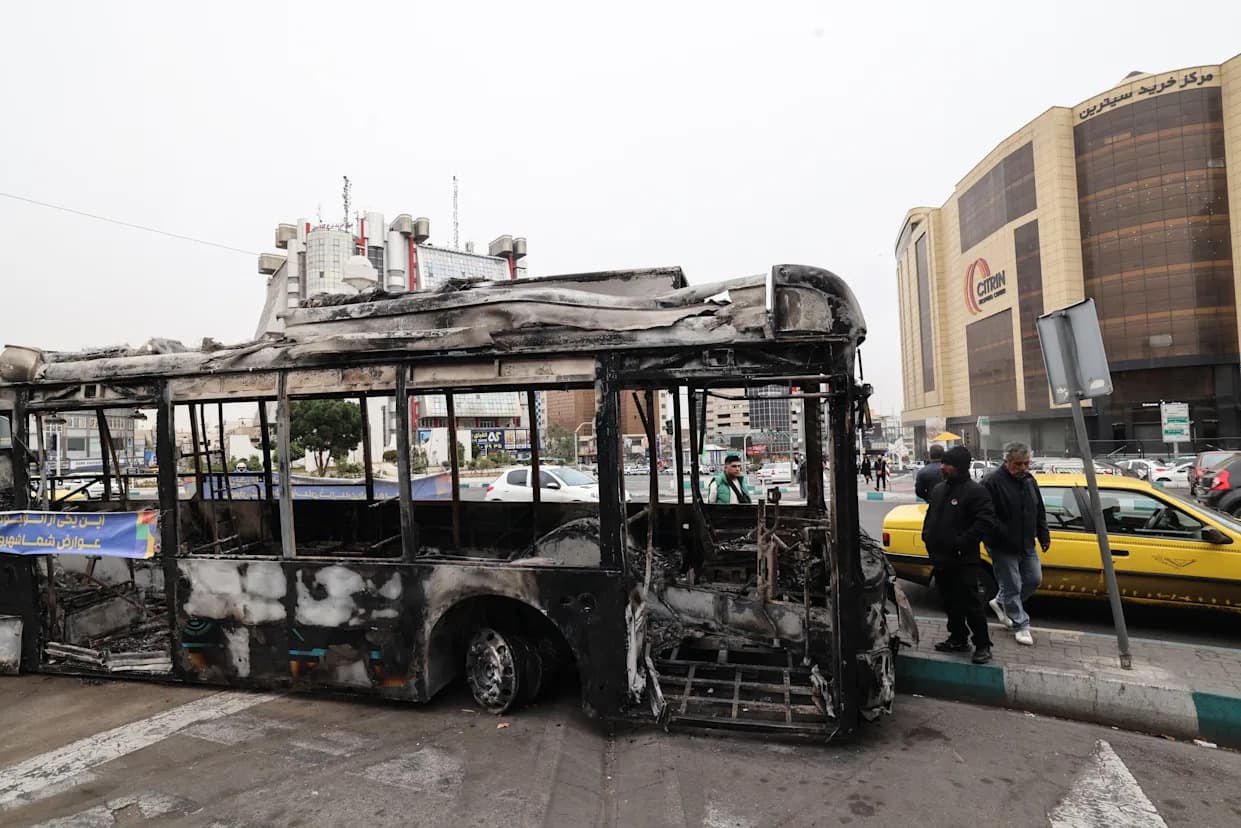
A bus burned during protests in Tehran, Iran, January 16, 2026 [Majid Asgaripour/West Asia News Agency via Reuters]
Domestic Response and International Tensions
Iranian leaders have characterised demonstrators as "rioters" and accused foreign governments, notably the United States and Israel, of stoking unrest. The prospect of broader escalation briefly rose after US President Donald Trump repeatedly warned he might order military action if protesters continued to be killed. He later softened his rhetoric, saying Tehran had cancelled planned executions of hundreds of detainees and thanking Iran's leadership for the decision.
"I greatly respect the fact that all scheduled hangings, which were to take place yesterday (Over 800 of them), have been cancelled by the leadership of Iran. Thank you!"
Steve Witkoff, the US special envoy to the Middle East, said he hoped a diplomatic solution could be found to ease tensions between Washington and Tehran.
Analysts' View
Roxane Farmanfarmaian, a University of Cambridge lecturer specialising in the Middle East, told Al Jazeera the US response had sent mixed signals, making negotiation lines unclear. She said Iranian authorities appear focused on "quieting things down" domestically—by avoiding mass executions and increasing security measures—and on addressing the economic pressures, notably high inflation and a sharply devalued currency, that helped fuel the protests.
Calls For Accountability
Amnesty International warned that apparent "mass unlawful killings" may have occurred on an unprecedented scale and urged the international community to demand impartial investigations and hold any perpetrators to account. With communications severely restricted, independent verification and reporting from inside Iran remain difficult.
Al Jazeera's Tohid Asadi said authorities are now trying to keep the situation under control both at home and abroad, maintaining diplomatic channels while signaling readiness to respond to further escalation.