A 45-year-old man identified as Farhad described a violent security crackdown near Tehran in which protesters were shot, a doctor was hit by shotgun pellets, and many wounded people avoided hospitals for fear of arrest. An internet blackout since January 8 has limited independent verification. Iran Human Rights has verified 3,428 deaths and cites estimates up to 20,000; Amnesty and Human Rights Watch have documented allegations of rifle and shotgun use against protesters. Witnesses say doctors are treating people at home and security forces are conducting phone searches and physical checks for injuries.
‘Too Dangerous To Go To Hospital’: Eyewitnesses Describe Deadly Crackdown in Iran
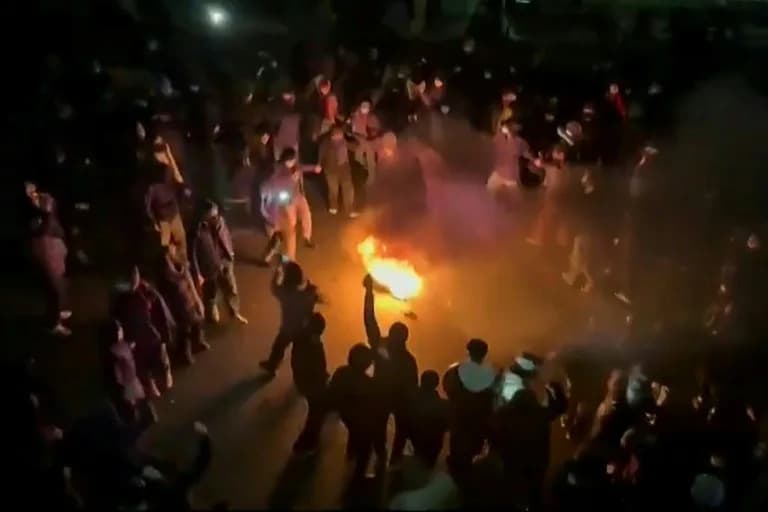
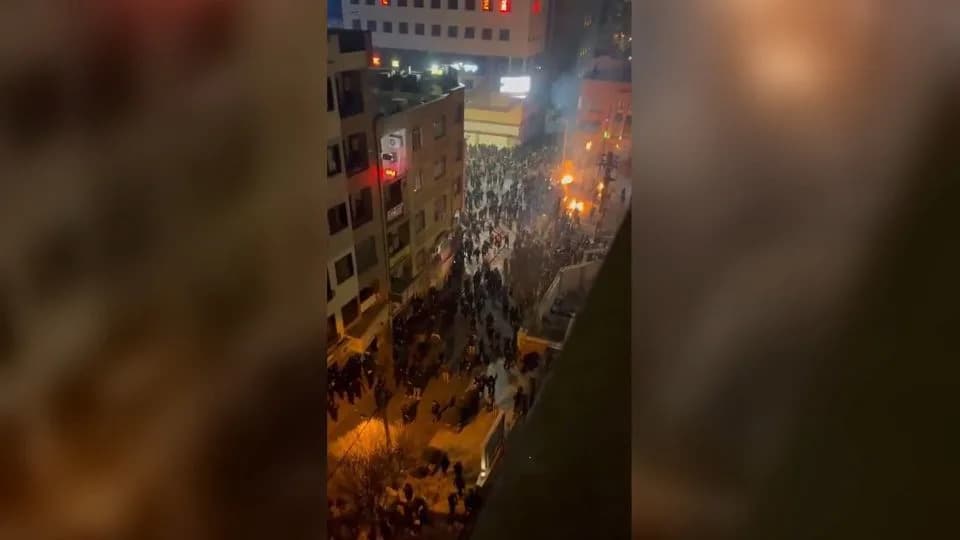
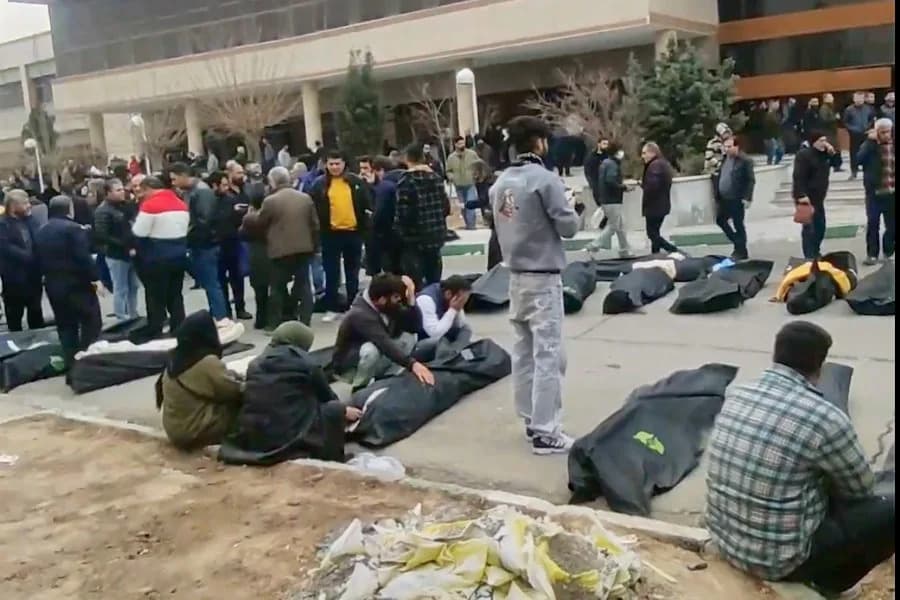
A video grab from UGC images shared online on January 9 showing crowds in Tehran's Pounak Square (-)(-/UGC/AFP)
A 45-year-old Iranian protester identified only by the pseudonym Farhad told AFP in Istanbul that security forces opened fire on crowds in his city near Tehran, leaving many wounded and others too frightened to seek hospital care. With much of Iran subject to an ongoing internet blackout that began on January 8, first-hand testimony has become crucial to understanding the scale and tactics of the government response.
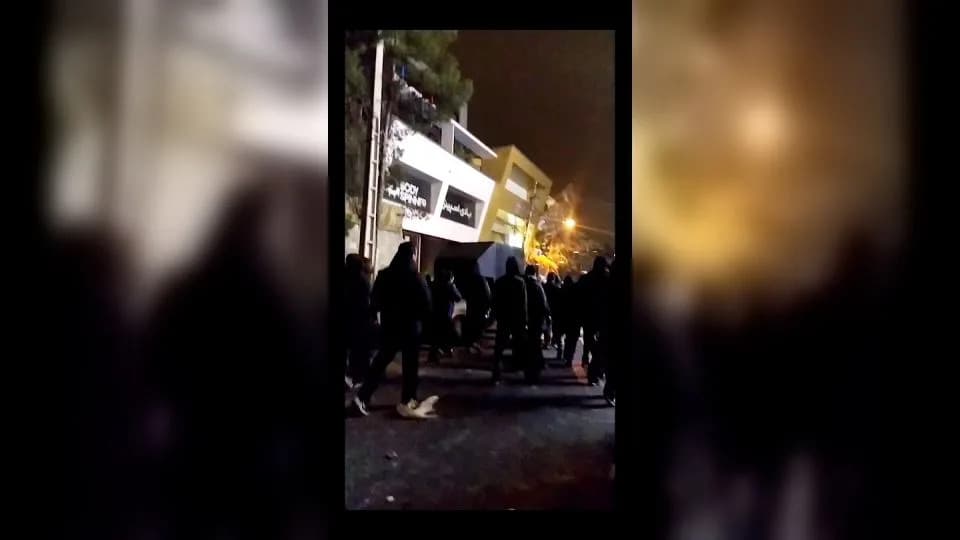
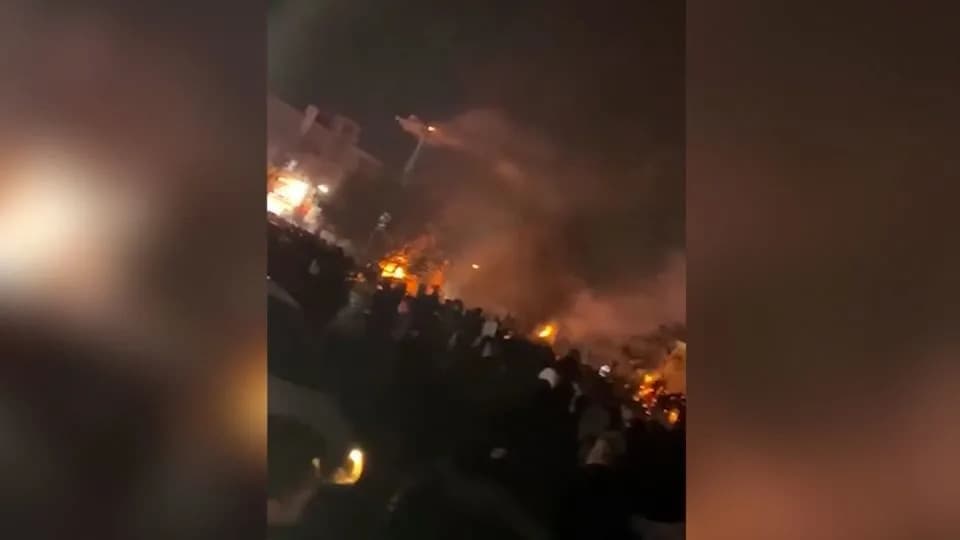
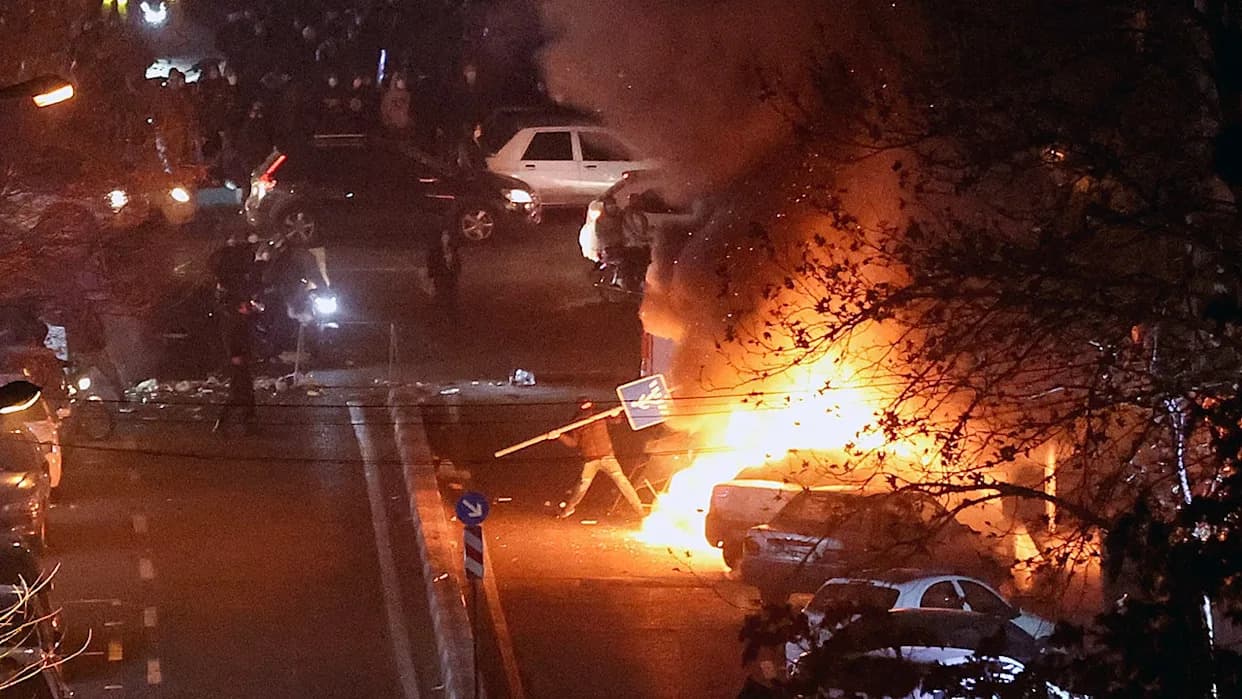
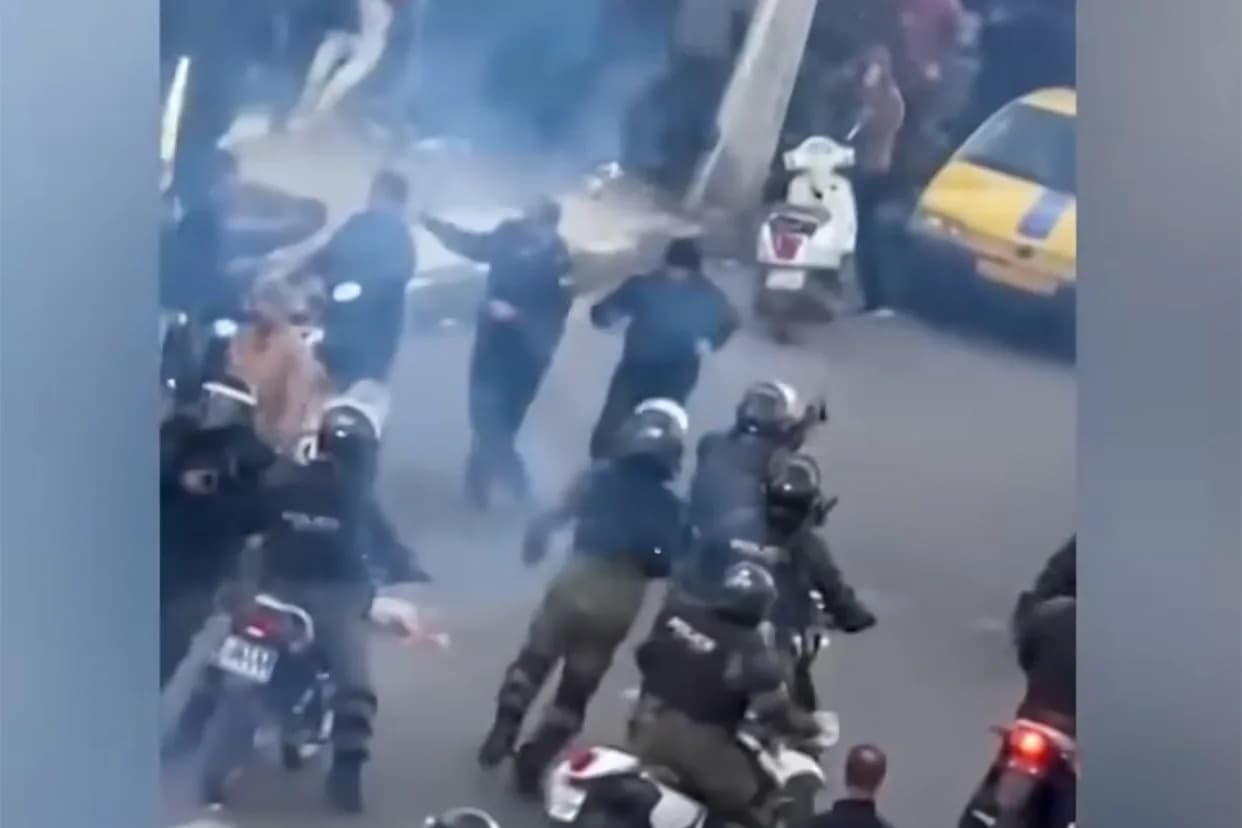
Farhad said he was in a car with his sister on the night the shootings began. "We saw about 20 military personnel jump out of cars and start firing at young people roughly 100 metres away," he told AFP. "I saw people run but they were being shot in the back." He also described seeing a doctor struck in the face by shotgun pellets and people carried away badly wounded or dead.
"People can't go to the hospital because the authorities and the police are there. Anyone with injuries from bullets or shotgun pellets is detained and interrogated," Farhad said.
Human rights organizations have documented similar allegations. Both Amnesty International and Human Rights Watch have accused security forces of firing rifles and shotguns loaded with metal pellets directly at protesters' heads and torsos. The Norway-based NGO Iran Human Rights has verified 3,428 deaths attributed to security forces and cautioned that the actual toll could be much higher, citing estimates between 5,000 and 20,000.
Farhad and other witnesses say many injured people avoid hospitals for fear of arrest, prompting doctors to provide medical care in private homes. Households reportedly sheltered demonstrators and offered first aid: Farhad recounted that his sister and a friend sheltered "around 50 boys" and offered them tea and cake.
Security measures described by witnesses include random phone checks for protest footage and physical inspections for pellet or bullet wounds. Those found with protest-related injuries or material are reportedly detained and questioned. Farhad said he himself was beaten with a baton by assailants on a motorcycle and feared his arm was broken but did not seek hospital treatment because it was "too dangerous."
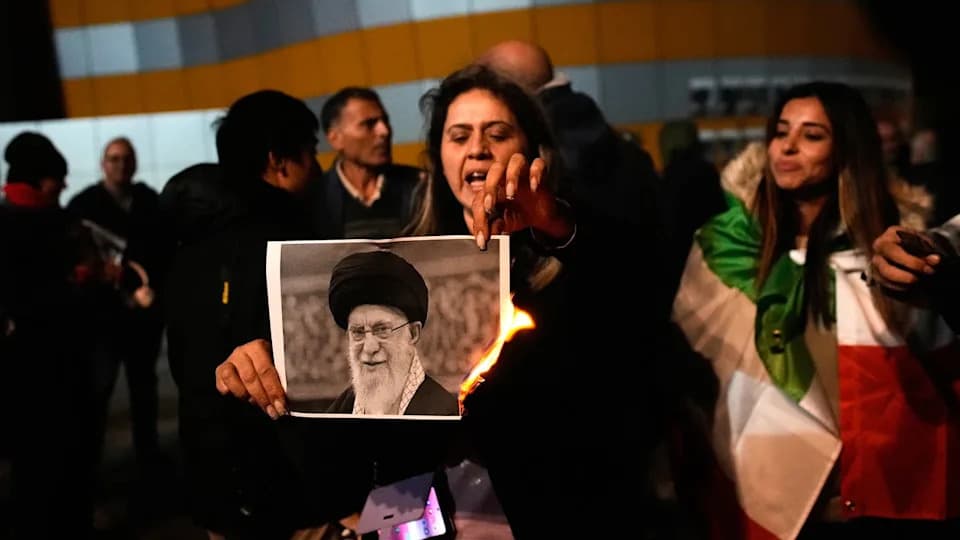
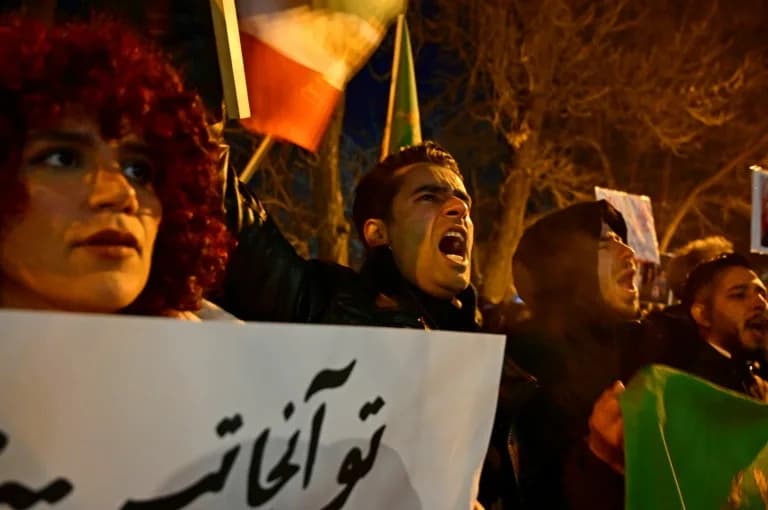
Witnesses described large crowds that included many young people, women and children chanting slogans against Iran's supreme leader, Ayatollah Ali Khamenei. Despite the crackdown and arrests, Farhad said protesters remain determined to return to the streets because of widespread anger at the regime.
Context and Verification: The communications blackout and restricted access for independent media make verification difficult. International rights groups continue to investigate and corroborate reports from multiple eyewitnesses, activists and medical sources.
Note: This article summarizes eyewitness testimony and public reports from human rights organizations. Numbers and specific claims are based on those sources and remain subject to further verification as access improves.
Help us improve.