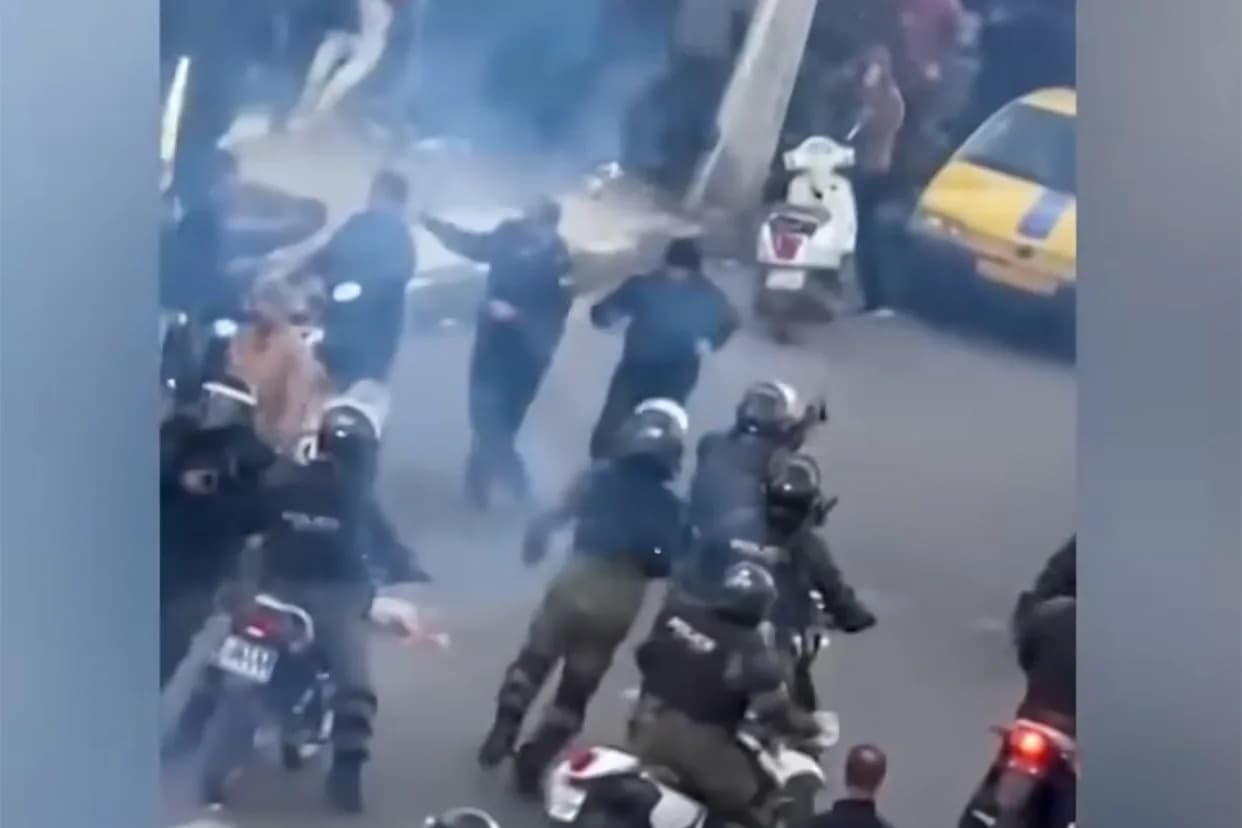
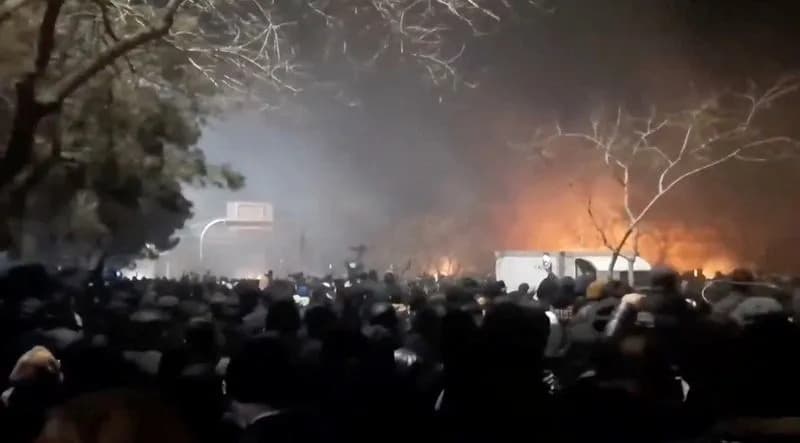
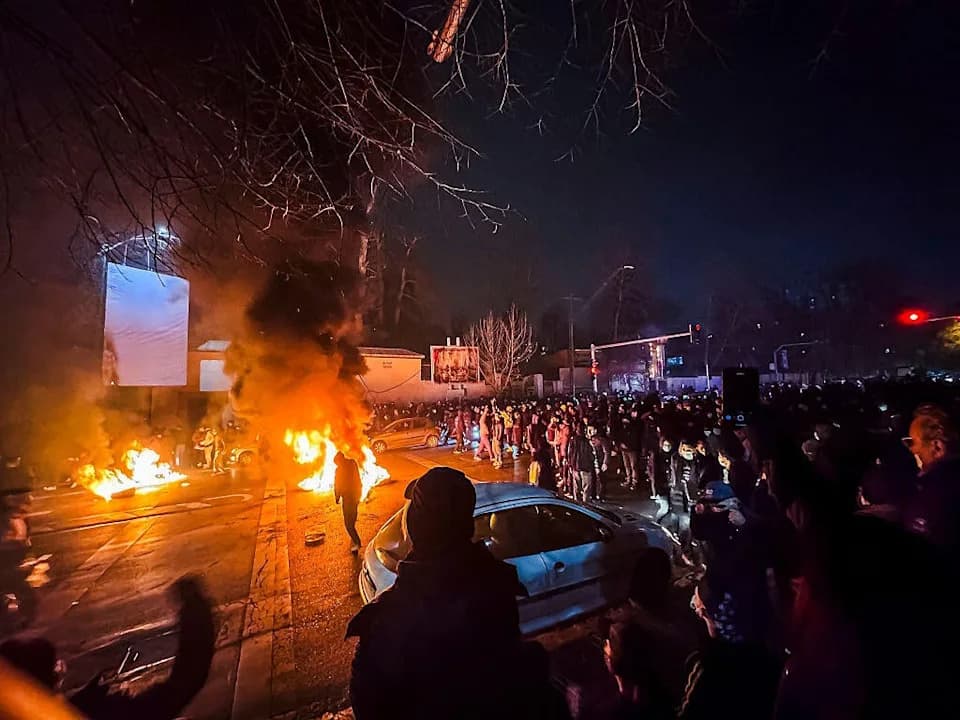
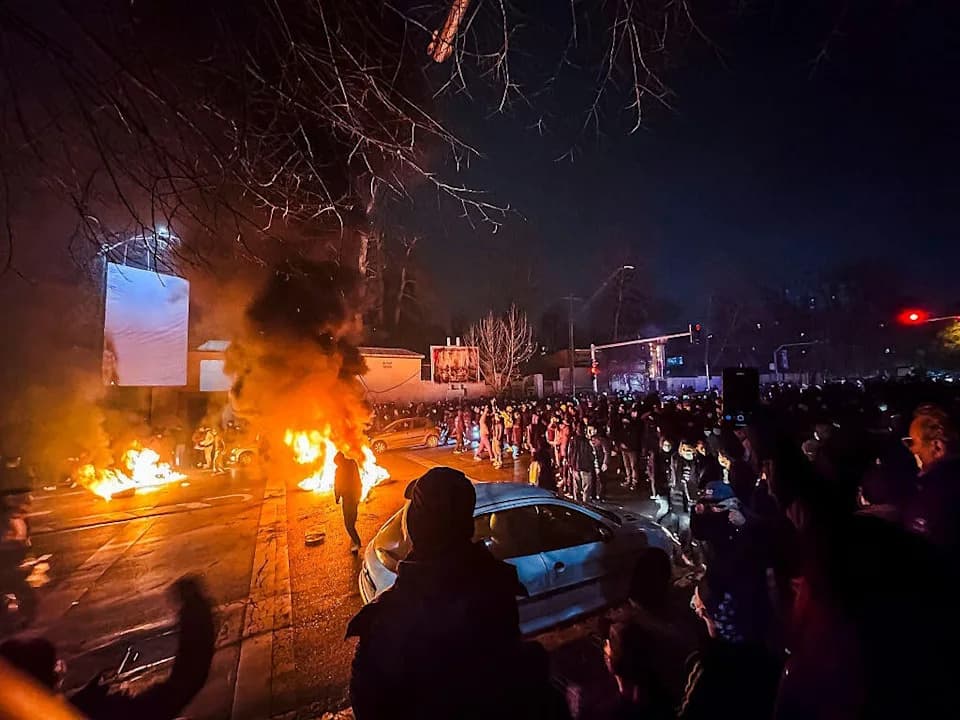
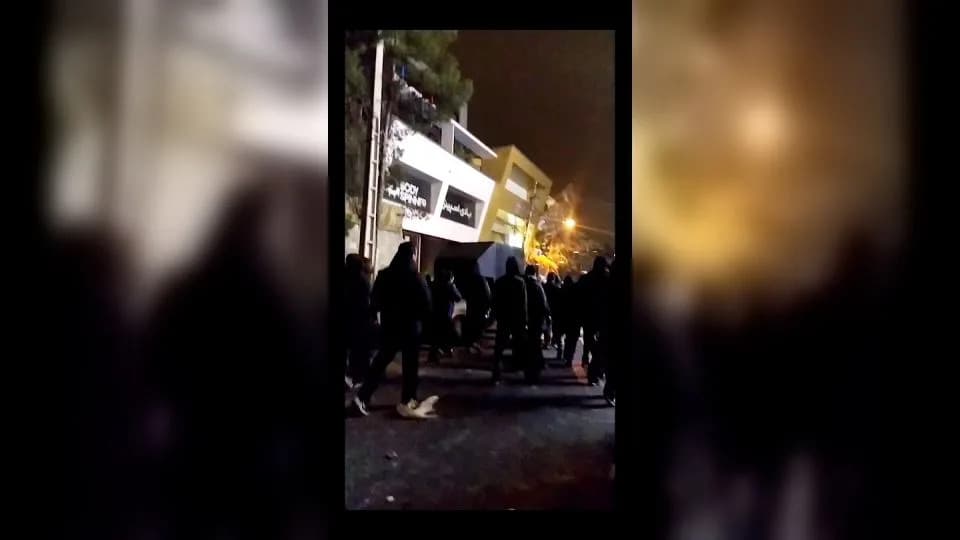
Tehran, Iran — Iranian state and semi-official media say dozens of security personnel have been killed as large anti‑government protests over rising living costs and inflation continue across the country. Officials described the unrest as the largest in years and said they are stepping up efforts to restore order.
Casualty Reports and Local Incidents
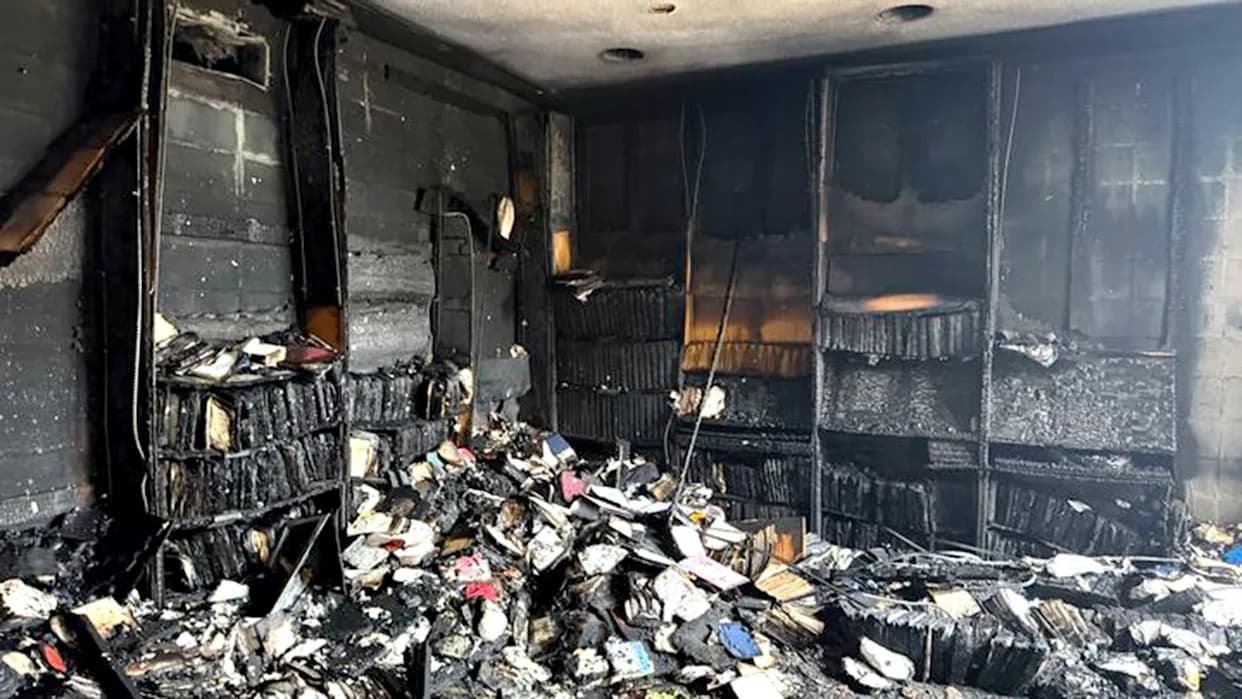
State television reported that 30 members of the police and security forces were killed in Isfahan province and six more in Kermanshah. The semi-official Tasnim news agency put the nationwide toll among security personnel at 109. The Iranian Red Crescent Society also said one of its staff members died after an attack on a relief building in Gorgan, Golestan province, and state outlets reported a mosque was set on fire in Mashhad.
Government Response and Legal Threats
Authorities described the unrest as "riots" and said the situation was gradually subsiding. The attorney general warned that people involved in the unrest could face the death penalty. Police and military officials said they had increased the level of confrontation with what they characterized as violent elements and saboteurs.
Political Rhetoric and Security Warnings
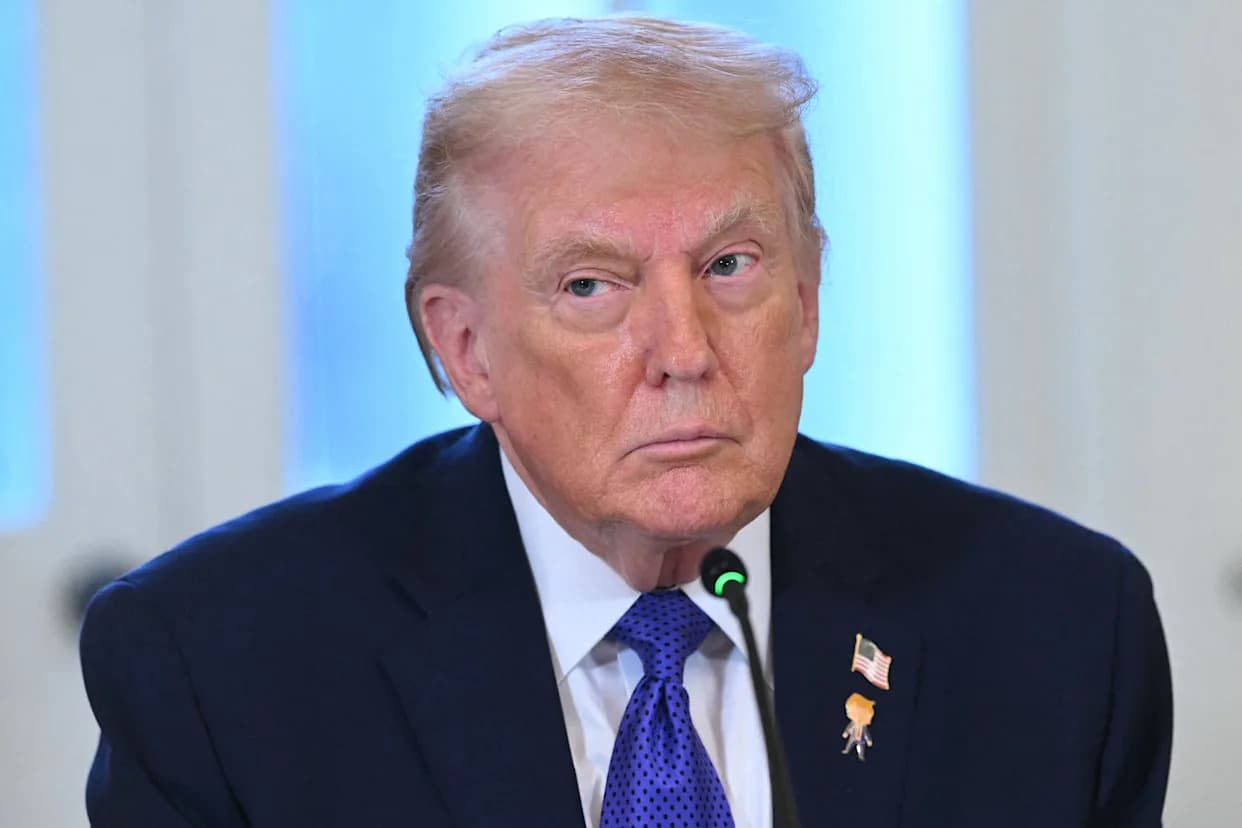
Parliament speaker Mohammad Baqer Qalibaf warned the United States and Israel against any military attack, saying that in the event of an attack on Iran, "the occupied territories [Israel] as well as all US bases and ships will be our legitimate target." Qalibaf, a former IRGC commander, made the remarks amid earlier US warnings of possible strikes. Former US President Donald Trump posted that the US stands "ready to help" protesters and threatened possible strikes "where it hurts."
Protest Dynamics and Voices From Tehran
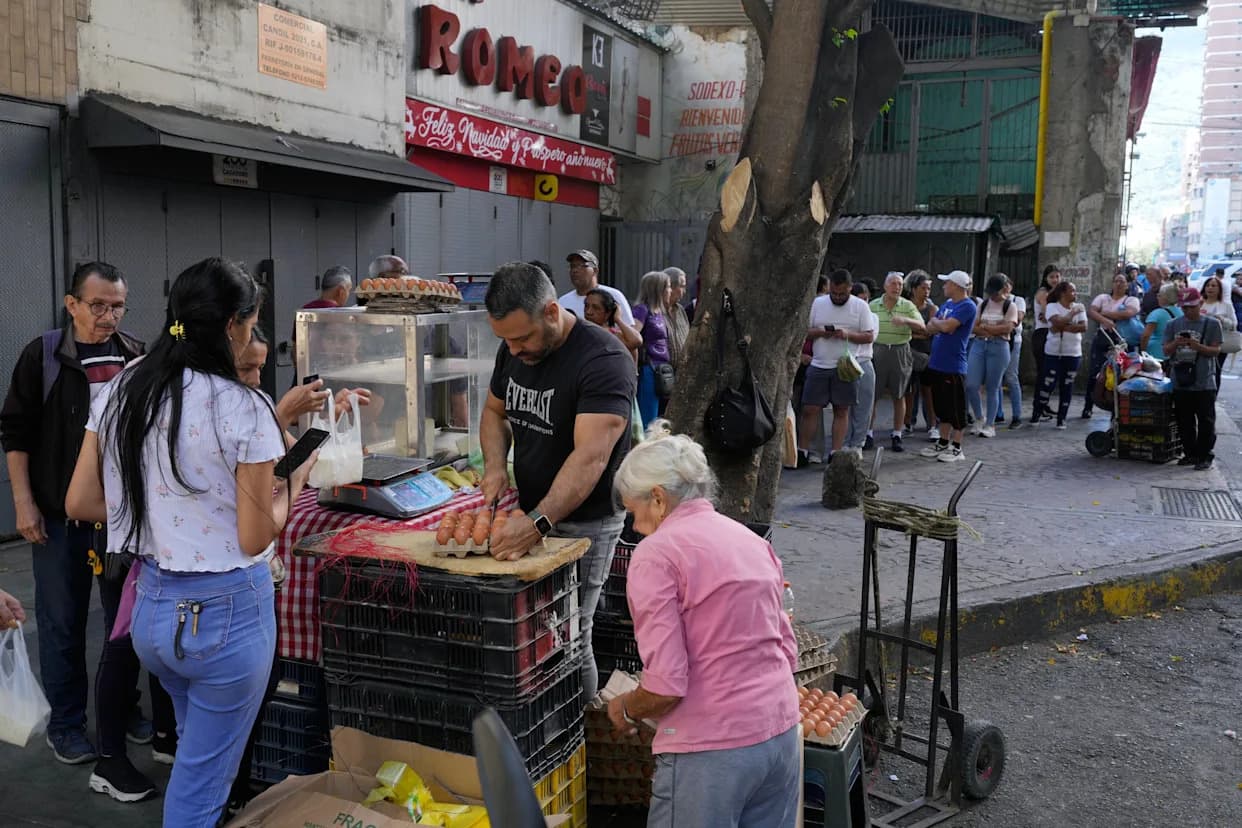
Analysts and commentators say the demonstrations, which began in late December, are driven mainly by economic hardship worsened by sanctions. Hassan Ahmadian, an academic at Tehran University, told Al Jazeera the protests turned violent on a recent Thursday and described the day as "one of the scariest" in recent memory. He added that clashes with violent actors have reduced the size of demonstrations and that many Iranians oppose both poor economic conditions and violent tactics.
Human Rights Concerns and Information Blackout
Human rights groups have urged restraint. The Norway-based NGO Iran Human Rights reported that at least 51 protesters, including nine children, have been killed by security forces and that hundreds more were injured; opposition activists say the civilian death toll is higher. Independent monitoring group NetBlocks said a nationwide internet blackout has lasted more than 60 hours, warning that the shutdown poses a risk to public safety and limits independent verification of events.
Context And Recent History
Observers note this unrest is the most significant anti‑government movement since the 2022–23 protests sparked by the death in custody of Mahsa Amini. State accounts also recalled last year’s confrontations with Israel and the United States, which Tehran says included strikes that killed civilians and key personnel; those accounts should be read as the government's narrative of past hostilities.
Outlook
With competing casualty figures, an information blackout, and escalating rhetoric in parliament, the situation remains volatile. International rights groups continue to call for independent, transparent investigations into deaths and arrests, while officials emphasize restoring security and pursuing alleged perpetrators under the law.