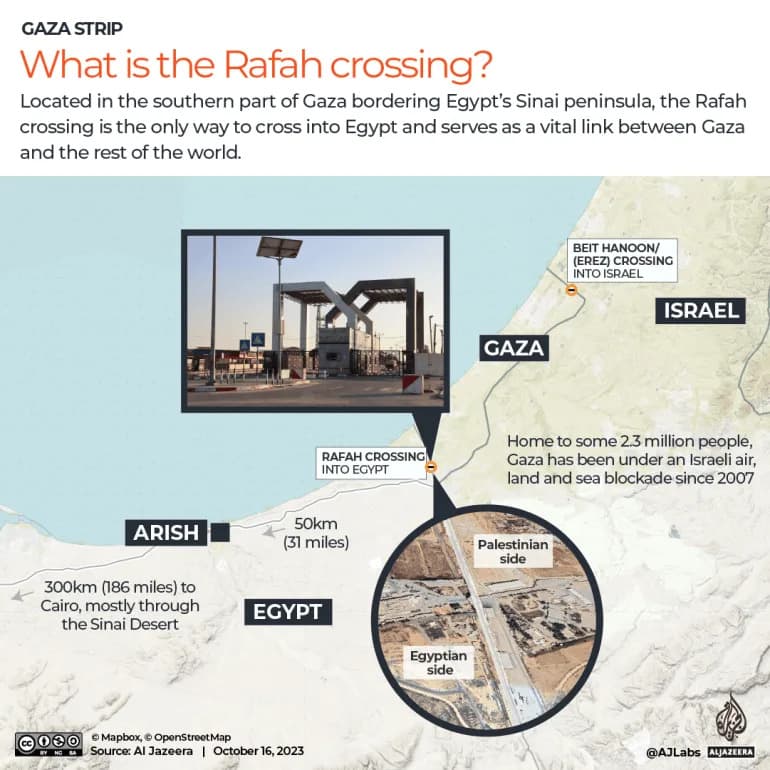
Israel and Egypt are locked in a dispute over plans to partially reopen Gaza's Rafah crossing, after Israel reportedly proposed allowing more Palestinians to exit than to return. Egyptian officials insist on a strict one-for-one ratio, warning the plan could enable long-term displacement. Reports describe a two-tier system using remote facial recognition for exits and intrusive military checks for returns, raising concerns about bypassing the 2005 movement agreement and entrenching external control of the crossing.
Rafah Standoff: Israel Seeks More Exits Than Returns, Egypt Rejects Proposal
(Al Jazeera)
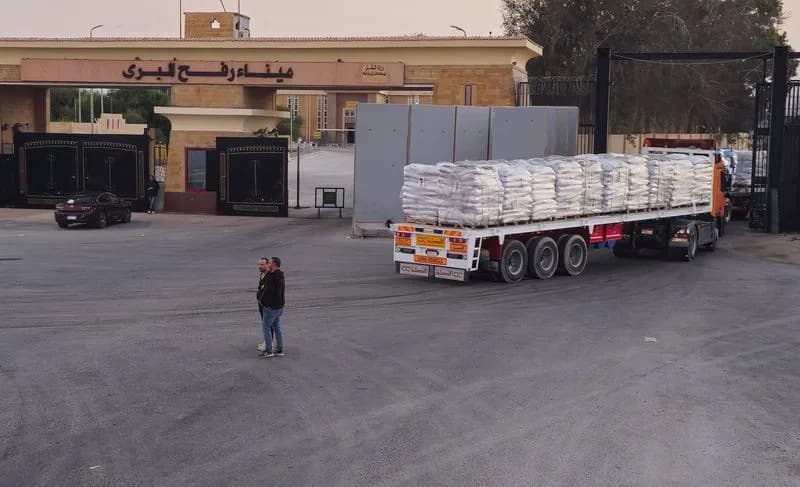
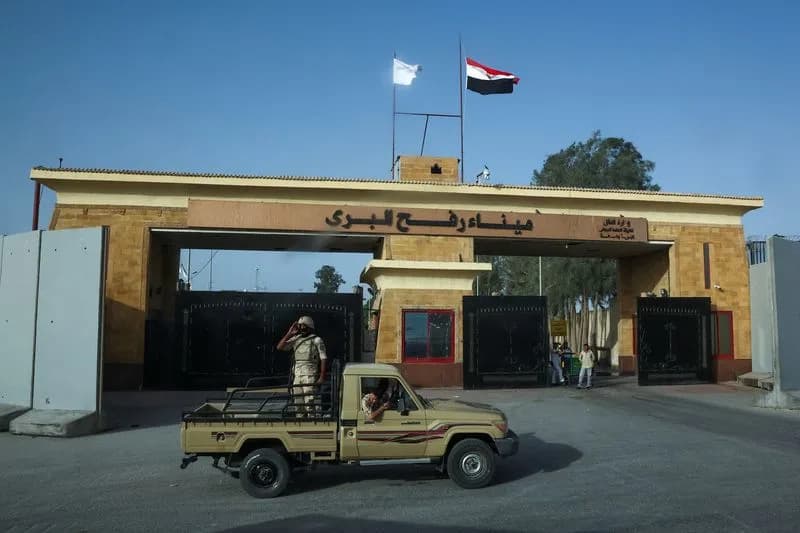
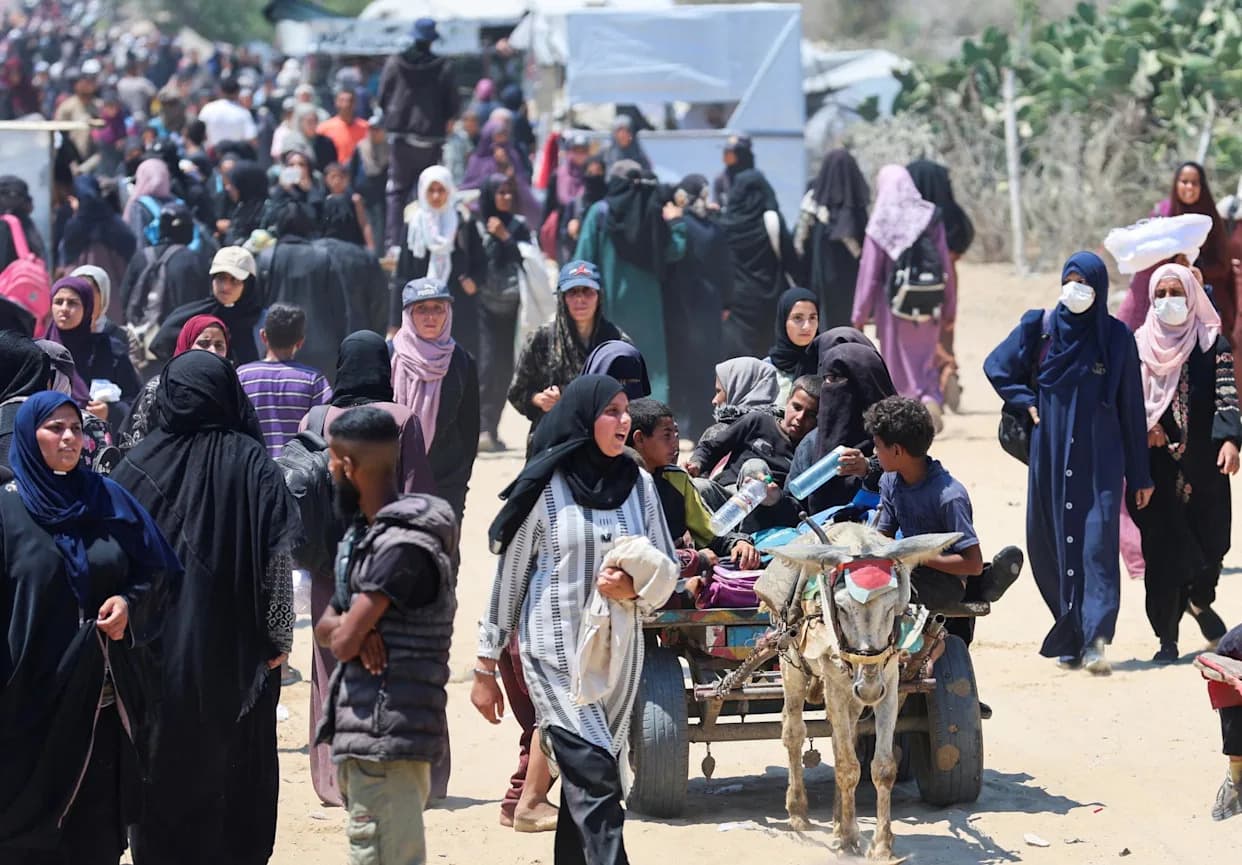
As plans move forward for a partial reopening of Gaza's Rafah border crossing, a dispute has erupted between Egypt and Israel over which Palestinians may leave and how many will be allowed to return. The disagreement centers on an Israeli proposal to permit more people to exit Gaza than to re-enter, a plan Cairo has rejected as potentially enabling long-term displacement.
Why People Want to Cross
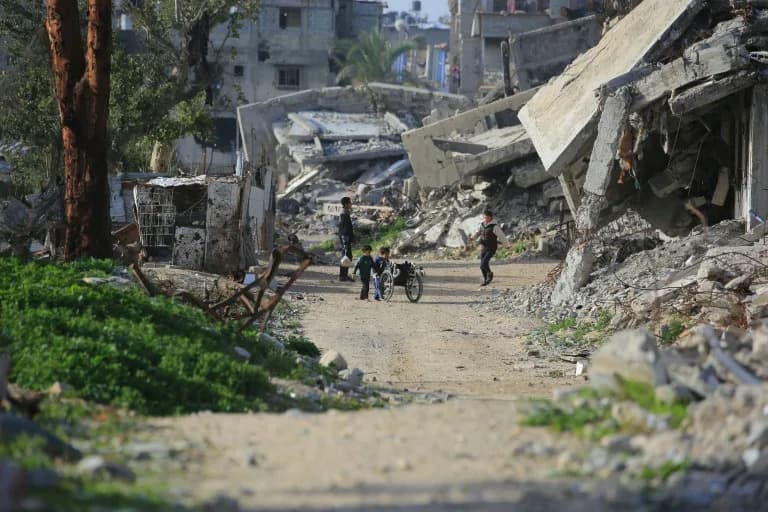
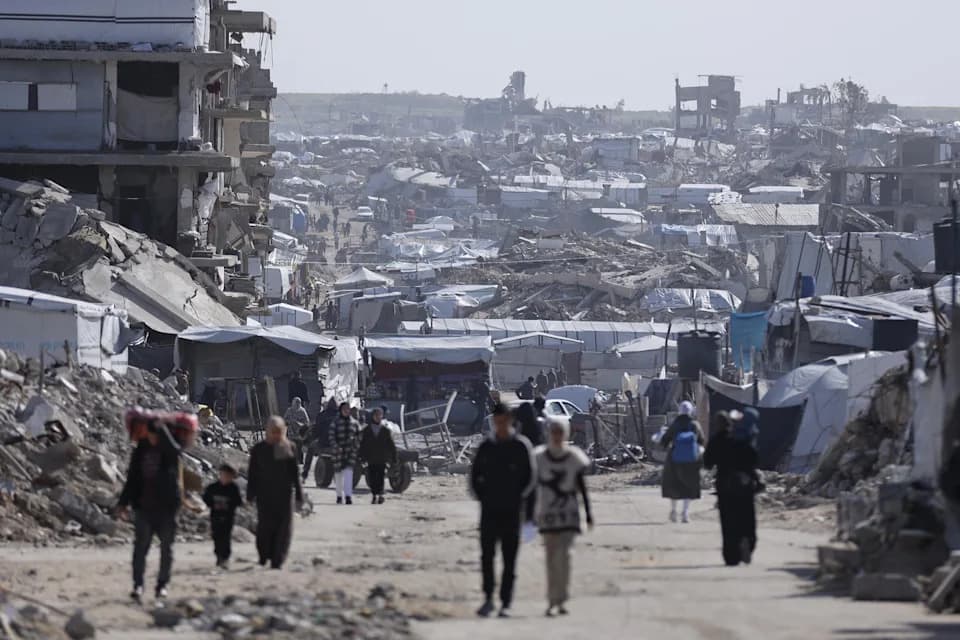
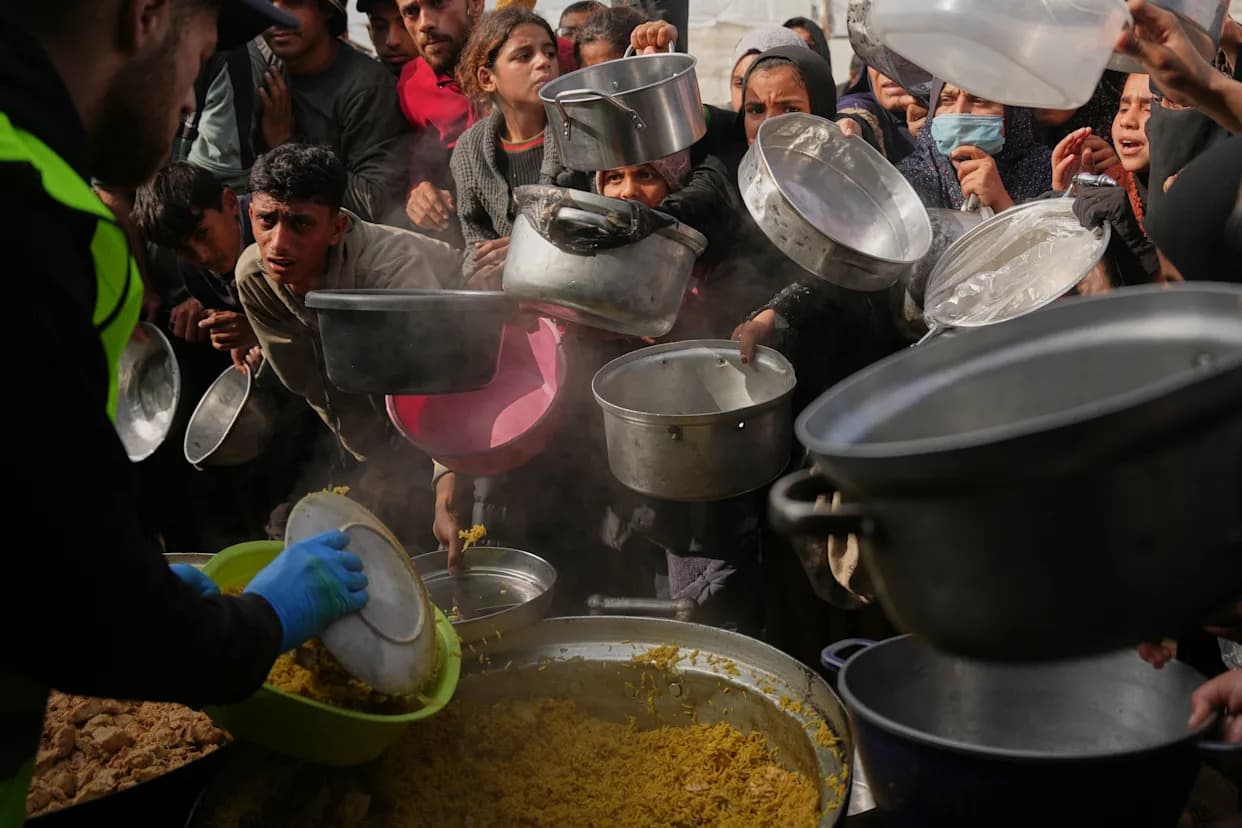
Many Palestinians seek urgent medical treatment that Gaza's health system, severely damaged after more than two years of conflict, cannot provide. Others hope to reunite with family or resume education and work interrupted by the fighting.
What Israel Has Proposed
Israel's public broadcaster Kan reported that Israeli negotiators proposed a directional flow condition: the number leaving Gaza for Egypt would exceed the number allowed to return. Egyptian officials have insisted on a one-for-one ratio of exits and entries, saying the asymmetric proposal risks fostering emigration and permanently reducing Gaza's population.
Report Details: A Two-Tier Operational Plan
Israeli news site Ynet and security sources published technical details suggesting different procedures for people leaving Gaza versus those trying to return.
Pre-Screening: Ynet reports that all travelers would be vetted by Israel's Shin Bet security service up to 24 hours in advance.
Leaving Gaza: According to the plan, there would be no physical Israeli presence inside the terminal for people exiting to Egypt. Instead, facial-recognition cameras would stream live feeds to an Israeli command center. Officers could remotely lock electronic gates if a person deemed a "suspect" were identified, effectively creating a remote-control monitoring system.
Entering Gaza: Returnees would face more intrusive controls. They would be directed to an Israeli military checkpoint just beyond the border where Israeli soldiers would conduct body searches, X-ray scans and biometric checks before people cross the "yellow line" marking areas still under Israeli military control.
Regional Reactions and Legal Concerns
Egyptian officials and regional observers warn the proposal departs from the 2005 Agreement on Movement and Access, which established Rafah as a Palestinian-Egyptian crossing under EU supervision to protect Palestinian sovereignty. Major General Samir Farag told Al Jazeera that opening Rafah effectively "in one direction" would amount to a displacement policy—an approach Egypt says it has categorically rejected.
Ibrahim Al-Madhoun of the Palestinian Institution for Media called the setup a "sorting platform" designed with a mentality of forced displacement, where exiting is easier while re-entry is made humiliating and difficult.
Security analysts warn the technical measures would give Israel long-term leverage over the crossing. Osama Khaled described the system as comprehensive electronic surveillance that could transform Rafah from a sovereign gateway into a tool of political pressure.
Longer-Term Plans
Retired Israeli General Amir Avivi, who advises the military, reportedly said Israel has cleared land near Rafah for a large facility described as a "big, organised camp" capable of holding hundreds of thousands of people, with ID checks and facial recognition to track movements.
The dispute remains unresolved as Egypt says it is operationally ready "for all scenarios" while holding firm on equal entries and exits. European Union monitors are expected at the crossing, but their precise role has not been clarified.
Help us improve.