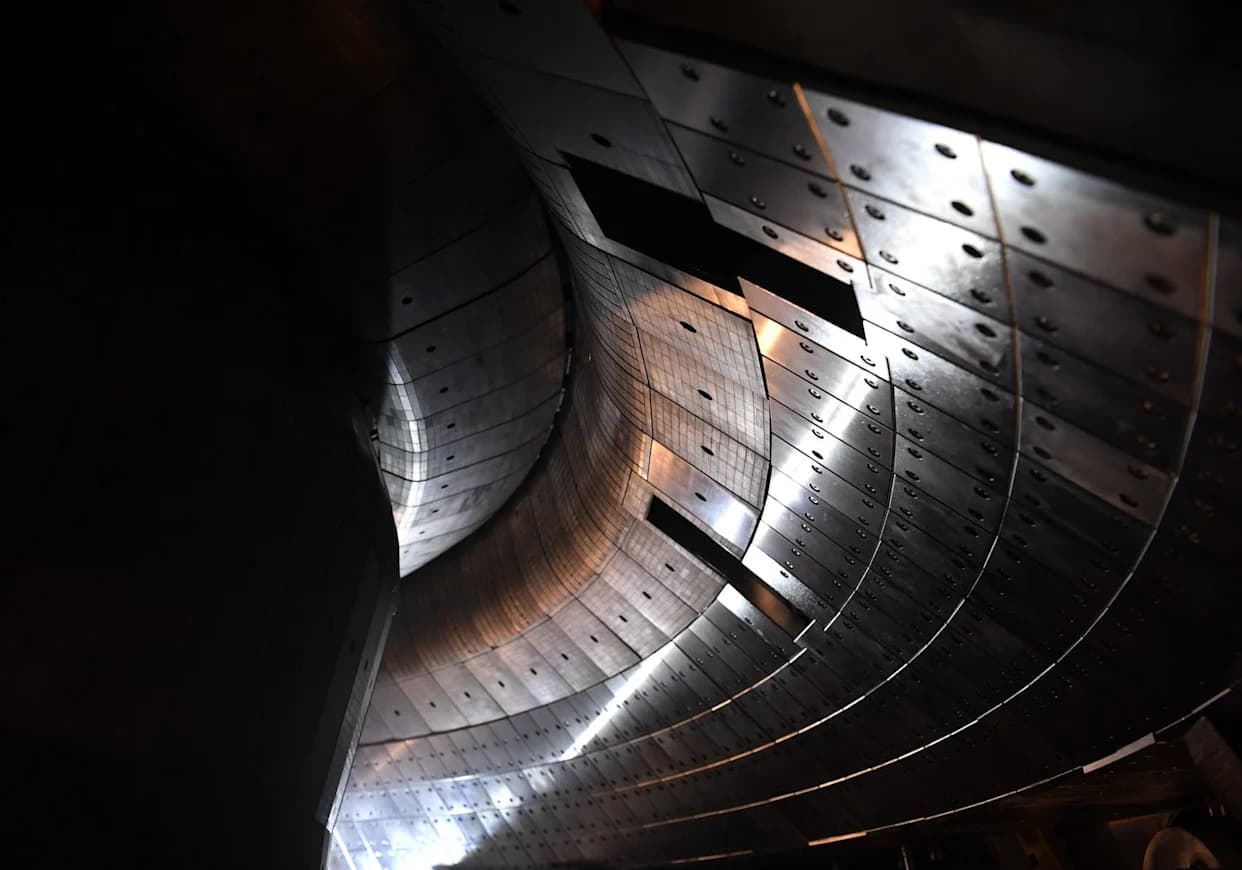
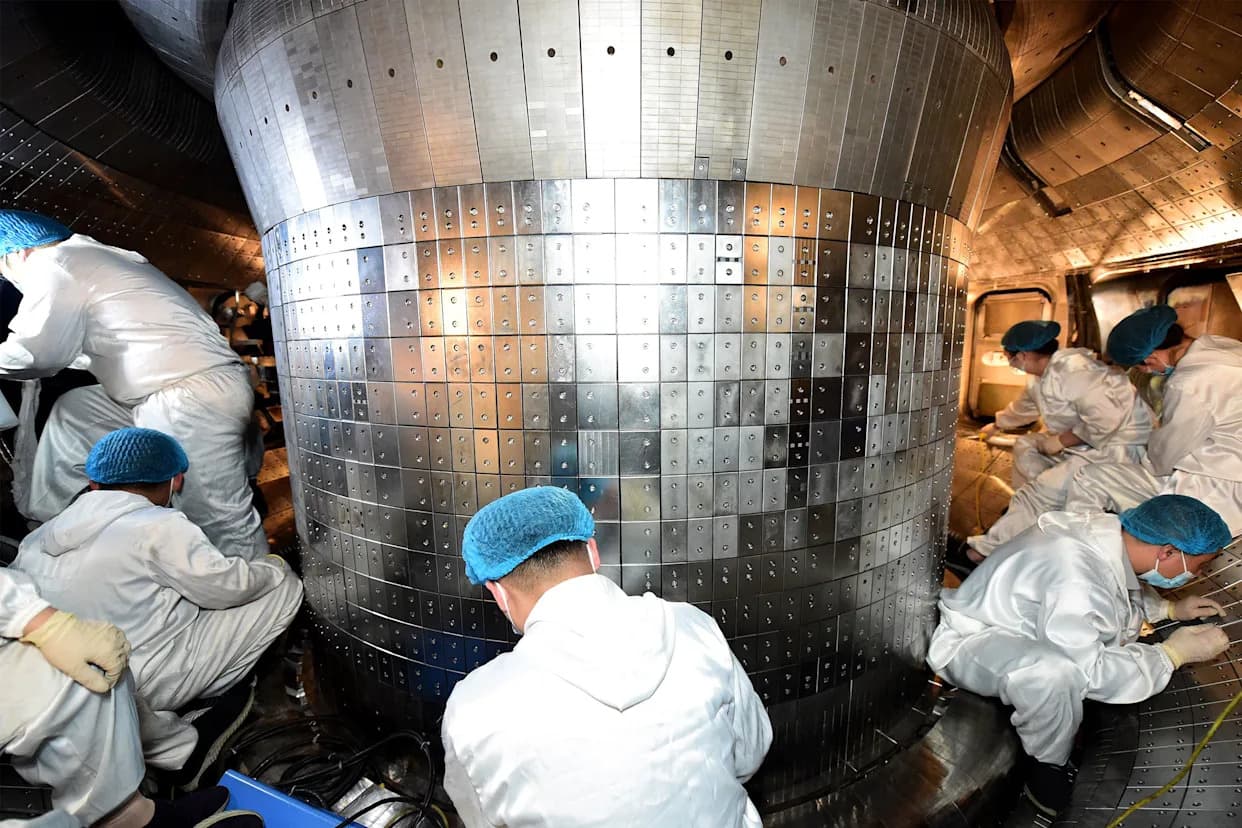
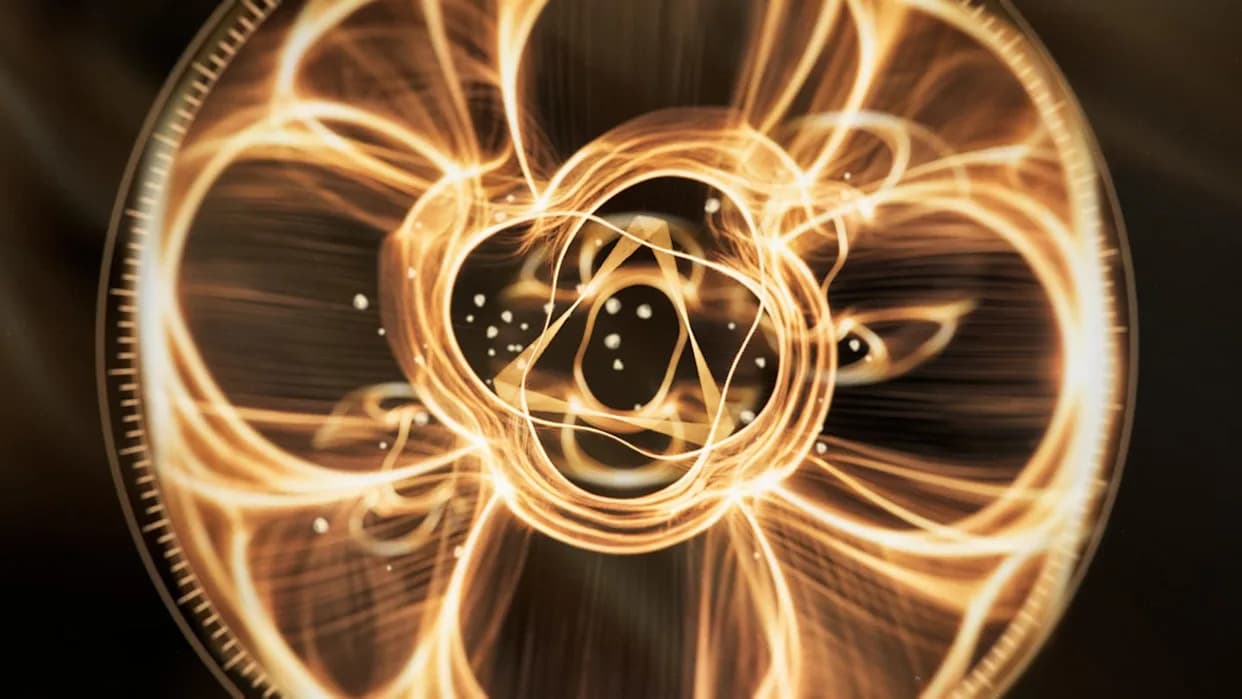
GyroSwin is a machine-learning surrogate developed by UKAEA, Johannes Kepler University, and Emmi AI that slashes plasma turbulence simulation times from days to seconds while retaining sufficient accuracy. The tool enables many more rapid "what if" studies, though supercomputers remain necessary to create the training data and to advance core physics. By speeding design cycles, GyroSwin could help accelerate fusion development—a potential low-carbon power source that produces far less long-lived waste than fission and could support net-zero goals.
GyroSwin AI Cuts Fusion Plasma Simulation Time From Days to Seconds, Bringing Reactor Design Within Reach
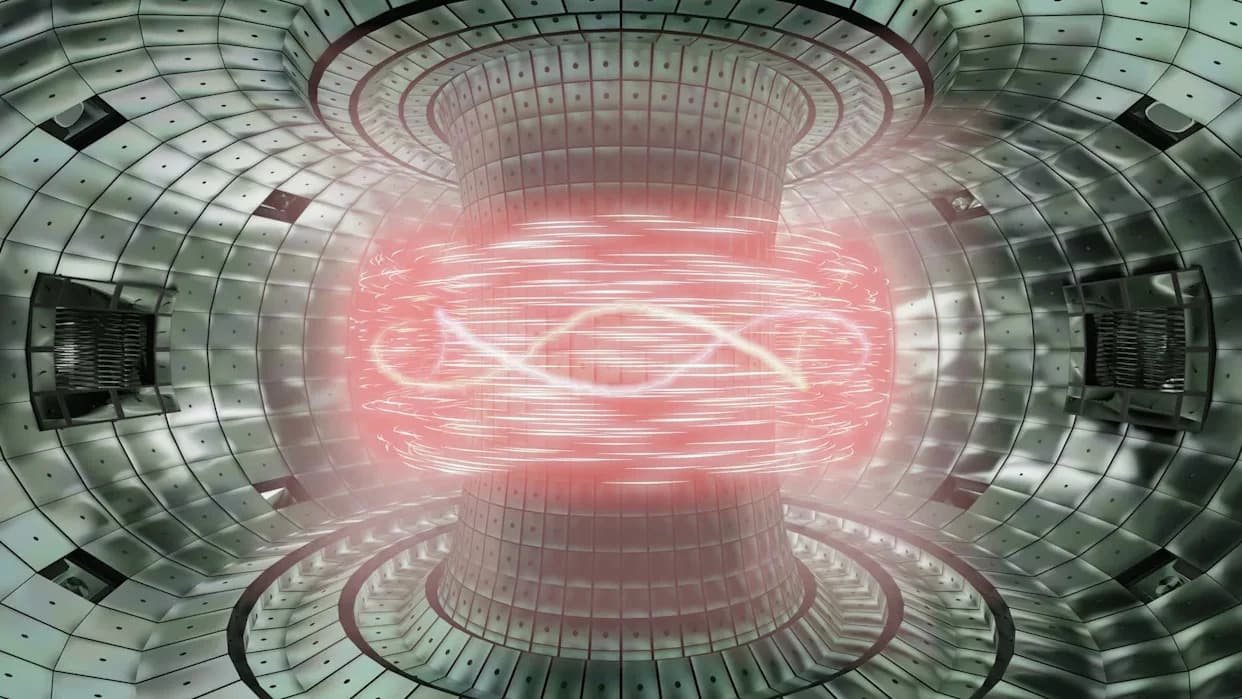
Photo Credit: iStock
Researchers in the U.K. and Austria have unveiled GyroSwin, a machine-learning tool that dramatically accelerates simulations of plasma turbulence used in fusion reactor design. By turning simulations that once took hours or days into solutions delivered in seconds or minutes, GyroSwin promises to speed up design cycles and let scientists explore many more "what if" scenarios in far less time.
What Is GyroSwin?
GyroSwin is a machine-learning surrogate model developed collaboratively by the U.K. Atomic Energy Authority (UKAEA), Johannes Kepler University in Linz, and the Austrian spinout Emmi AI. It is trained to emulate complex, high-dimensional plasma simulations that track turbulent particle behavior relative to magnetic fields inside fusion reactors.
Why This Matters
Fusion is a long-sought low-carbon energy source that fuses hydrogen isotopes such as deuterium and tritium to release massive amounts of energy—the same process that powers stars. The fuel has very high energy density: roughly 1 gram of deuterium-tritium fuel can release energy comparable to about 2,400 gallons of oil. Unlike fission, fusion is not expected to produce the same volumes of long-lived radioactive waste or pose the same runaway chain-reaction risks.
How GyroSwin Speeds Research
Plasma turbulence simulations are computationally expensive because they model particle position, direction and velocity across multiple dimensions. GyroSwin serves as a surrogate model that reproduces the essential physics with sufficient accuracy while running far faster than full first-principles codes. According to UKAEA computing director Rob Akers, the tool "turns an almost intractable problem into something that feels within reach."
Role of Supercomputers and Limitations
GyroSwin does not replace fundamental physics or supercomputing. Large-scale supercomputers are still required to generate the high-fidelity training datasets and to push the physics frontier. Once a robust surrogate is trained, however, its initial cost can be amortized—allowing teams to run many rapid design studies and sensitivity analyses that would otherwise be infeasible.
Rob Akers, UKAEA: "Designing, developing, and operating a fusion power plant will involve millions of plasma simulations. We still need supercomputers to generate the training data and to push the physics frontier. But once you've trained a good surrogate, you can amortize that cost and answer many more 'what if' questions quickly."
Implications for Net-Zero and Industry
By enabling fast, accurate exploration of reactor designs, tools like GyroSwin could accelerate progress toward commercial fusion and contribute to net-zero emissions goals. For countries investing in fusion research—like the U.K.—advances that cut design time and cost increase the chances that those investments will produce both clean energy and commercial returns.
Bottom line: GyroSwin is a promising AI surrogate that preserves essential physics while drastically reducing runtime, helping researchers iterate designs faster and focus supercomputing resources on the hardest physics problems.
Help us improve.