LLNL and Germany’s Fraunhofer Institute have launched ICONIC‑FL to develop high‑repetition laser systems capable of firing 15 pulses per second to compress fusion fuel above 100 million degrees and aim for continuous energy production. The team is prioritizing simulations and component development to reduce risk before expensive experiments. While LLNL’s 2022 result showed net energy at the target level, major cost, engineering and safety challenges remain, and analysts note that wind and solar are the fastest, cheapest routes to near‑term clean power.
International Laser 'Heavyweights' Launch ICONIC-FL to Push Fusion Toward Continuous Power
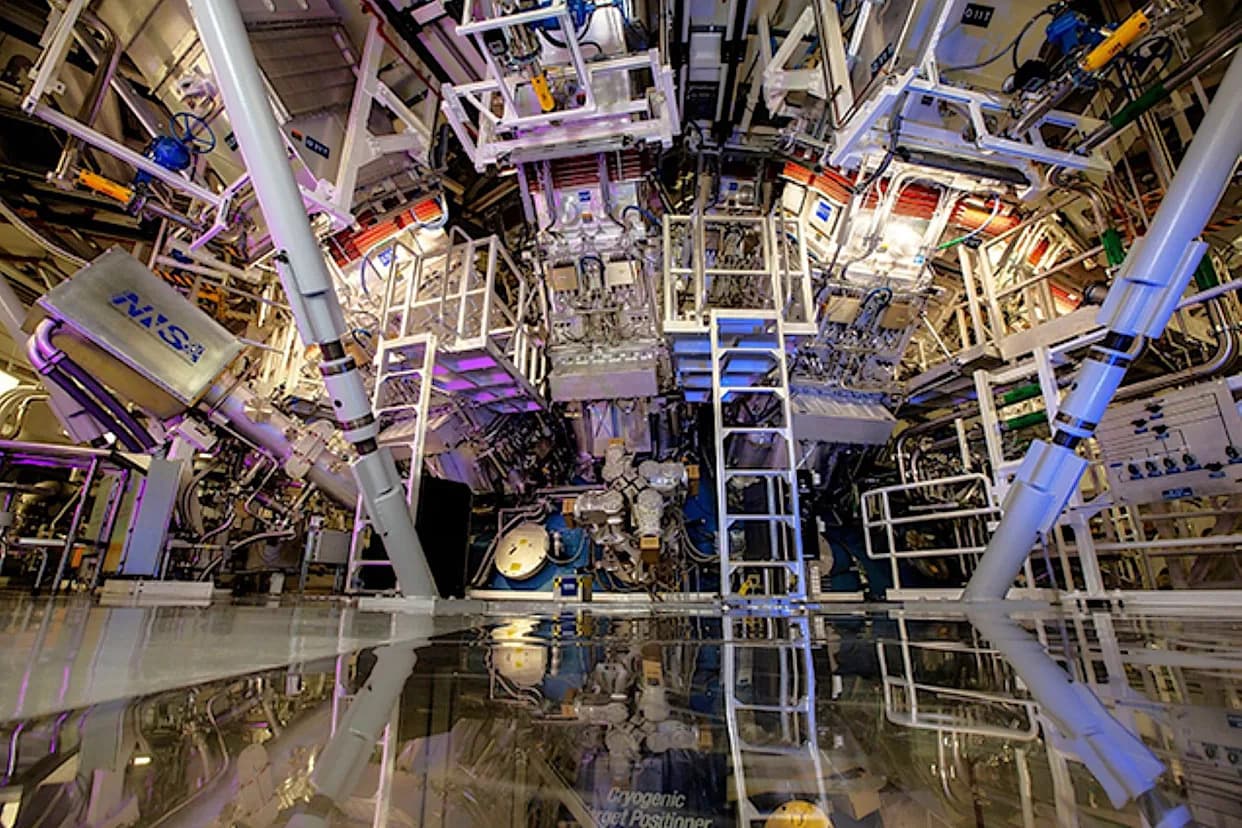
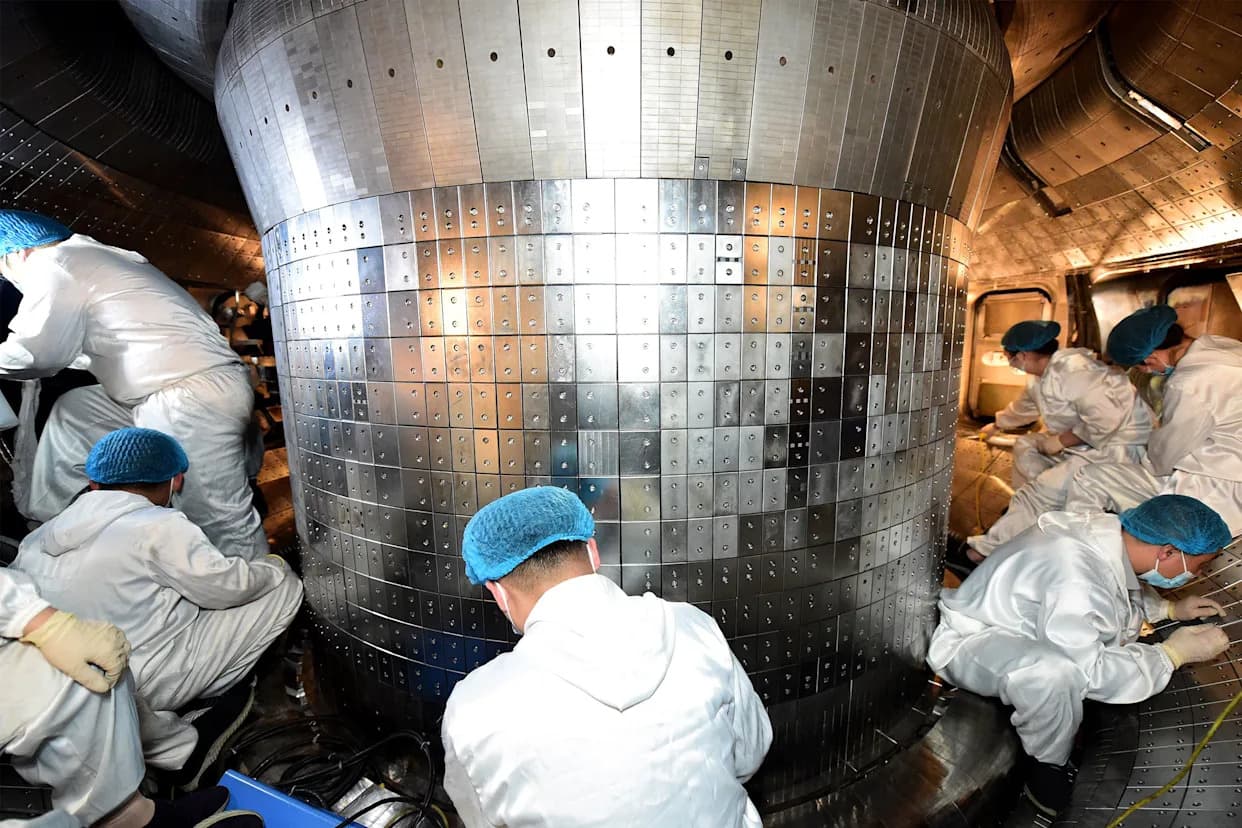
Photo Credit: National Ignition Facility & Photon Science
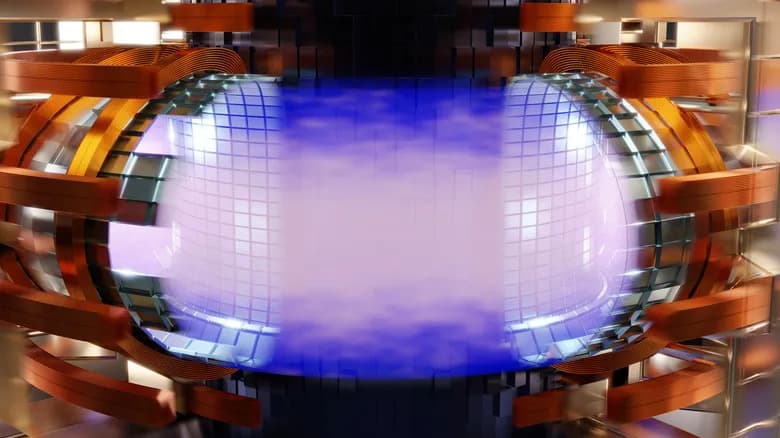
An international team of laser experts from the U.S. Lawrence Livermore National Laboratory (LLNL) and Germany’s Fraunhofer Institute has formed ICONIC-FL — the International Cooperation on Next‑gen Inertial Confinement Fusion Lasers — to accelerate laser‑driven nuclear fusion research with an eye toward continuous, 24/7 power production.
Project Goals and Approach
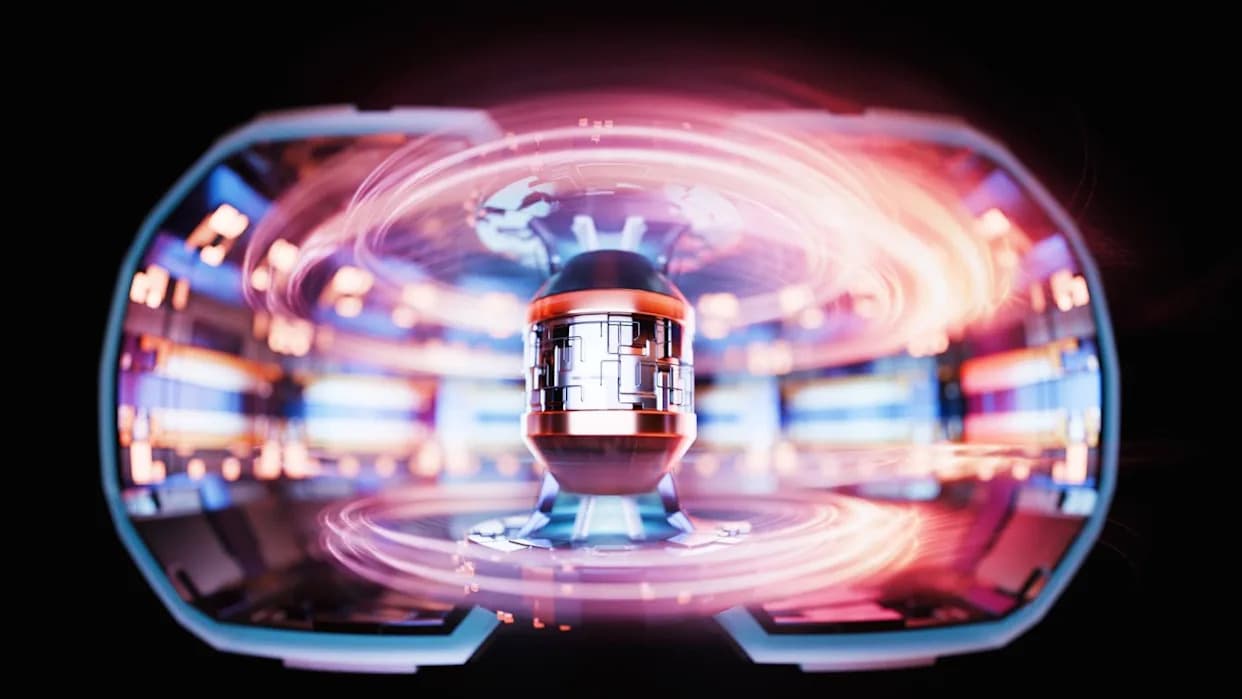
ICONIC-FL aims to develop rugged, high‑repetition laser systems capable of firing about 15 high‑power pulses per second to compress and heat fusion fuel to temperatures above 100 million degrees Celsius. The collaboration focuses first on detailed simulations and component development (amplifiers, optics, cooling and control systems) to reduce variables before costly physical tests.
"We are in the decisive decade for fusion energy," said Fraunhofer professor Constantin Häfner, emphasizing the urgency of moving from laboratory demonstrations toward power‑plant‑grade systems.
Why Lasers?
Laser‑driven inertial confinement is one of several fusion approaches being explored worldwide. Unlike magnetic confinement concepts, laser systems compress tiny fuel targets rapidly to trigger fusion. Proponents argue lasers could offer a scalable path to high duty‑cycle operation if laser durability, cost and thermal management challenges are solved.
Progress and Context
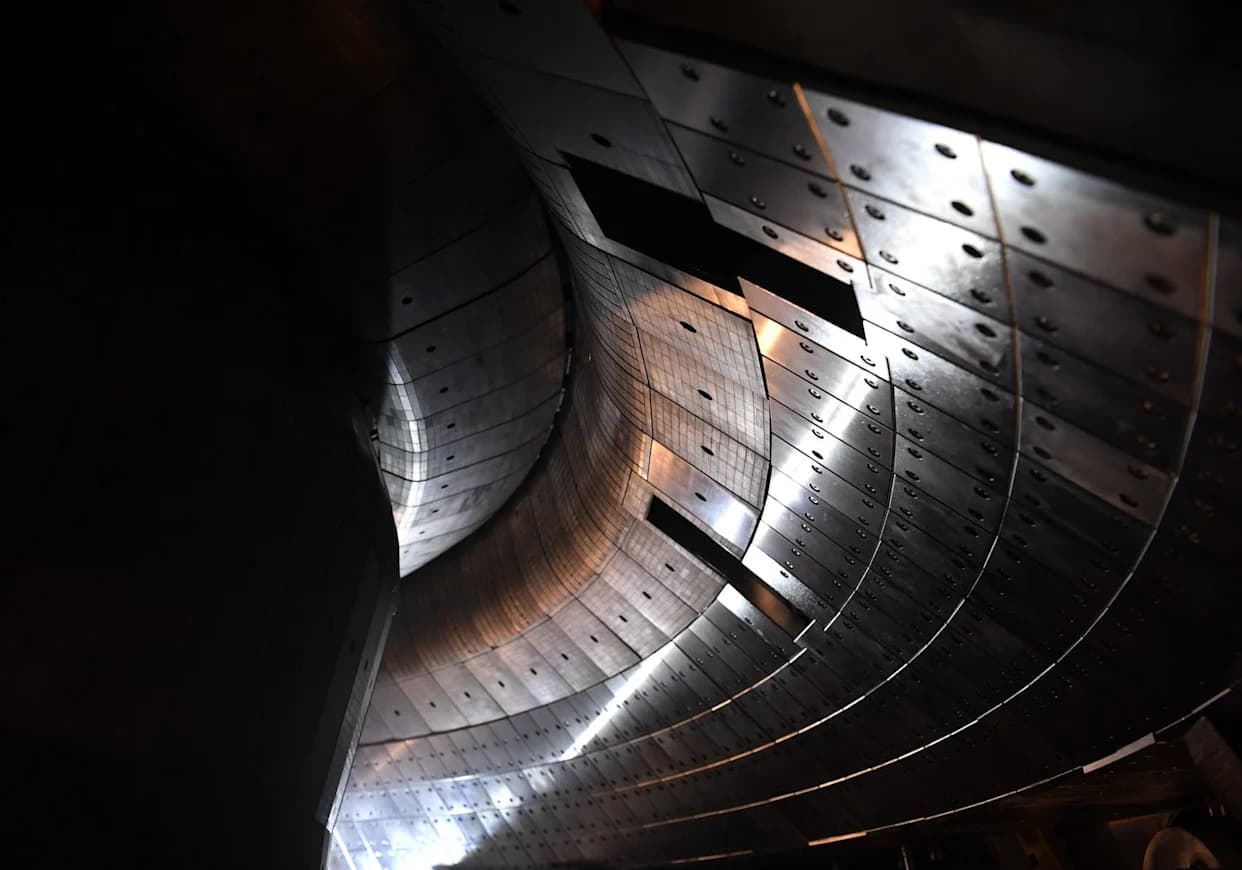
LLNL achieved a notable milestone in 2022 when the National Ignition Facility concentrated a stadium‑sized laser system on a target roughly the size of a pencil eraser and produced more energy at the target than was delivered to it — a key step toward net energy gain at the shot level. That result demonstrated potential but did not yet translate into a continuous, practical power source.
"We are laying the foundation for future power plants," said Fraunhofer project manager Johannes Weitenberg, noting that even small, unpredictable effects become critical when scaling to continuous operation.
Risks, Challenges and Alternatives
Major obstacles remain: the high capital and operating costs of next‑generation lasers, engineering hurdles to sustain high repetition rates, and complex thermal and materials demands. Watchdogs such as the Union of Concerned Scientists have also warned about potential dual‑use risks for powerful technologies. As Dylan Spaulding of UCS put it, technological breakthroughs can be both beneficial and dangerous depending on how they are used.
Meanwhile, established renewable technologies — especially wind and solar — are currently the fastest and least expensive options to expand clean electricity on the grid, according to analyses such as those from financial advisory firm Lazard. Home solar and grid renewables remain near‑term tools for reducing emissions while fusion research continues.
Outlook
ICONIC‑FL represents a focused international effort to overcome specific laser‑system challenges and bring laser fusion closer to continuous power production. Success is not guaranteed and timelines are uncertain, but the collaboration reflects growing momentum and a strategic push to convert laboratory fusion advances into technologies that could, in time, provide large‑scale, low‑emission electricity.
"As with so many technological breakthroughs, the most powerful can also be the most destructive… it is up to us to choose how we use it," warned Dylan Spaulding of the Union of Concerned Scientists.
Help us improve.