Researchers at Japan's National Institute for Fusion Science have experimentally identified "mediator turbulence" as the cause of sudden heat losses in magnetic-confinement fusion experiments. Studies on the Large Helical Device show these turbulent pathways can link distant regions and allow heat to move in as little as 0.0001 seconds. Experiments found longer heating pulses suppress the effect, suggesting practical ways to improve confinement. While promising, the finding does not remove the substantial technical and cost challenges that remain for commercial fusion.
Scientists Detect 'Mediator Turbulence' That Makes Heat Jump Across Fusion Reactors

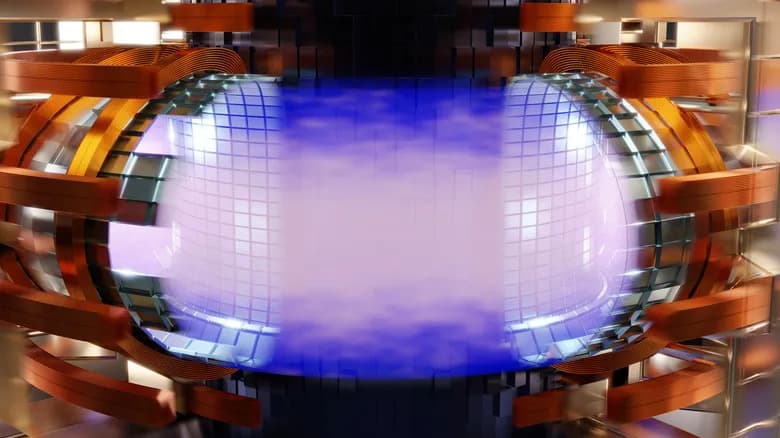
Photo Credit: iStock
Researchers at Japan's National Institute for Fusion Science (NIFS) report experimental evidence for a phenomenon called "mediator turbulence", which can cause abrupt, large-scale heat losses in magnetic confinement fusion reactors.
What The Team Observed
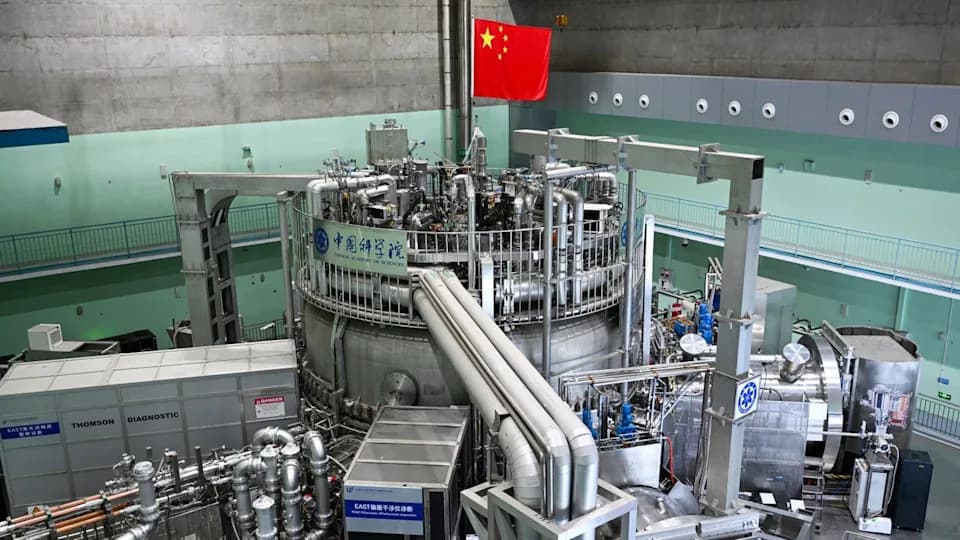
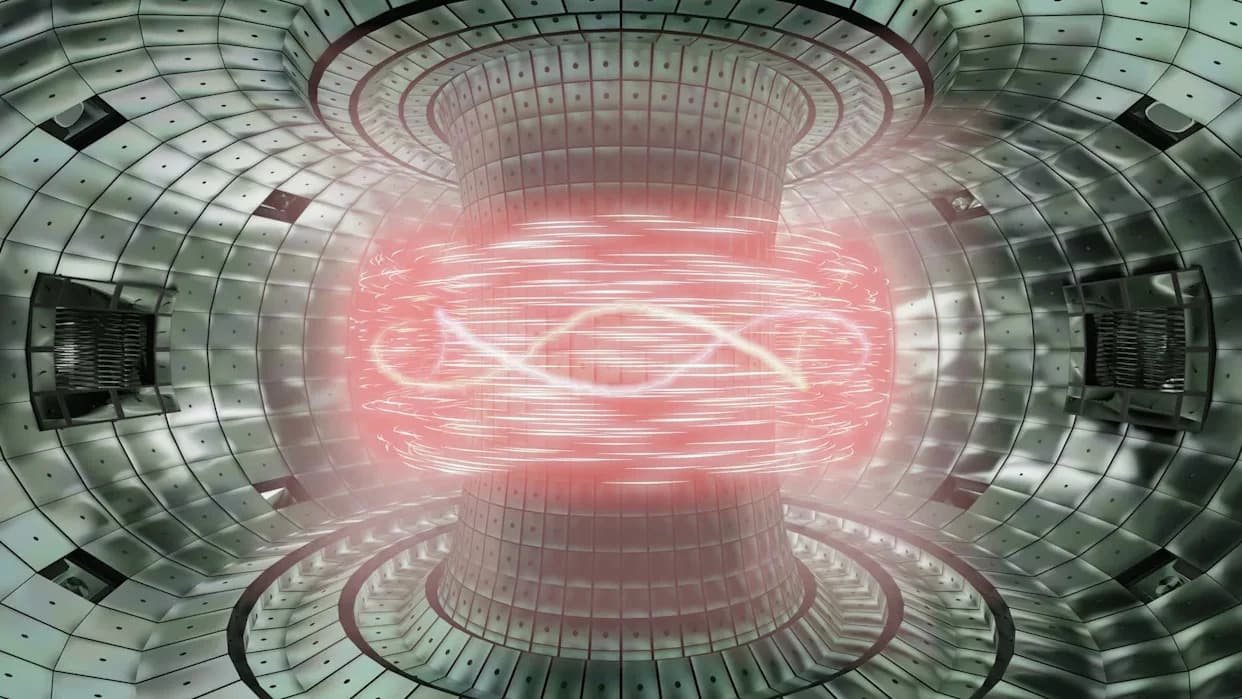
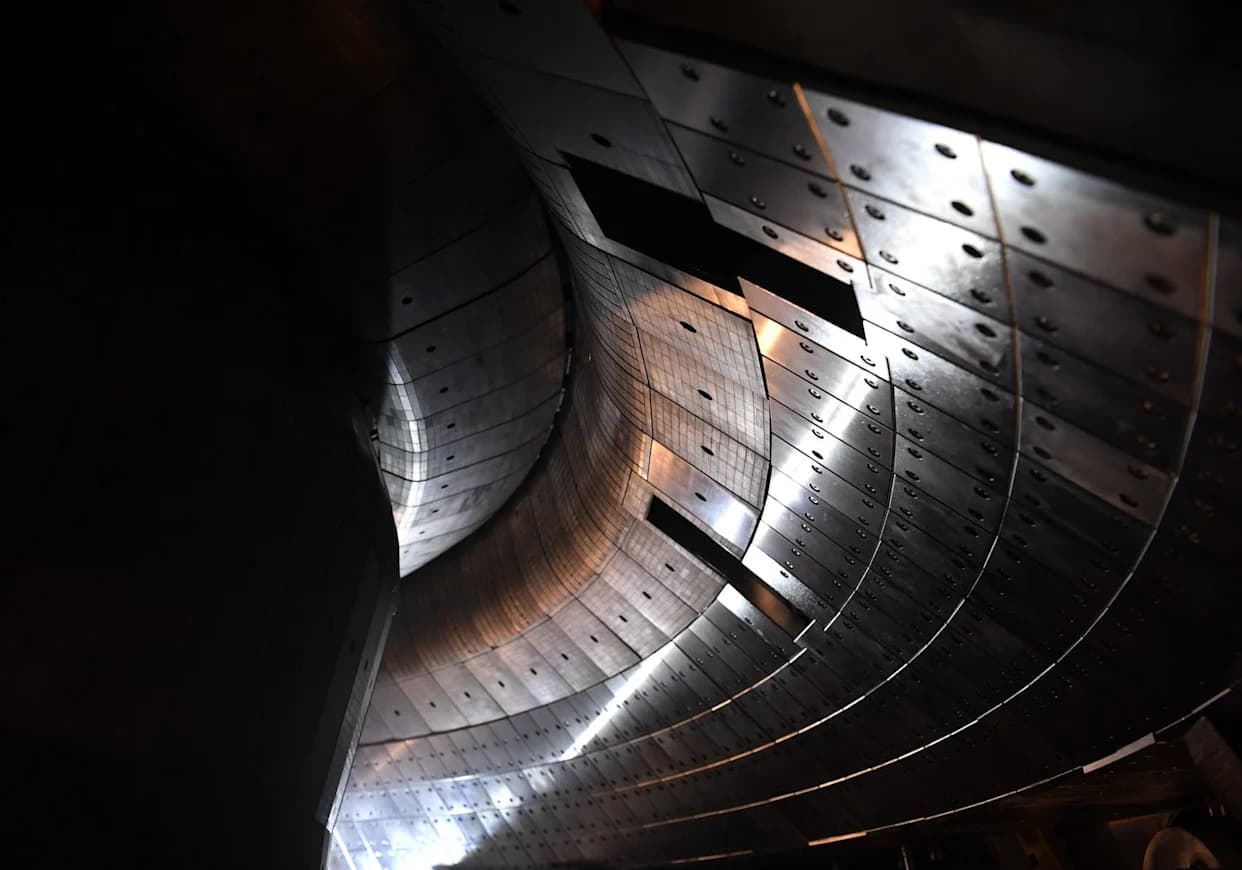
Using the Large Helical Device (LHD) — a major stellarator experiment that confines hot plasma with magnetic fields — the researchers found that mediator turbulence establishes fast, long-range links between spatially separated regions of the reactor. Those links allow thermal energy to "jump" from the hot plasma core to much cooler wall regions in as little as one ten-thousandth of a second (0.0001 s), degrading confinement and wasting heating power.
How The Effect Was Tested
To probe the phenomenon, the team applied a sequence of short heating pulses to the plasma and measured temperature responses at multiple locations. The data showed a clear correlation: shorter pulses revealed rapid, long-distance heat transport consistent with mediator turbulence, while longer-duration pulses tended to suppress the turbulence and kept thermal energy closer to the core.
"This research provides the first unambiguous experimental evidence for the long-hypothesized mediator pathways, validating key theoretical predictions in plasma physics," the NIFS team said.
Why This Matters
The observation validates a theoretical mechanism that helps explain puzzling, rapid heat-loss events in fusion devices. Understanding and controlling mediator turbulence could improve energy confinement and reactor efficiency, reducing wasted heating costs and helping bring fusion closer to practical power generation.
Limitations And Next Steps
Although this result is an important step, commercial fusion remains distant: reactors require expensive, complex equipment and must sustain extreme temperatures while solving multiple technical challenges. The NIFS findings suggest practical mitigation strategies (for example, tuning heating pulse profiles and improving turbulence diagnostics), but further research, engineering development, and sustained investment will be needed to turn these insights into reliable operational control methods.
Bottom line: The LHD experiments provide the first clear lab evidence that mediator turbulence can cause near-instantaneous heat jumps across a reactor, and they point toward concrete ways to reduce that effect — a useful advance for fusion research.
Help us improve.