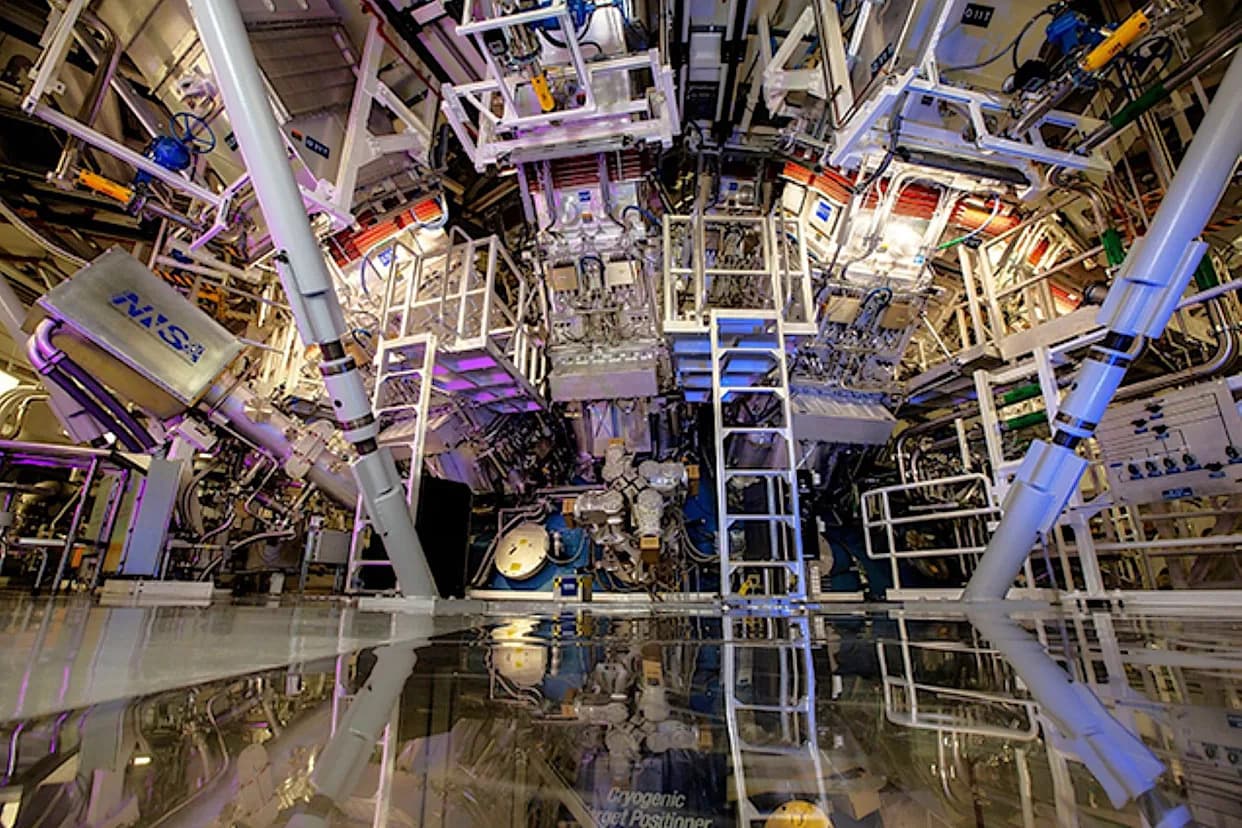
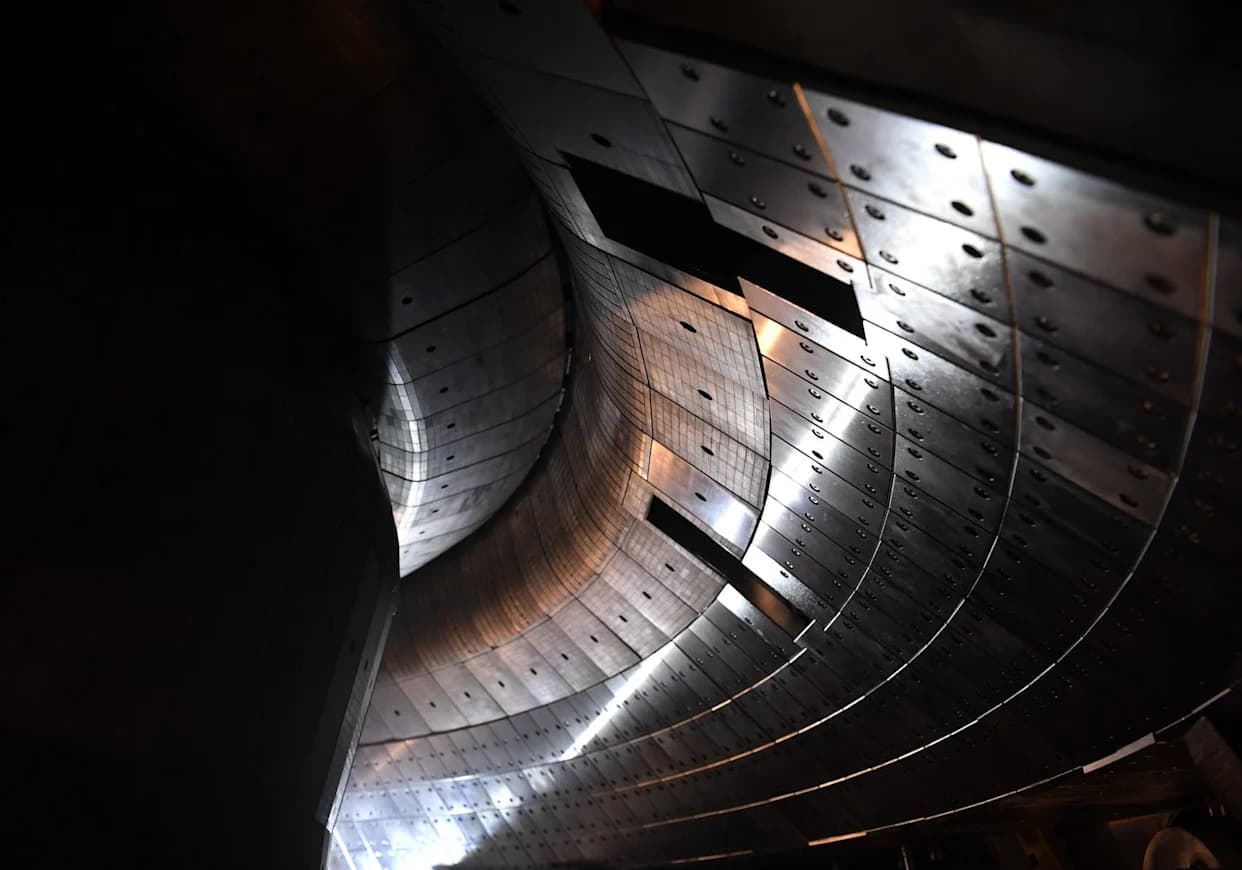
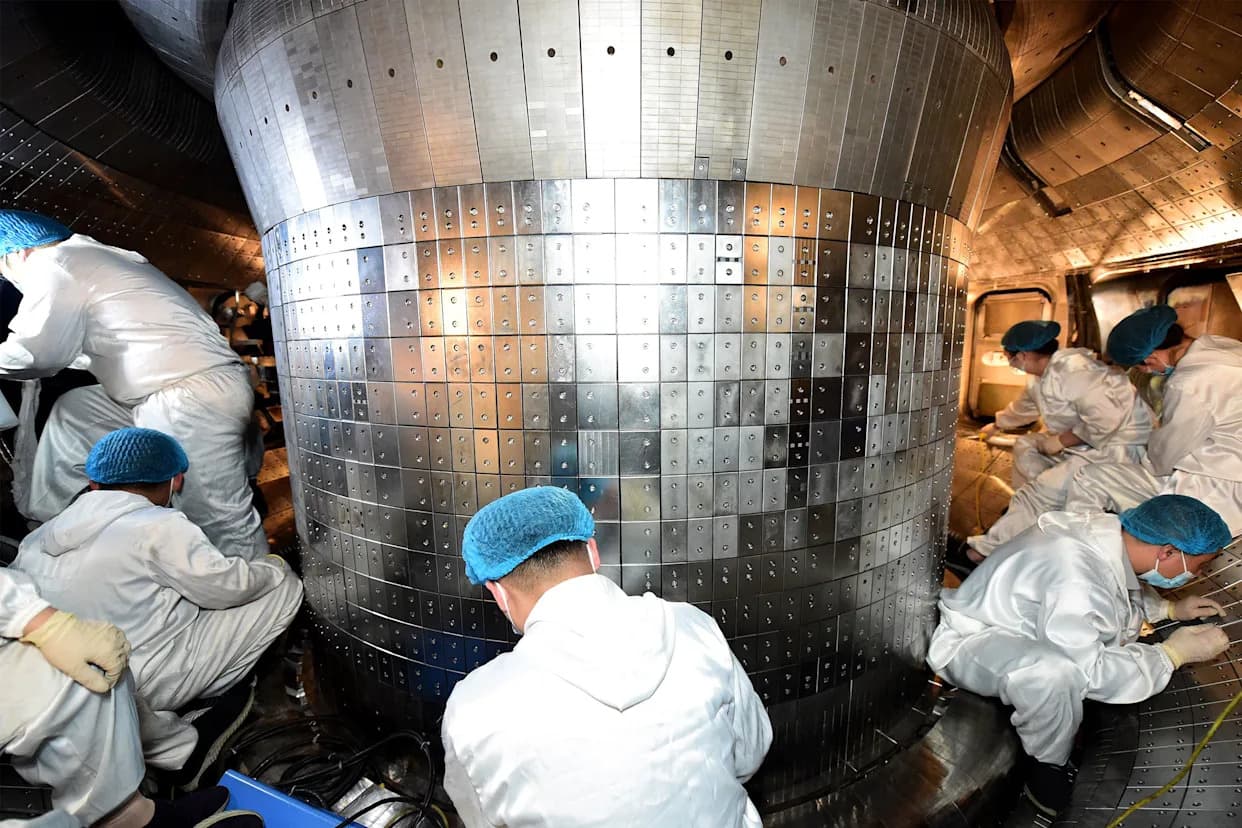
ORNL, Type One Energy and the University of Tennessee will build a powerful high-heat-flux test facility at TVA’s Bull Run Energy Complex to evaluate materials and plasma-facing components under extreme fusion-like conditions. The facility will target steady-state heat loads above 10 MW/m2 using electron-beam technology and will be the only U.S. HHF site with pressurized helium cooling. Funded by DOE’s Fusion Energy Sciences program, Type One Energy and Tennessee, the project aims for completion by the end of 2027 and will strengthen East Tennessee as a fusion research and manufacturing hub.
Oak Ridge, Type One Energy & UT To Build U.S.'s Most Powerful High-Heat-Flux Fusion Test Facility
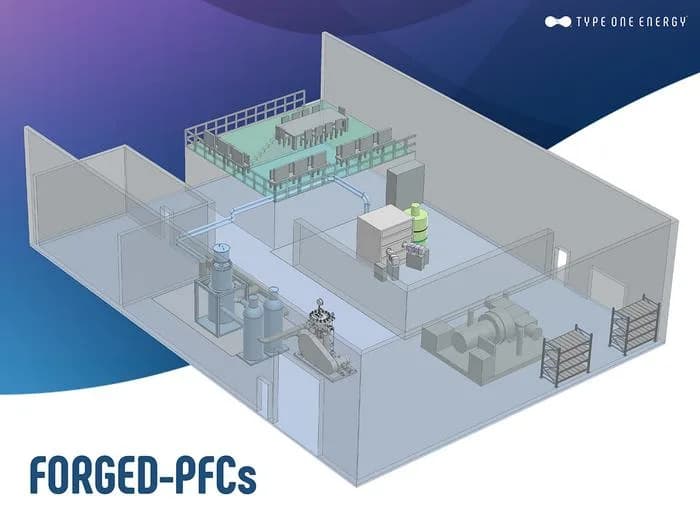
Oak Ridge National Laboratory (ORNL), Type One Energy and the University of Tennessee (UT) have launched a partnership to build a world-class high-heat-flux (HHF) test facility at the Tennessee Valley Authority’s (TVA) Bull Run Energy Complex in Clinton, East Tennessee. The installation is designed to accelerate U.S. fusion innovation by testing how materials and plasma-facing components (PFCs) perform under extreme thermal and particle loads expected inside fusion reactors.
Facility Purpose and Design
The HHF facility will reproduce the intense heat fluxes encountered in fusion devices to qualify and validate materials and designs for pilot plants. The team is targeting a steady-state heat load greater than 10 megawatts per square meter on test subcomponent surfaces using electron-beam technology, producing conditions comparable to those inside some rocket engines.
A distinctive feature of the facility will be pressurized helium gas cooling, which many U.S. fusion concepts favor because of helium’s high operating temperature range, chemical inertness, and stability under prototypical fusion conditions. This will make the facility the only domestic HHF installation with pressurized helium cooling and, by capability, the most powerful HHF facility in the United States.
Location, Partners, Funding and Timeline
The HHF facility will be sited at TVA’s Bull Run Energy Complex, where Type One Energy is developing its Infinity One stellarator testbed and considering the site for a potential Infinity Two fusion power plant. Funding and support come from the Department of Energy’s Fusion Energy Sciences program within the Office of Science, Type One Energy, and the State of Tennessee.
“This unique collaboration of breakthrough science, industry innovation and academic leadership will result in the creation of a national facility critical to the success of realizing commercial fusion,” said Stephen Streiffer, director of ORNL.
TVA is preparing the site for construction. The project team plans to finalize design work, begin procurement, start assembly, and complete the facility by the end of 2027.
Impact and Complementary Programs
The HHF installation will fast-track development of robust PFCs and help industry and research teams qualify materials for fusion pilot plants. It complements ORNL’s Materials Plasma Exposure Experiment (MPEX), expanding domestic capabilities to study plasma-material interactions and material lifetime limits when containing plasma hotter than the sun.
“This partnership will enable students and faculty to contribute to materials and technology development to support deployment of fusion power to the grid and provide research and career opportunities,” said Brian Wirth, head of UT’s Nuclear Engineering Department and UT–ORNL Governor’s Chair Professor.
By leveraging regional investments and expertise, the Clinton campus is expected to evolve into a fusion development hub and potential manufacturing center for PFCs and other advanced components for future fusion plants.
For additional details, see announcements from ORNL and the Department of Energy’s Office of Science.
Help us improve.