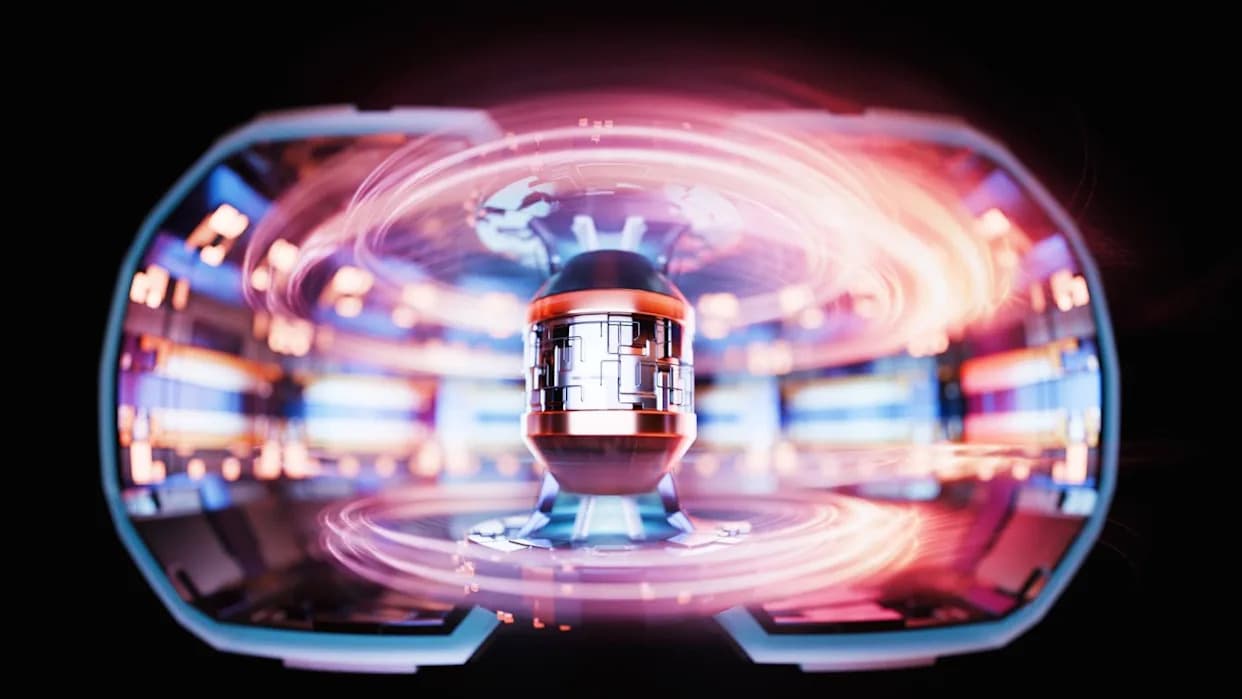
CHIEF1900 is a new hypergravity centrifuge at Zhejiang University that can generate about 1,900 g‑tonnes, roughly 1,900 times Earth's gravity. It lets scientists compress time and scale forces to simulate catastrophic events, test large‑scale structures with scaled models, and accelerate long‑term environmental processes. Engineers solved major heat and stress challenges using a vacuum‑based cooling system with liquid coolant and forced air. CHIEF1900 overtakes CHIEF1300 and exceeds the U.S. Army Corps' 1,200 g‑tonne centrifuge.
China Unveils CHIEF1900: A Hypergravity Centrifuge Generating 1,900× Earth's Gravity
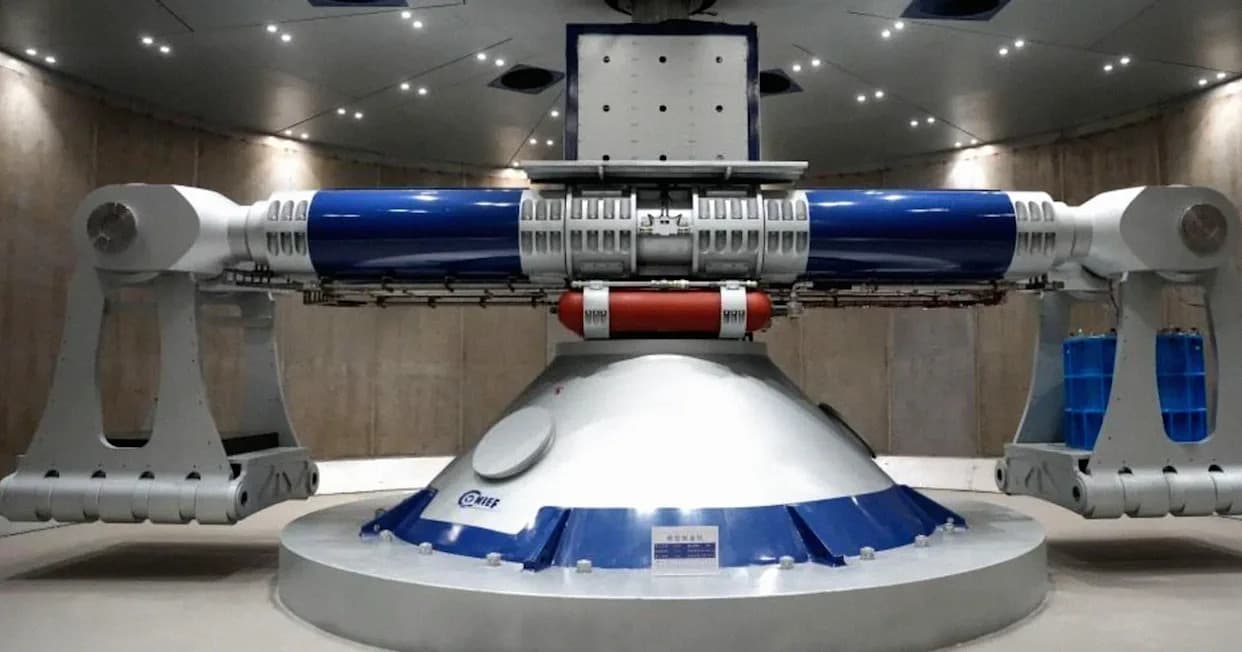
China has unveiled a powerful "hypergravity machine" that can generate forces almost two thousand times stronger than Earth's gravity.
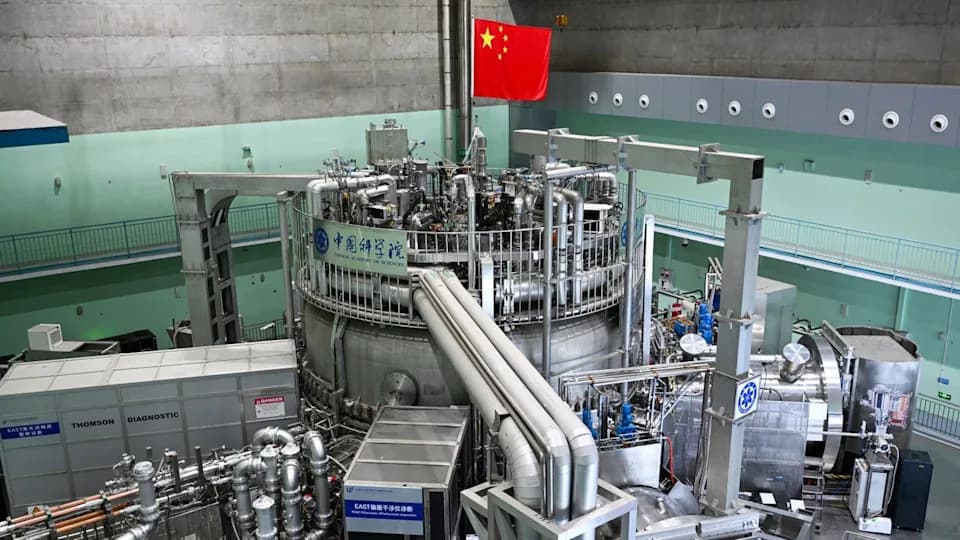
China has unveiled CHIEF1900, an ultra‑powerful “hypergravity” centrifuge at Zhejiang University's Centrifugal Hypergravity and Interdisciplinary Experiment Facility (CHIEF). The machine can produce roughly 1,900 g‑tonnes — effectively about 1,900 times the acceleration of Earth's gravity — enabling researchers to test how extreme forces affect materials, structures, plants and biological samples.
How it works and what it simulates
CHIEF1900 spins a payload inside a heavy‑duty centrifuge to amplify gravitational loads. By scaling forces and compressing experimental time, the device can reproduce conditions found in catastrophic events (such as dam collapses or earthquakes) and accelerate long‑term processes (for example, simulating thousands of years of soil consolidation or pollutant migration in a much shorter period).
Practical examples
Researchers could test the stability of an almost 1,000‑foot dam by spinning a ten‑foot scale model at 100 G, or measure resonance and fatigue in high‑speed rail components under extreme loads. The facility's capabilities span experiments from atomic to kilometre scales and from milliseconds to what would correspond to tens of thousands of years in natural time.
Engineering challenges and solutions
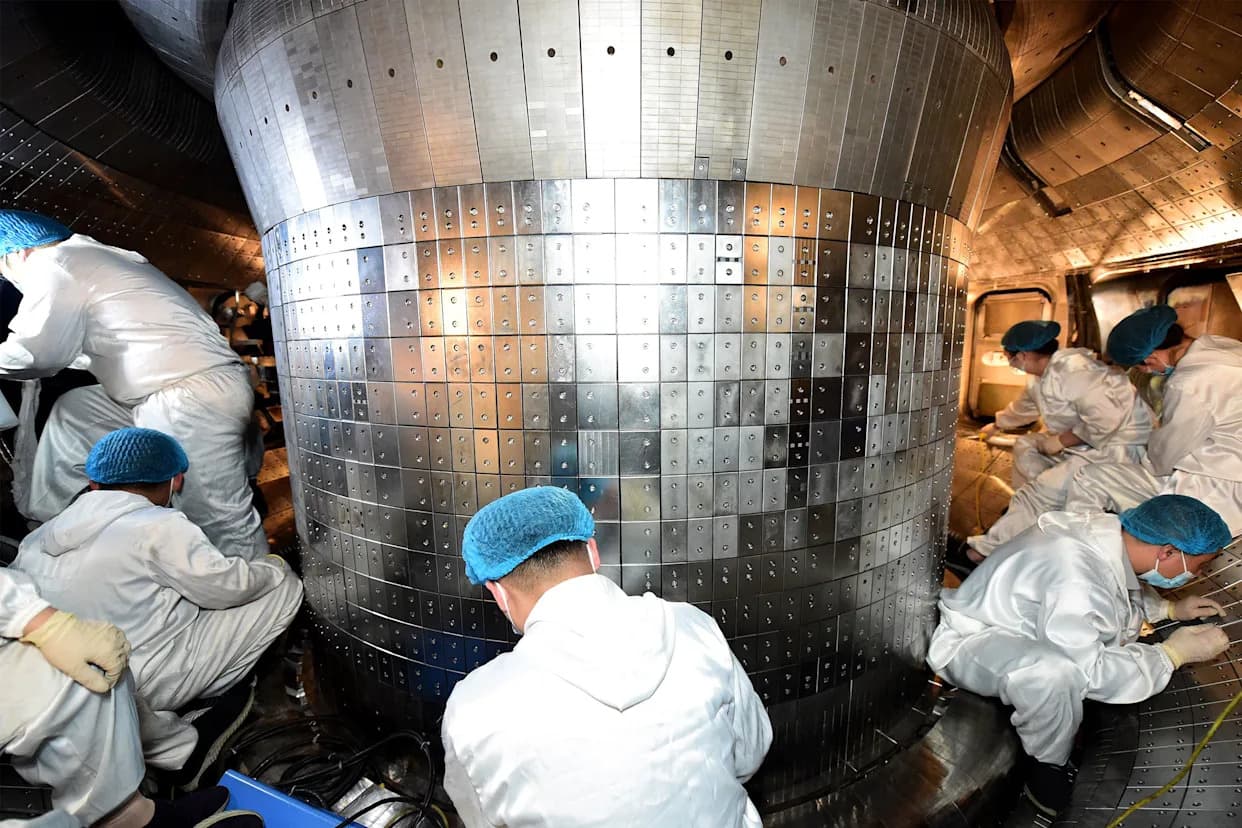
Generating such extreme forces produces intense heat and structural stress. Engineers addressed thermal management with a vacuum‑based temperature control system that combines liquid coolant and forced‑air ventilation to dissipate heat and maintain safe operating conditions. Robust mechanical design and containment measures are required to cope with enormous centrifugal loads.
Records and context
CHIEF1900 replaced CHIEF1300 as the world's most powerful centrifuge just months after CHIEF1300 set the previous record. The new machine surpasses a U.S. Army Corps of Engineers centrifuge in Vicksburg, Mississippi, which has a documented capability of about 1,200 g‑tonnes. (The unit "g‑tonnes" combines gravitational acceleration in g and the mass in tonnes.)
Scientific potential
According to Chen Yunmin, CHIEF's chief scientist and a Zhejiang University professor, the facility aims to create experimental environments that cover vast ranges of time and scale under diverse temperature and pressure conditions. The team hopes CHIEF1900 will reveal new phenomena and inform theories across civil engineering, materials science, geotechnical research and biological studies.
Reporting and technical details referenced from the South China Morning Post and Zhejiang University releases.
Help us improve.