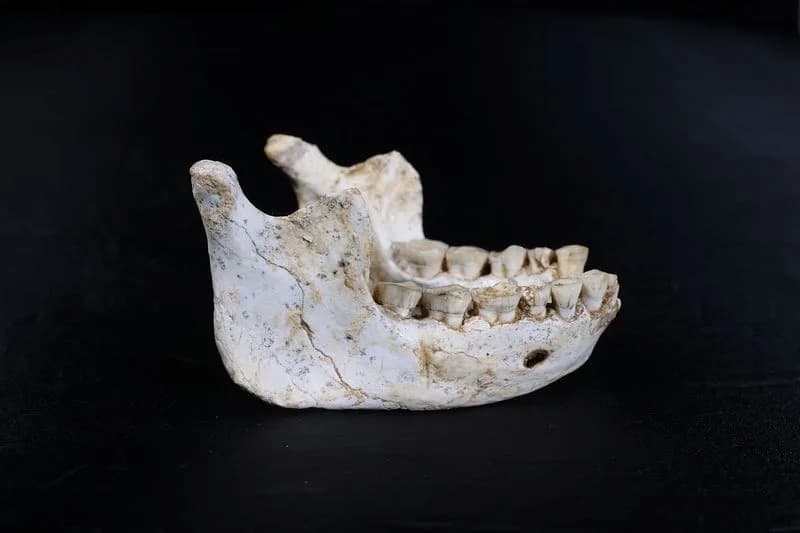
The partial lower jaw MLP-3000, recovered at Mille-Logya in Ethiopia's Afar region and dated to ~2.6 million years ago, is attributed to the genus Paranthropus. This specimen lies roughly 620 miles (1,000 km) farther north than any previously known Paranthropus fossil, expanding the genus's known geographic range. The discovery implies greater dietary and ecological flexibility for these "robust" hominins and adds a third genus to the Afar hominin assemblage alongside Australopithecus and early Homo. The find raises new questions about interactions and niche partitioning among contemporaneous hominins.
2.6-Million-Year-Old 'Nutcracker Man' Jaw Found Farther North Than Expected — A Paranthropus Surprise in Ethiopia
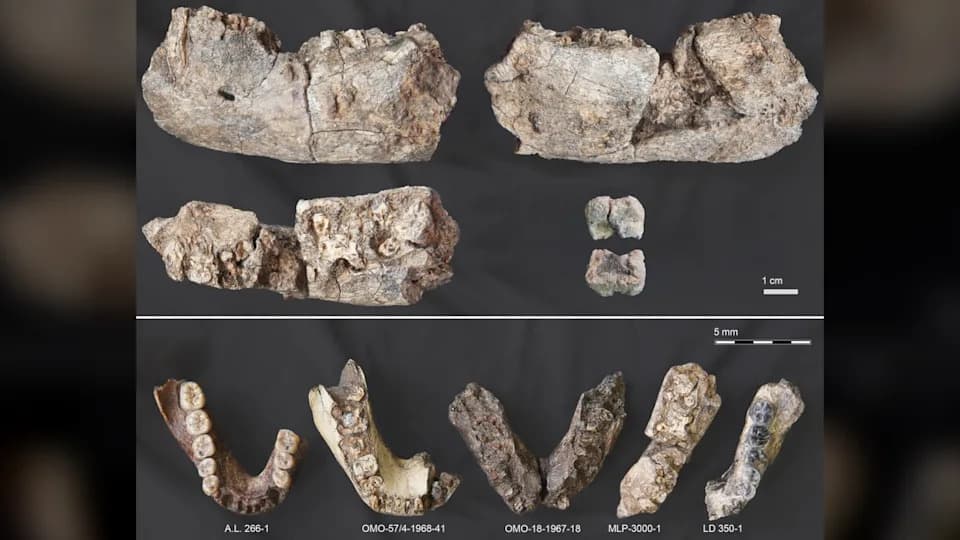
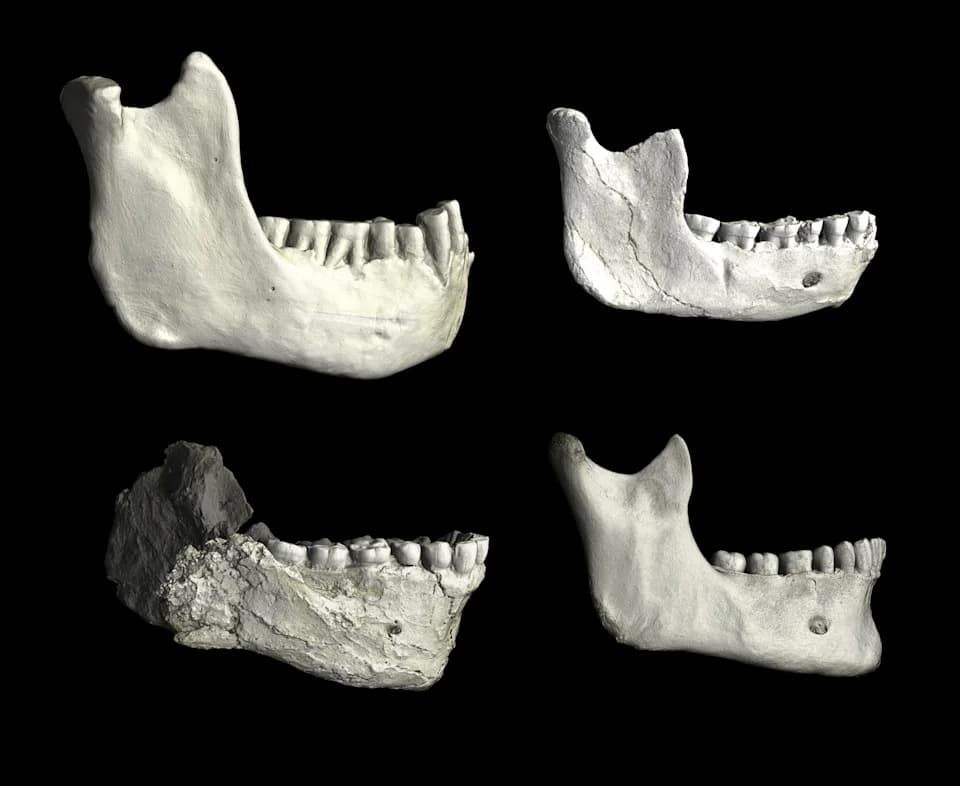
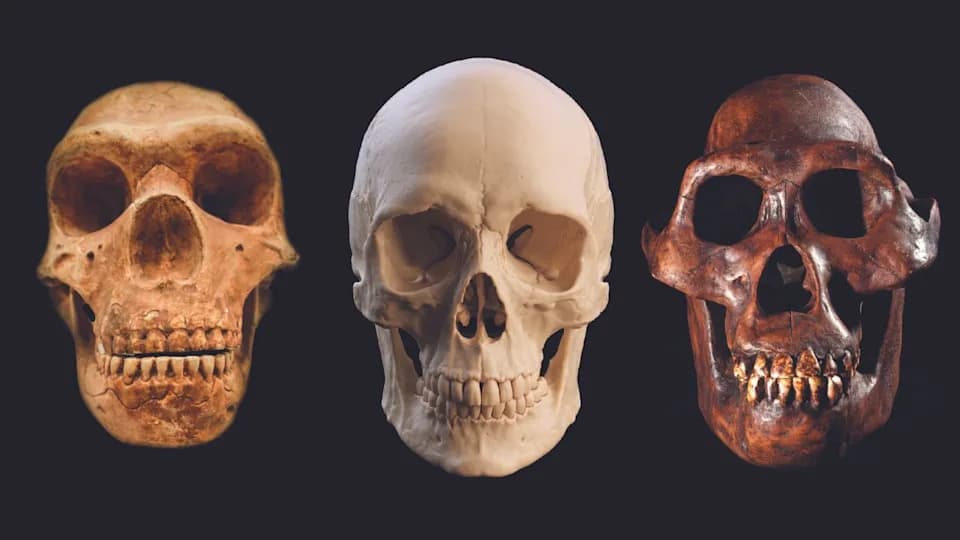
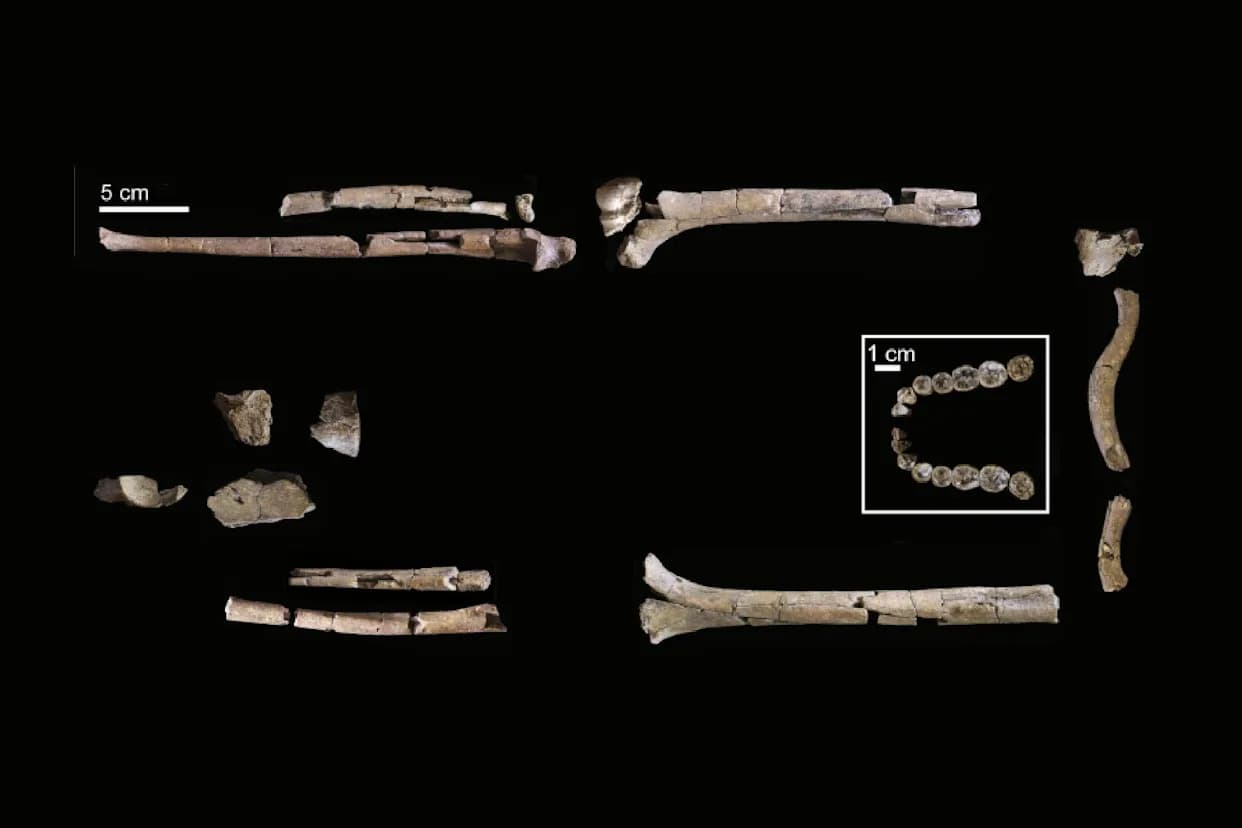
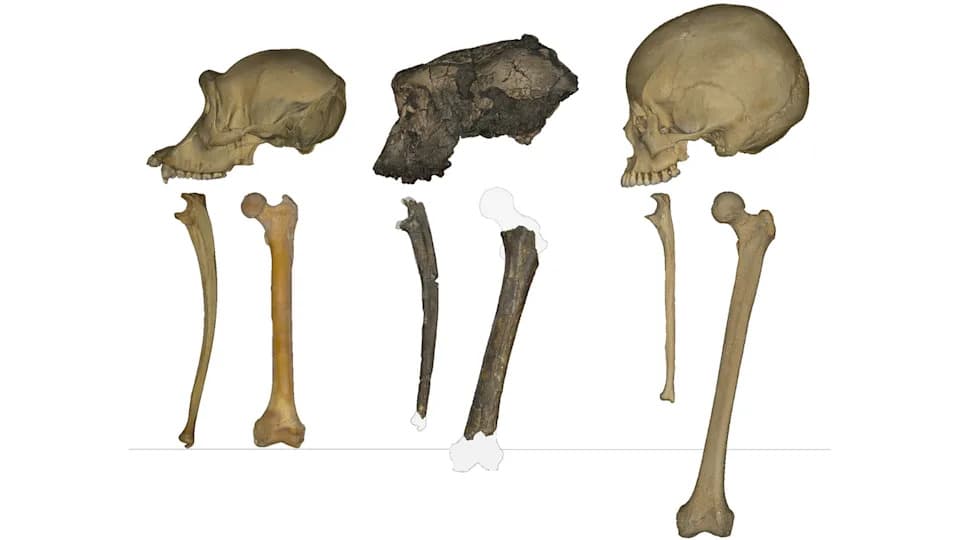
Multiple views of the newParanthropusjaw (MLP-3000-1) discovered in Ethiopia (top); comparisons of the new jaw with previously discovered specimens (bottom). . | Credit: Alemseged Research Group
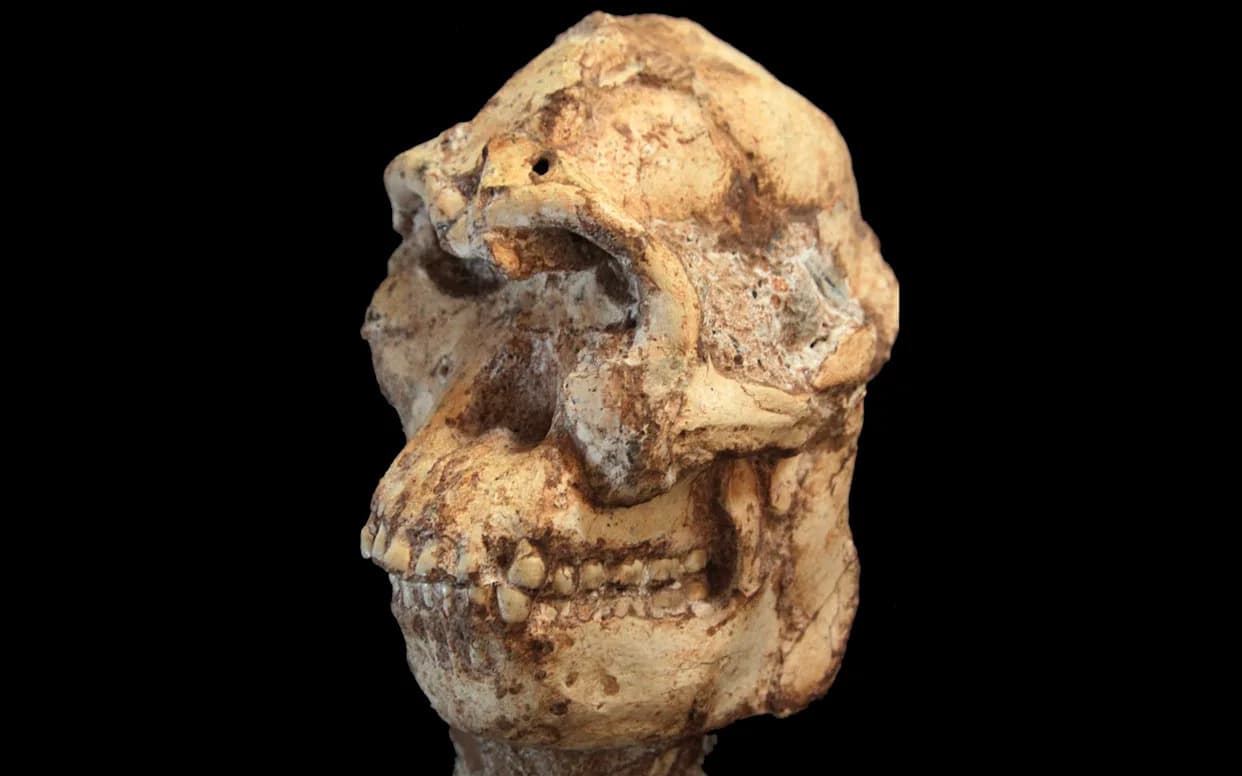
Fragments of a roughly 2.6 million-year-old lower jaw recovered at Mille-Logya in Ethiopia's Afar region are reshaping scientists' view of early hominin geography and ecology. The partial mandible, catalogued as MLP-3000, shows features diagnostic of the genus Paranthropus and was found more than 620 miles (about 1,000 km) farther north than any previously known fossil of this group.
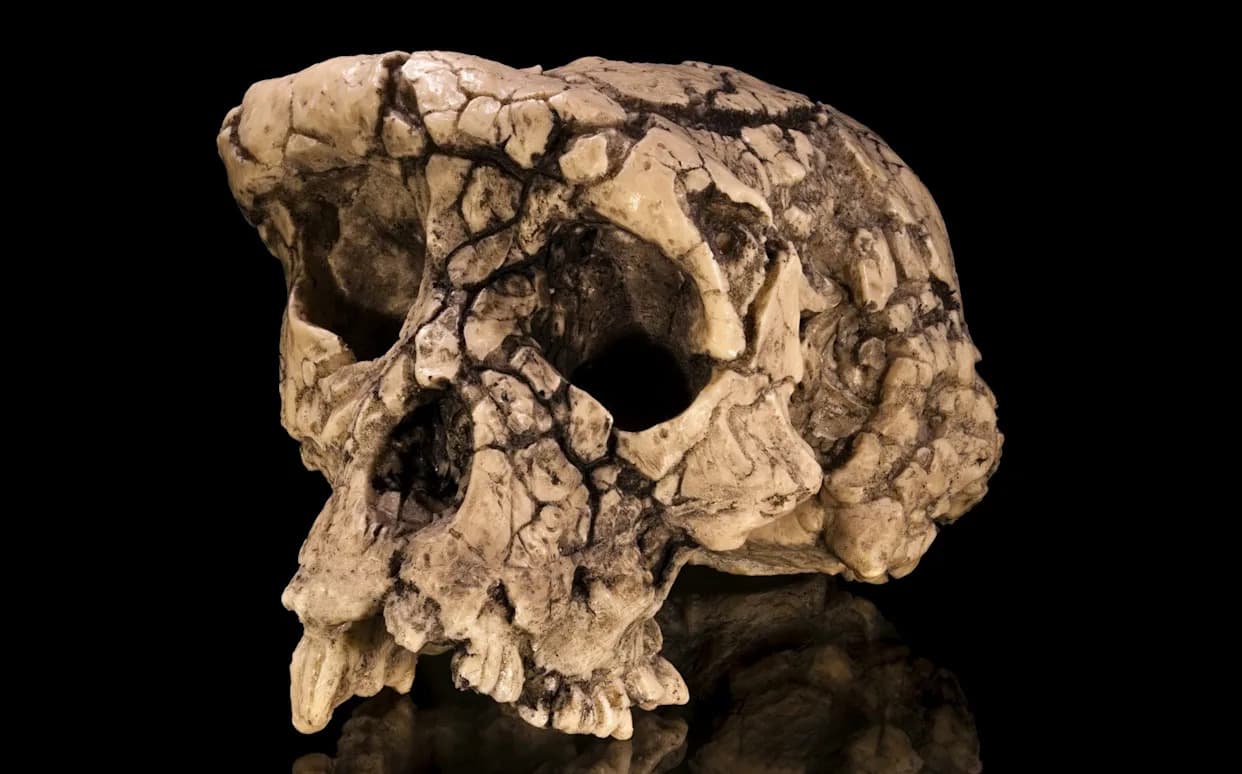
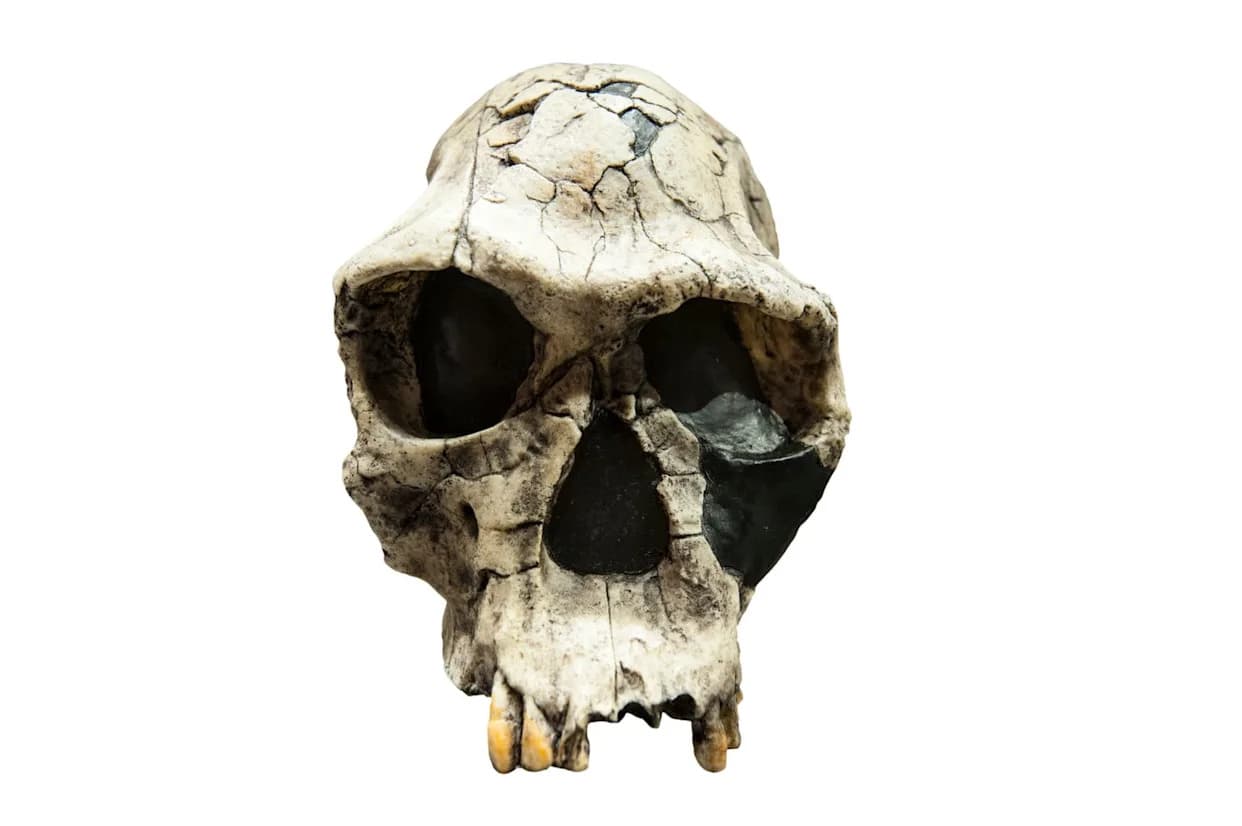
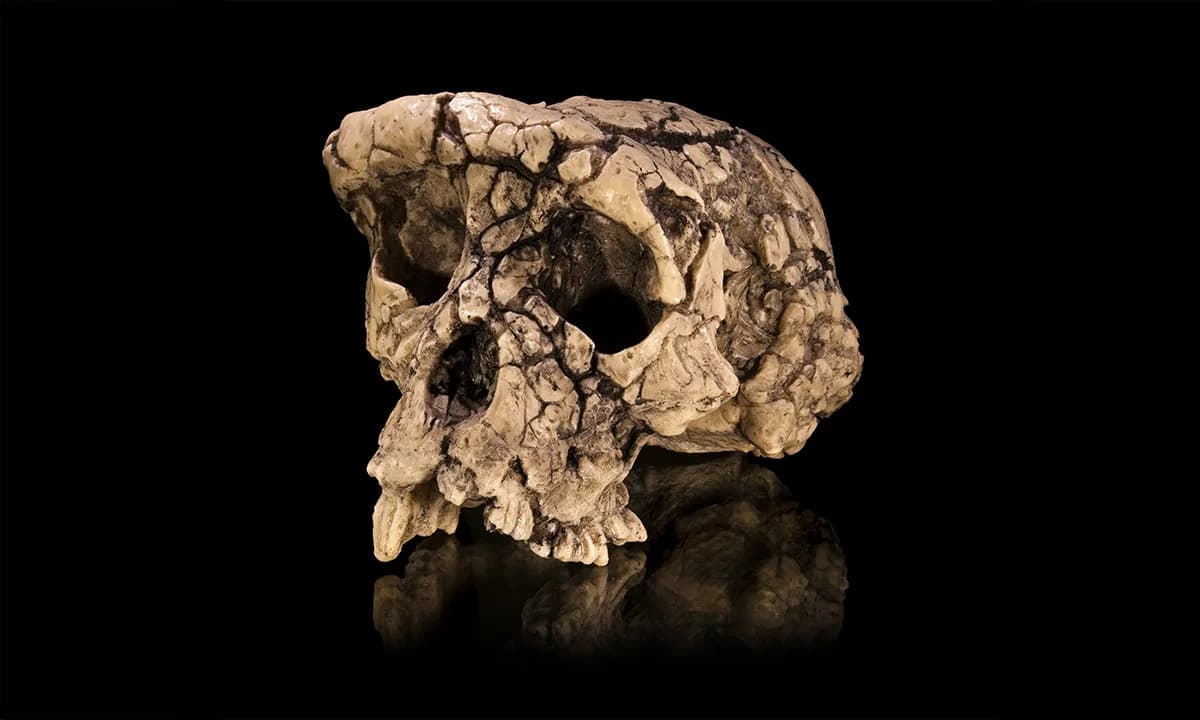
Paranthropus — the so-called "robust" hominins that include P. robustus, P. boisei and P. aethiopicus — are notable for their large jaws and teeth. One fossil skull has long been nicknamed "Nutcracker Man" because of these heavy chewing adaptations. Until this discovery, Paranthropus fossils were known from southern Ethiopia and points farther south in Africa and dated roughly between 2.8 million and 1.4 million years ago.
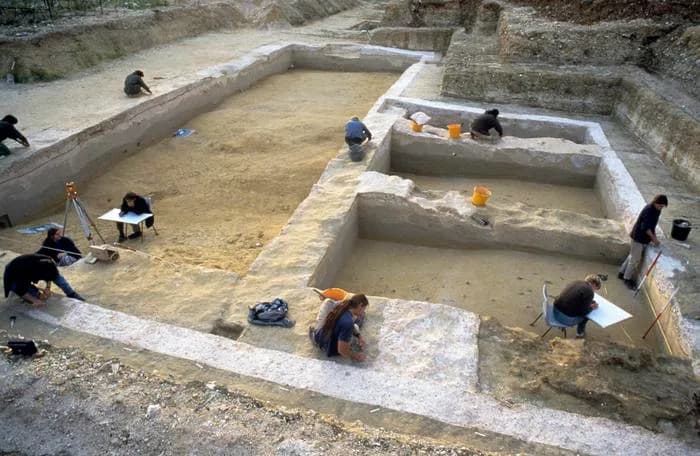
MLP-3000 was recovered in January 2019 at Mille-Logya and, based on geological and dating evidence, is estimated at about 2.6 million years old. The specimen belonged to an older individual and its dental and mandibular morphology align closely with Paranthropus features reported elsewhere. The find was reported by an international team in the journal Nature (Jan. 21).
"Until now, not a single fossil of Paranthropus had been identified in the Afar," the authors wrote. Study lead author Zeresenay Alemseged of the University of Chicago added that the region had already produced "hundreds of fossils representing over a dozen species," making this genus's prior absence puzzling.
Finding Paranthropus in the Afar expands the known geographic range of the genus and suggests greater ecological flexibility than the "Nutcracker" nickname implies. The research team argues that Paranthropus likely could exploit a variety of habitats from northern Ethiopia to South Africa — much like contemporaneous Australopithecus and early Homo — implying a more varied diet and adaptive capacity.
The Mille-Logya jaw adds a third genus to the hominin assemblage already documented in the Afar between about 2.8 and 2.5 million years ago, joining Australopithecus and early members of Homo. Whether these different hominin groups encountered or directly interacted with one another in the region remains uncertain, and the discovery raises new questions about competition, niche partitioning, and evolutionary pathways.
Carol Ward, a biological anthropologist at the University of Missouri, commented in an accompanying Nature perspective that evidence Paranthropus inhabited the Afar during this interval is "particularly exciting," underscoring the long-standing diversity of hominin lineages across Africa.
Why it matters: The MLP-3000 find challenges simplified models of human evolution that imagined a single, linear progression. Instead, it reinforces a picture of multiple, coexisting hominin lineages with different ecological strategies, expanding our understanding of how early human relatives adapted to diverse environments.
Help us improve.