White House and Senate leaders are close to a compromise that would fund most federal agencies through Sept. 30 while temporarily extending DHS funding to allow further negotiations over ICE policies. Democrats led by Chuck Schumer demand legislative changes — including limits on roving patrols, stricter warrant standards, stronger use‑of‑force rules and body cameras for ICE agents — and reject executive action as sufficient. Lawmakers face a narrow window to pass a bill before the Friday, 11:59 p.m. shutdown deadline.
Last‑Minute Talks Near Deal To Avert Shutdown As Leaders Bargain Over DHS/ICE
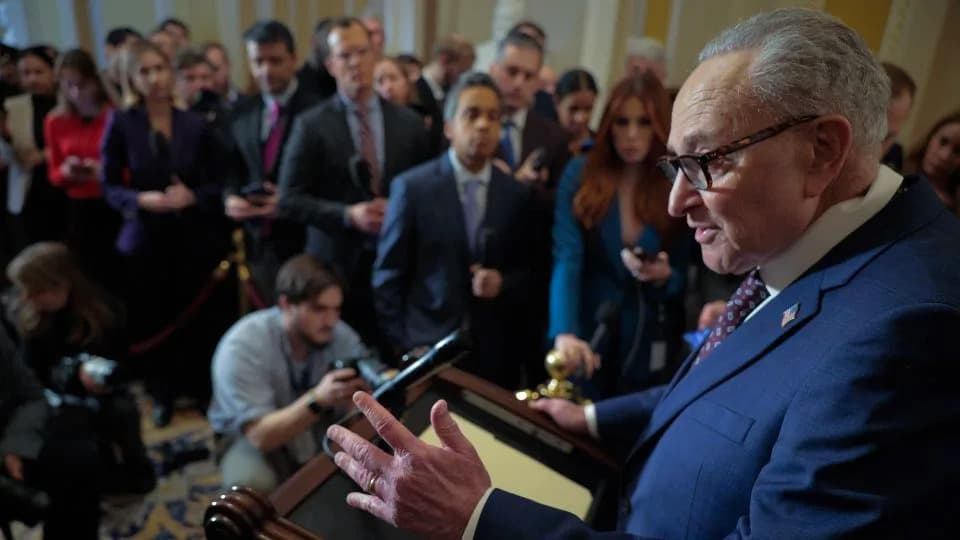
Senate Minority Leader Charles Schumer (D-NY) talks to reporters following the weekly Senate Democratic policy luncheon at the US Capitol in Washington DC, on January 28, 2026. - Chip Somodevilla/Getty Images
White House officials and Senate leaders are edging closer to a last‑minute agreement to prevent a partial government shutdown, but negotiators remain locked in eleventh‑hour talks to resolve lingering disagreements before Friday’s 11:59 p.m. deadline, according to multiple people familiar with the discussions.
Sources say the White House has moved toward a Democratic proposal to separate funding for the Department of Homeland Security (DHS) from a broader spending package. That would allow Congress to fund most federal agencies through the end of September while extending DHS funding on a short‑term basis so lawmakers can continue negotiating policy changes related to Immigration and Customs Enforcement (ICE).
What the Deal Would Do
The framework under discussion would provide full‑year funding through Sept. 30 for the Departments of Defense, Labor, State, Transportation, Health and Human Services and other agencies included in the package. DHS funding, by contrast, would be extended temporarily to buy time for talks focused specifically on ICE policies.
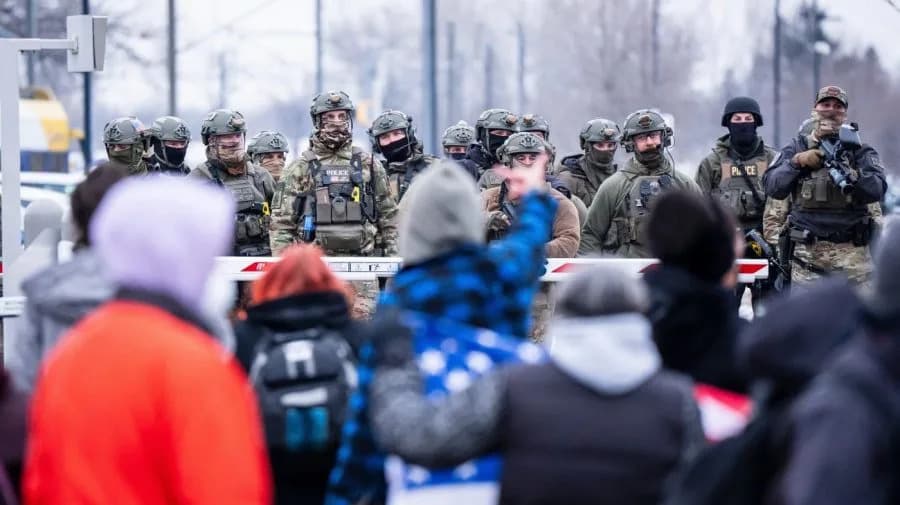
Senate Minority Leader Chuck Schumer has outlined a list of legislative conditions he says must be included in any final bill. Those proposals include restrictions on roving patrols, narrower standards for search and arrest warrants, tougher use‑of‑force rules, and requirements that ICE agents wear body cameras and remove masks during operations.
Negotiations, Timing And Political Pressure
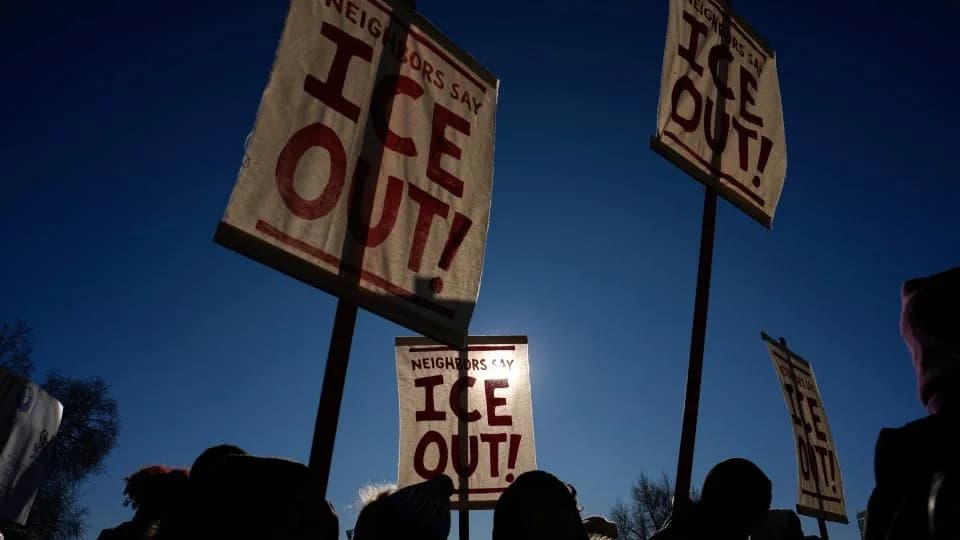
People involved in the negotiations cautioned that lawmakers still need to agree on the exact timeline for a DHS stopgap, underscoring that no final deal has been reached. The fast‑moving talks reflect both Republican awareness of public anger over recent ICE tactics following the deadly shootings of two U.S. citizens in Minneapolis and President Donald Trump’s apparent desire to avoid another government closure after last fall’s 43‑day shutdown.
“I am just so sick of them ignoring it all because Donald Trump might give them a spanking,” said Sen. Jacky Rosen, a Nevada Democrat, underscoring the intensity of Democratic pressure for written legislative protections.
Democrats — who can sustain a filibuster in the 53‑47 GOP‑led Senate — have insisted that proposed ICE reforms be codified in law rather than left to executive action. Behind closed doors, several of Schumer’s allies rebuffed White House efforts to negotiate private off‑ramps from a shutdown, arguing that Republicans must present a bipartisan solution rather than trying to peel off moderates, as happened during the last shutdown.
With a tight window to pass legislation that can clear both chambers, negotiators are working quickly to finalize language that could win enough votes and stave off a shutdown that would otherwise begin Saturday.
CNN has reached out to the White House for comment. This story was updated with additional details. CNN reporters Lauren Fox, Sarah Ferris and Alayna Treene contributed to this report.
Help us improve.