The 2025 Texas Republican primary has seen an escalation of anti-Muslim messaging as candidates spar over a proposed 1,000-home development centered on a mosque north of Dallas. Sen. John Cornyn and AG Ken Paxton have traded ads and probes—invoking “Sharia law” and Afghan resettlement—while Muslim groups and Democrats call the rhetoric racist and fearmongering. A DOJ civil-rights inquiry closed without charges last summer, and Paxton has filed a securities-fraud suit; CAIR has sued Texas over new state laws critics say target Muslims.
Texas GOP Turns Up 'Sharia Law' Rhetoric Ahead Of Heated Primary
Anti-Muslim rhetoric has become a central theme of the 2025 Texas Republican primary as candidates compete to portray themselves as the strongest opponents of a proposed 1,000-home development centered on a mosque north of Dallas.
High-Stakes Attacks, From Senate To Local Races
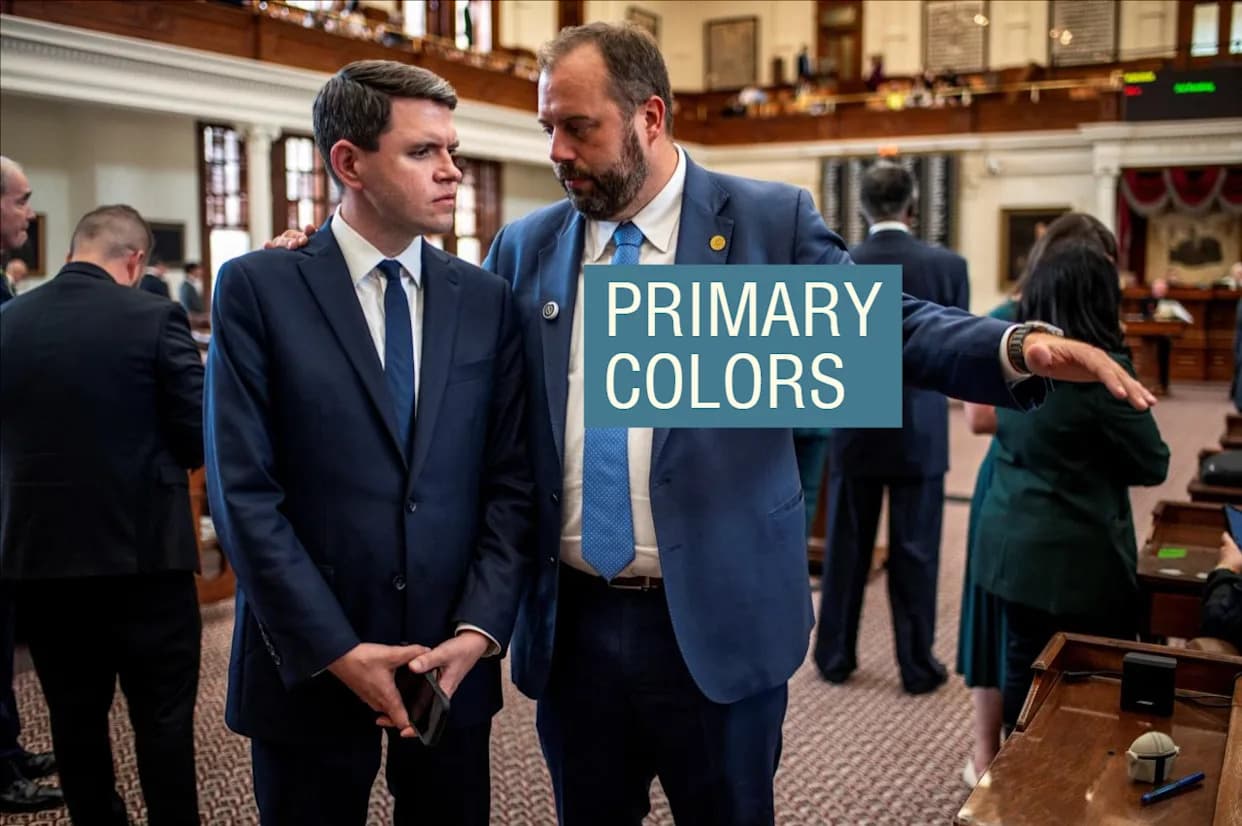
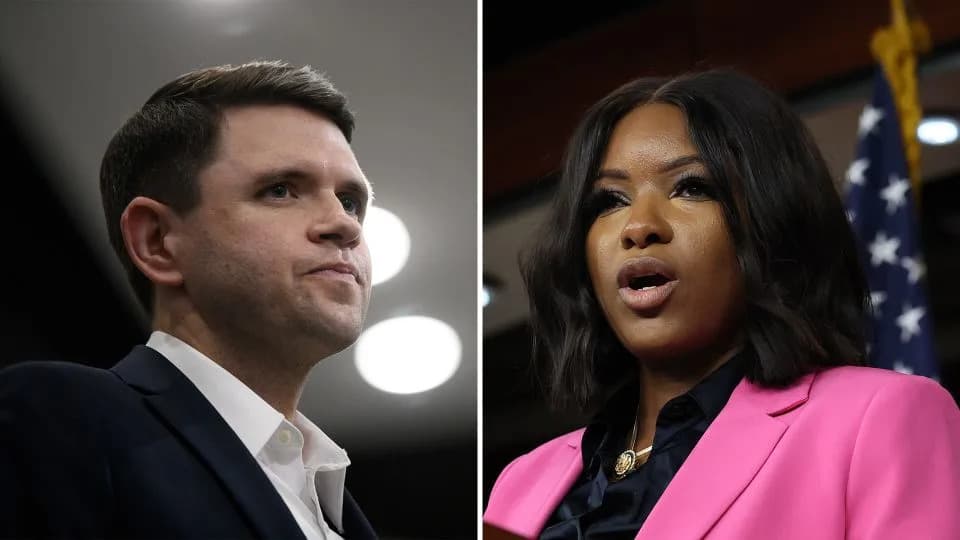
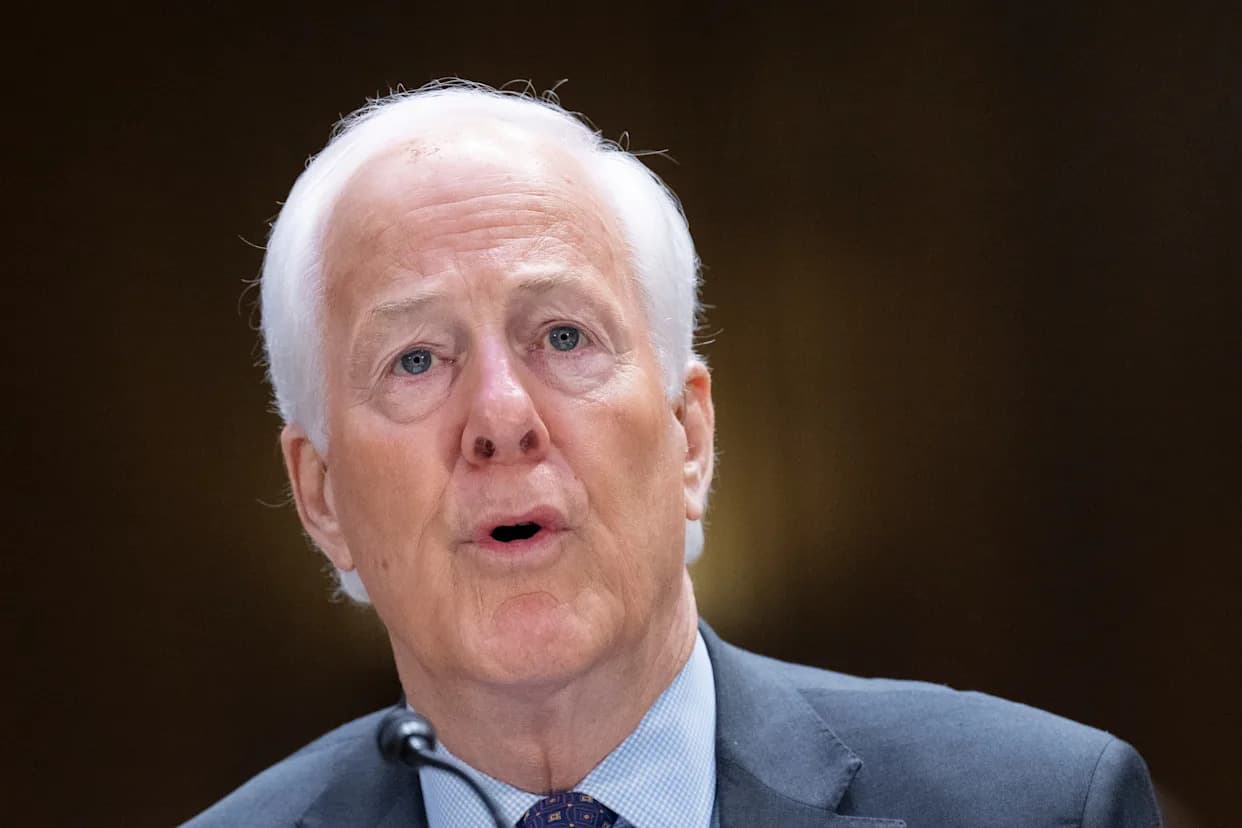
From the high-profile GOP Senate contest to local and statewide races, Republican hopefuls are trading ads and sharp rhetoric about the East Plano Islamic Center development and related refugee-resettlement programs. Sen. John Cornyn (R-Texas) and Attorney General Ken Paxton—principal rivals in the primary—have exchanged accusations on the trail and in paid media, sometimes using inflammatory language about Islam. Cornyn requested a federal inquiry into the project; Paxton opened multiple state probes and in December sued the development, alleging securities fraud.
Political Calculus And Anti-Muslim Messaging
Texas is increasingly diverse—non-Hispanic whites now account for less than 40% of the population—and its small but growing Muslim community has become a flashpoint for Republicans seeking to energize primary voters. A POLITICO review, using AdImpact data, identified ads in roughly half a dozen races since early 2025 that explicitly referenced "Sharia law." All were from or supporting Republican candidates emphasizing opposition to the project and to what they call Islamist influence.
Last week, Cornyn rolled out a seven-figure ad buy titled "Evil Face," which labels "radical Islam" a "bloodthirsty ideology," citing the Oct. 7 Hamas attack on Israel and a December shooting in Australia. The spot also notes his sponsorship of legislation to revoke the tax-exempt status of the Council on American-Islamic Relations (CAIR), a major Muslim advocacy organization. Paxton has focused on Cornyn's past support for expanding Special Immigrant Visas for Afghans and has pursued legal action against the development.
Extremes And Provocations
Several Republican contenders have run provocative advertising. Attorney general candidate Aaron Reitz ran an ad this week declaring "Islam is not compatible with Western civilization" and vowing to "stop the invasion" of Muslims. State Sen. Mayes Middleton also ran ads promising to "stop Sharia law" in Texas. In one of the more extreme provocations, activist Valentina Gomez launched a congressional bid with a video showing her burning a Quran and issuing violent warnings about Muslims; Gomez previously received only 8% of the vote in a Missouri GOP primary.
Responses From Muslim Groups And Democrats
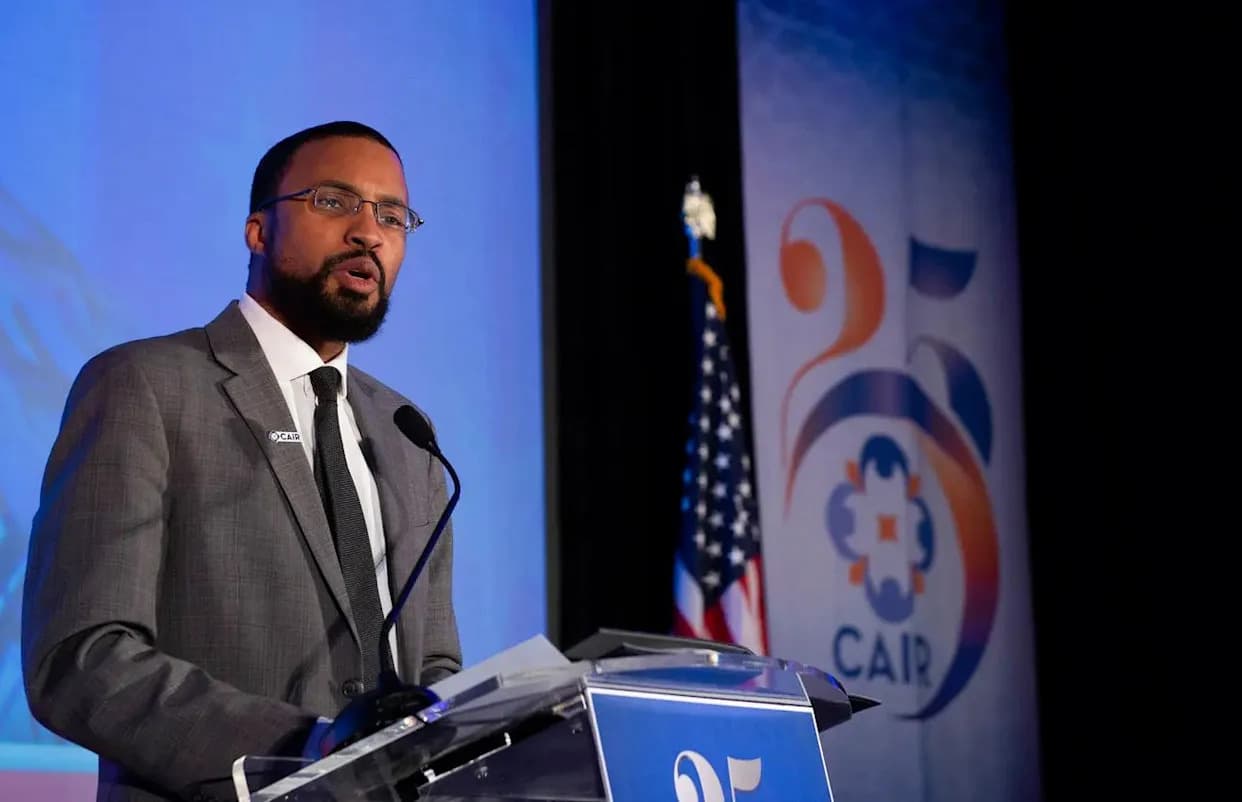
Muslim advocacy groups and Democratic operatives have condemned the ads as racist, misleading and fearmongering. Joel Montfort, a Democratic strategist, said the allegations that "Islamic leaders in the state are implementing Sharia law" are untrue and intended to inflame the GOP base. Sameeha Rizvi of CAIR Action Texas called Cornyn's ad "defamatory and despicable," blaming it on political desperation.
Investigations, Lawsuits And State Action
The Trump Justice Department opened a civil-rights inquiry into the East Plano project after Cornyn's request, but it quietly closed the probe last summer without filing charges. Paxton, meanwhile, has filed a securities-fraud suit against the development. Governor Greg Abbott signed state measures last year that restrict what lawmakers called "Sharia compounds" and include provisions targeting organizations they claim have ties to foreign Islamist movements; CAIR filed suit claiming the laws are unconstitutional and defamatory. Paxton has also said the state comptroller can exclude private schools from a voucher program if they violate the new anti-terror provisions.
Politics, Security Concerns And Voter Appeal
Campaign consultants and candidates defend the messaging as a legitimate concern about security and cultural change; opponents say it is a deliberate attempt to stoke fear for political gain. "The Muslim community is the boogeyman for this cycle," said Texas GOP consultant Vinny Minchillo, arguing the message polls well with primary voters. Critics argue the ads mischaracterize Muslim Texans and threaten civil liberties.
Bottom line: The issue has become a potent political wedge in Texas, shaping ad buying and candidate positioning across races, while prompting legal challenges and a national debate about the boundaries between legitimate security concerns and anti-Muslim rhetoric.
Help us improve.