Shamima Begum is reported to be living quietly inside Al-Roj detention camp as a rapid offensive in north-east Syria shifts control away from Kurdish authorities. Roughly 80% of Kurdish-held territory has been seized, raising hopes among many detainees and fears of renewed IS activity as Islamist fighters close in. Al-Roj holds over 2,000 foreign women and children, while the nearby Hol camp was overrun; the US is relocating an estimated 7,000 male prisoners to Iraq. Kurdish officials warn that changing alliances and reduced contact from Western partners risk further breakouts and leave detainees and guards in a precarious position.
Shamima Begum Quietly At Al-Roj As Northeast Syria Offensive Sparks Detention Chaos
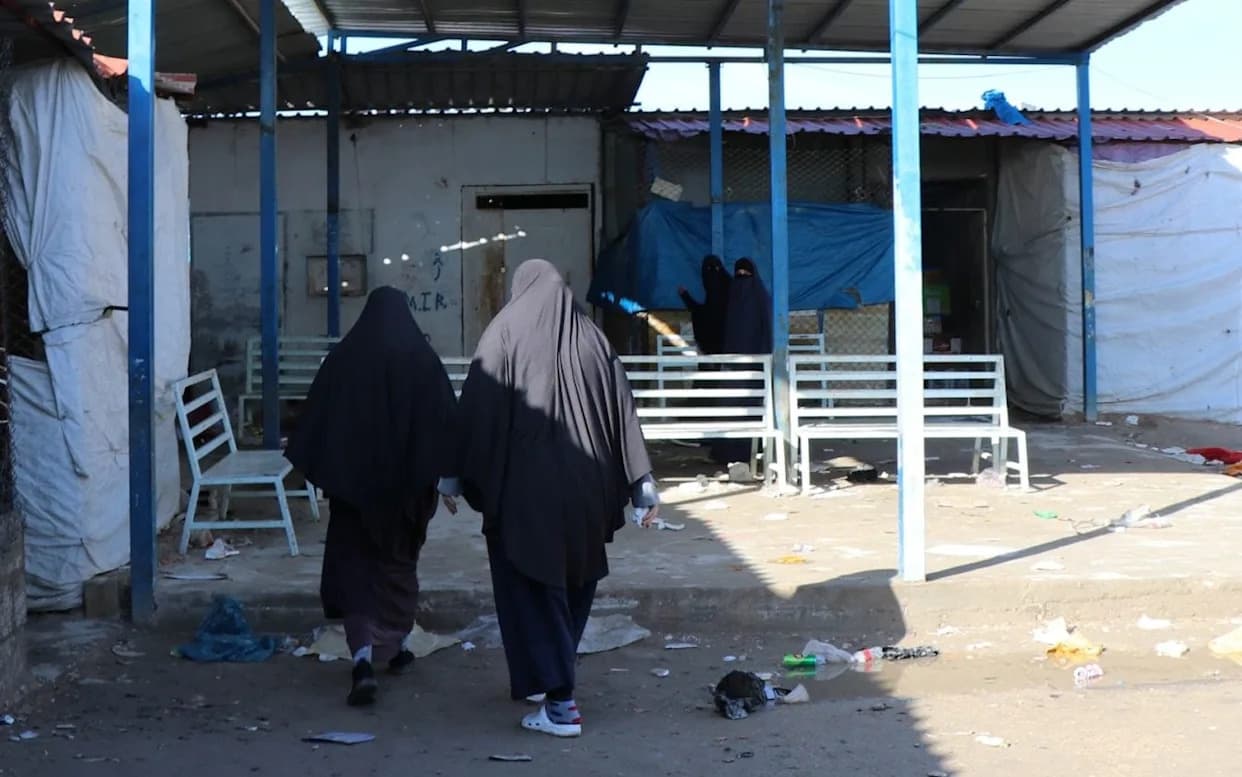
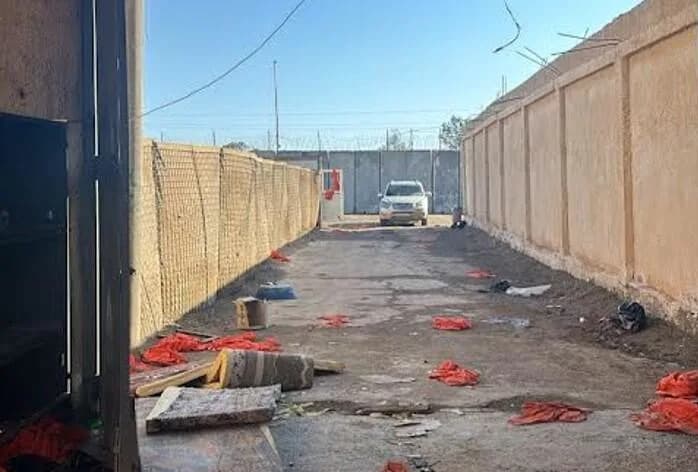
The small, litter-strewn market where Shamima Begum was seen shopping for groceries
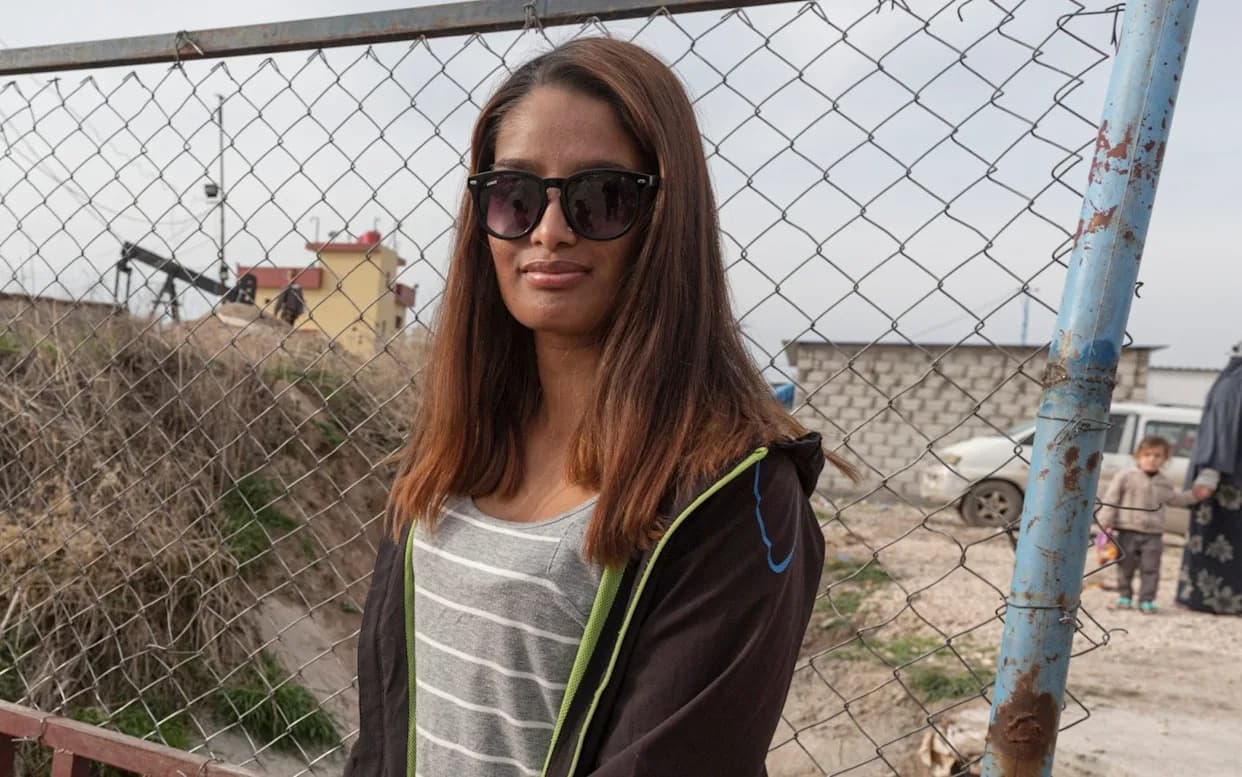
At a litter-strewn market square just inside Al-Roj detention camp, Shamima Begum moves between mostly shuttered stalls in a hoodie and a Covid-style mask. When a reporter speaks with a British accent, she turns abruptly and slips back into the maze of tents that hold thousands of Islamic State affiliates.
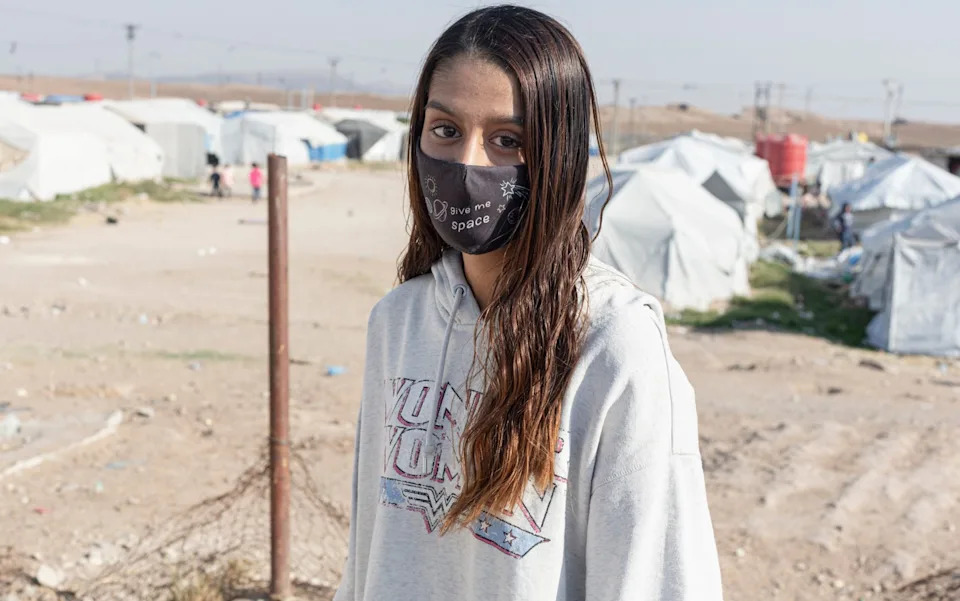
Shamima Begum, pictured at Al-Roj in 2021, faces a deeply uncertain fate - Sam Tarling for The Telegraph
The former British schoolgirl, stripped of her citizenship after a string of high-profile media appearances, has learned to avoid attention. Camp managers say she is among detainees quietly preparing for a possible change of fortunes as a rapid military offensive in north-east Syria shifts control away from Kurdish authorities.
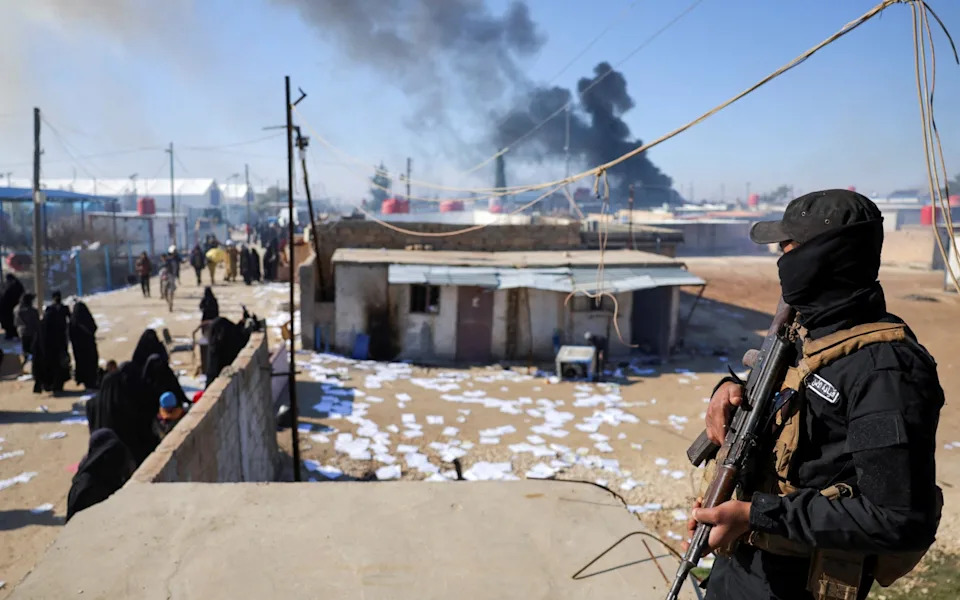
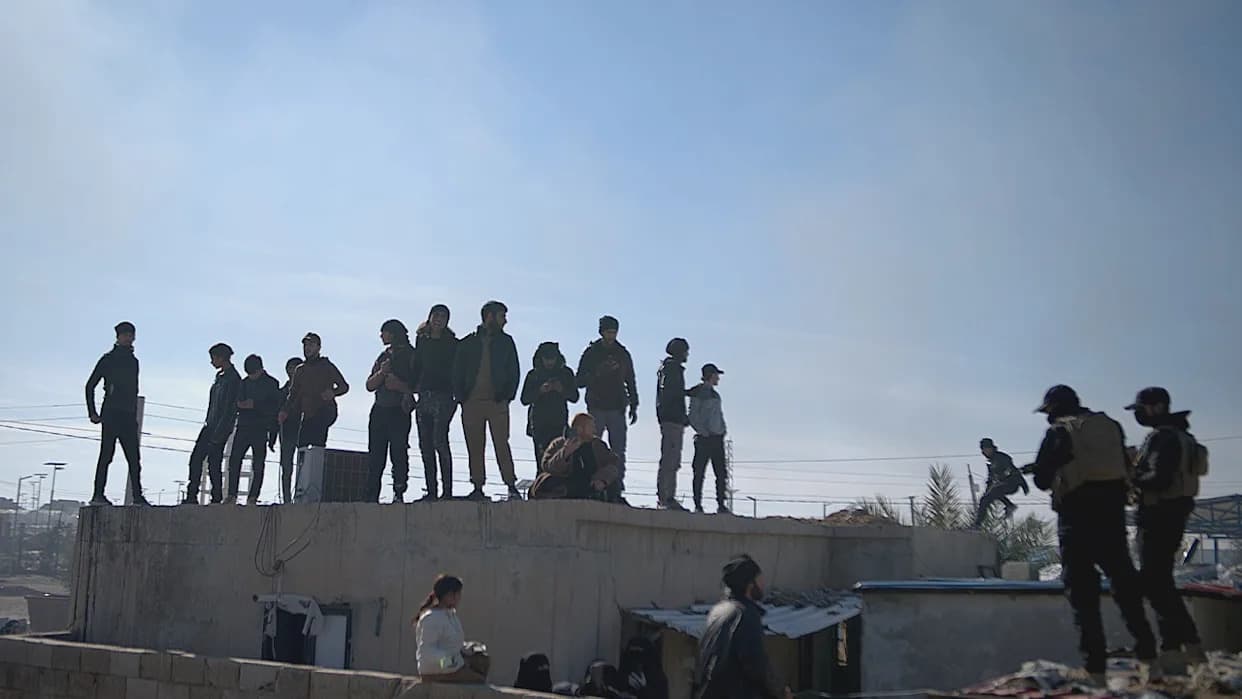
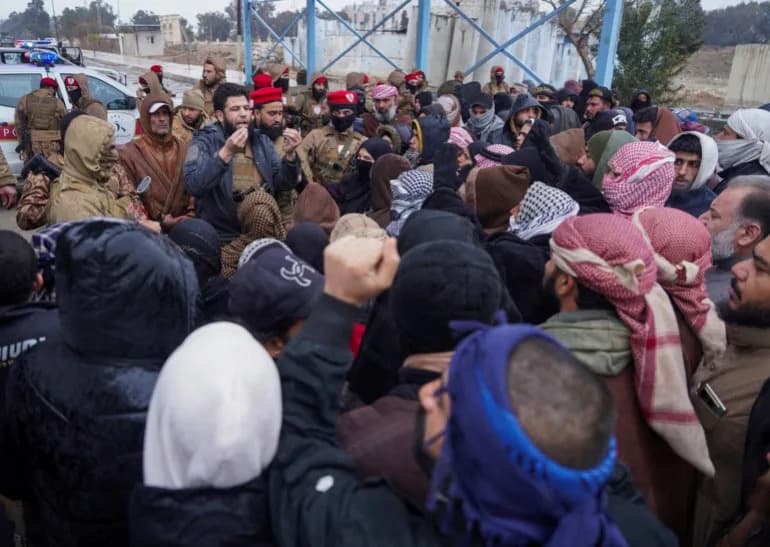
Al-Hol detainees take advantage of the chaos as Kurdish-led fighters hand over control of the prison camp to government forces - Khalil Ashawi/Reuters
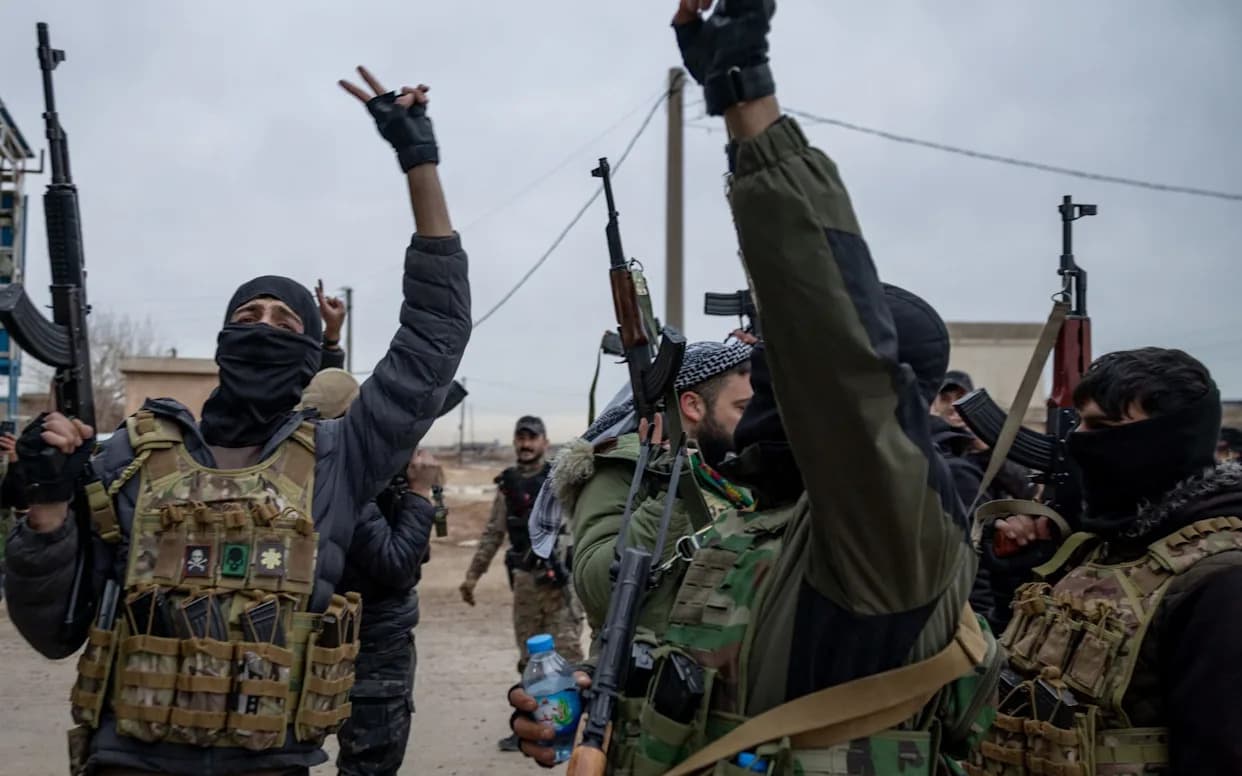
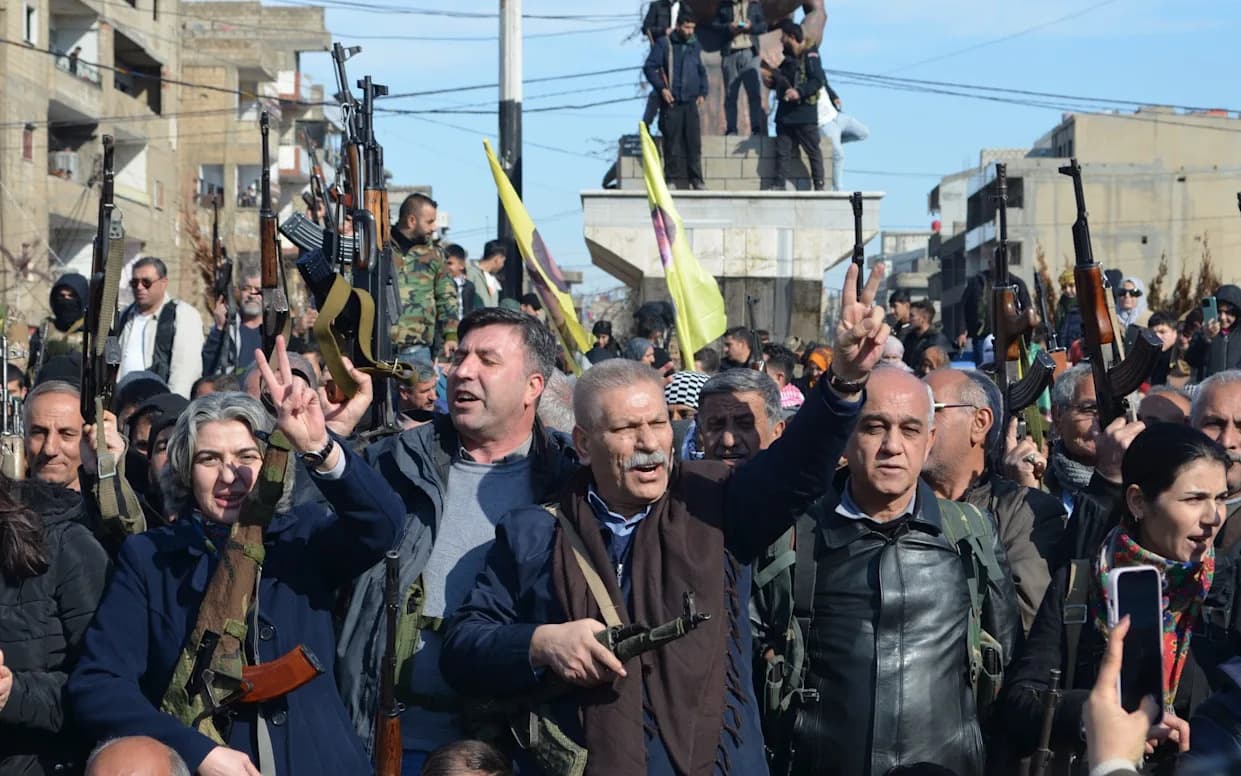
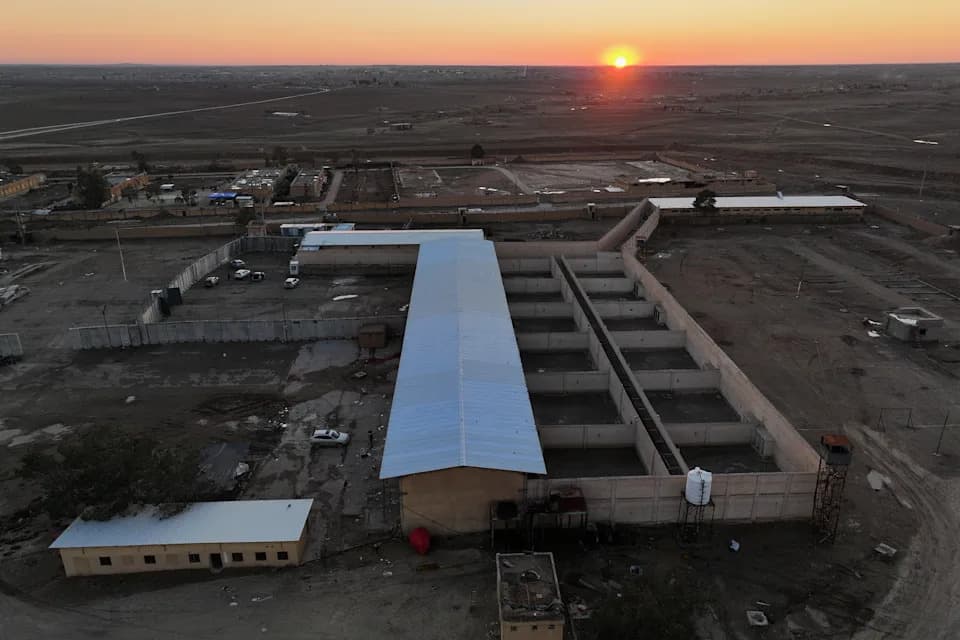
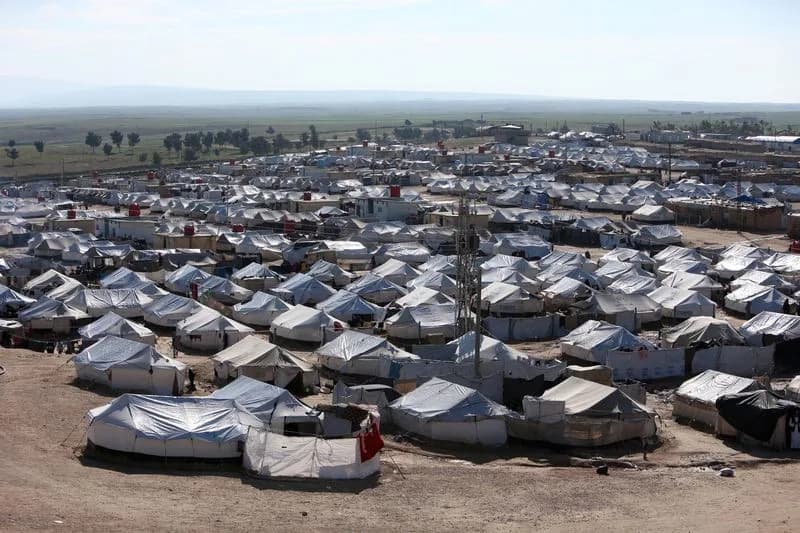
The sweep, which Kurdish officials say has seen roughly 80 percent of Kurdish-held territory fall, has altered the region's balance of power. Forces led by former jihadist Ahmed al-Sharaa have overrun detention sites and the vast Hol camp, which houses some 23,000 IS-linked women and children. Al-Roj itself holds more than 2,000 foreign women and children, including an estimated 15 British or dual-national women.
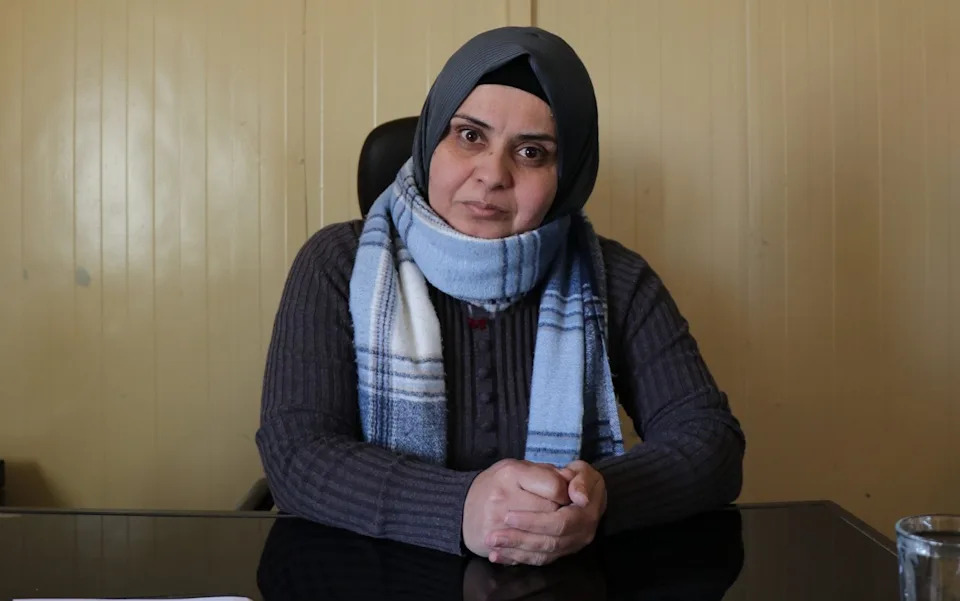
Al-Roj camp manager Hekemiya Ibrahim says Begum has packed her bags in hope
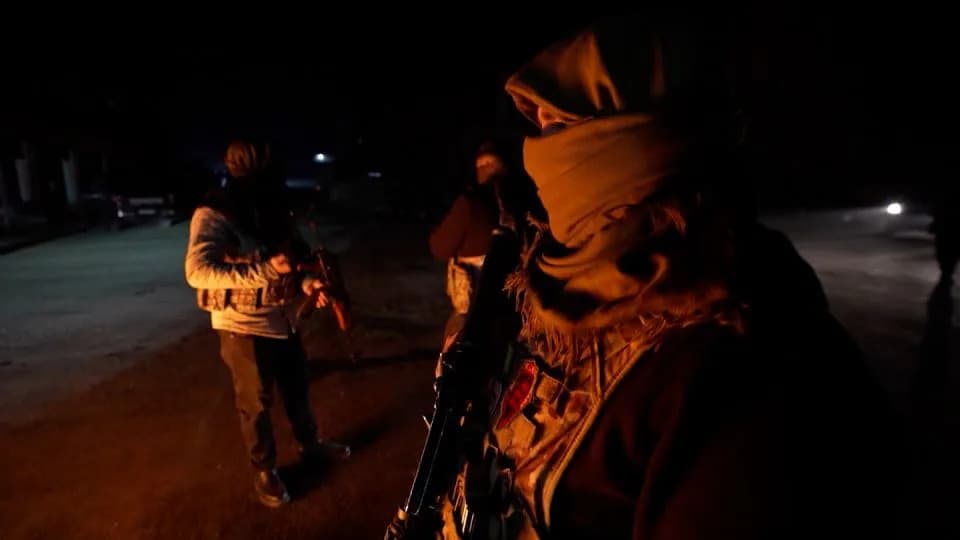
Authorities and witnesses report a chaotic environment: Islamist fighters wearing IS-style patches are reportedly within about 20 miles of Al-Roj, and Kurdish officials say US partners have been difficult to reach. The US is moving an estimated 7,000 male prisoners to Iraq amid the instability.
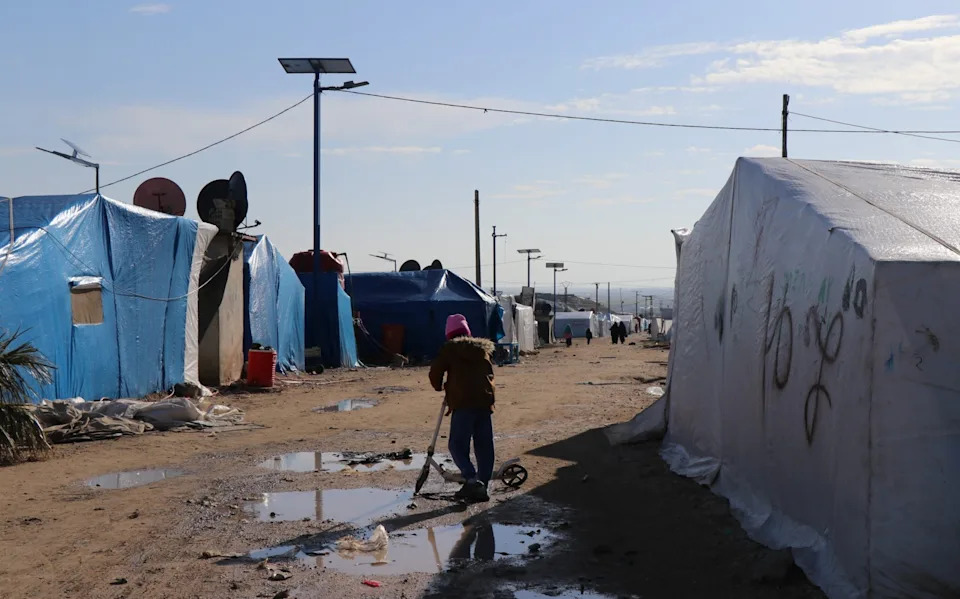
In Al-Roj camp, IS brides like Shamima Begum are anticipating change
Hekemiya Ibrahim, the camp's female Kurdish manager, says many inmates are quietly packing to leave. She says: 'Women who used to be very visible in the camp aren’t seen much any more. She never speaks and she never comes out. If you look in their tents, you’ll see their bags are packed.'
Residents report access to smuggled phones and contact with IS sympathisers in Syria and abroad, helping rumours spread fast. Some detainees, fearful of reprisals from rival groups, plead to be repatriated; others refuse, hoping new forces will free them. A woman sharing a tent with her son told a reporter, in a voice she asked not be attributed: 'Get me out of here. What we did was a huge mistake. We’re willing to accept the consequences.'
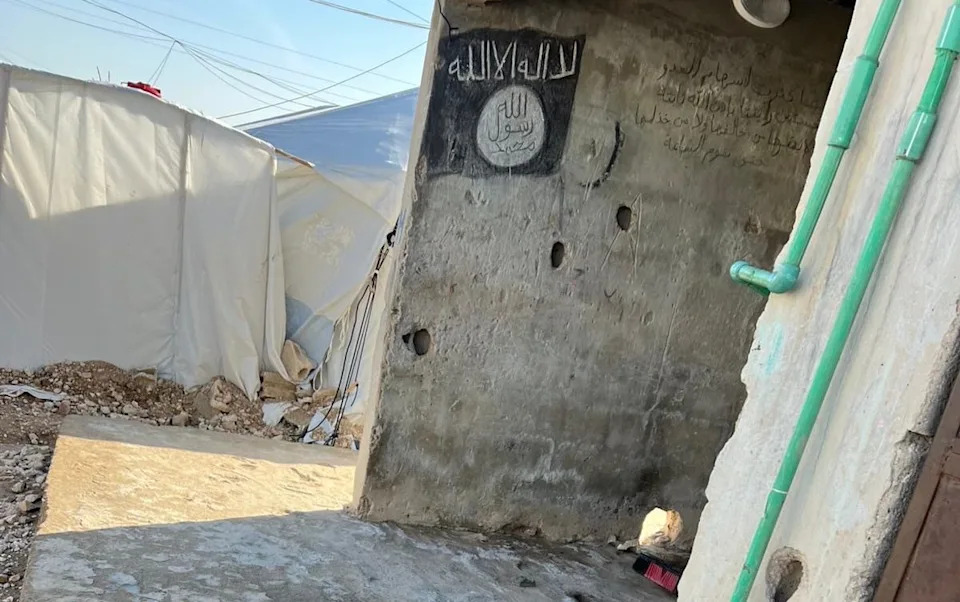
An IS flag scrawled by children appeared on a wall near the Roj camp bakery
Umm Hamza, an Egyptian woman formerly married to an IS fighter, warns that extreme inmates remain dangerous: 'There are dangerous women here. If I go into some parts of the camp, I have to completely cover my face, or they will attack me for being an infidel.'
For now, Al-Roj is still guarded by the Kurdish Women’s Protection Units (YPJ), patrolling muddy tracks between tents while children play in the remnants of a recent snowfall. But symbols of resurgence are appearing: an IS flag was painted near the camp bakery and children have scrawled the slogan 'we will return' on a wall.
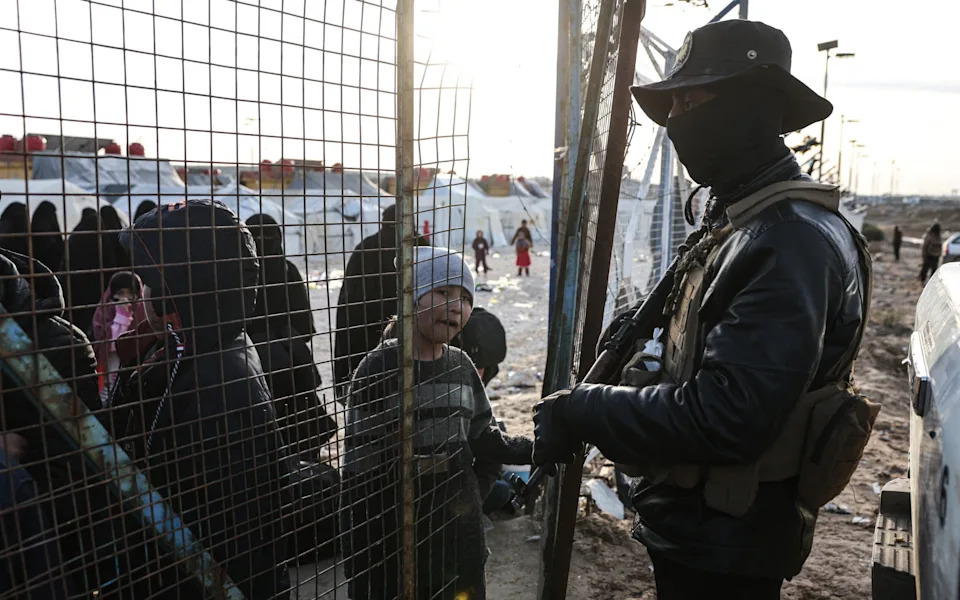
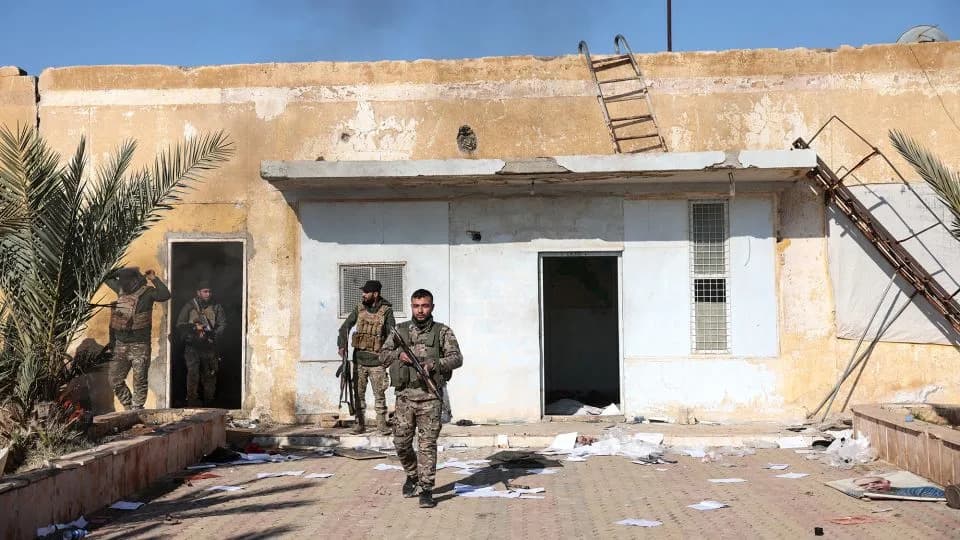
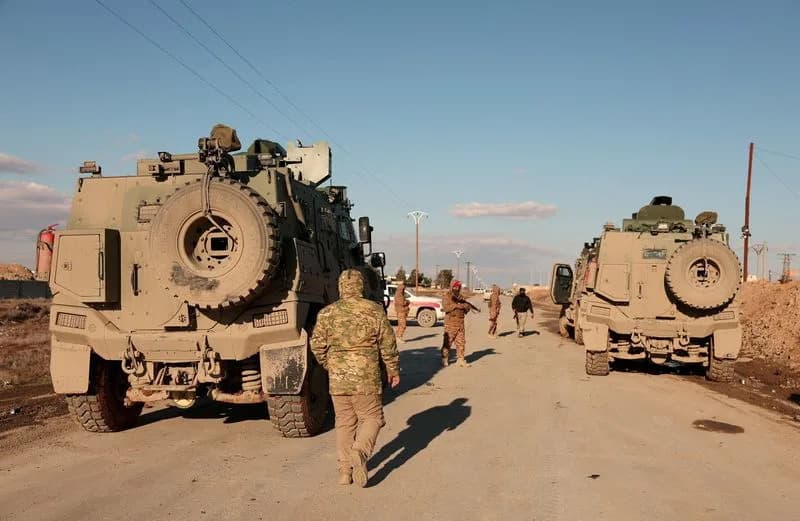
Syrian internal security forces guard the Al-Hol camp after Kurdish forces withdrew from the site, Jan 21 - OMAR HAJ KADOUR / AFP via Getty Images
Sara Derik, who oversees IS detention sites across Kurdish-held areas, describes a chaotic withdrawal when Hol fell: tribal fighters attacked Kurdish security forces, camp cells staged uprisings, and contact with some international partners stopped as the situation deteriorated. 'There was clear coordination,' she says, asking why the US is now evacuating male prisoners to Iraq if a planned transition was foreseen.
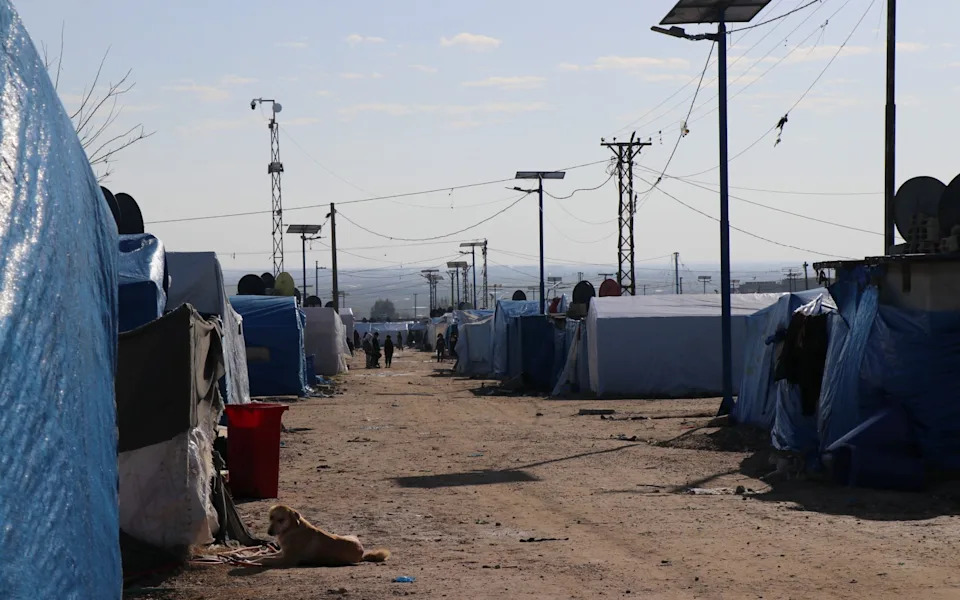
Al-Roj holds around 15 British or dual-national IS-affiliated women and their children
Western governments have quietly repatriated a small number of nationals in the past year, but many detainees refuse return. Kurdish officials say this shift in alliances risks further IS breakouts and leaves Kurdish forces politically exposed after years of partnering with Western militaries.
The fate of Al-Roj's residents remains uncertain. With armed groups advancing and a fragile security vacuum widening, the camp stands at the center of a humanitarian and security dilemma with implications beyond Syria's borders.
Help us improve.