Recent deep-sea research uncovered five remarkable marine species: a giant 12-inch 'Darth Vader' isopod, a tiny pygmy pipehorse off South Africa, a carnivorous "death ball" sponge, a newly classified guitarfish from a global survey, and the Atlantic manta ray (Mobula yarae) confirmed in 2025. Collectively these discoveries reveal how much of the ocean remains unexplored and emphasize growing conservation concerns for fragile marine ecosystems.
5 Strangest Deep-Sea Discoveries: From a 'Darth Vader' Isopod to a New Atlantic Manta
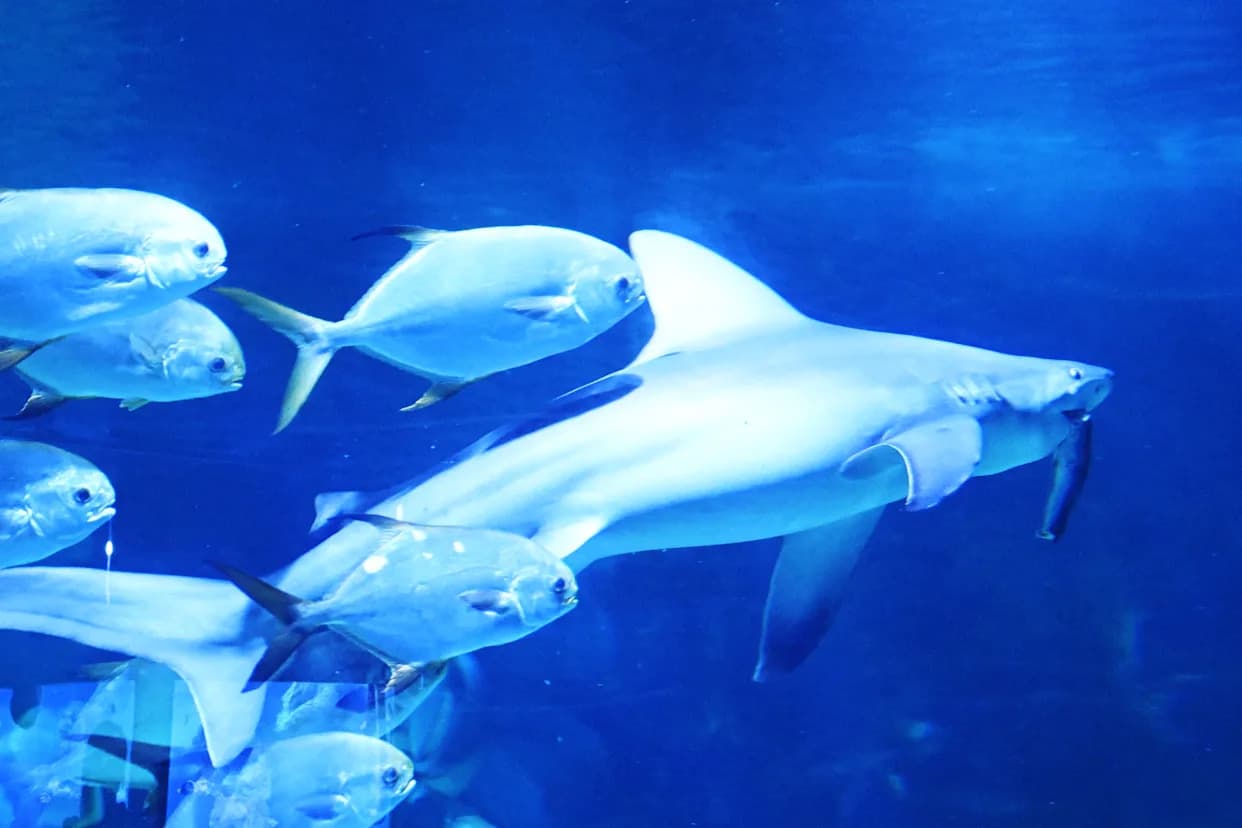
(Photo by Attila KISBENEDEK / AFP via Getty Images
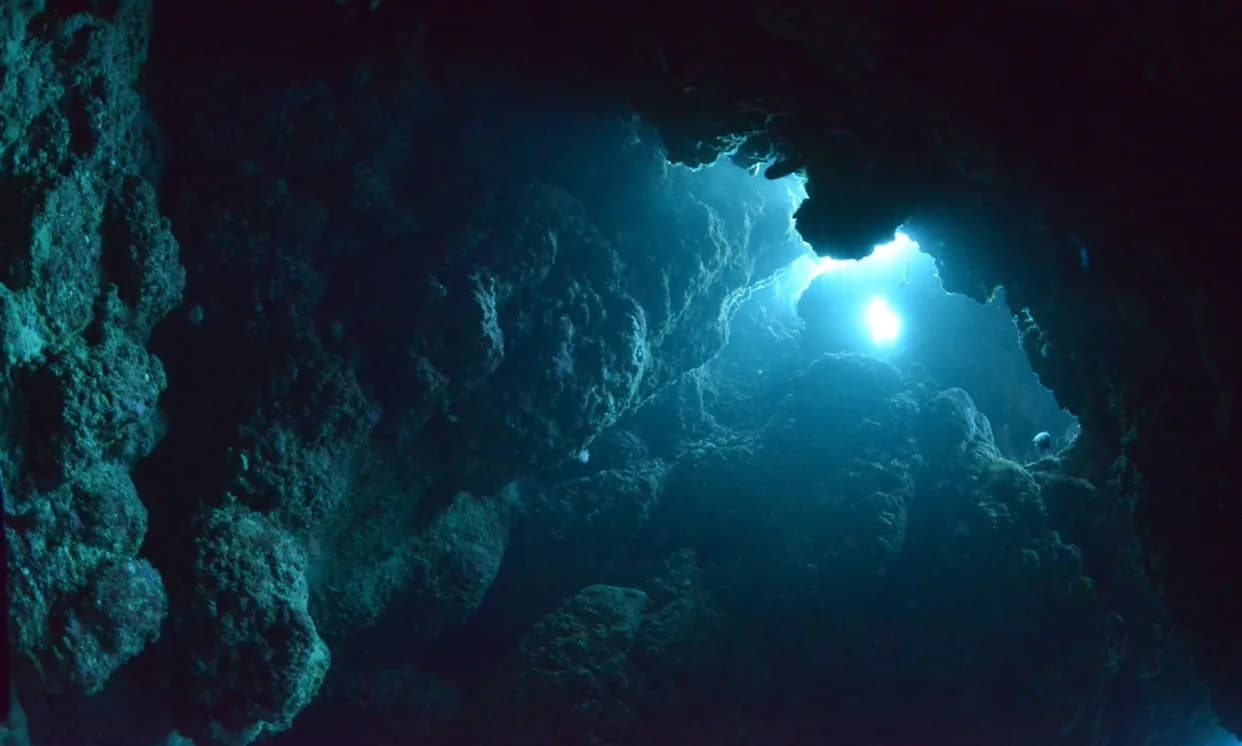
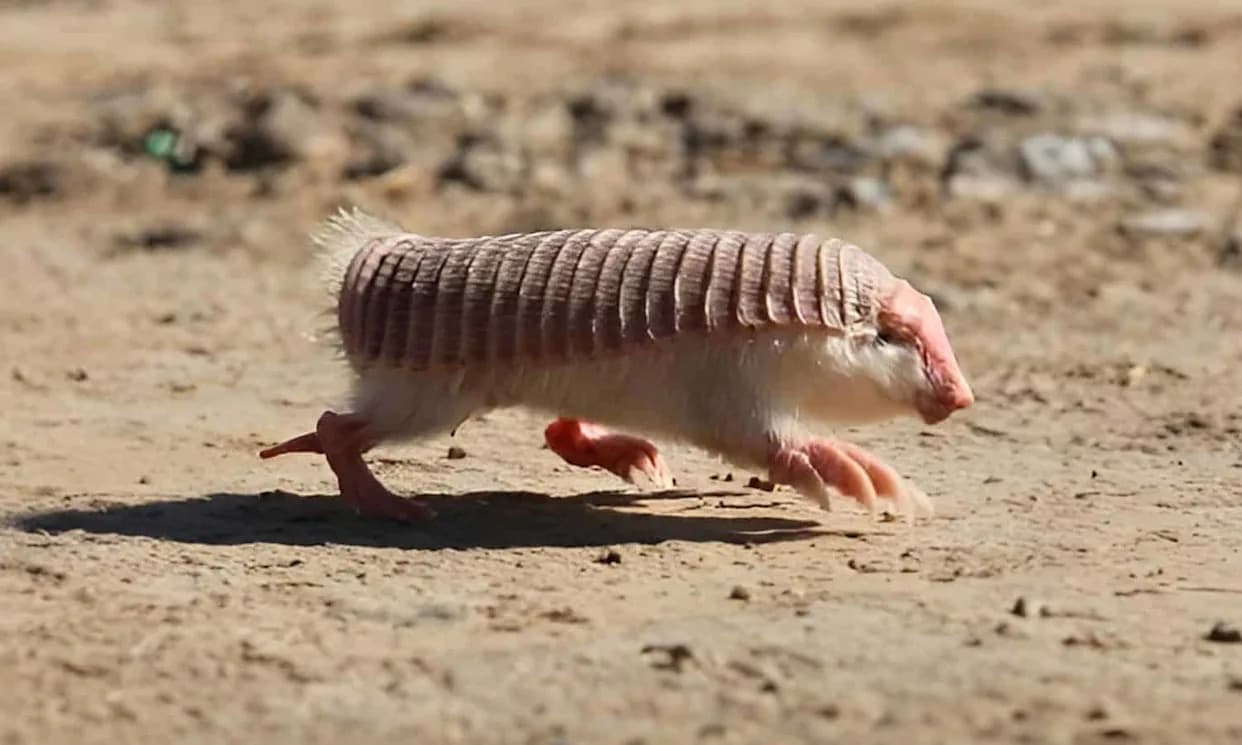
The ocean still hides astonishing life forms. Recent expeditions and global surveys have revealed a handful of startling new species — from a helmeted giant isopod nicknamed “Darth Vader” to an unusual carnivorous sponge — underscoring how much of the deep sea remains unexplored and why conservation matters.
Darth Vader Isopod (Bathynomus vaderi)
Discovered in January 2025 off the coast of Vietnam, this giant deep-sea isopod grabbed attention for its helmet-like head that resembles the Star Wars villain. A distant relative of crabs and shrimp, the animal can exceed 12 inches (30 cm) in length — enormous compared with most isopods. Its size and distinctive cephalic shape make it one of the most visually striking deep-sea crustaceans recently described.
Pygmy Pipehorse (Syngnathidae sp.)
Recorded along South Africa’s tropical Indian Ocean coastline, the newly documented pygmy pipehorse measures roughly 1.5 inches (4 cm). This is the first time a member of its genus has been documented in African waters. Living among coral and reef structures, the tiny fish relies on exceptional camouflage. The find also highlights conservation concerns, since many syngnathids (seahorses, pipefishes, and seadragons) face habitat loss and fishing pressures.
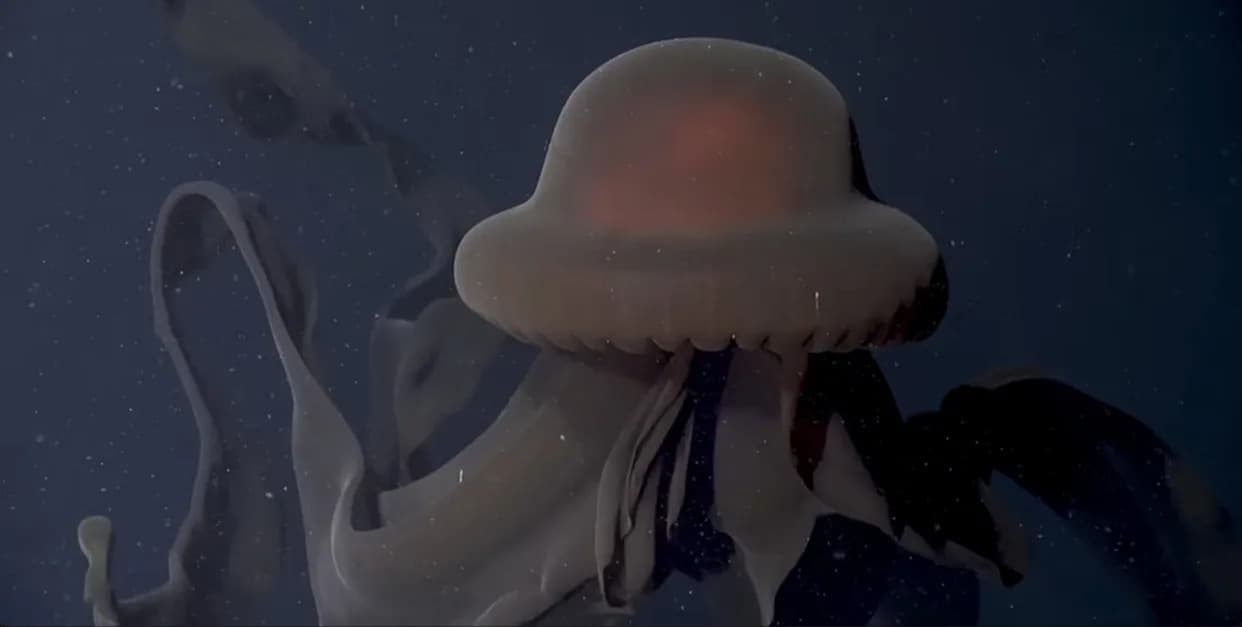
Carnivorous "Death Ball" Sponge (Chondrocladia sp.)
An expedition to the Southern Ocean uncovered a rounded, deep-sea sponge armed with hook-like spicules that trap small animals — a feeding strategy very different from the water-filtering behavior typical of most sponges. That single voyage recorded about 30 new deep-sea species in total, emphasizing how little is known about abyssal ecosystems.
Guitarfish (Rhinobatos sp.)
As part of a large international marine survey, researchers cataloged more than 800 new ocean species, including a newly classified guitarfish. Although technically a ray, guitarfish have a flattened body shape with shark-like features, giving them a hybrid appearance. Discovering new batoid species is important because rays and sharks are key predators that help maintain healthy marine ecosystems.
Atlantic Manta Ray (Mobula yarae)
After more than a decade of suspicion, the Marine Megafauna Foundation confirmed in 2025 that the Atlantic manta, Mobula yarae, is a distinct species. Found only in the Atlantic, it closely resembles other mantas but can be distinguished by subtle features, notably V-shaped white shoulder markings. Identification of such cryptic species helps refine conservation priorities for large marine animals.
Why It Matters — These discoveries highlight both the incredible diversity of life in deep and remote marine habitats and the fragile state of many ocean ecosystems. New species findings drive scientific understanding and can inform stronger conservation efforts to protect vulnerable habitats and the creatures that depend on them.
Help us improve.