Local sanctuary policies that limit cooperation with federal authorities often shift immigration enforcement out of controlled custodial settings and into public spaces, producing more visible and chaotic confrontations. While cities and states can lobby for legal change, they cannot nullify federal immigration law, which Congress writes and the executive enforces. The article argues that municipal non-compliance widens enforcement impacts, shifts accountability away from Congress, and exploits media incentives instead of pursuing durable reform.
Sanctuary Policies Are Shifting Immigration Enforcement Into Public Spaces — And Causing Harm
Immigration law is a national responsibility: Congress writes it, the executive enforces it, and federal statutes apply uniformly across the United States. Yet an increasing number of municipal and state policies that limit cooperation with federal authorities are reshaping how and where enforcement takes place — often with disruptive consequences for communities.
Federal Authority and Local Limits
Article I, Section 8 of the Constitution assigns Congress the power to regulate naturalization and related immigration matters, and federal agencies such as Immigration and Customs Enforcement (ICE) enforce those laws. Cities and states are free to lobby for legislative changes, but they cannot nullify federal statutes or prevent federal enforcement.
How Sanctuary Policies Displace Enforcement
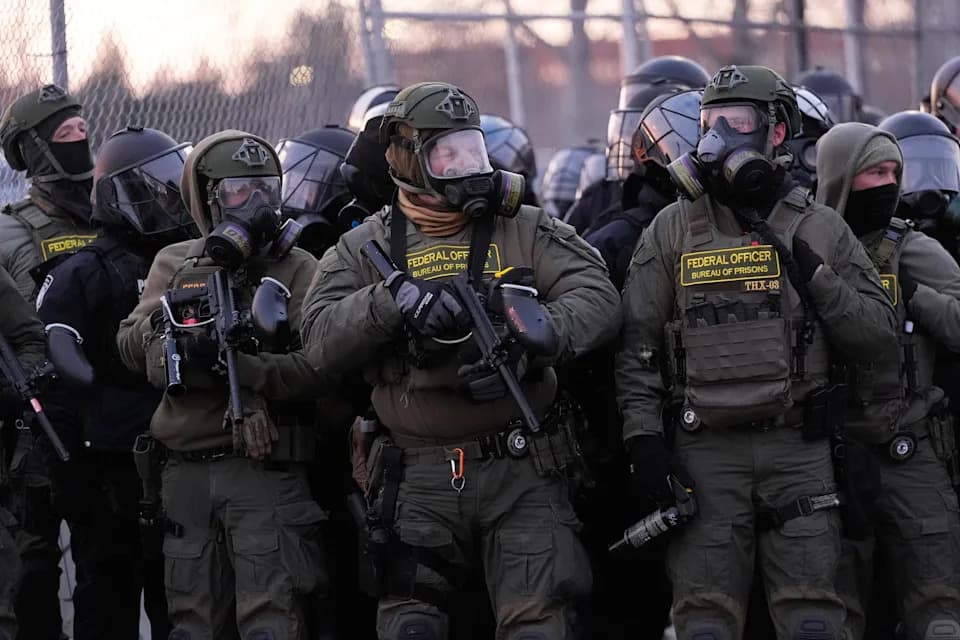
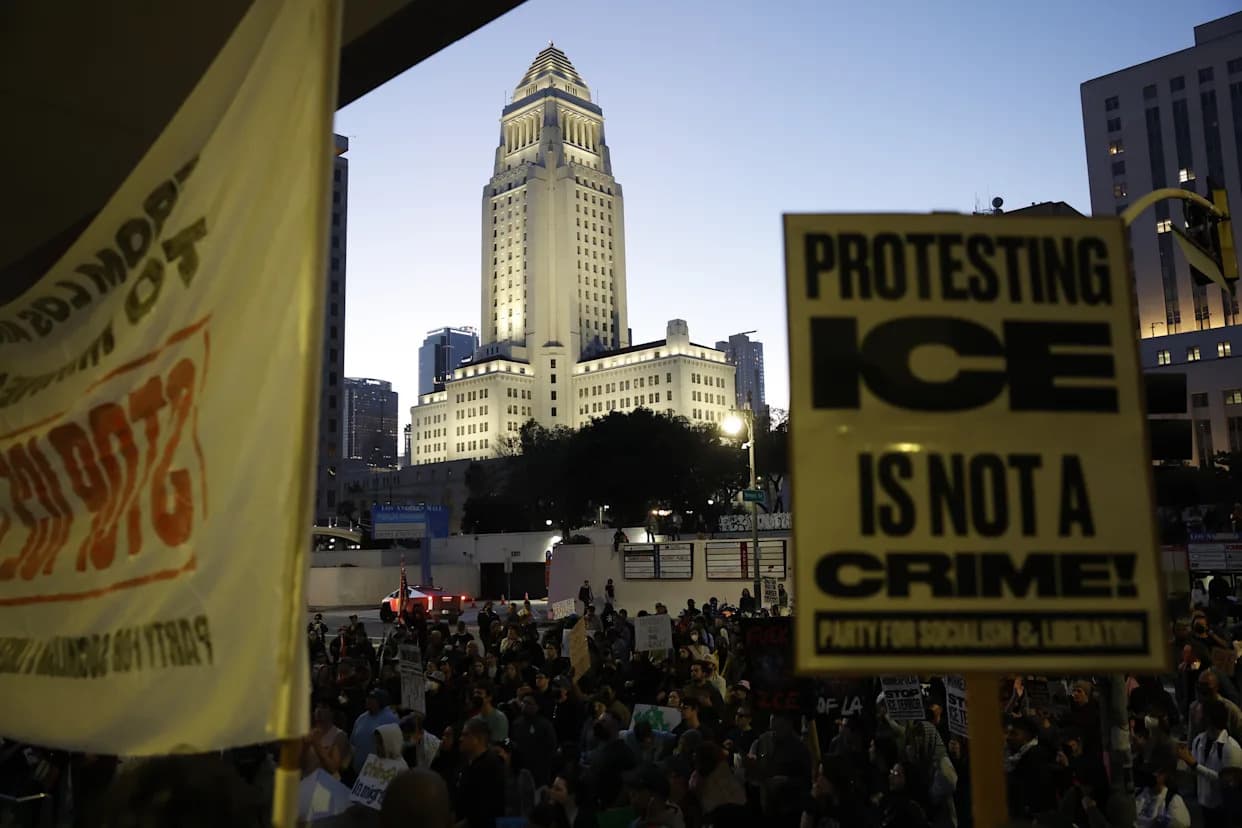
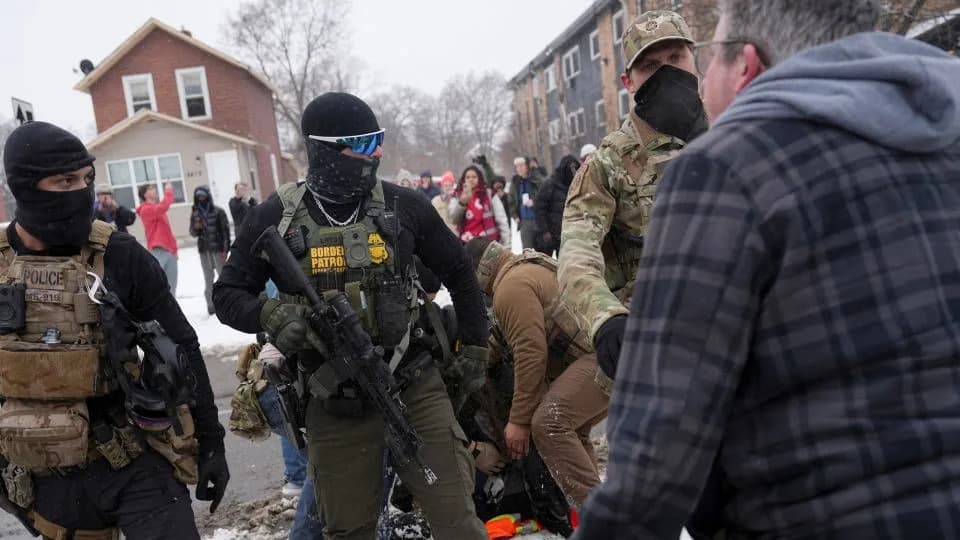
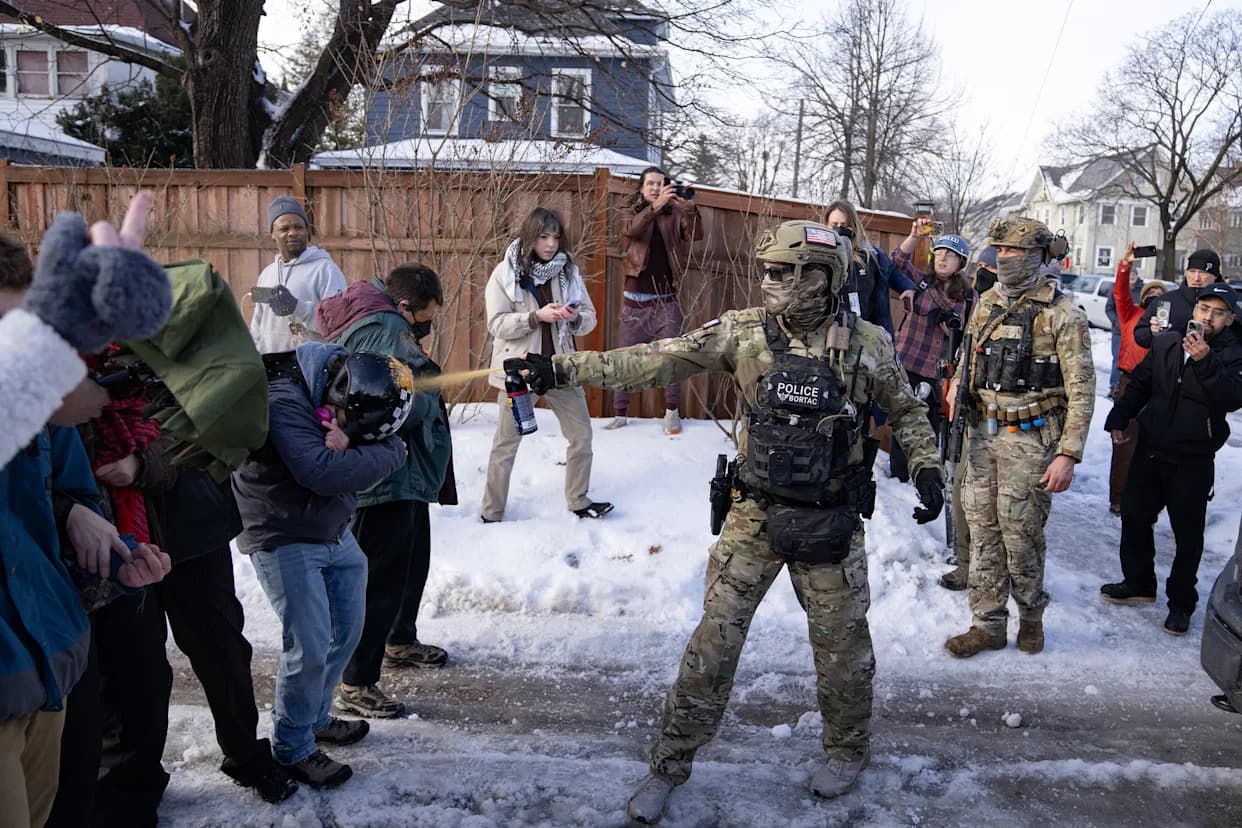
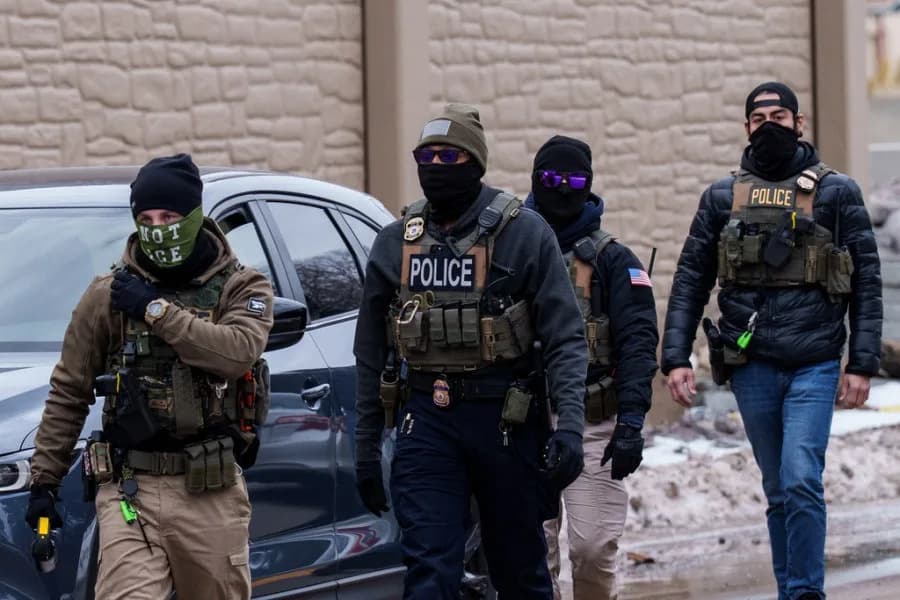
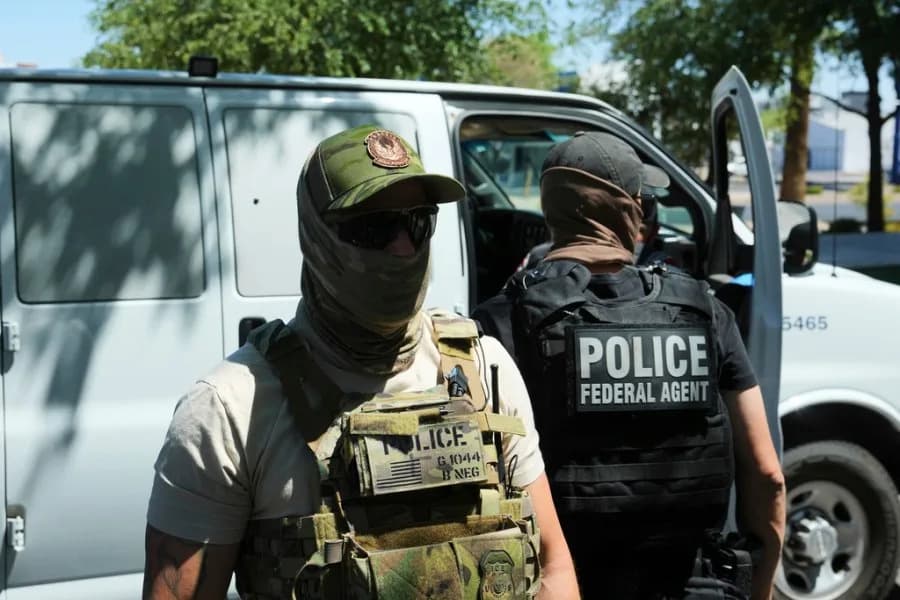
Many local jurisdictions have adopted policies that refuse immigration detainers, restrict notifications to federal authorities, or decline to transfer people in local custody to federal custody. Those policies do not stop enforcement — they displace it. Instead of arrests occurring in jails or courts, which are controlled environments, federal operations are pushed into homes, workplaces, parking lots and neighborhood streets.
Practical Consequences For Communities
Displacing enforcement into public spaces produces predictable and avoidable harms: more visible confrontations, chaotic encounters, increased bystander exposure, and more opportunities for escalation. Broader field operations also increase the likelihood that non-violent people who would not have been involved in a custodial transfer will be swept into enforcement actions because of association or proximity.
Displacement, not de-escalation, is the typical operational outcome of non-cooperation policies.
Politics, Incentives, And Media Effects
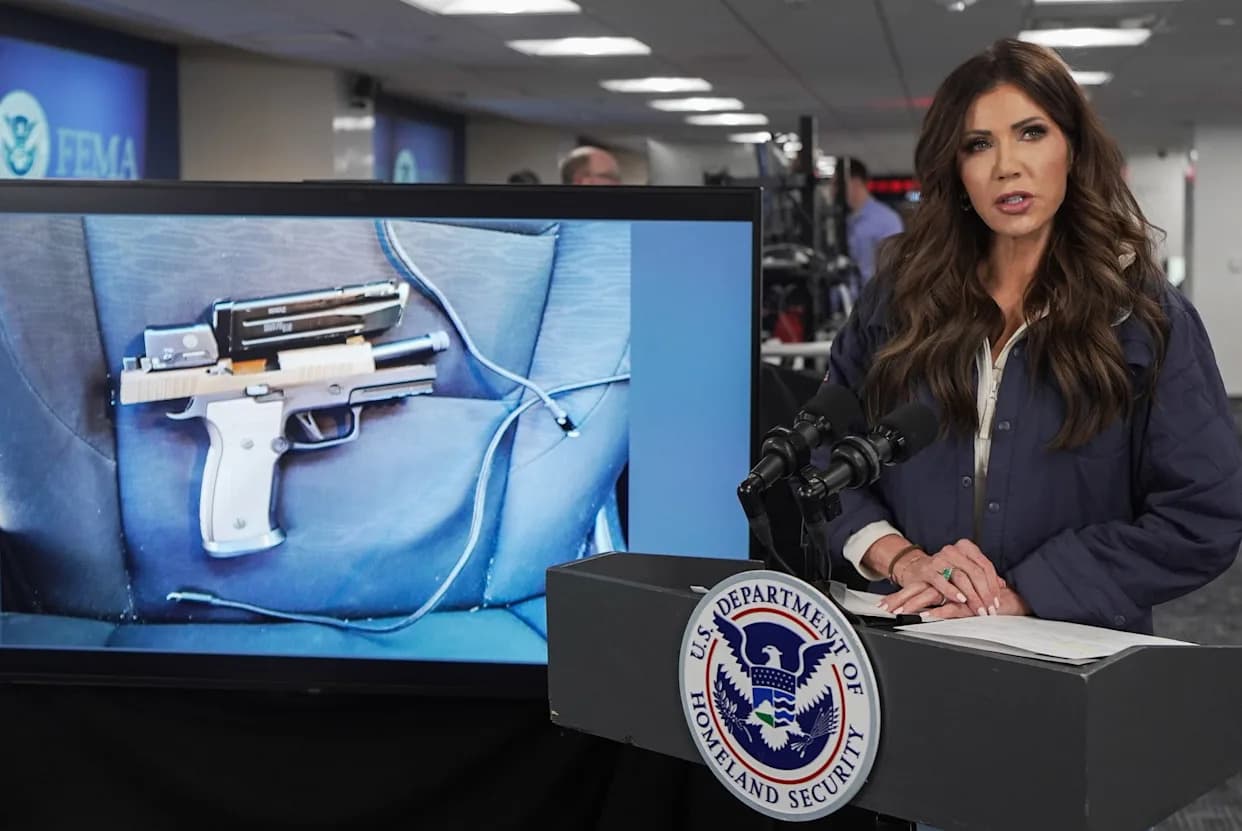
Coordinated municipal non-compliance can have national effects without national debate. It allows elected officials to signal political or moral positions while sidestepping the hard work of passing enforceable federal reform. Media dynamics amplify the incentive: quiet custodial transfers rarely draw headlines, while public arrests and dramatic images generate political attention.
A Path Forward
If immigration law or federal practice is wrong, the proper remedy is legislative and administrative change — not local obstruction that produces unintended harm. Local governments can and should advocate for reform, but they should also consider the immediate public-safety and humanitarian consequences of policies that force federal enforcement into uncontrolled settings.
Erick Chomskis is a civilian employee of the War Department. His views do not necessarily reflect those of any government department or agency.
Copyright 2026 Nexstar Media, Inc. All rights reserved. This material may not be published, broadcast, rewritten, or redistributed.
Help us improve.