President Trump renewed a threat to stop federal payments to jurisdictions he calls “sanctuary” areas beginning Feb. 1, but he did not specify which programs would be targeted. Courts have repeatedly blocked the administration’s efforts to condition federal grants on cooperation with ICE, including nationwide and multi-state rulings. DHS’s controversial 2025 sanctuary list has been narrowed and currently names 18 cities and 12 states. Local officials warn that broad funding cuts could harm emergency services and infrastructure and say they will continue to litigate.
Trump Threatens to Cut Payments to ‘Sanctuary’ Jurisdictions — Courts Have Repeatedly Blocked Similar Moves
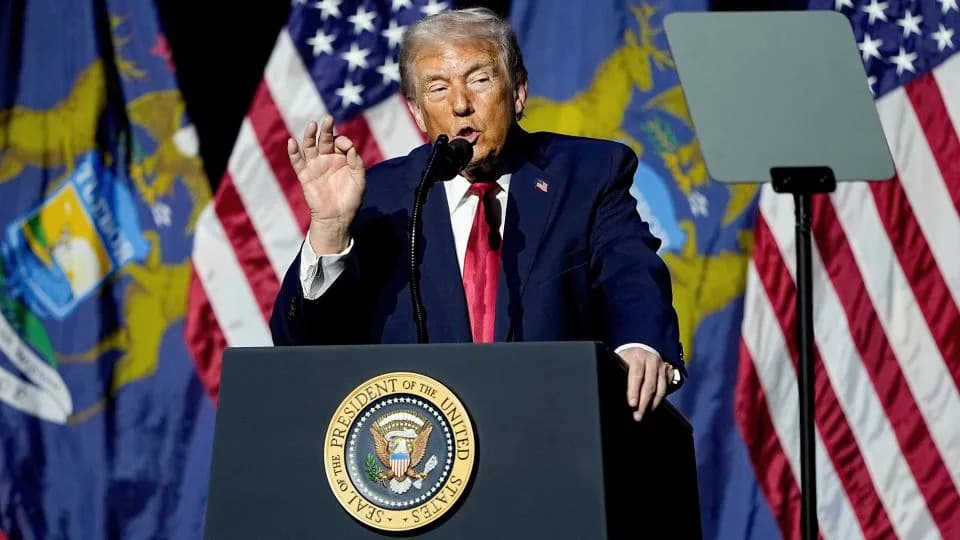
President Donald Trump speaks at the Detroit Economic Club on January 13. - Ryan Sun/AP
President Donald Trump used a speech in Detroit to renew a threat to withhold federal payments from jurisdictions he labels “sanctuary” areas beginning Feb. 1, without specifying which programs would be targeted. His declaration revives a familiar clash between the federal government and local officials over immigration enforcement and federal funding.
What the President Said
“Starting February 1, we’re not making any payments to sanctuary cities or states having sanctuary cities because they do everything possible to protect criminals at the expense of American citizens, and it breeds fraud and crime,” Trump said in Detroit. Reporters later asked what specific funding he meant; he replied only, “You’ll see.”
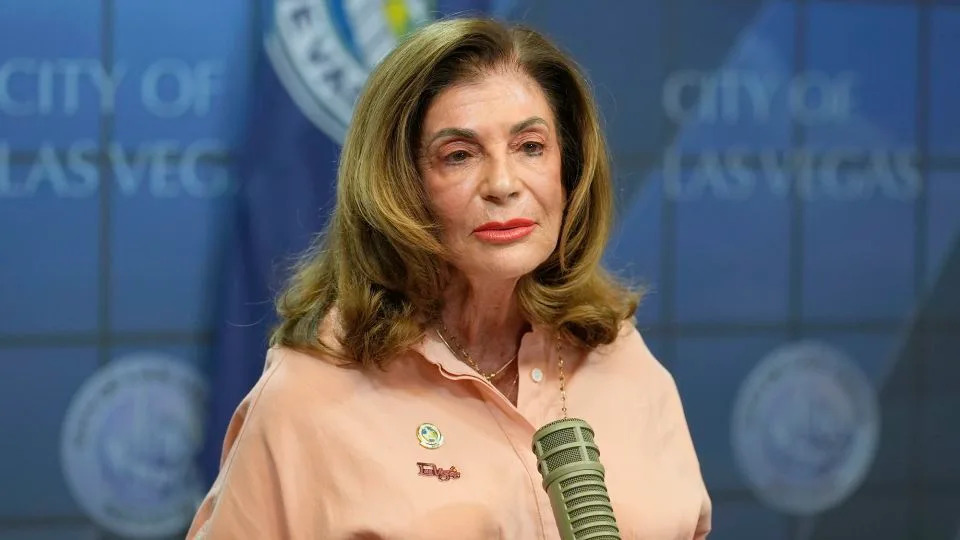
Las Vegas Mayor Shelley Berkley speaks during a news conference in Vegas on July 1, 2025. - John Locher/AP
The Sanctuary-Designation Controversy
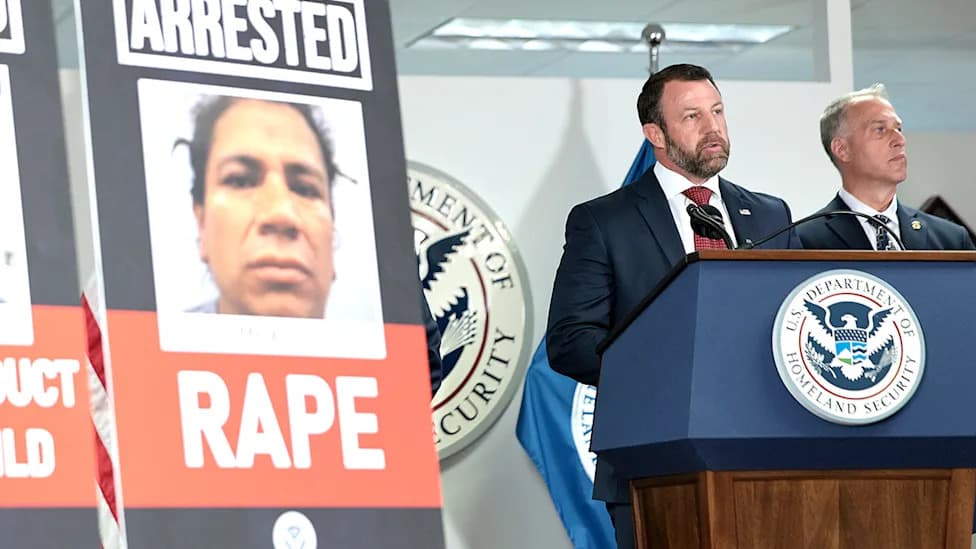
There is no single federal legal definition of a “sanctuary” city, county or state. In 2025 the Department of Homeland Security published a list identifying jurisdictions it said had policies that "obstruct or limit local law enforcement cooperation with U.S. Immigration and Customs Enforcement," restricted ICE interviews of detainees in local jails, or provided certain benefits to people in the country unlawfully. The list has been controversial: it initially contained hundreds of jurisdictions across dozens of states and was later pared down to 18 cities and 12 states as of an Oct. 31 revision.
How Detainers Factor In
Much of the debate centers on ICE “detainer” requests — voluntary requests that local jails hold a person for up to 48 additional hours so federal agents can assume custody. The U.S. Supreme Court has not directly ruled that local agencies must comply with detainers. Federal appeals courts have split: a 2014 appeals court said detainers are voluntary and local authorities could be liable for unlawfully detaining someone at ICE’s request, while a different appeals court upheld a Texas law in 2018 requiring local cooperation with ICE there.
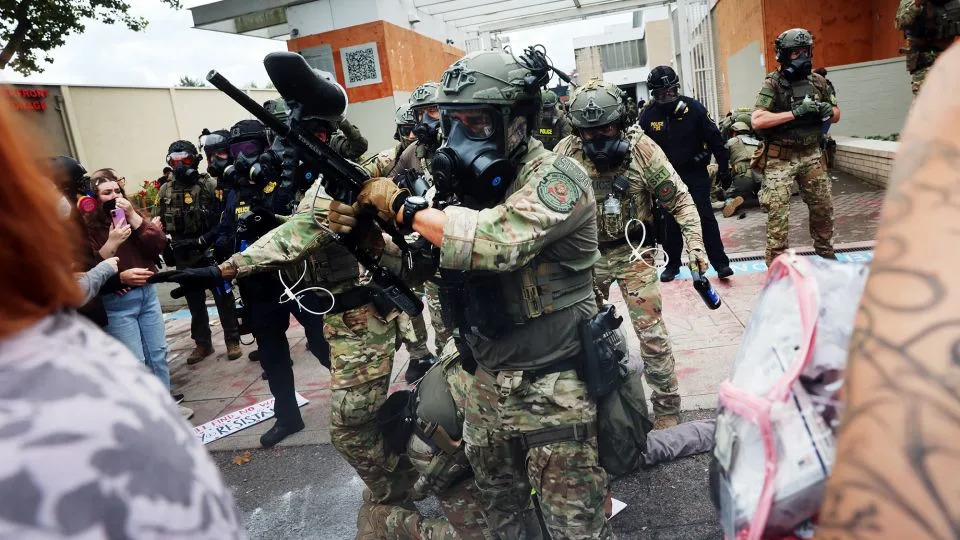
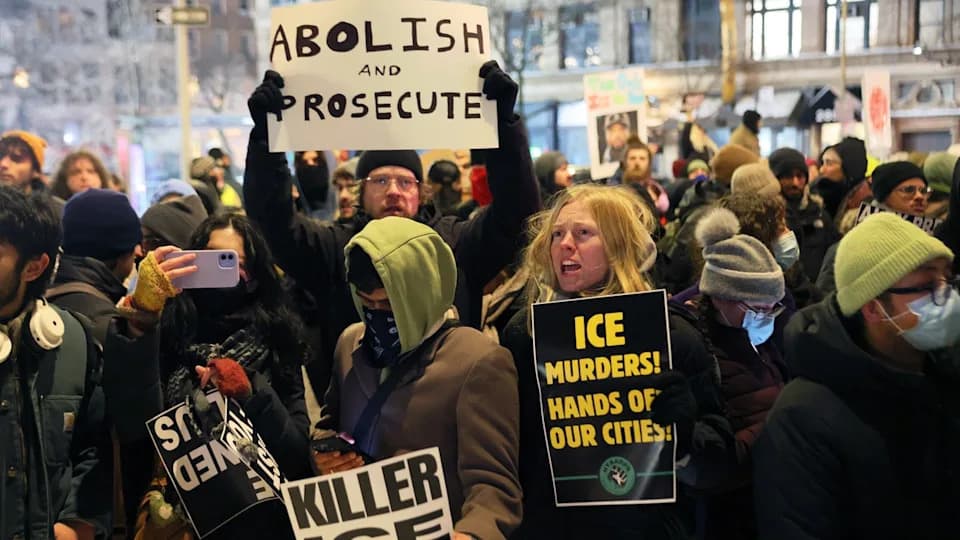
Federal agents, including Border Patrol officers, clash with protesters outside a US Immigration and Customs Enforcement facility in Portland, Oregon, on October 4, 2025. - Spencer Platt/Getty Images
Legal Battles Over Funding Conditions
The Trump administration has sought multiple times to condition federal grants on local cooperation with immigration enforcement. Those efforts have been blocked repeatedly in court. In November 2017, U.S. District Judge William Orrick enjoined enforcement of an executive order that would have cut federal grants to sanctuary jurisdictions nationwide, calling the order coercive and inconsistent with the Tenth Amendment.
More recently, Judge William E. Smith of Rhode Island ruled in September that contested funding conditions were "arbitrary and capricious," setting aside those conditions for 20 states and Washington, D.C.; that ruling is under appeal. In August, a federal judge in Seattle issued a preliminary injunction blocking conditions tied to housing, transportation and health grants that sought to impose immigration, diversity or abortion-related requirements.
Why Local Leaders Say They’re At Risk
Local officials and state attorneys general warn that withholding broad federal funds could harm emergency response, infrastructure projects, public health programs and child-protection services. Illinois Gov. J.B. Pritzker and California Attorney General Rob Bonta have pledged to continue fighting in court, arguing past legal wins show the administration’s approach is unlawful.
What Comes Next
Federal agencies say the sanctuary list and funding conditions are regularly reviewed and may be updated. If the administration follows through on a broader effort to deny federal payments, legal experts and local officials expect more lawsuits and likely additional court decisions before any funds are actually cut.
Bottom line: The president’s threat raises the stakes politically and legally, but past and recent court rulings show that attempts to tie federal grants to local immigration cooperation face significant judicial scrutiny.
Help us improve.