The recent Republican tax-and-spending package has injected billions into Homeland Security, enabling a rapid expansion of ICE staffing, hiring bonuses and large-scale enforcement operations in major U.S. cities. The surge has prompted protests after aggressive raids and a high-profile fatality in Minneapolis, while lawmakers debate limits on ICE activity and oversight of how funds are spent. Congressional decisions on routine Homeland Security appropriations and potential operational restrictions will shape how this federalized immigration enforcement evolves.
GOP Funding Supercharges ICE: Billions Fuel Nationwide Expansion and Aggressive Raids
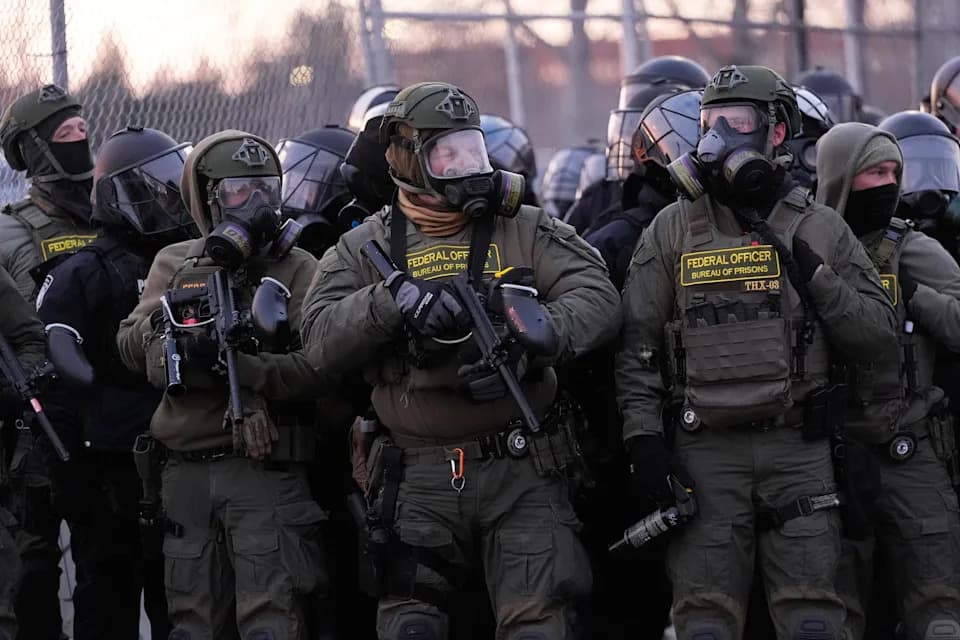
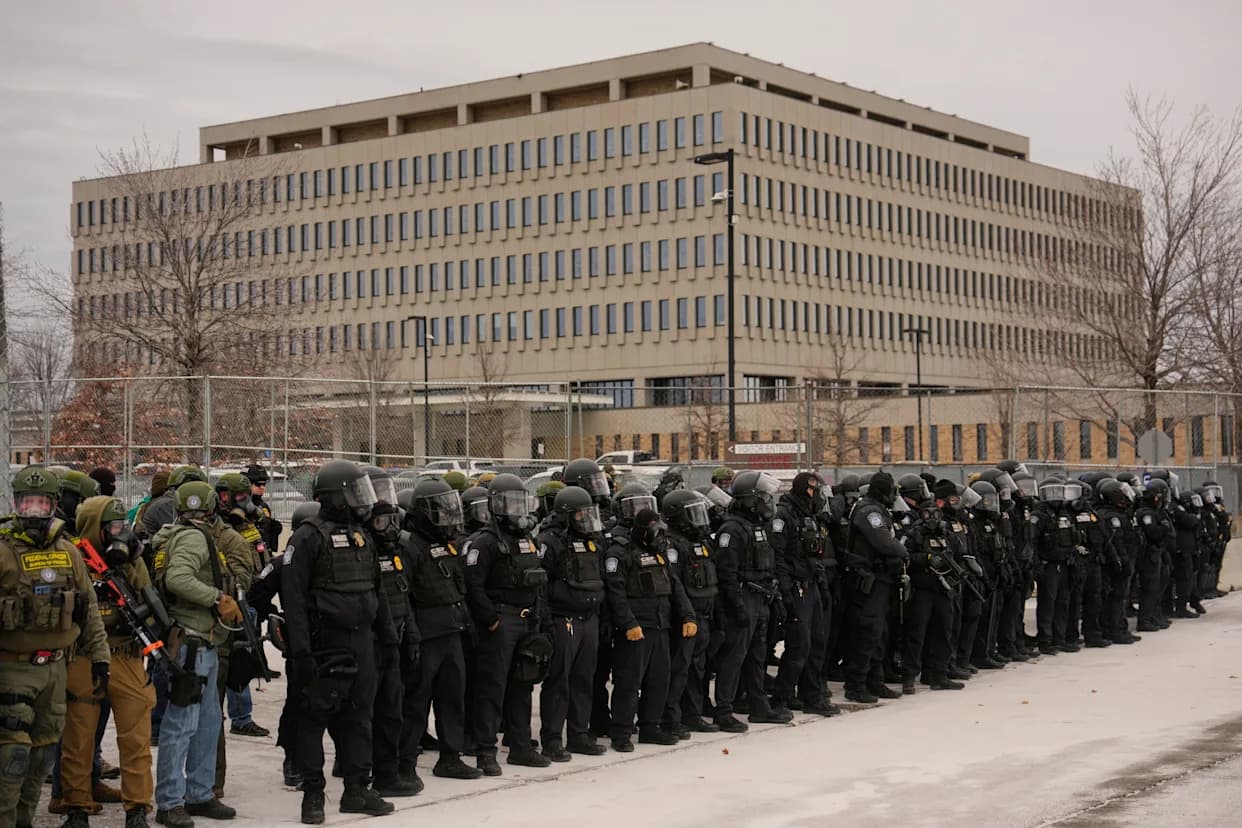
Federal officers stand outside the Bishop Henry Whipple Federal Building during a protest on Saturday, Jan. 17, 2026, in Minneapolis. (AP Photo/Yuki Iwamura)(ASSOCIATED PRESS)
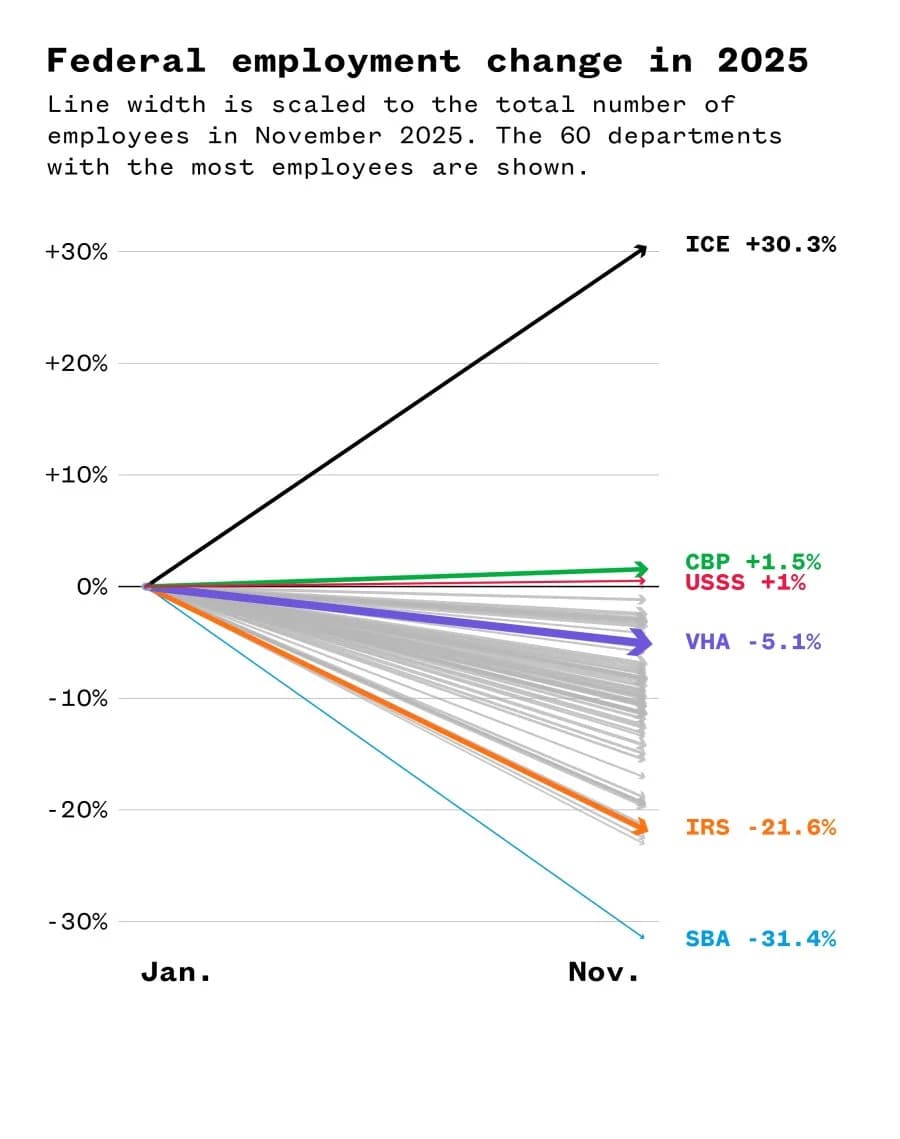
A surge of Republican-funded spending has dramatically expanded Immigration and Customs Enforcement (ICE), providing hiring bonuses, a larger officer corps and billions in new operating and detention funds that are accelerating enforcement operations across U.S. cities.
A New National Enforcement Presence
The recent tax-and-spending package passed by Republicans allocated roughly $170 billion in added Homeland Security authority over four years. That infusion has funded $50,000 hiring bonuses, an accelerated recruitment campaign and a rapid growth in ICE staffing to about 22,000 officers — a force larger than many municipal police departments. Officials say the expansion underpins intensified removal operations in cities from Minneapolis to Los Angeles and Chicago.
How The Funding Is Being Used
Department officials report tens of billions already obligated for projects and operations. Public accounts indicate approximately $58 billion has been obligated so far, with a large share directed to border infrastructure and construction. The legislation also directed substantial increases to ICE: while the agency historically received roughly $10 billion per year, the package included multiyear allocations reported as about $30 billion for operations and $45 billion for detention facilities.
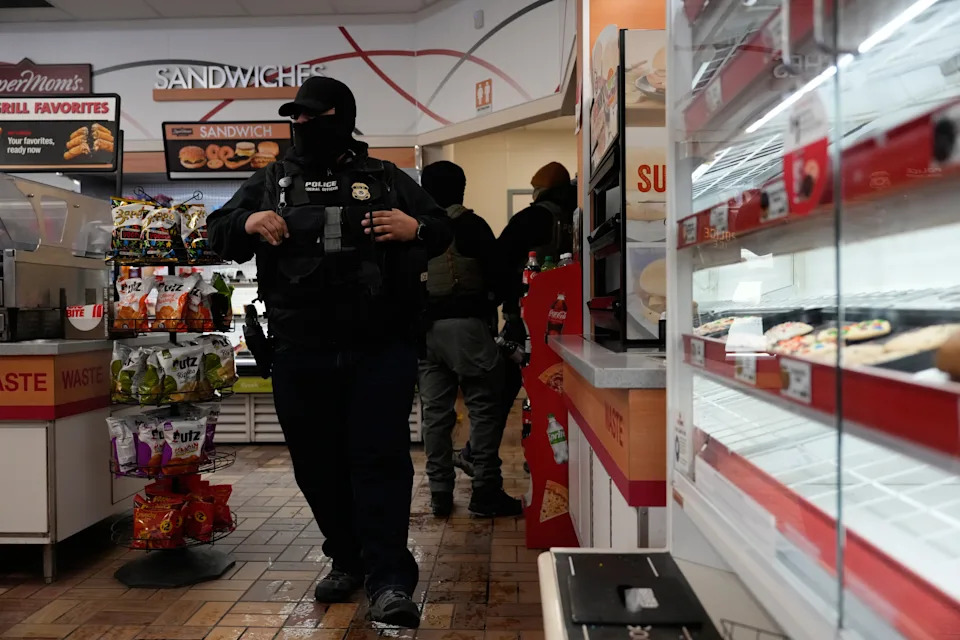
ICE agents make use of the facilities at a gas station, Monday, Jan. 19, 2026, in St. Paul, Minn. (AP Photo/Yuki Iwamura)(ASSOCIATED PRESS)
Enforcement Tactics And Public Reaction
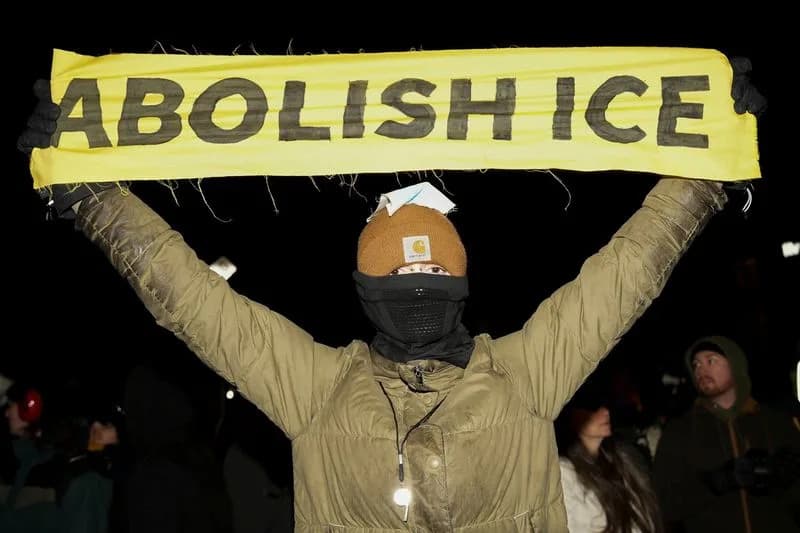
Reports and widely circulated video footage describe aggressive tactics during raids: masked, heavily equipped officers conducting door-to-door operations, breaking car windows, and physically restraining or detaining people. The fatal shooting of Renee Goodin in Minneapolis intensified public protests and prompted renewed debate about the federalization and militarization of immigration enforcement.
Political Responses And Oversight Debates
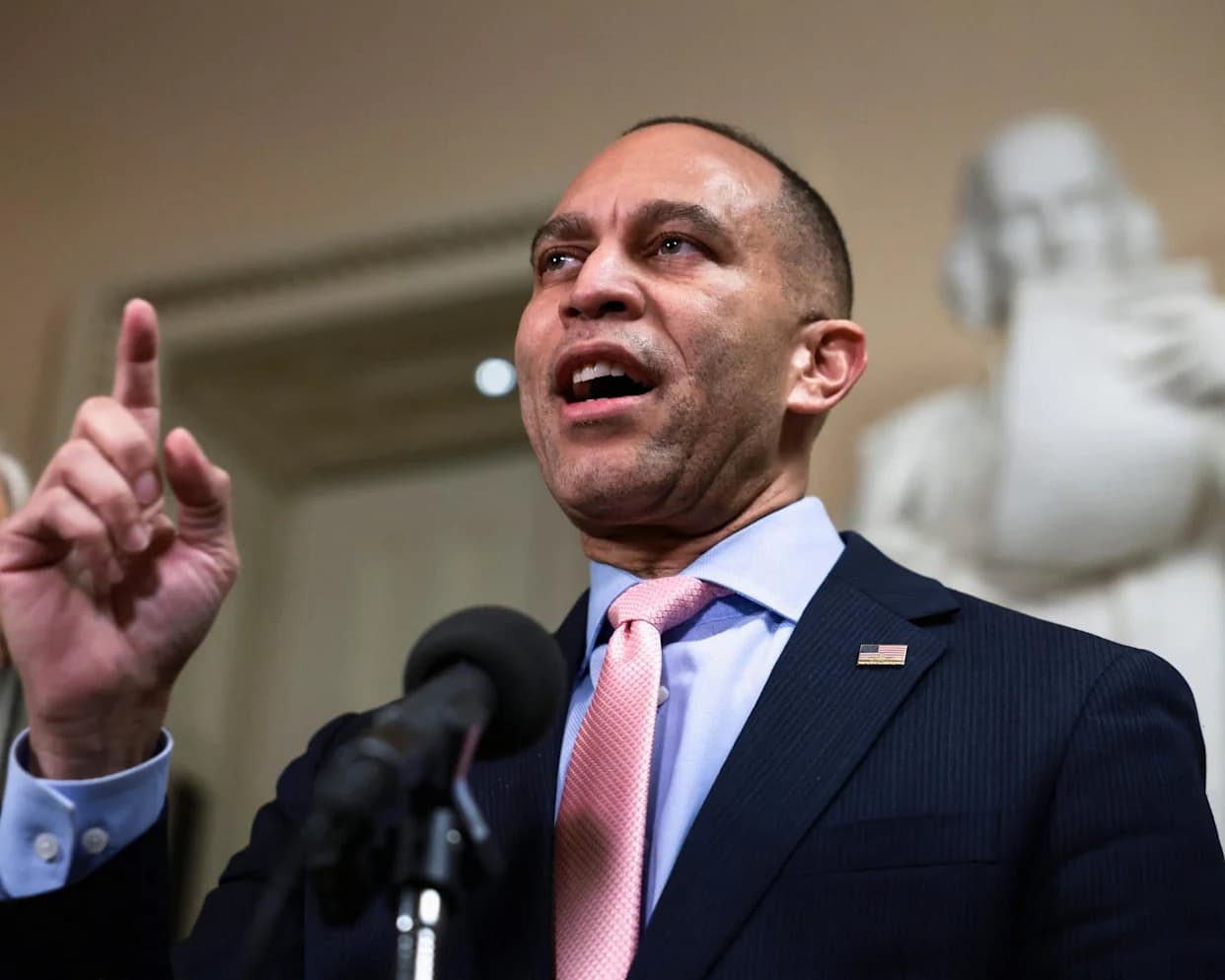
Lawmakers and advocates are sharply divided. Supporters, including some Republican leaders, argue federal officers are executing lawful removals and targeting serious criminals. Critics — including Democratic members of Congress, civil-rights groups and some local officials — say the operations have swept up noncriminals and even U.S. citizens and have exposed communities to fear and disruption. Proposals under consideration in Congress include limits on arrests near hospitals, courthouses, houses of worship and schools, requirements that officers display identification, and bans on face-covering by officers during operations.
Administration Goals And Reported Results
Officials have described ambitious enforcement targets, including a cited goal of up to 100,000 detentions per day and roughly 1 million deportations annually; independent verification of those targets and sustained feasibility remains a subject of debate. The department has reported large numbers of apprehensions and departures — including statements that roughly 600,000 people were arrested and deported and an additional 1.9 million people "voluntarily self-deported" since January 2025 — claims that advocates and some lawmakers say require further public accounting and oversight.
Outlook
With significant funding locked in through 2029 under the current package, Congress faces pressure to decide routine Homeland Security funding levels and possible policy restrictions. A growing bloc of Democrats has signaled opposition to additional appropriations without stronger safeguards on enforcement practices. As operations continue, the balance between federal enforcement priorities and community protections will be central to debates in state capitals and on the Hill.
Note on Reporting: This improved article focuses on reporting and context. Some names, figures and reported targets are drawn from public statements and internal department briefings; readers should consult official budget documents and congressional records for detailed appropriations and obligations.
Help us improve.