State and local officials are struggling to rein in aggressive tactics by federal immigration agents amid a surge in shootings, detention deaths and bystander videos showing potentially abusive force. Governors and lawmakers have proposed civil-rights laws, accountability commissions and complaint systems, but constitutional limits and a rapid expansion of federal enforcement personnel limit state options. Legal experts say litigation and independent investigations can constrain some abuses, but success is uncertain and likely piecemeal.
States and Cities Struggle to Curb Violent ICE Tactics as Federal Enforcement Intensifies
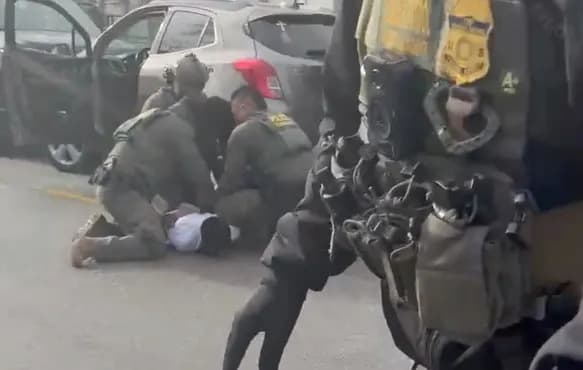
Bystander video shows U.S. Border Patrol agents kneeing a man several times in the face as others hold him down in Minneapolis on Jan. 9, 2025.
State and local leaders are grappling with a sharp rise in aggressive tactics by federal immigration agents, but legal and practical limits on state power have left many measures only partially effective.
Escalating Incidents and Public Outcry
Bystander video from Jan. 9, 2025, showed U.S. Border Patrol agents kneeling multiple times on a man’s face in Minneapolis — one of several recordings that has intensified scrutiny of federal immigration operations. The fatal shooting of Renee Good by a federal immigration agent on Jan. 7 was among roughly half a dozen agent-involved shootings since December, and a death at a Texas detention facility this month was ruled a homicide. Detention deaths last year reached at least 31, the highest total in two decades and more than the preceding four years combined.
Reporters and advocates also documented dozens of cases in the past year of agents using dangerous, federally banned arrest maneuvers — including chokeholds and other tactics that risk obstructing breathing. Videos show masked agents in tactical gear firing pepper spray into people’s faces, smashing car windows, punching and kneeing people pinned to the ground, using battering rams on doors and questioning people of color about their identities.
Federal Rhetoric and Staffing Changes
Critics link the surge in aggressive tactics to recent federal policy choices: a rapid expansion of enforcement personnel, use of military-style methods intended to create spectacle, and inflammatory rhetoric from top officials that some say normalizes brutality. The Department of Homeland Security has announced plans to hire thousands of new law-enforcement officers; media reports and agency statements indicate a significant increase in enforcement personnel deployed to cities such as Chicago and Minneapolis.
Republican officials including South Dakota Gov. Kristi Noem have defended several recorded incidents as legitimate uses of force and highlighted instances in which agents were injured or attacked while on duty. President Donald Trump has also used stark, dehumanizing language to describe immigrants targeted for removal. Advocates and legal experts warn that such rhetoric can act as a signal that there will be limited accountability for excessive force.
State Responses and Legal Limits
State and local governments have explored several responses, though none eliminate federal control over immigration enforcement. Measures taken or proposed include:
- Passing state civil-rights laws to create new legal pathways for people harmed by federal agents;
- Establishing independent accountability commissions to preserve evidence and gather testimony when federal obstruction is suspected;
- Directing state resources not to be used to assist federal immigration raids, or creating complaint systems to log federal misconduct.
Examples include New York’s governor saying state resources would not support raids, New Mexico calling for limits on detention, Colorado launching a reporting system for federal-agent misconduct, and Illinois creating an accountability commission after recent ICE operations.
Legal Hurdles And The Limits Of State Action
Legal experts caution that states face steep constitutional obstacles when attempting to block or regulate federal immigration enforcement. One proposed approach — sometimes described as "converse-1983" state civil-rights statutes, which would let people sue federal officers in state court — remains untested and faces skepticism from scholars who note that states cannot enact laws that unduly impede federal officers performing lawful duties.
Litigation and state investigations have, however, proven effective in some circumstances at challenging specific abuses, preserving evidence and creating political pressure. Attorneys for Renee Good’s family announced they were considering a lawsuit alleging constitutional violations tied to her death.
What Comes Next
Observers say a mix of federal oversight, litigation, independent state investigations and public scrutiny will likely be required to constrain abusive practices. At the same time, some Republican-led states are proposing expanded state-level immigration enforcement that could mirror federal tactics — a move that would raise significant federalism and civil-rights concerns.
“No single political strategy can change it,” said Stanford law professor Lucas Guttentag, noting litigation has been critical in limiting egregious violations but that an administration willing to test legal boundaries is hard to police.
As states and cities weigh next steps, the tension remains between protecting communities and the constitutional limits on interfering with federal immigration functions.
Help us improve.