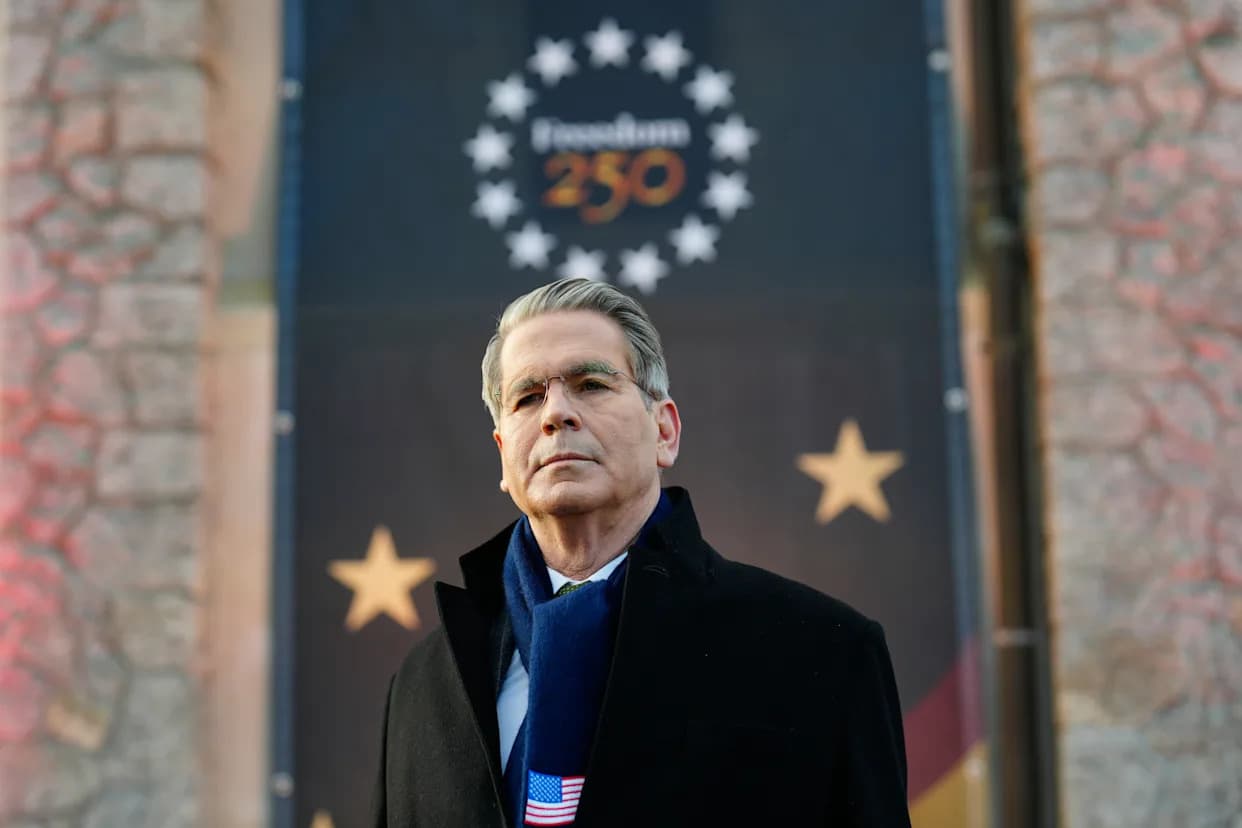
Overview: Protests and confrontations in Minneapolis have muddied the Trump administration’s immigration message, prompting the president’s private frustration and a push to emphasize ICE’s enforcement successes. Officials are developing new communication strategies and considering more targeted, lower-profile operations while stressing continued enforcement priorities. The clashes—sparked by a welfare-fraud probe, federal deployments and a fatal shooting—have hurt public perceptions and put pressure on local cooperation. Debate about invoking the Insurrection Act remains politically sensitive and the administration calls it a last resort.
Trump Frustrated As Minnesota Unrest Threatens Immigration Message; White House Seeks New Narrative
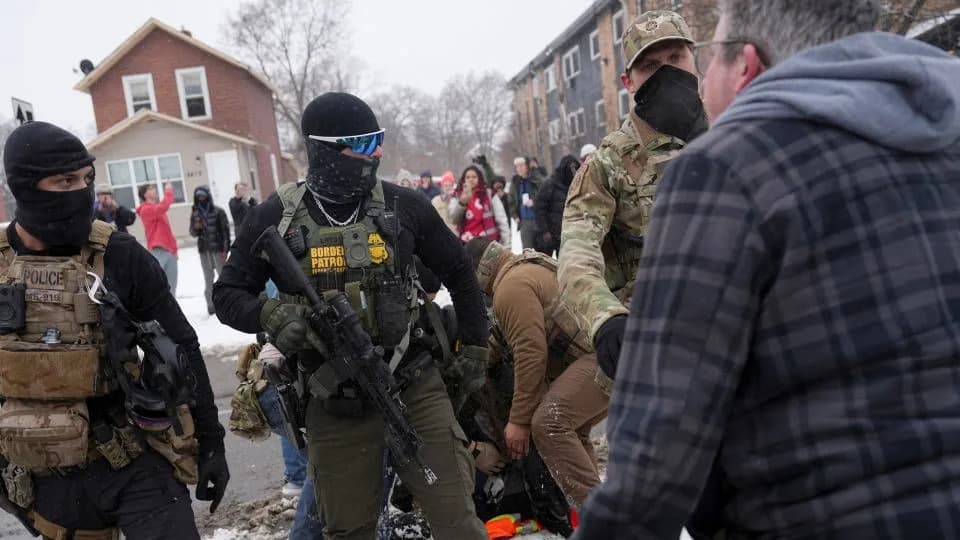
A man faces federal agents as a person is detained, while immigration enforcement continues after an Immigration and Customs Enforcement (ICE) agent fatally shot Renee Nicole Good on January 7 during an immigration raid, in Minneapolis. - Leah Millis/Reuters
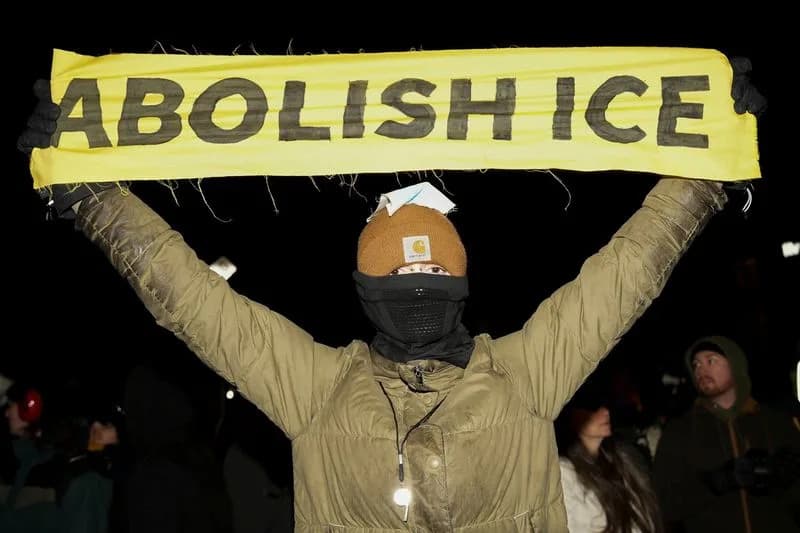
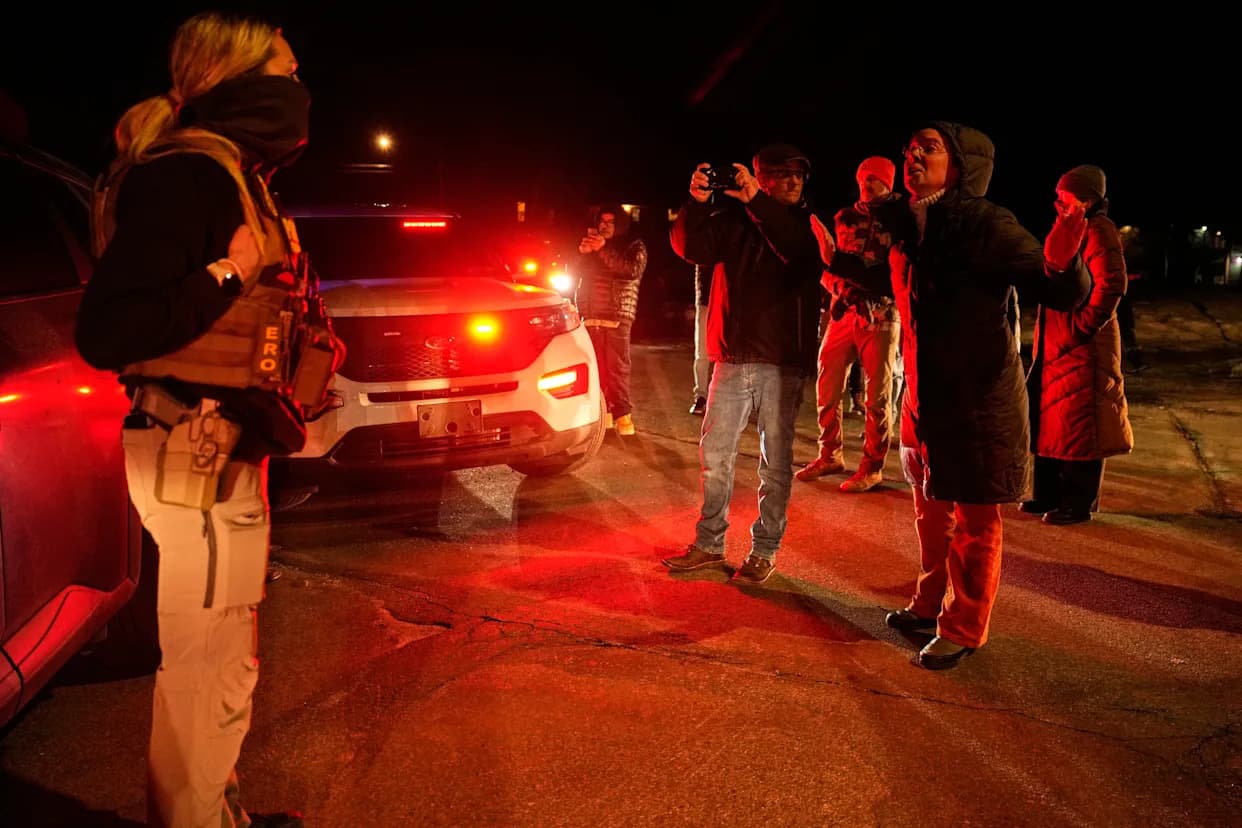
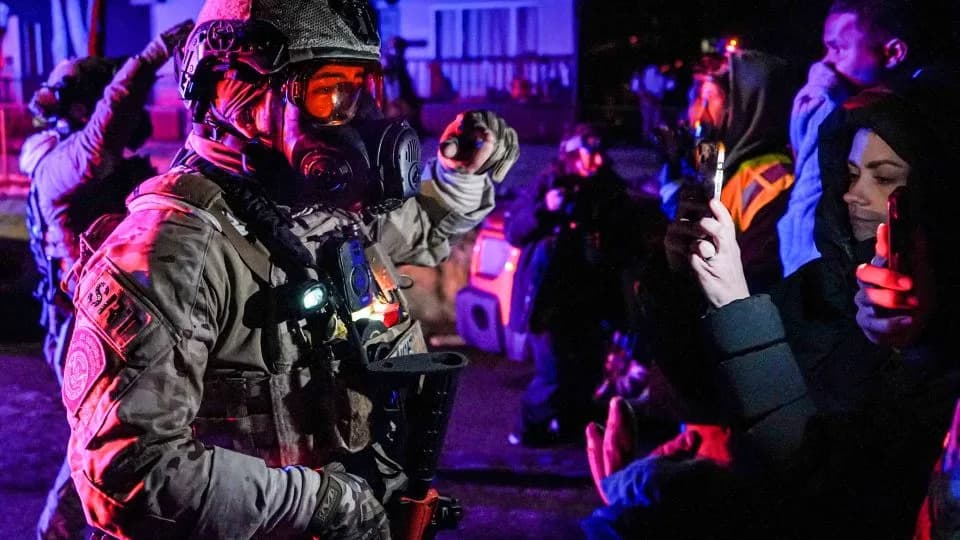
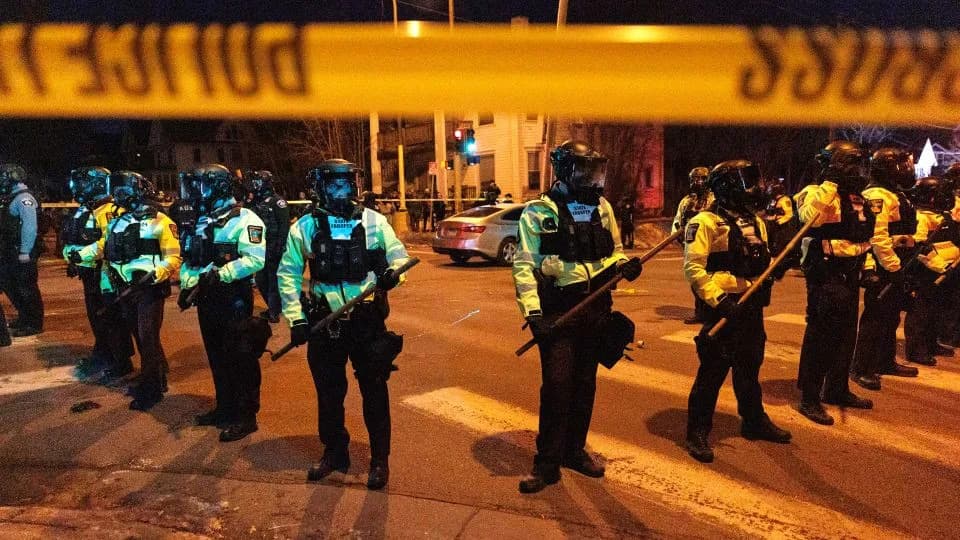
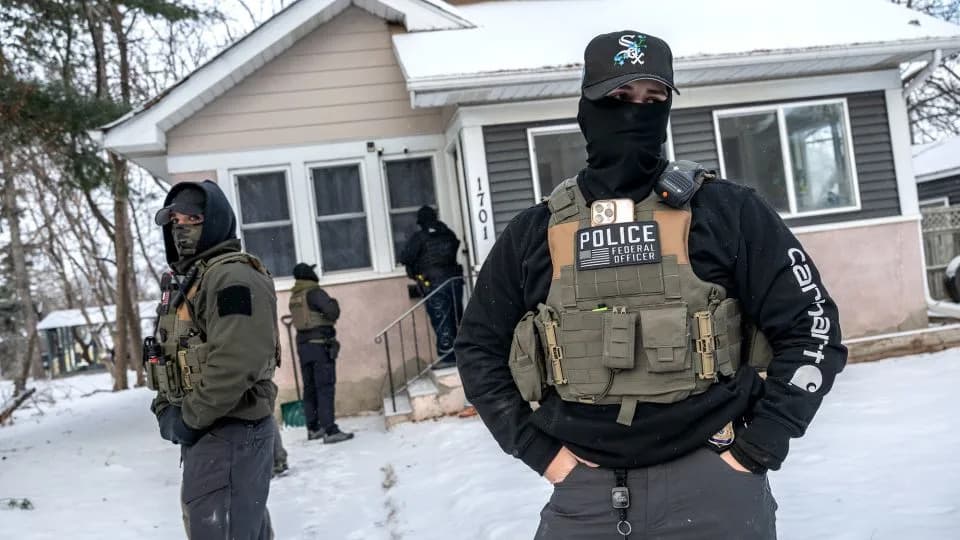
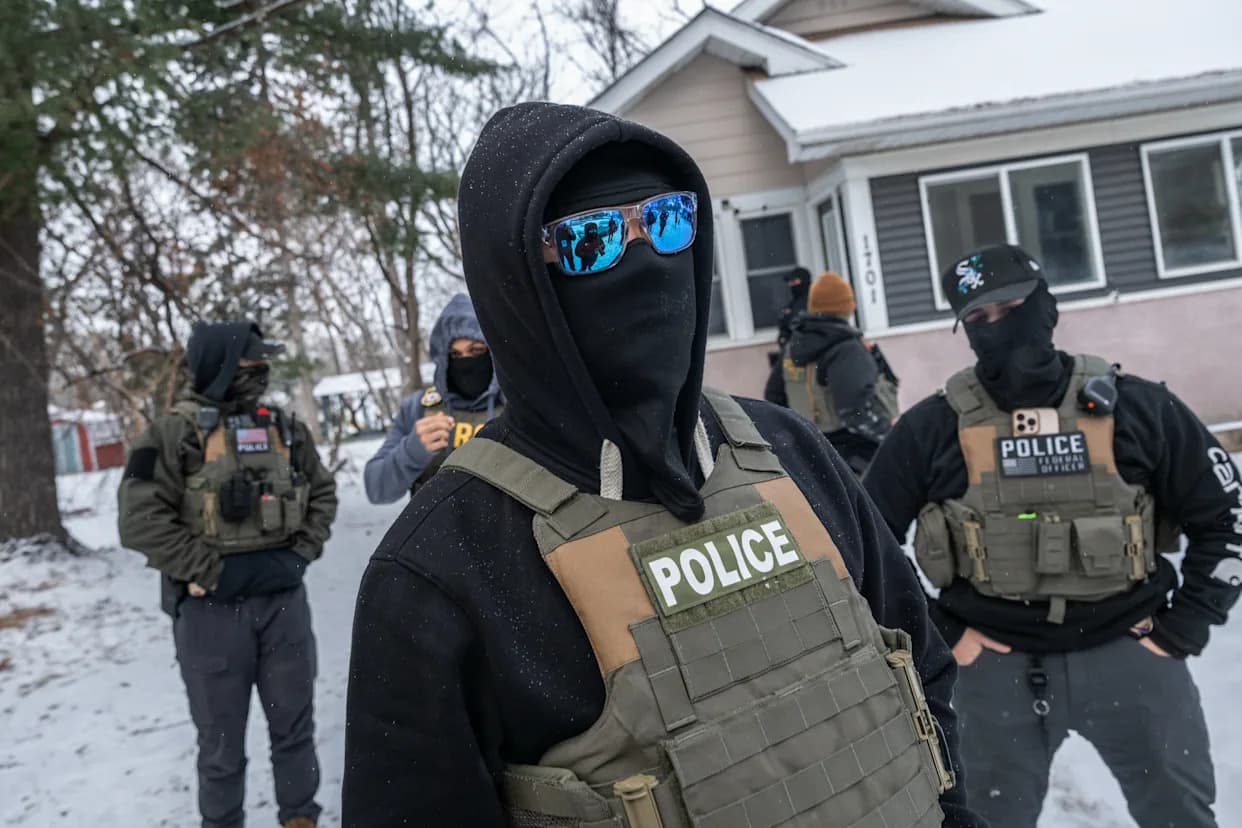
Images and protests in Minneapolis have overshadowed the Trump administration’s immigration narrative, prompting private frustration from President Donald Trump and a rapid recalibration by senior aides. Officials say the administration is urgently trying to shift public attention from street clashes to what they describe as ICE’s enforcement successes.
Why Tensions Escalated
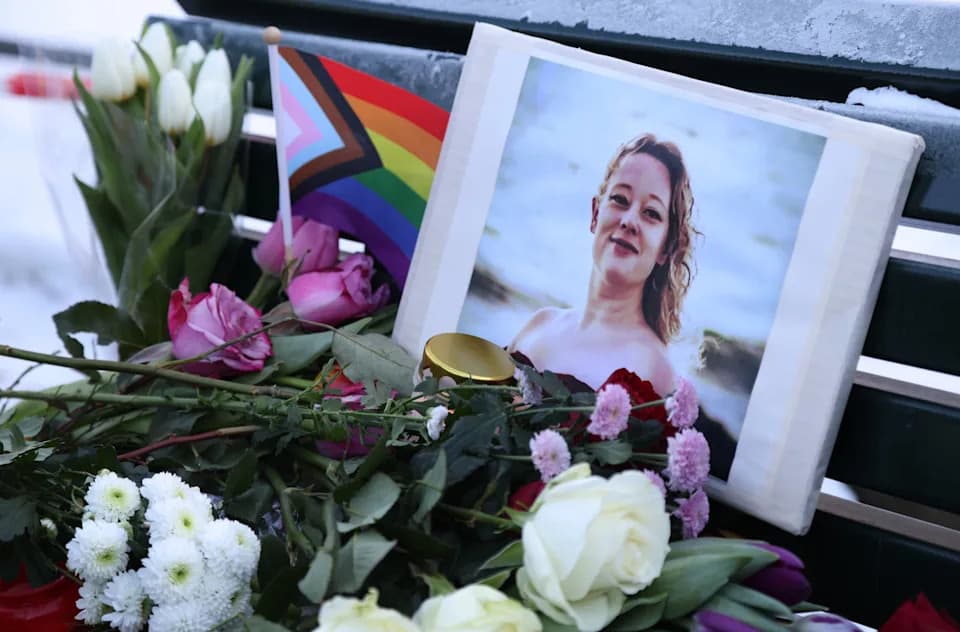
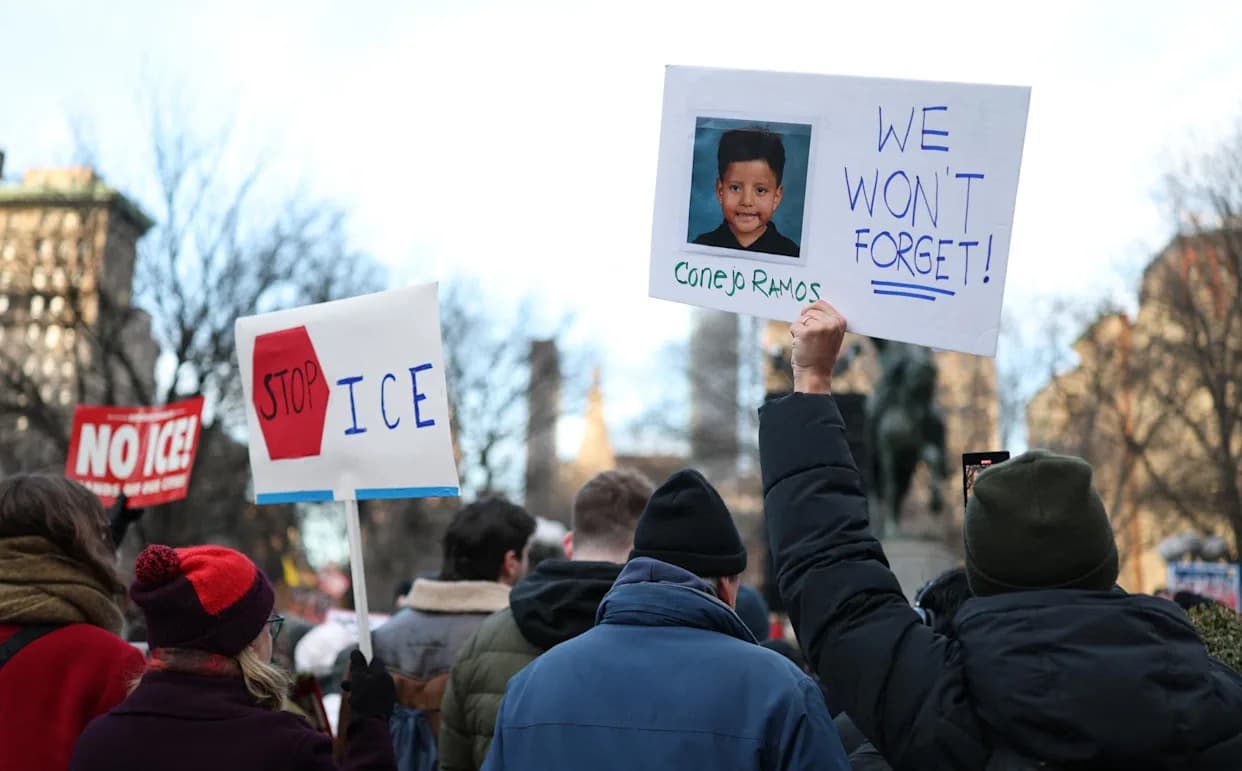
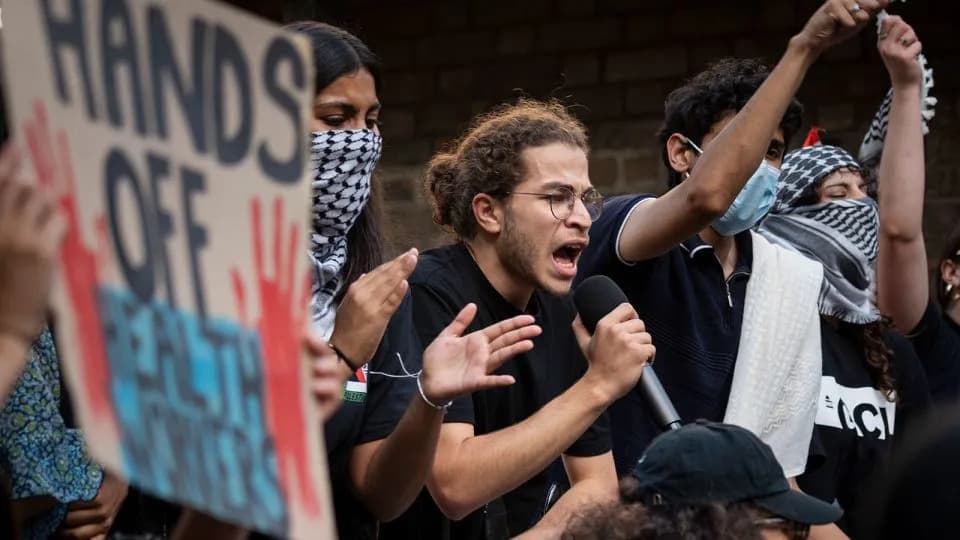
Administration officials pinpoint the sequence of events that led to heightened scrutiny: a welfare-fraud investigation targeting the Somali community in Minneapolis, a Department of Homeland Security surge of federal agents to the Twin Cities in late December and again in January, and a high-profile confrontation that left an ICE agent fatally shot. Those developments, officials say, prompted large protests, clashes with federal agents, and widespread circulation of unsettling footage showing tense interactions between agents and civilians.
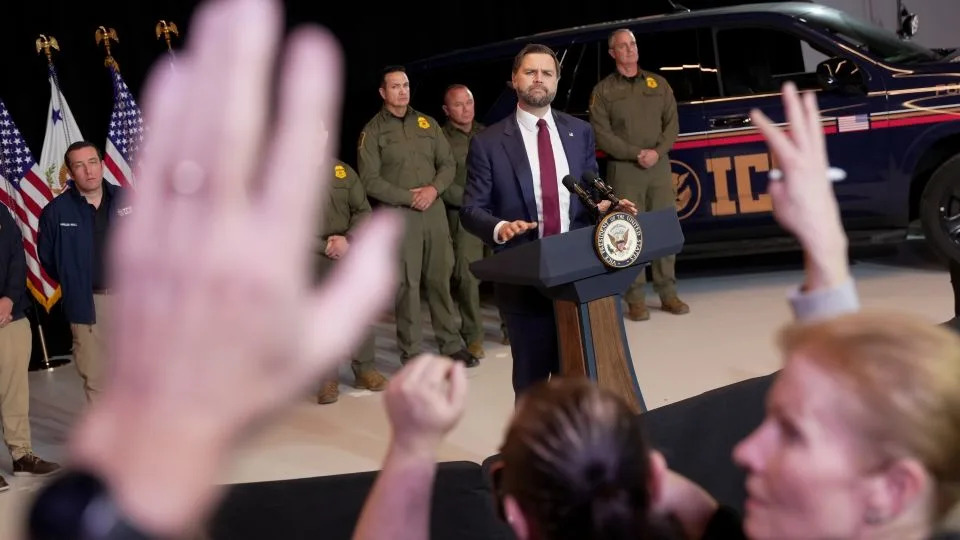
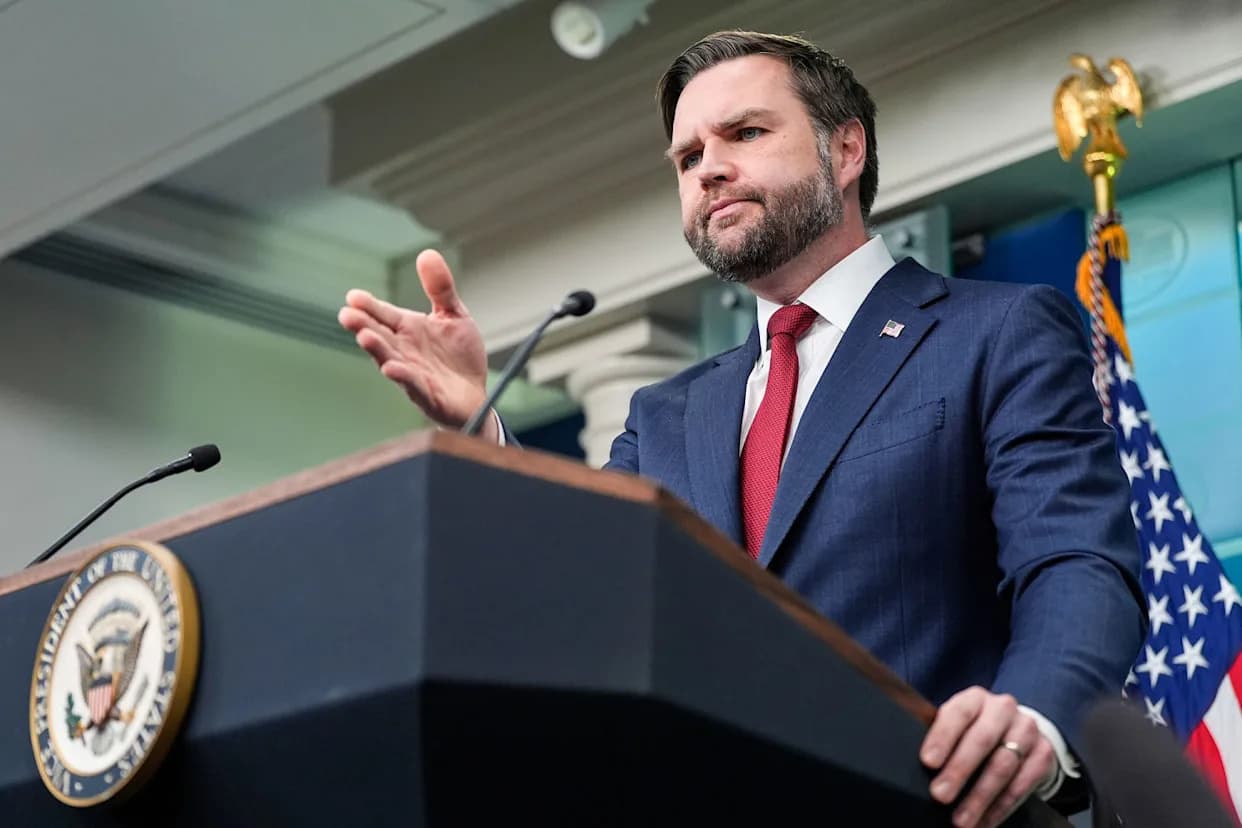
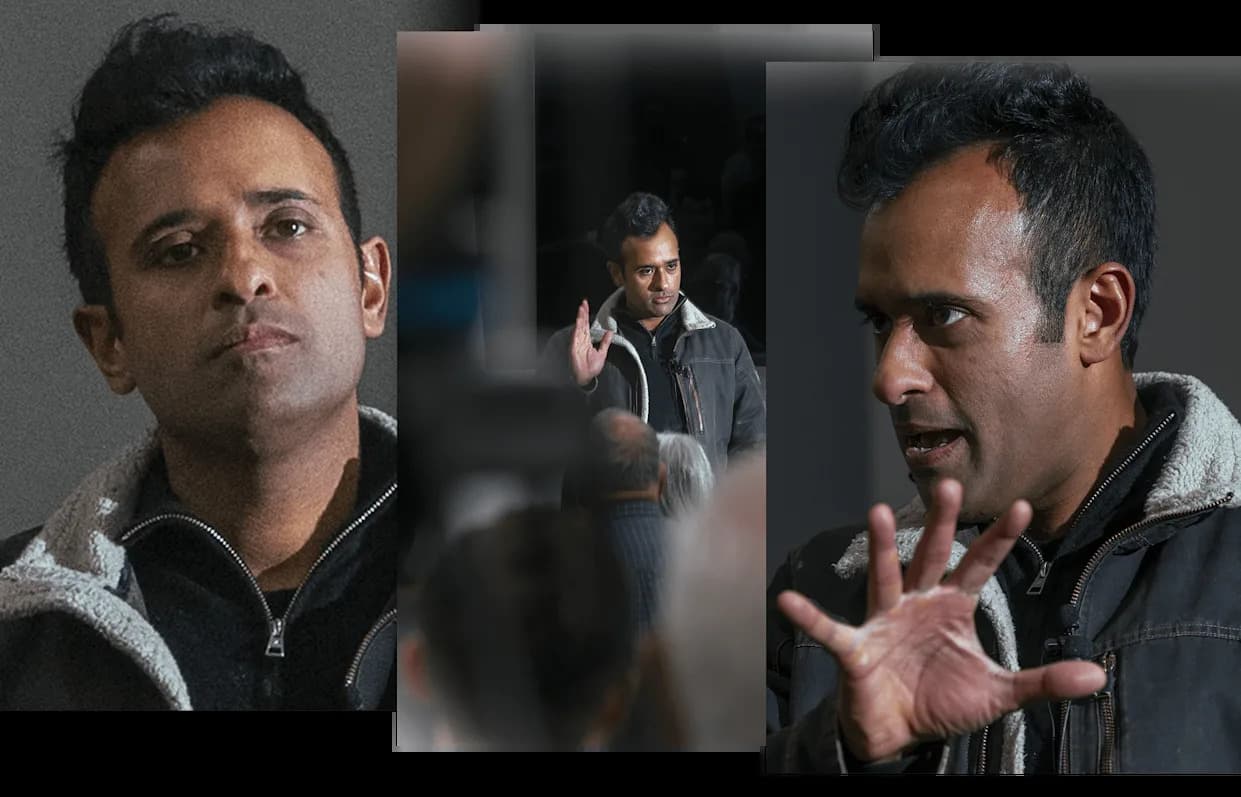
Vice President JD Vance speaks during a news conference on Thursday, Jan. 22, 2026, in Minneapolis. - Angelina Katsanis/AP
Trump’s Response
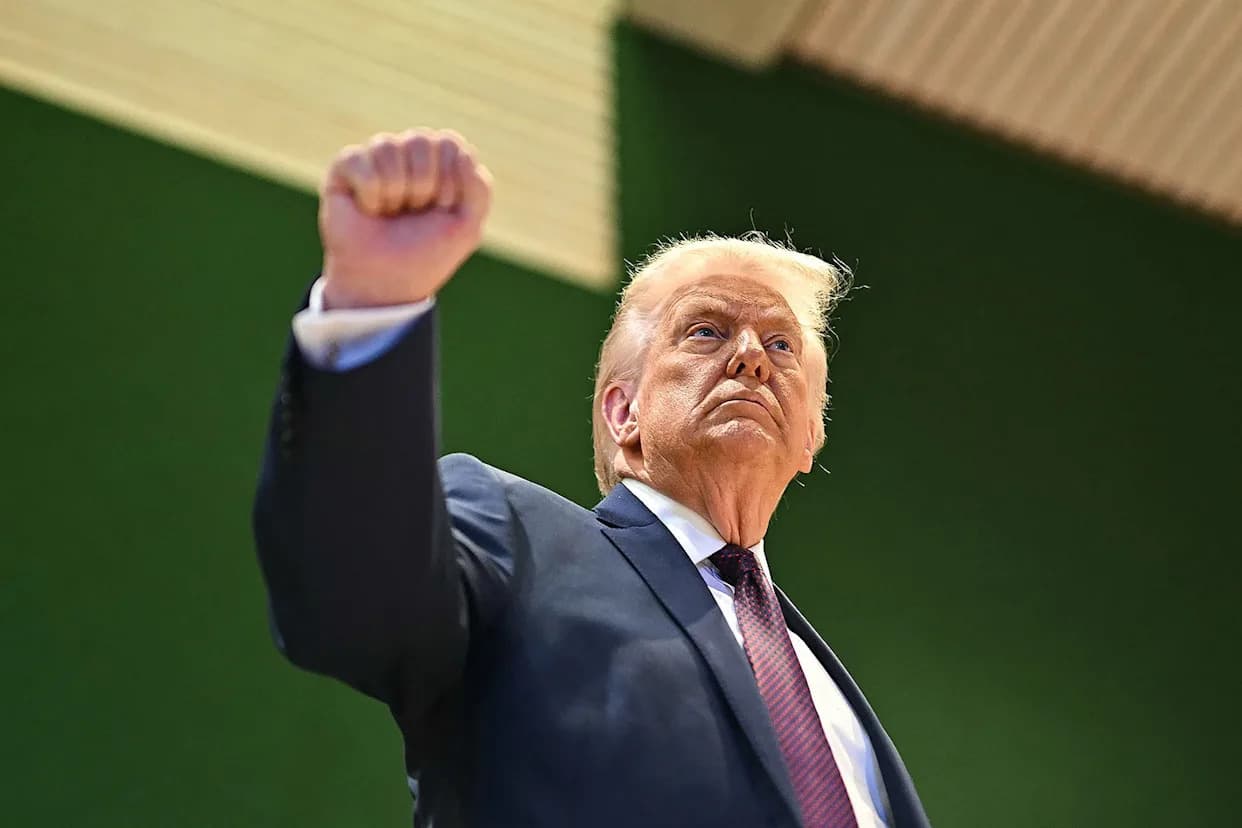
Privately, President Trump has expressed annoyance that the broader enforcement message—focused on deporting criminals—has been lost amid the chaotic images. He held an impromptu briefing where he displayed printed mugshots of people arrested in the operations to reinforce the administration’s rationale for the crackdown. "He wanted to remind the world of why ICE is doing what they’re doing," a senior White House official told CNN.
Shift In Messaging, Not Policy
Top aides are developing new communications strategies to amplify ICE’s successes rather than the clashes. Officials say the tone has been dialed back in public remarks to calm tensions, but they emphasize that policy goals remain unchanged. "The Trump Administration’s message hasn’t changed: we will enforce federal immigration law and arrest the worst of the worst," White House spokeswoman Abigail Jackson said.
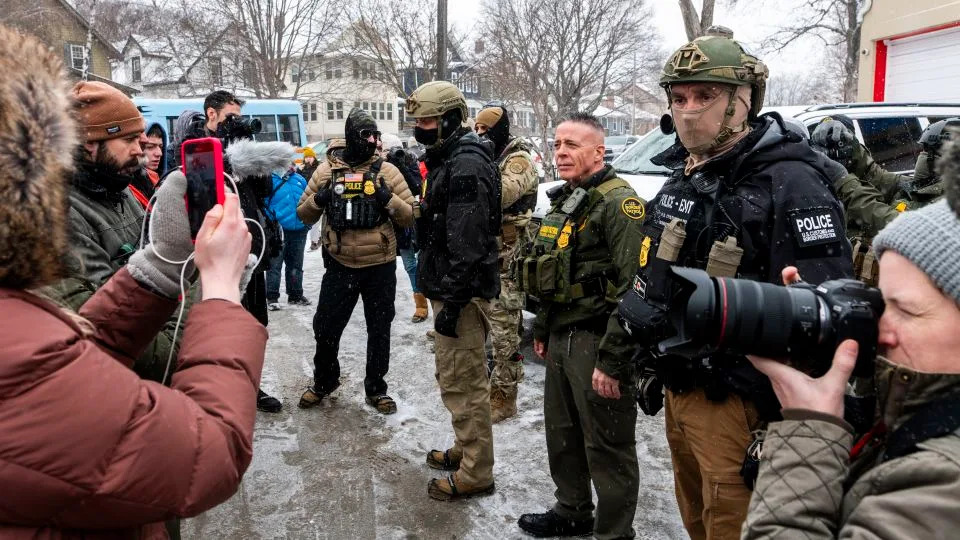
US Border Patrol Commander Gregory Bovino, center, looks on as he is confronted by community members on Wednesday, in Minneapolis. - Stephen Maturen/Getty Images
Political Stakes And Polling
The operation’s optics have immediate political consequences. A recent CNN/SSRS poll found 51% of Americans believe ICE actions are making cities less safe, while 31% say they are making cities safer and 18% see little change. Some Republican allies have warned that the clashes could become a liability heading into the midterms unless messaging and local coordination improve.
Operational Tactics And Legal Limits
Officials say they are considering more targeted, less-publicized enforcement actions to avoid large, high-profile confrontations. The administration has also revisited the politically fraught question of invoking the Insurrection Act — which would allow use of active-duty troops domestically — but officials describe that option as a last resort given its political risks.
Calls For Local Cooperation
Vice President J.D. Vance and other officials have called for greater cooperation from state and local leaders to reduce chaos and improve coordination during operations. Critics, including Democrats and local officials, contend the federal approach has escalated tensions and bears responsibility for the confrontations.
Bottom Line: The administration is trying to regain control of the narrative by highlighting enforcement outcomes and shifting to more discreet tactics, even as the Minnesota clashes raise political and operational concerns.
Help us improve.