High‑profile incidents involving ICE and Border Patrol — including the death of ICU nurse Alex Pretti, the detention of a 5‑year‑old, and a Fort Bliss detainee ruled a homicide — have sparked nationwide protests and renewed calls for congressional action. Polling shows a majority of voters oppose increased enforcement funding and favor holding agents accountable. With the Senate set to vote on funding bills before a Jan. 30 deadline, lawmakers can withhold DHS funds or attach enforceable reforms to prevent further abuses.
Senate Can Curb ICE Abuses This Week — Lawmakers Must Choose Accountability Over Funding
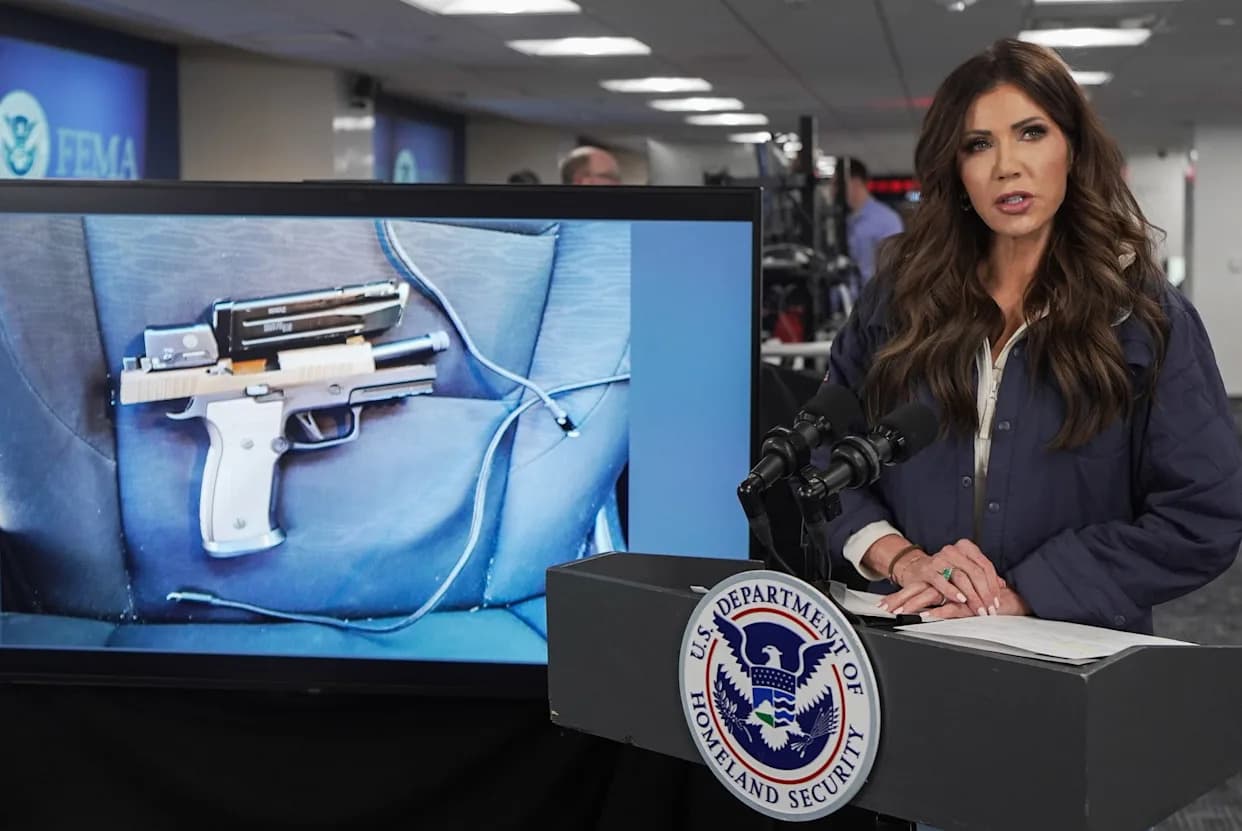
ICE is clearly out of control. This week the Senate can actually do something about it.
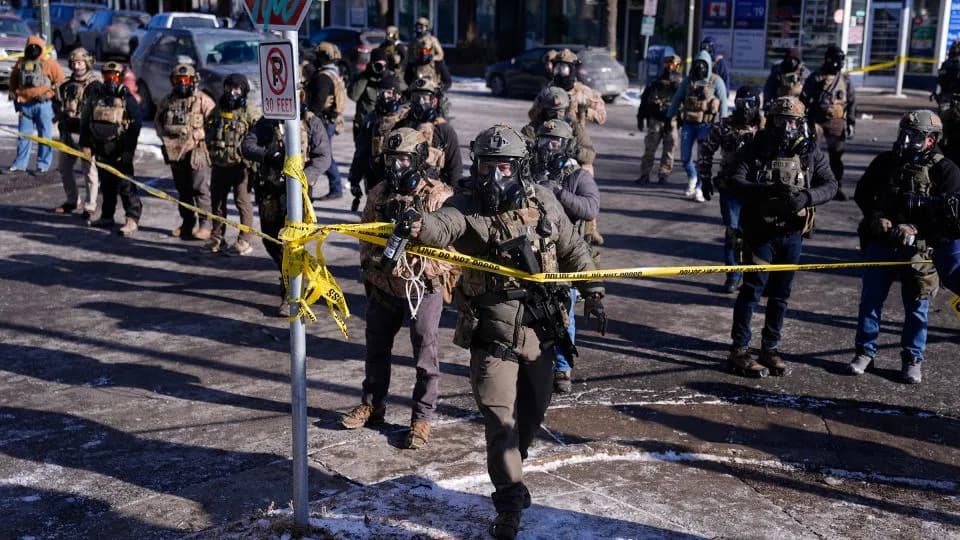
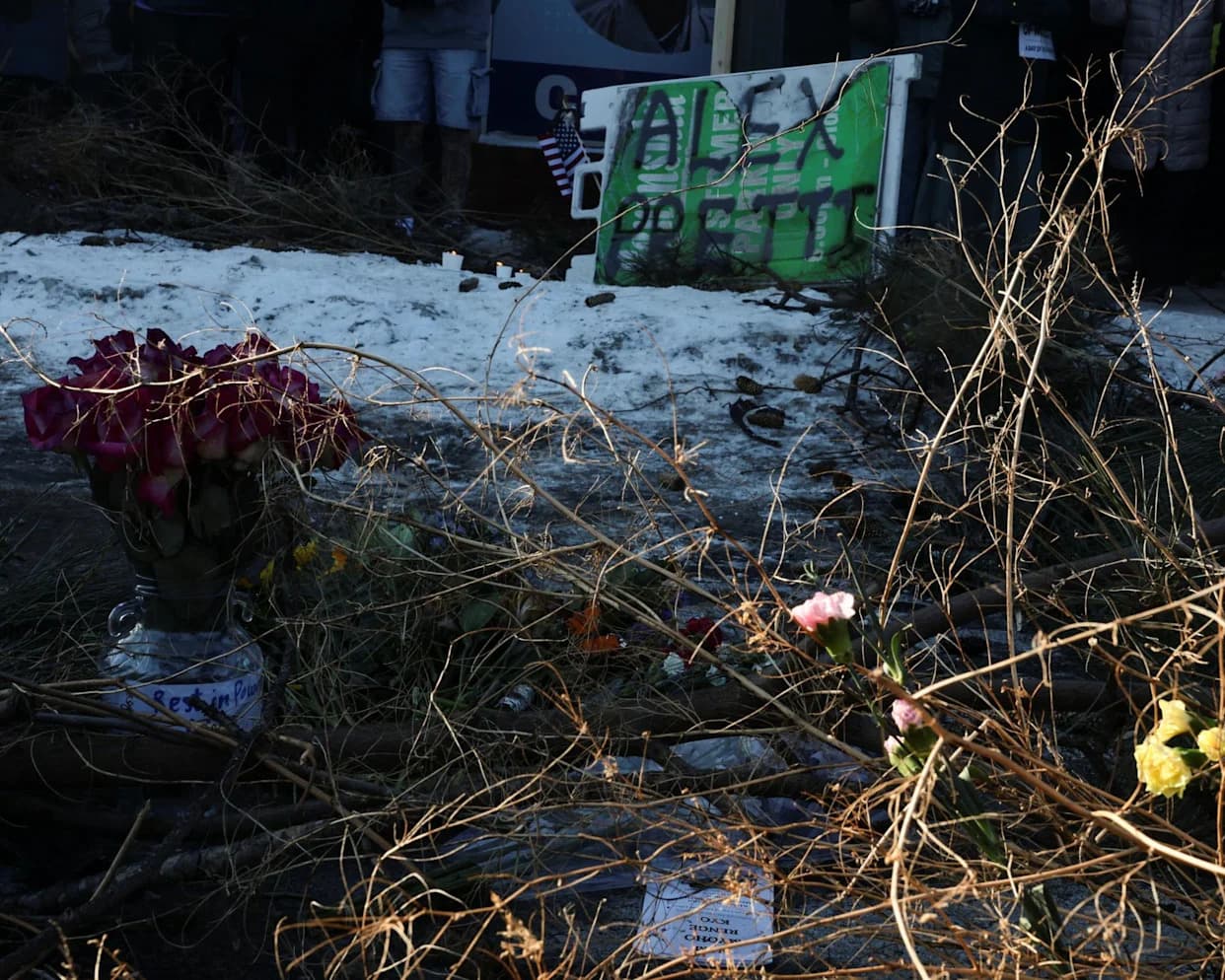
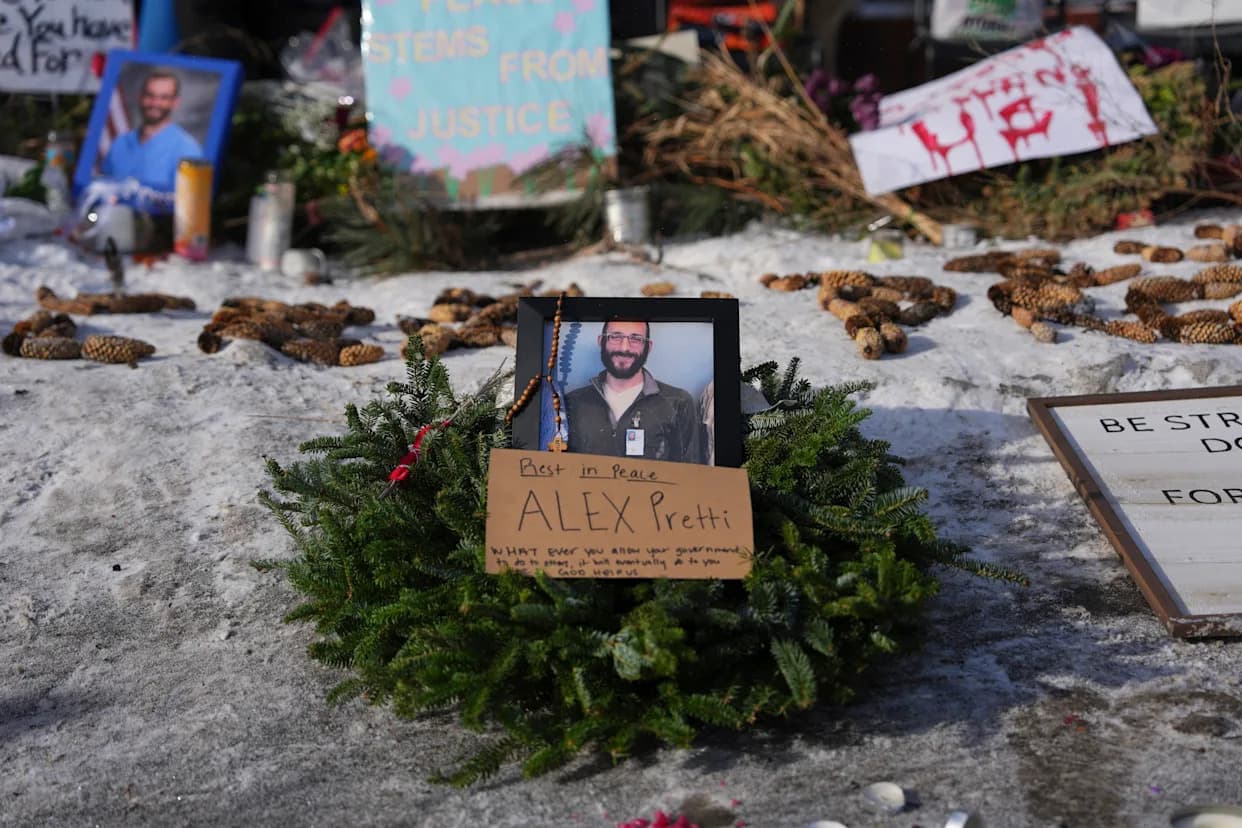
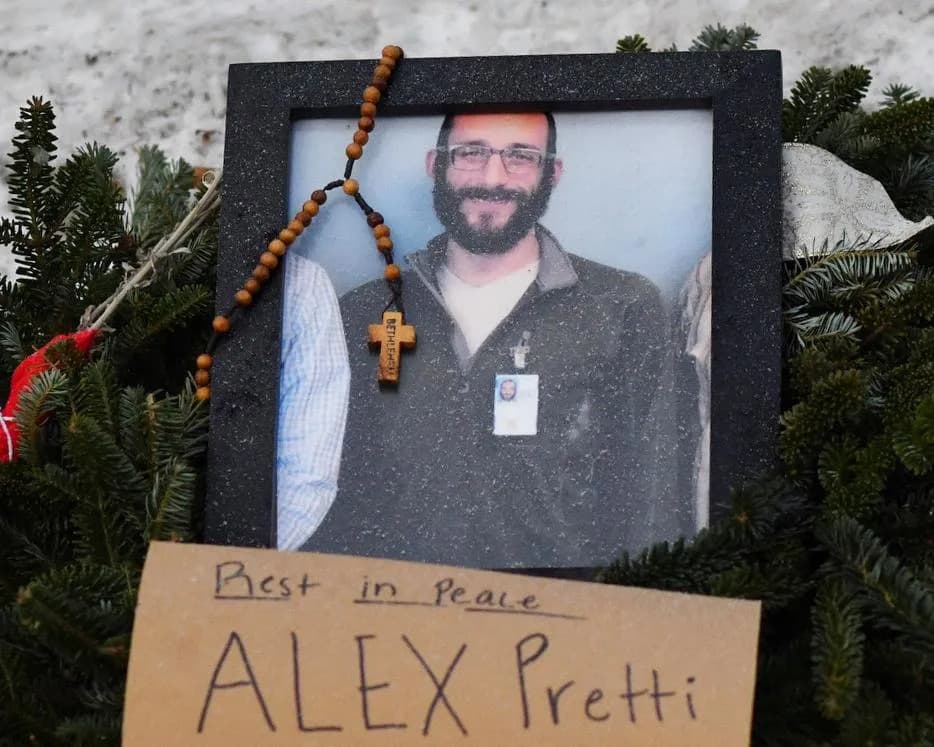
Recent high‑profile incidents involving ICE and Border Patrol have ignited national outrage and put senators on notice as they prepare to vote on funding this week. A 5‑year‑old child was detained and transported to a Texas immigration facility with his father; Minnesotans were shot — and in some cases killed — during encounters with federal agents; and U.S. citizens have been publicly arrested by masked officers in broad daylight. The filmed death of 37‑year‑old ICU nurse Alex Pretti has become a focal point for calls to hold federal immigration agencies accountable.
Public concern is reflected in polling: a Data for Progress survey finds 55% of voters oppose additional funding for immigration enforcement, and New York Times polling reports 61% believe ICE's tactics have "gone too far." An ACLU poll also shows 54% oppose increases to ICE’s enforcement and detention budget, while 65% back measures to hold agents accountable for constitutional violations.
Senators are scheduled to vote on six government‑funding bills ahead of a Jan. 30 shutdown deadline. If Congress renews funding for the Department of Homeland Security without enforceable limits on ICE and Border Patrol, critics say lawmakers would be complicit in ongoing rights violations, violence, and disorder attributed to those agencies.
What lawmakers can — and should — do
Senate Minority Leader Chuck Schumer has vowed to oppose any funding package that includes DHS funding, signaling the urgency many advocates and voters feel. Lawmakers can advance funding for other departments while conditioning any DHS appropriations on firm, enforceable reforms, including:
- Prohibiting warrantless home entries and ensuring arrests at private residences require a judicial warrant;
- Restricting Border Patrol operations in local communities and preventing routine city policing by border agents;
- Requiring prompt, independent investigations into deaths and shootings involving federal agents, and full cooperation with state investigators;
- Protecting First Amendment activity, including the right to record and peacefully protest near immigration facilities;
- Establishing clear accountability mechanisms for officers who violate constitutional rights, including civil remedies and congressional oversight.
Reports of a leaked DHS memo allowing agents to force entry into homes without judicial warrants — if accurate — raise serious Fourth Amendment concerns. Local communities report ICE vehicles tailing school buses and attempting to enter school grounds, and the ripple effects of aggressive enforcement are clear: children miss school, small businesses lose customers, and families live in fear.
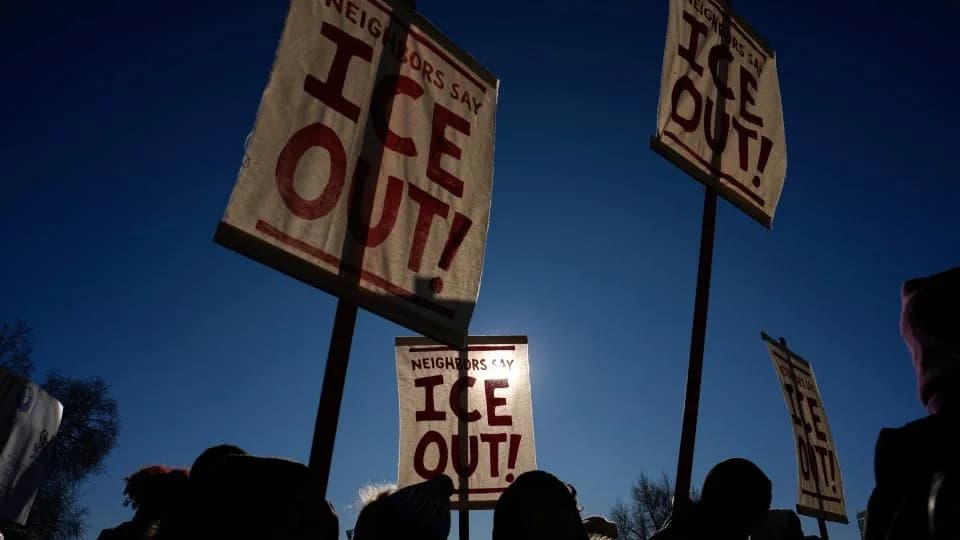
Within days of the shooting death of Renee Good, more than 1,000 protests erupted nationwide; Minneapolis officials said roughly 15,000 people braved subzero temperatures to demand change. A medical examiner recently ruled the death of a 55‑year‑old detainee at Fort Bliss, Texas, a homicide by asphyxiation after ICE first described the death as a suicide — a development that underscores demands for transparency.
"Congress has a choice: finance agencies with a record of alleged abuses as‑is, or use its power of the purse to require constitutional policing and accountability."
The Senate can act this week to attach meaningful conditions to DHS appropriations or to withhold funding until reforms are secured. Voters and advocates across the political spectrum are calling for limits, transparency, and accountability. Senators should listen — and then take decisive action.
Originally published on MS NOW.
Help us improve.