Overview: Former acting ICE director John Sandweg says ICE selects cities for enforcement based primarily on immigrant population size and whether local sanctuary policies create more "at‑large" targets. He noted that sanctuary policies differ by jurisdiction and that ICE typically has visibility on people booked into jails and prisons. Jurisdictions that refuse ICE detainers can lead to larger, on‑the‑ground surges of agents.
Why ICE Targets Certain Cities: Former Acting Director Lays Out the Criteria
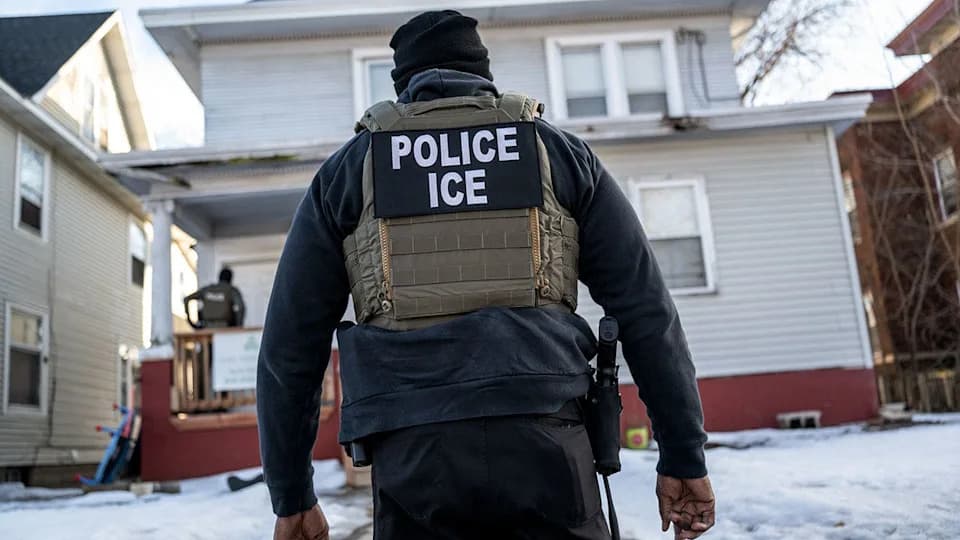
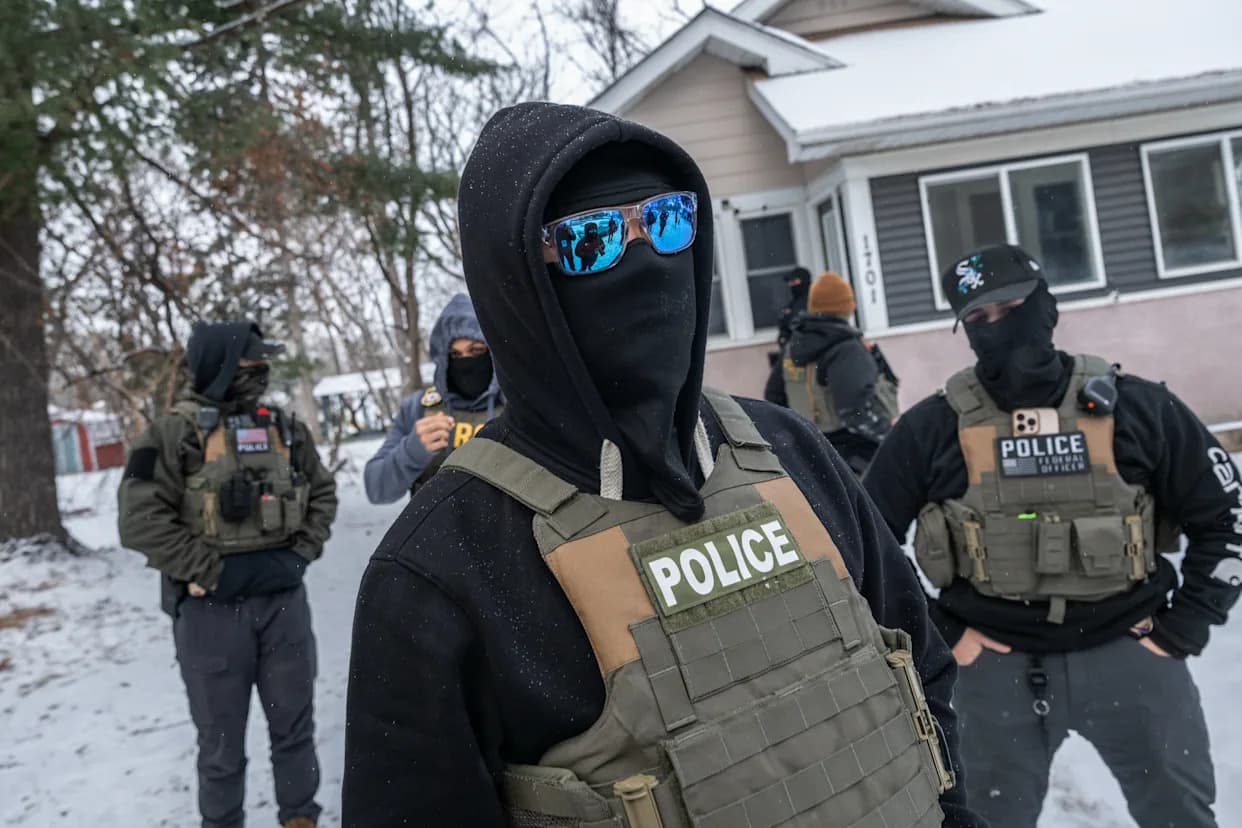
An ICE agent is seen standing in front of a house in a residential area.(Getty Images)
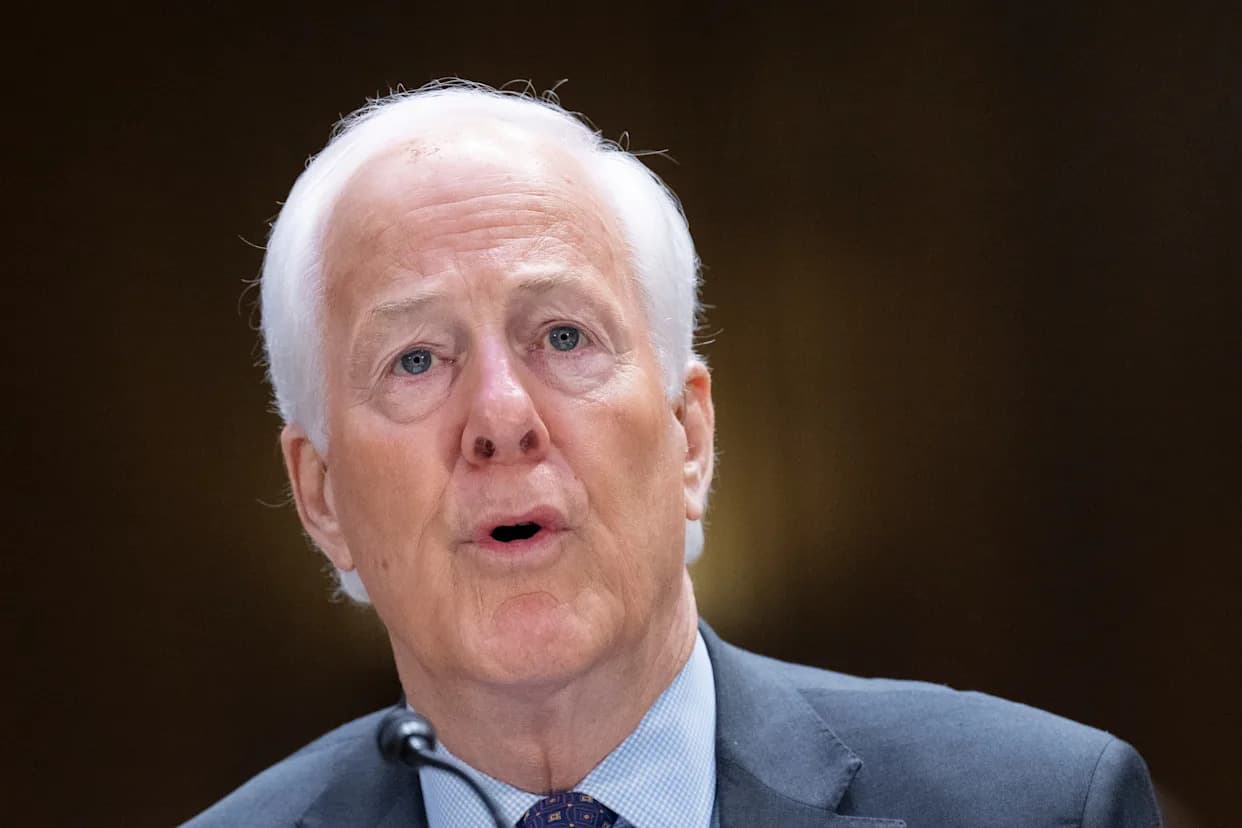
John Sandweg, who served as acting director of U.S. Immigration and Customs Enforcement (ICE) from 2013 to 2014, explained how the agency decides which cities to target for enforcement operations. Speaking to Fox News Digital, Sandweg said the agency’s choices are driven by operational factors — not simply politics — with sanctuary policies playing an important but not exclusive role.
Primary Considerations
Sandweg said the most important factor is the size of the immigrant population in a community. The second factor is whether a jurisdiction’s policies create a larger pool of "at‑large" targets — people ICE wants to arrest who are not currently detained in a jail or prison.
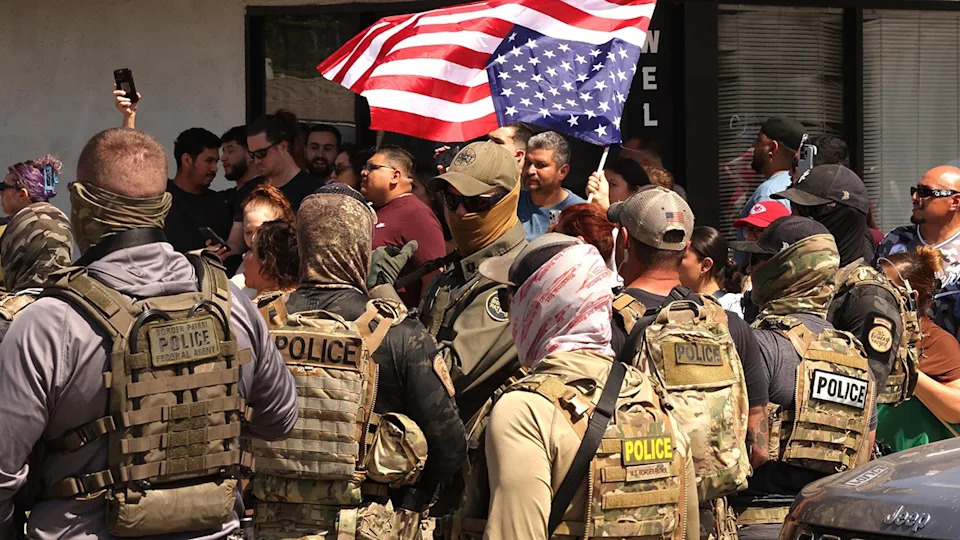
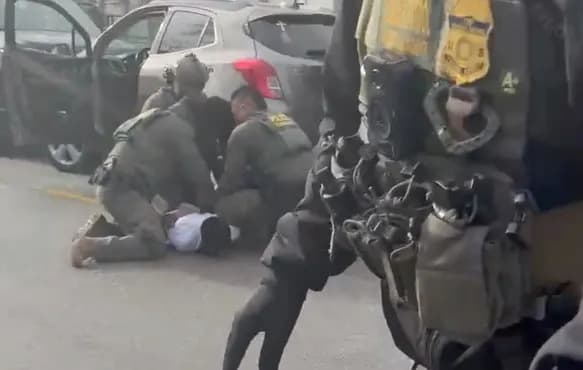
Residents surround federal and Border Patrol agents who plan their escape after an immigrant raid on Atlantic Blvd. in Bell, California, June 19, 2025.
"The biggest driver would be immigrant population, how significant a population is there in that particular community. And then the second thing is, is there something like a sanctuary policy that would increase the number of at‑large targets... Those are the traditional factors that ICE would rely on in making determinations about where to do at‑large surges."
Recent Deployments
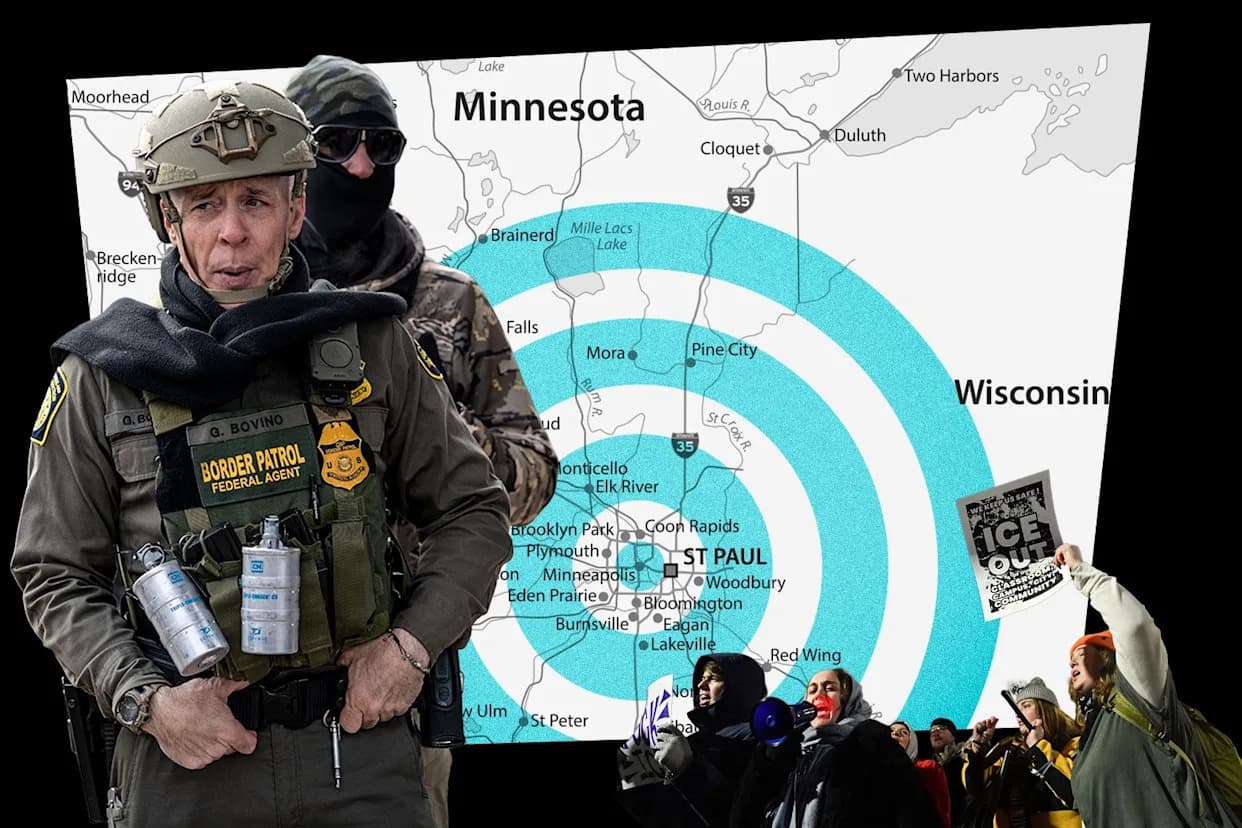
In 2025, the federal government deployed additional ICE agents to cities including Minneapolis, Los Angeles, Portland and Chicago. Sandweg noted these are large urban centers with significant immigrant populations and, in many cases, sanctuary policies — factors that tend to increase the likelihood of at‑large enforcement operations.
"You want to go where the criminals are … you're going to be looking at data about where is it that we can find the biggest bang for our buck," he said, noting that higher population density in large cities often concentrates criminal activity.
How Sanctuary Policies Affect Operations
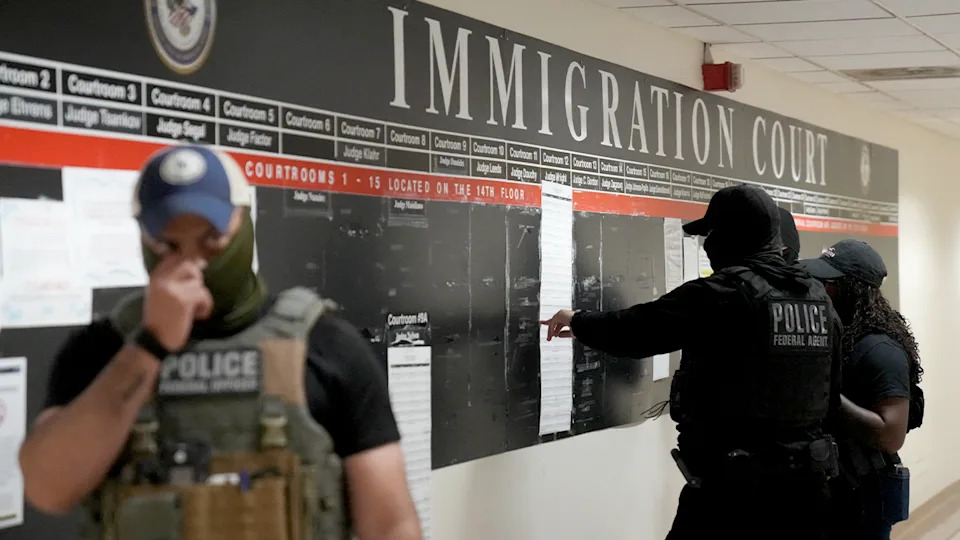
U.S. Immigration and Customs Enforcement (ICE) agents look over lists of names and their hearing times and locations inside the Federal Plaza courthouse before making arrests on June 27, 2025 in New York.
Sandweg emphasized that sanctuary policies vary widely. ICE generally has good visibility into people who are booked into jails and prisons nationwide, but some jurisdictions refuse to honor ICE requests to hold detainees (known as "detainers").
"ICE is really good at getting people in prisons and jails. There isn't a person booked into a prison or jail in the United States today that ICE doesn't get visibility on... In those jurisdictions, you're going to find more targets because those people, ICE normally would take custody of them in jail or prison."
When local authorities decline to hold individuals for ICE, the agency faces an operational challenge. That resistance can prompt ICE to send more personnel and resources into an area to apprehend targets that otherwise would have been transferred from jail custody.
Bottom Line
According to Sandweg, ICE’s decisions about where to concentrate enforcement are guided by data — immigrant population size, sanctuary policy effects on at‑large targets, and the practicality of making arrests — rather than by a straightforward political agenda. He also warned that high‑profile confrontations attract attention, but much enforcement work occurs quietly through jail and prison transfers nationwide.
Help us improve.