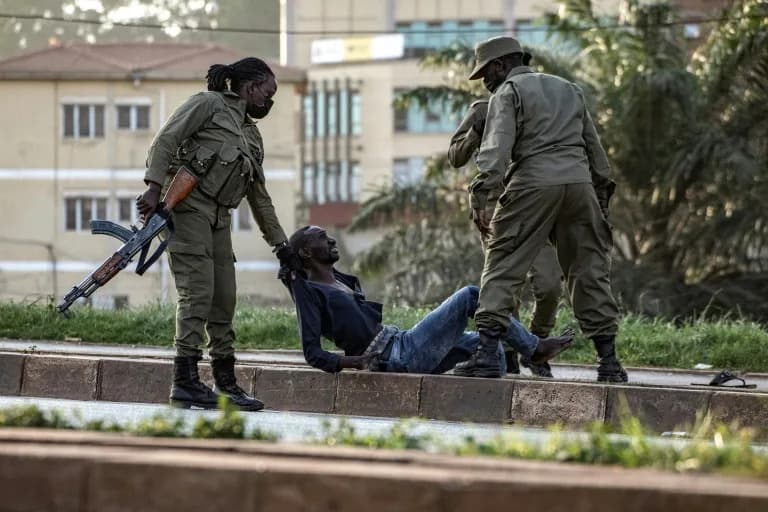
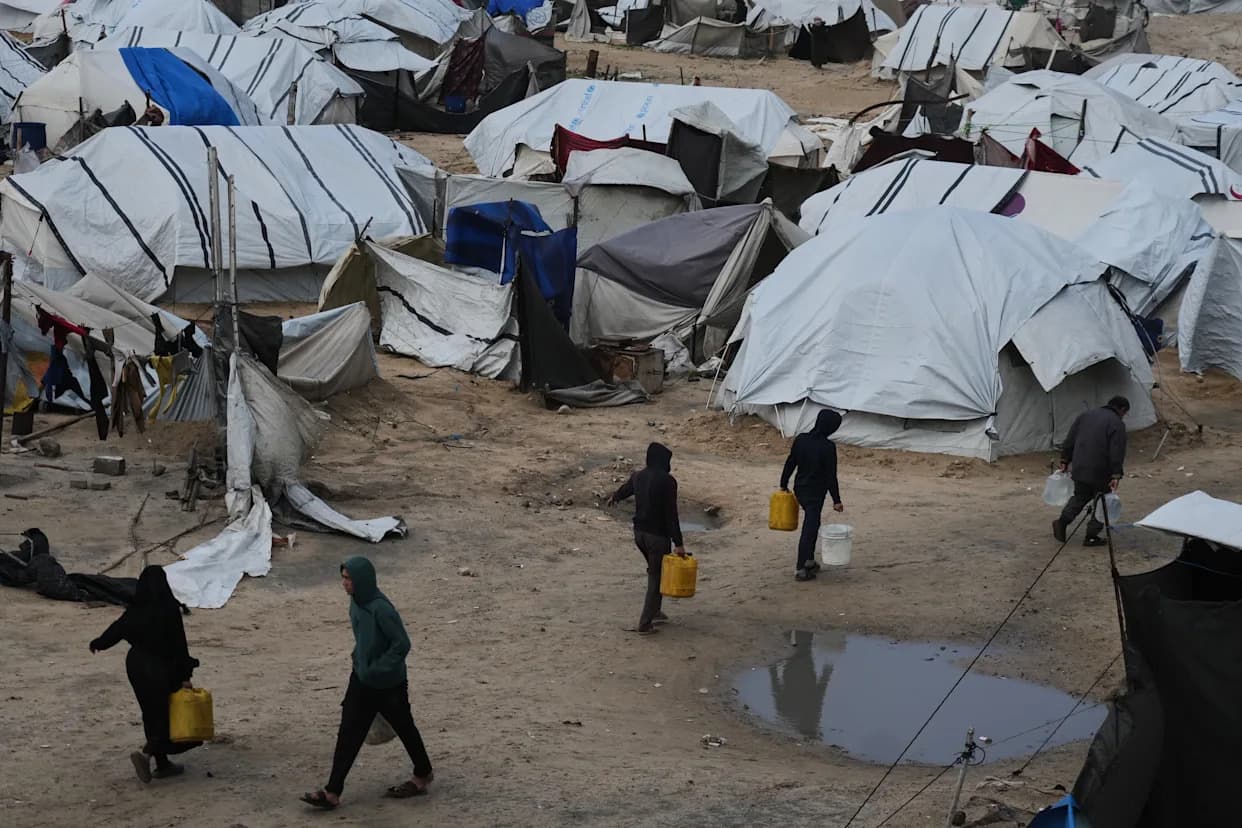
Viral footage of the fatal shooting of Renee Nicole Good by an ICE officer has highlighted a significant shift in U.S. immigration enforcement. Experts say ICE has moved from largely jail-based custody transfers to visible, often indiscriminate public arrests, enabled by increased detention funding and political pressure to raise arrest numbers. These tactics have extended enforcement reach into neighborhoods, ensnaring citizens and lawful residents and producing fear and measurable harms to community health and economic life.
How ICE’s Domestic Tactics Shifted: The Militarized, ‘Random’ Raids Behind Renee Nicole Good’s Death
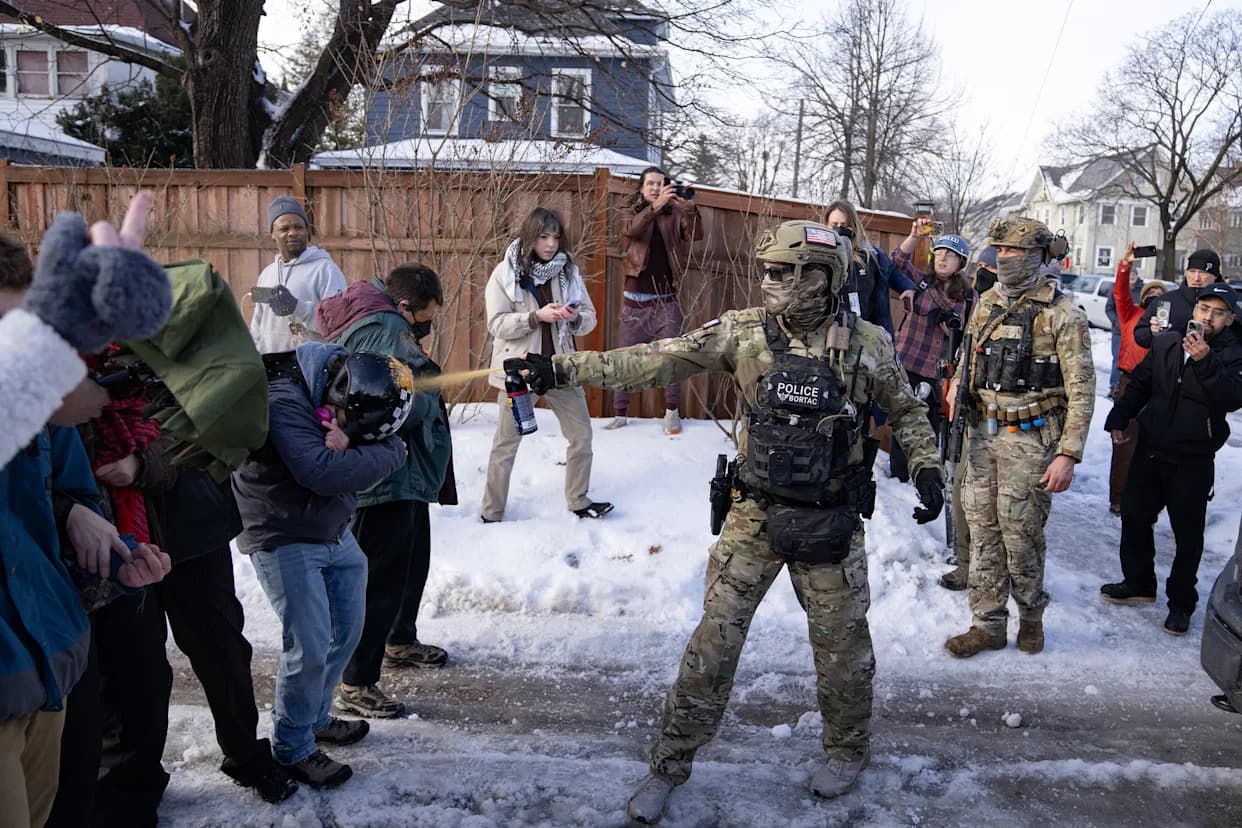
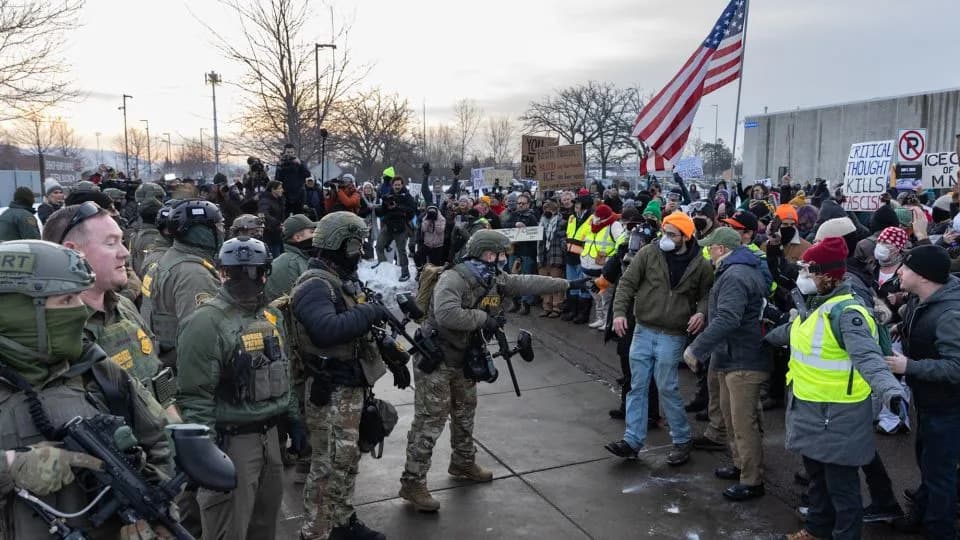
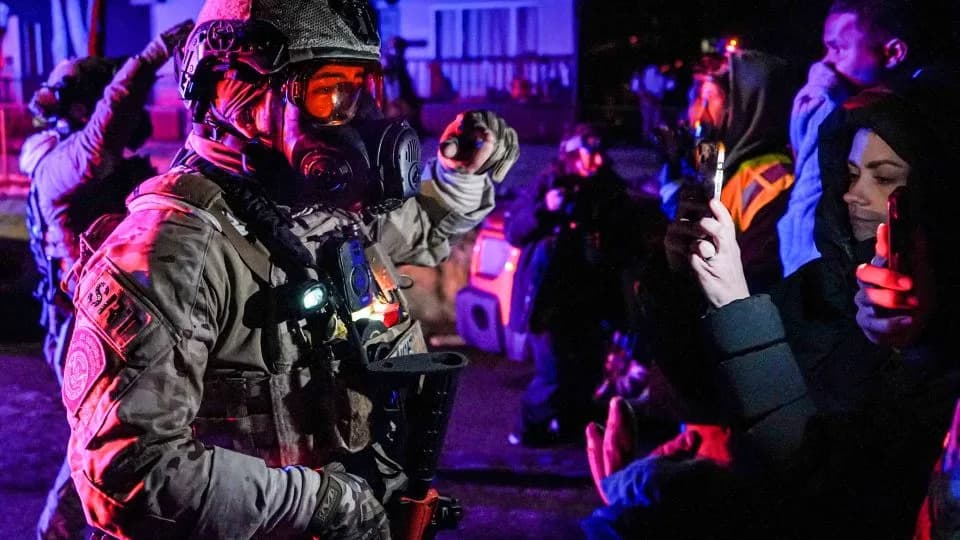
A Border Patrol Tactical Unit agent pepper-sprays a protester in Minneapolis, on January 7, 2026. | Alex Kormann/The Minnesota Star Tribune via Getty Images
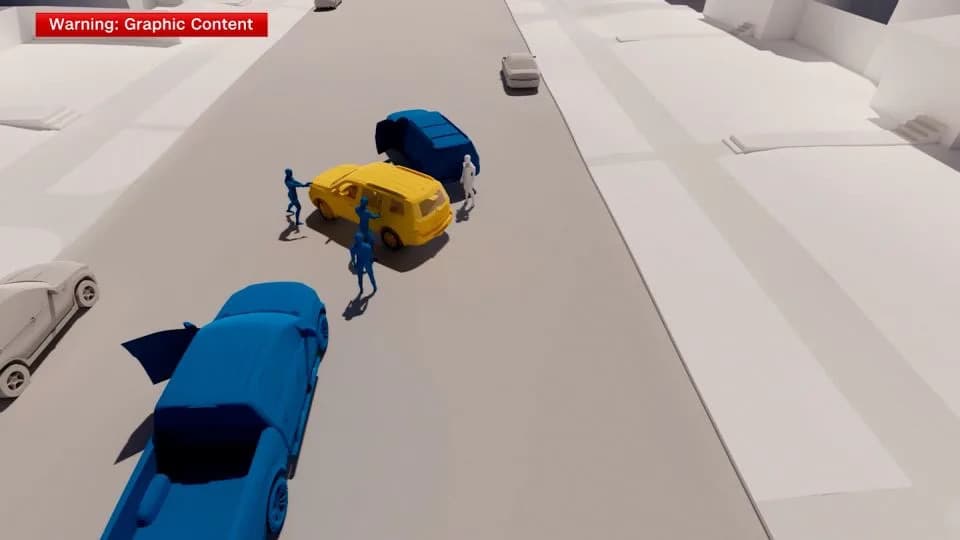
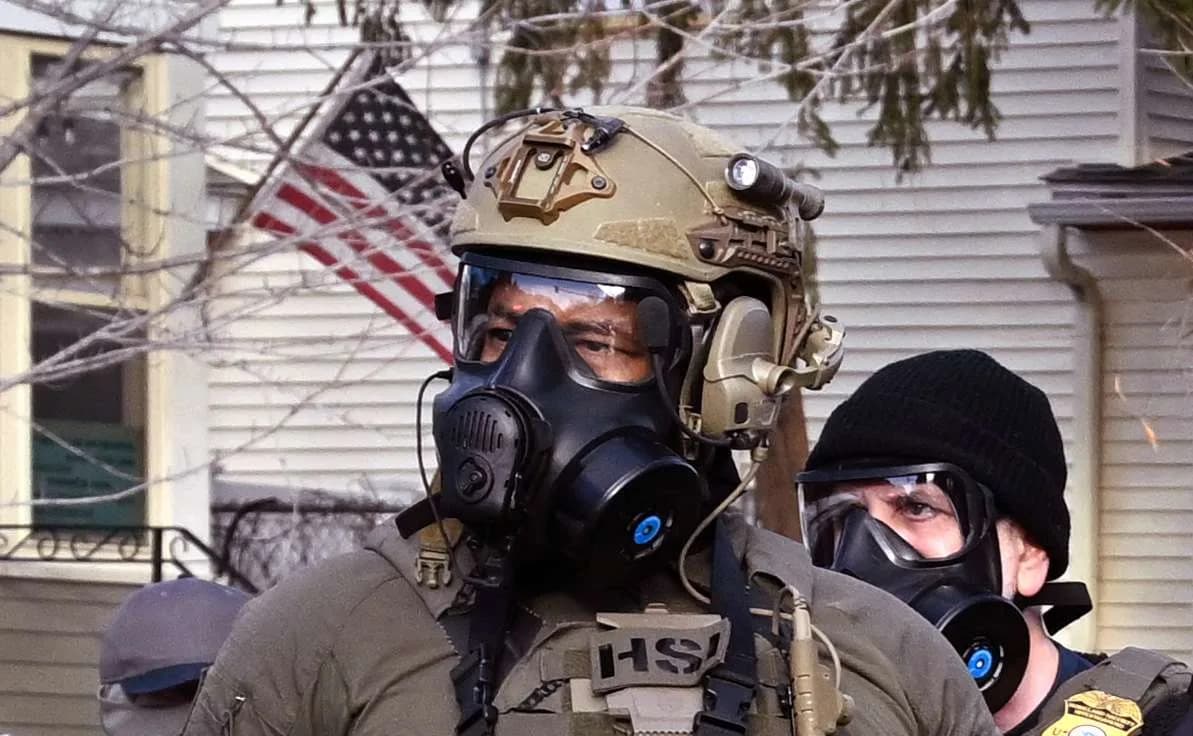
Viral footage of the fatal shooting of Renee Nicole Good by an Immigration and Customs Enforcement (ICE) officer in Minneapolis has intensified scrutiny of how ICE and other Department of Homeland Security agencies operate in U.S. cities. What observers are calling a sharp break from past practice — large shows of force in neighborhoods, seemingly indiscriminate public arrests, and rough treatment of bystanders and protesters — raises questions about how and why ICE’s domestic tactics changed.
To explore those questions, I spoke with David Hausman, assistant professor at UC Berkeley School of Law and director of the Deportation Data Project, a database of individual-level immigration enforcement cases. He cautioned that the scenes unfolding in Minneapolis and elsewhere are not typical of historical ICE practice and reflect dynamics that go beyond conventional immigration enforcement.
How Did Domestic Immigration Enforcement Used To Work?
Question: How does domestic immigration enforcement now compare to how it worked before Trump?
Answer: Hausman explained that, through the Obama administration and into the first Trump term, the majority of actions labeled as ICE "arrests" were actually custodial transfers: state or local authorities would hand someone over to federal custody. Street arrests by ICE officers were rare because ICE lacked the on-the-ground arrest capacity that would be required to conduct broad community sweeps. That limited capacity functioned as a practical constraint on how often and where ICE could carry out arrests.
What Changed During the Trump Administrations?
Question: How did ICE evolve under the Trump administrations?
Answer: Hausman drew a clear distinction between earlier practice and the current approach. He said the present administration is operating with fewer institutional constraints and increased pressure to produce arrest numbers. Congress recently provided substantial funding to expand detention infrastructure, which increases ICE’s capacity to hold people after arrests. At the same time, border arrests have fallen from earlier highs, freeing detention capacity for interior arrests. Together, these shifts have enabled more visible, aggressive field operations.
Hausman also warned that many arrests now appear to be carried out with little regard for context — often public, sometimes overtly targeted by race, and in ways that sweep up people who are citizens or lawful residents. This scale and character of on‑the‑street enforcement is a new phenomenon compared with past practice.
Is This About Meeting Deportation Targets?
Question: Are these operations driven by political pressure to increase deportations?
Answer: Yes. Hausman said ICE faces intense pressure from the administration to raise arrest totals. There are not enough noncitizens currently jailed for crimes to meet those targets, and relatively few noncitizens have criminal convictions overall. As a result, a smaller share of people being detained today have criminal records compared with previous periods — suggesting an expansion of enforcement to people without criminal convictions.
What Are The Effects On Neighborhoods And Public Space?
Question: What do these raids do to communities and people’s sense of public space?
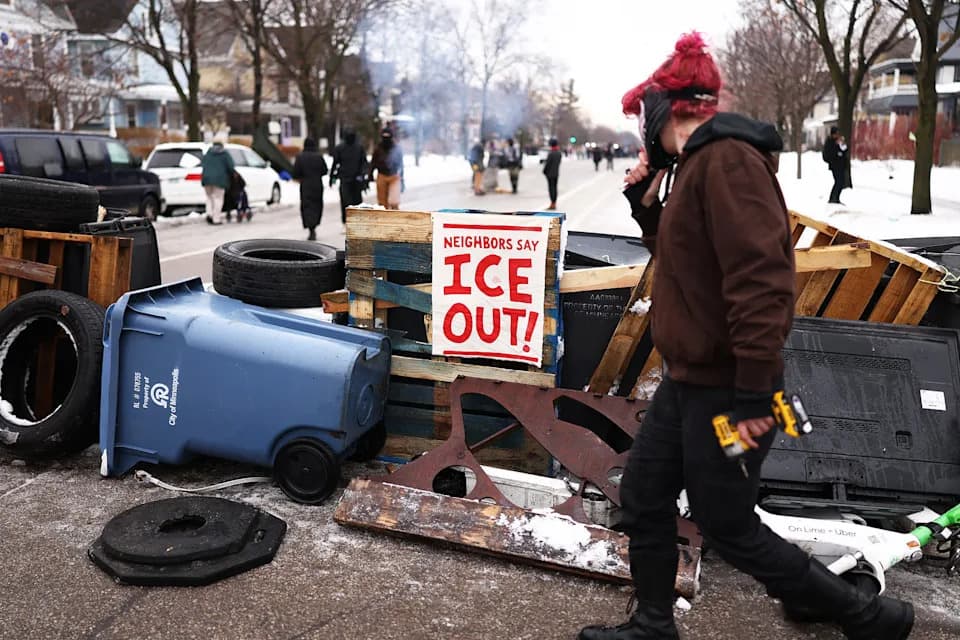
Answer: Residents report fear and reluctance to carry out everyday activities. Research from earlier periods shows intensified immigration enforcement harms employment, health, and other community outcomes; those harms are likely amplified by heavier, more visible policing. Hausman emphasized that many recent incidents capture citizens or lawful residents being detained or treated harshly — evidence that these operations extend consequences well beyond traditional immigration control.
Viral videos over recent months show not only protesters but also bystanders being manhandled and pepper-sprayed. These scenes raise concerns that tactics once limited to criminal custody transfers in jails are now being used in public spaces, reaching deeper into neighborhoods and affecting broader civic life.
What Explains The Recent Shift?
Hausman suggested a confluence of factors: political pressure to meet deportation metrics, newly expanded detention capacity funded by Congress, and a decline in border arrests that frees resources for interior operations. Together, these trends have produced a marked change in how ICE implements enforcement on U.S. soil.
The Minneapolis shooting and the viral footage surrounding it have focused public attention on these tactical and institutional shifts. As investigations continue, experts warn the larger pattern — more militarized, seemingly random field operations — has consequences far beyond immigration policy, touching community trust, public safety, and civil liberties.
Help us improve.